 Free shipping on orders over £29,85
  Shipping Tracking!


 Google
 Facebook
← Back to How to make resin paintings
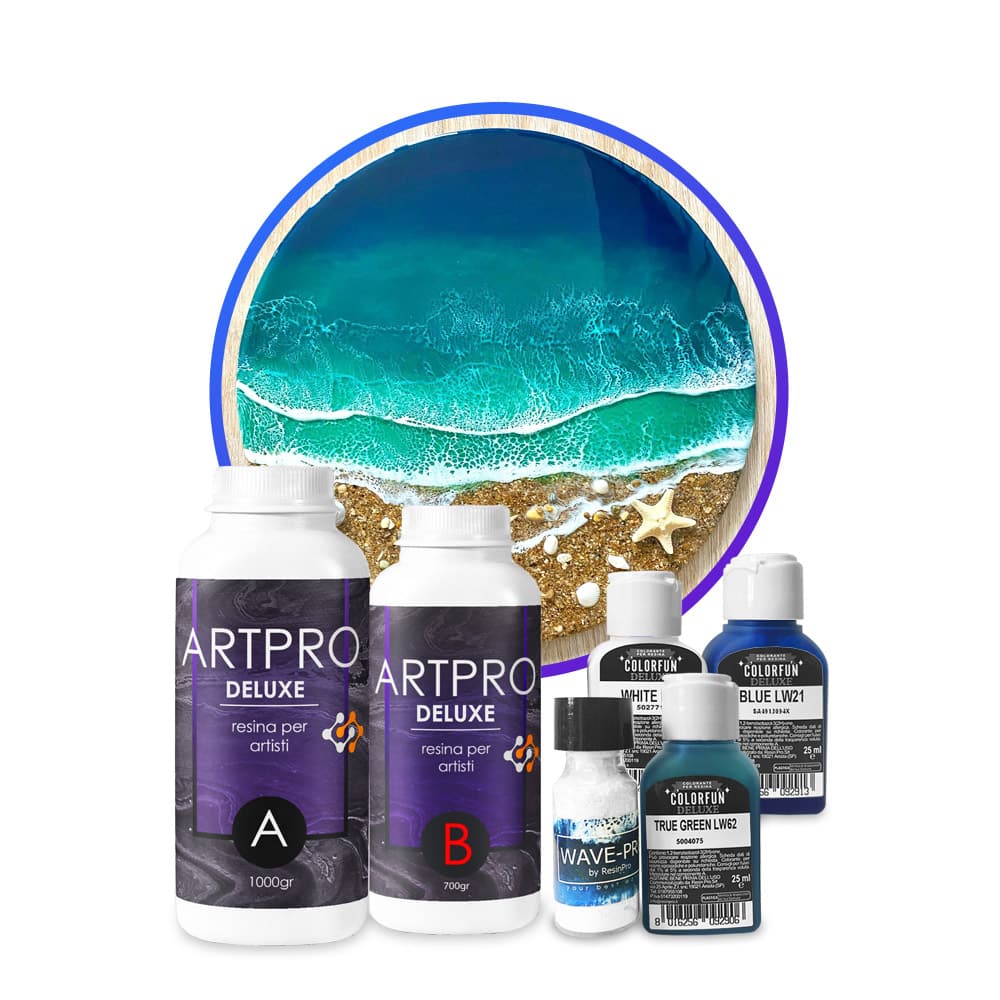
Creating authentic ocean wave effects with resin art involves careful layering, clever use of pigments, and sometimes specialist additives. With the right approach and materials, your artwork can capture the movement and vibrancy of the sea.
Choosing the Right Materials
Start with a resin designed specifically for art projects—medium or higher viscosity formulas like Art Pro or Art Pro Deluxe work best for layering and producing distinct wave lines. For ocean pieces, use ocean-tone pigments, such as blue, white, and green. The “Sea” kit includes both suitable resin and a unique wave powder additive to help achieve natural looking, foamy wave crests that standard kits may not provide.
Techniques for Realistic Wave Effects
Apply your resin in gradual layers, beginning with deep sea colours as your first pour. As you build towards the shore, introduce lighter tones and use a heat gun or hairdryer to gently blend the white pigment, sweeping it over the coloured resin to mimic the crest of a wave. For heightened realism, sprinkle a touch of wave powder onto the wet resin and agitate it lightly to create frothy, foamy textures typical of breaking waves.
When Ocean Wave Effects Matter Most
Adding realistic wave details elevates beach, seascape, and marine-themed resin paintings—especially when you want to convey movement or atmospheric depth. For commissions or gifts that capture the spirit of the sea, mastering this technique is particularly rewarding.
Related products
Related guides
Perfecting the look of ocean waves requires a mix of skill, layering, and the right products. Delve further into resin painting methods on our main guide and let your next artwork truly capture the sea.