 Free shipping on orders over £29,85
  Shipping Tracking!


 Google
 Facebook
How to install resin in the bathroom?
Step-by-step guide for smooth, durable bathroom resin finishes
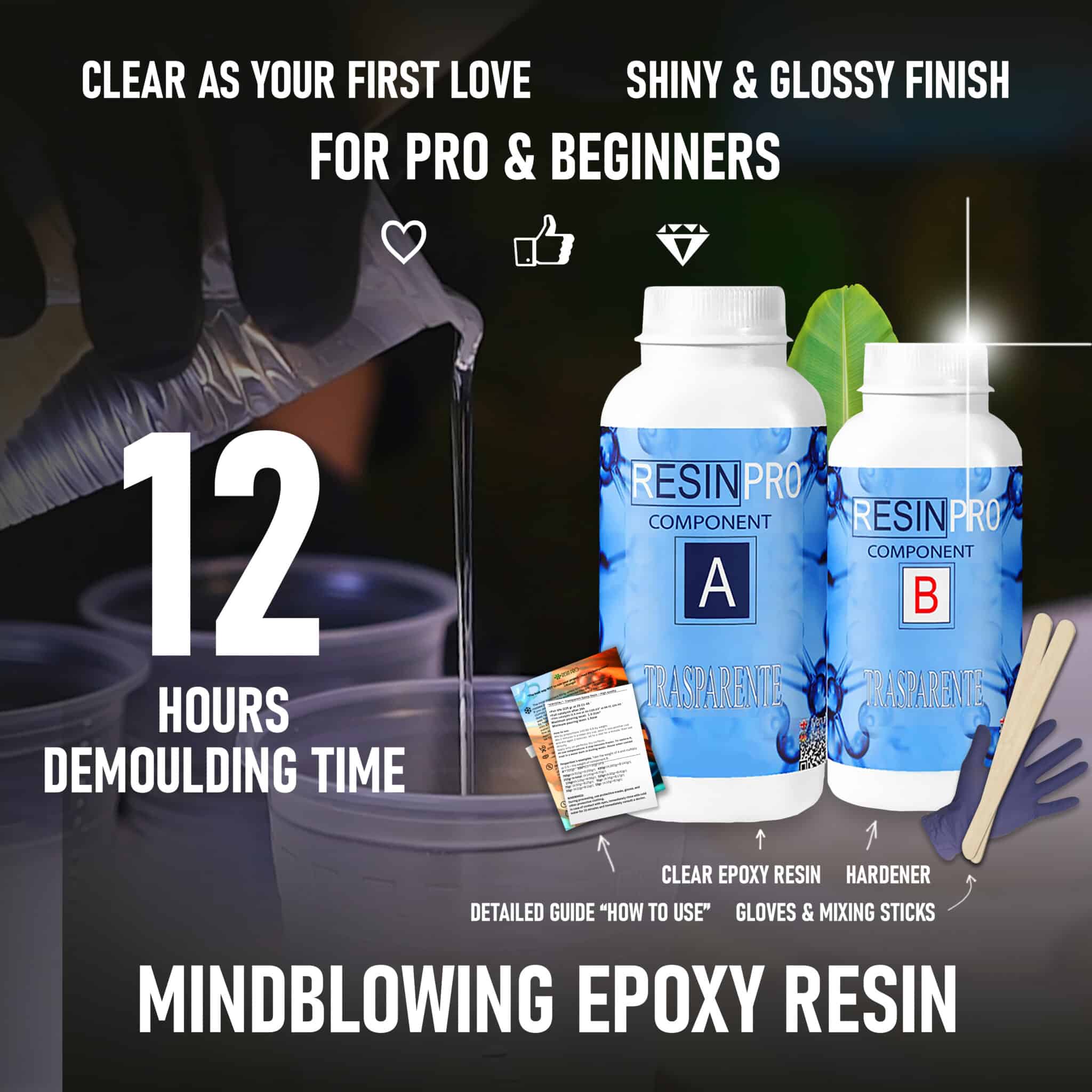
Giving your bathroom a resin finish is an excellent way to achieve seamless, water-resistant surfaces on floors, walls or countertops. Whether you’re updating tired tiles or want a modern, easy-to-clean space, resin application can dramatically refresh your bathroom’s appearance and durability. This guide walks you through every key step for a successful resin installation in a typical British bathroom.
What You’ll Need
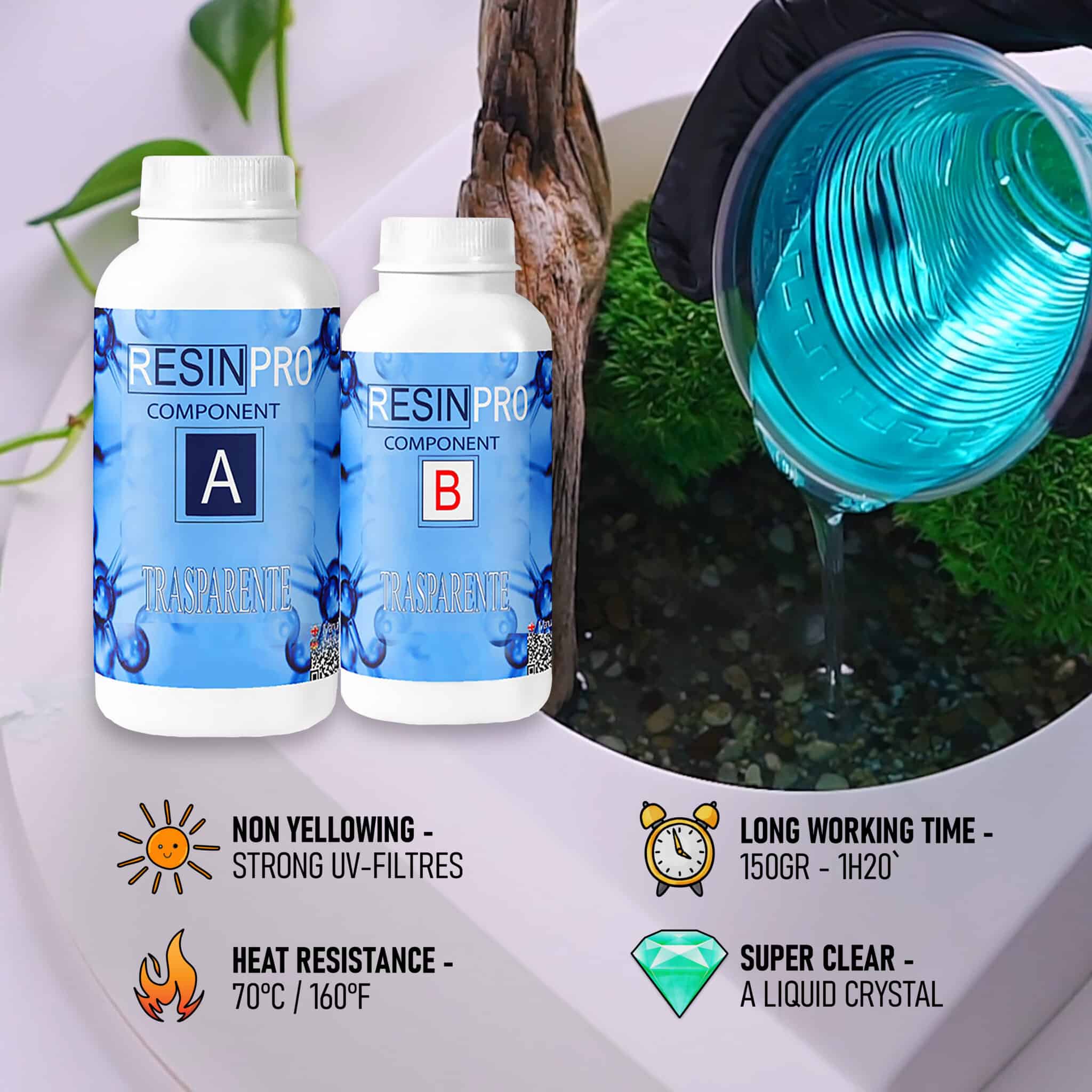
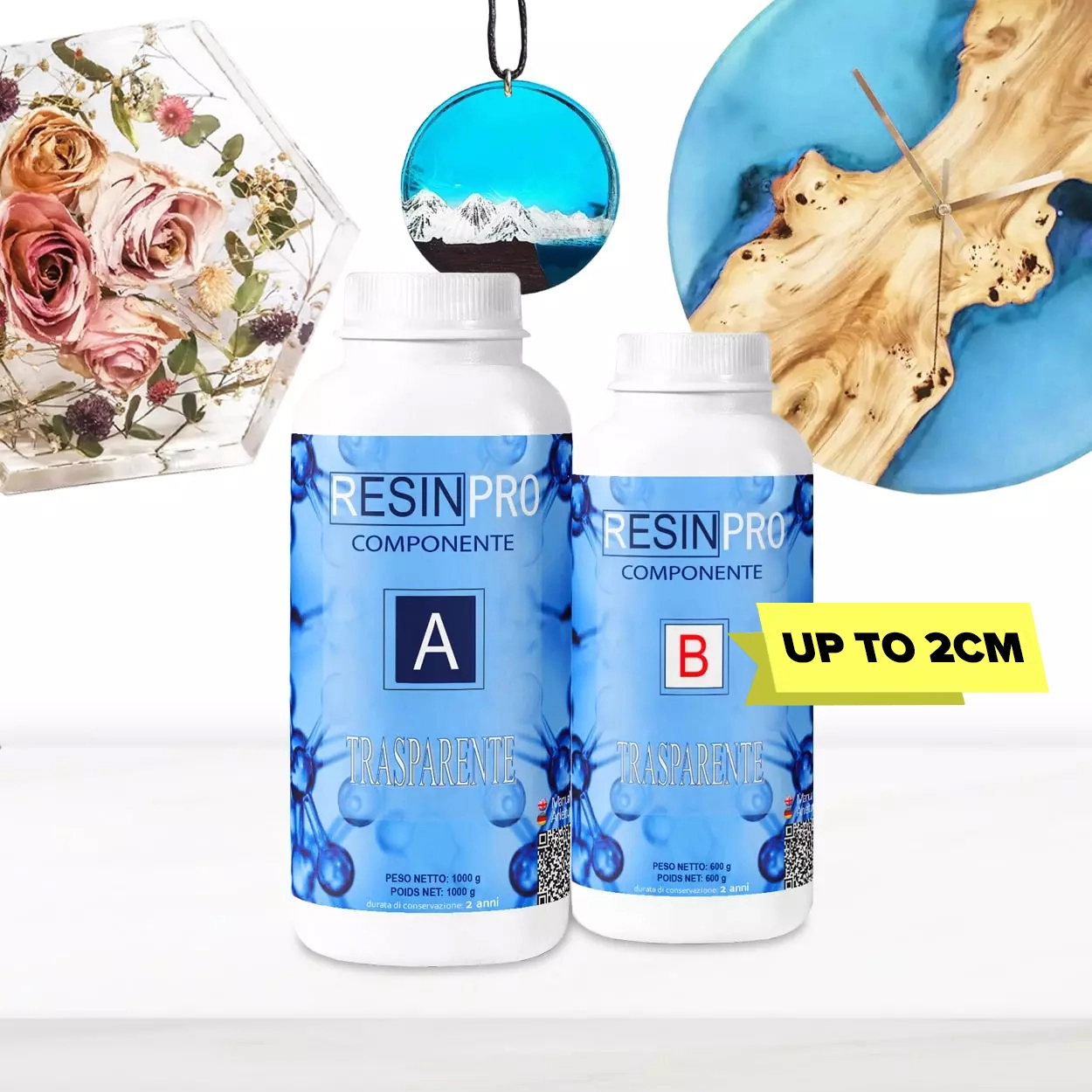
- “Trasparente” – Multipurpose Clear Epoxy Resin for Casting – Up to 2cm: A clear casting resin ideal for smaller surfaces or detailed coating.
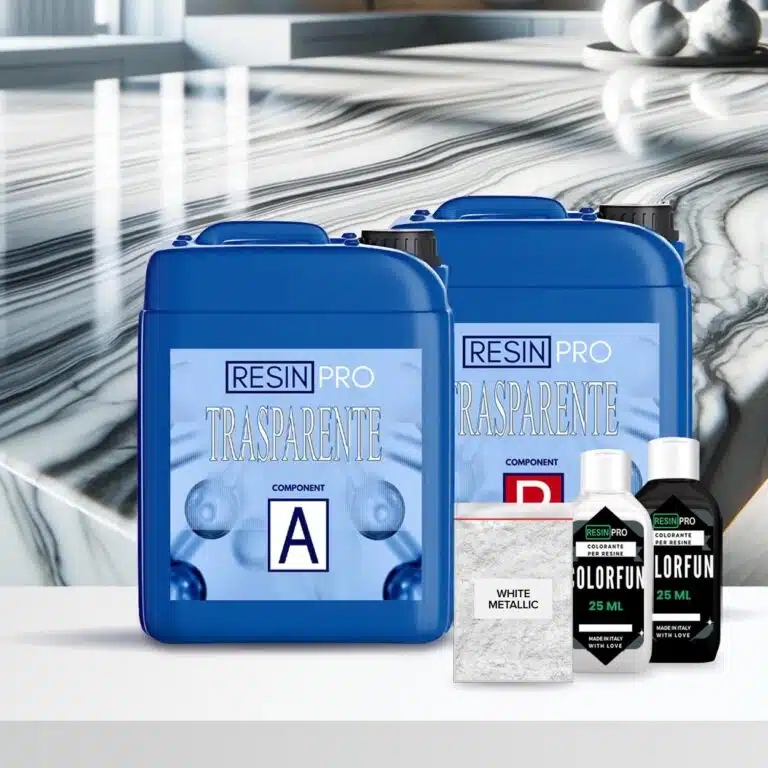
- “Stone Effect Collection” – Marble Epoxy Resin Countertop Kit: Perfect for a realistic stone effect on surfaces like washstands or worktops.
- “Icrystal” – Clear Epoxy Resin – Odourless Formula – Up to 1.5cm: A transparent, odourless resin suitable for applications requiring excellent clarity and a thin finish.
- “Resinstone” – One-Component Methacrylic Resin for Concrete Floors and Driveways: Best for sealing and protecting bare concrete bathroom floors.
- Appropriate primer for existing bathroom surfaces (tiles, timber, or concrete)
- Mixing containers and stirring tools
- Protective gloves and safety wear
- Painter’s tape and plastic sheeting for masking
- Rollers or brushes suitable for resin application
- Sandpaper or floor preparation tools
- Cleaning materials: soap, water and lint-free cloths
Visual Inspiration: Resin Bathrooms
See how resin transforms bathroom surfaces with seamless, glossy finishes and contemporary style. View a range of floor, wall and countertop ideas in clear, marble or custom looks to spark your design plans.
Step 1: Prepare the Surfaces
Prepare all surfaces thoroughly before application. Start by cleaning all target areas to remove dust, soap residue, oils, and debris, as these can impact resin bonding. If there are existing tiles, lightly sand them to create a key for the resin or primer. For bare concrete, ensure it is fully dry, dust-free, and level. Remove silicone sealants, as resin will not stick to them. Mask off any edges, drains, or fittings with painter’s tape and use plastic sheeting to protect areas that shouldn’t be coated.
Filling any cracks or holes at this stage is vital. Allow patching compounds or fillers to cure fully before proceeding. For floors, vacuum thoroughly, then damp-mop and allow surfaces to dry completely.

Step 2: Prime the Area
Apply a primer appropriate to your substrate, whether tile, concrete, or timber, to promote optimal adhesion and prevent resin seepage. Always follow the primer manufacturer’s instructions on cure times. This is especially important on porous surfaces like concrete or timber, where a dedicated primer will stop air bubbles and uneven absorption.
If you’re working over absorbent concrete, consider using “Resinstone” – One-Component Methacrylic Resin for Concrete Floors and Driveways for a durable, waterproof seal before your main resin layers.
Step 3: Mix and Apply the Resin
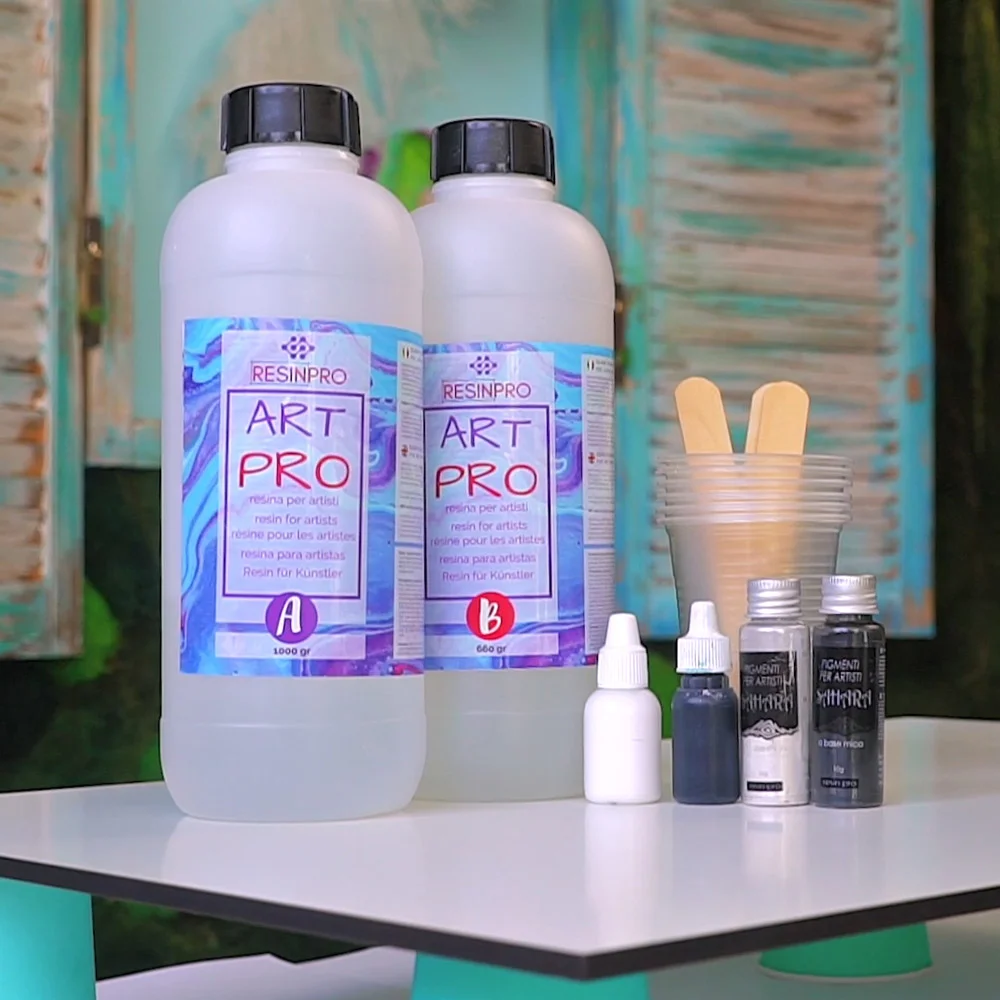
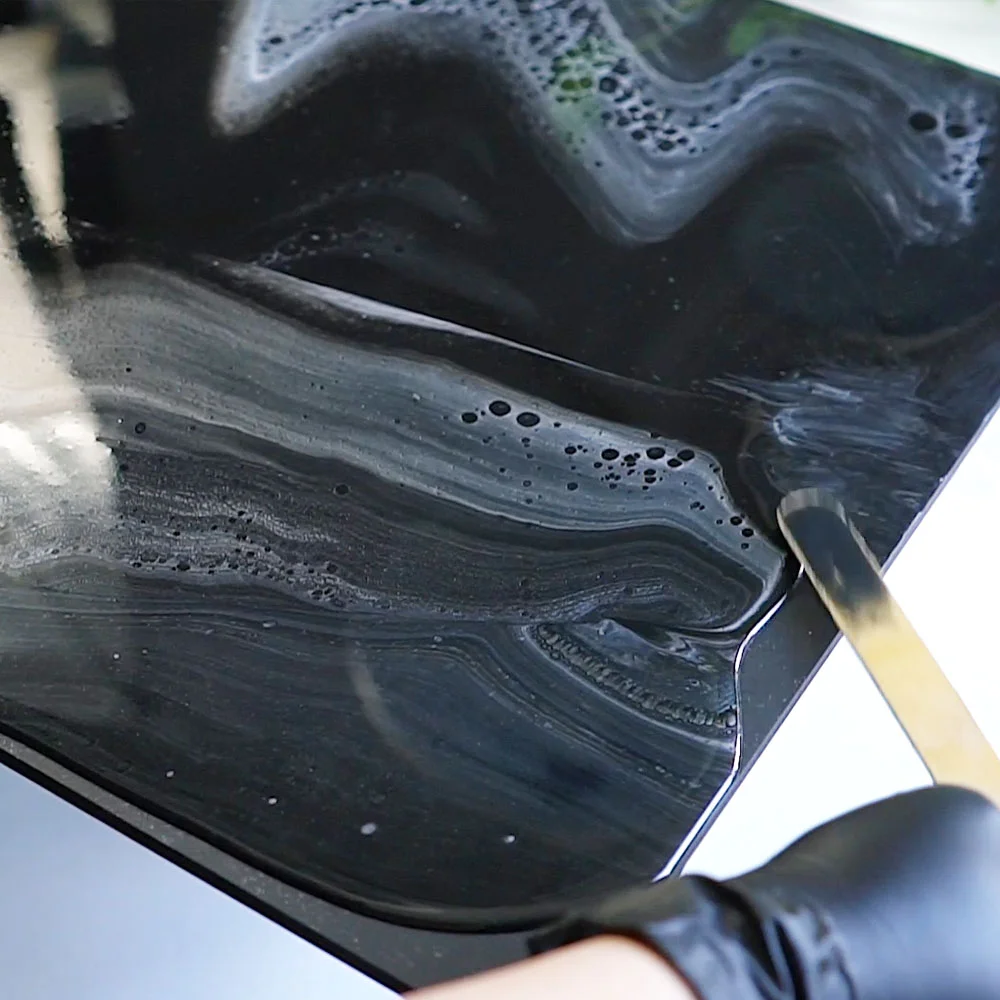
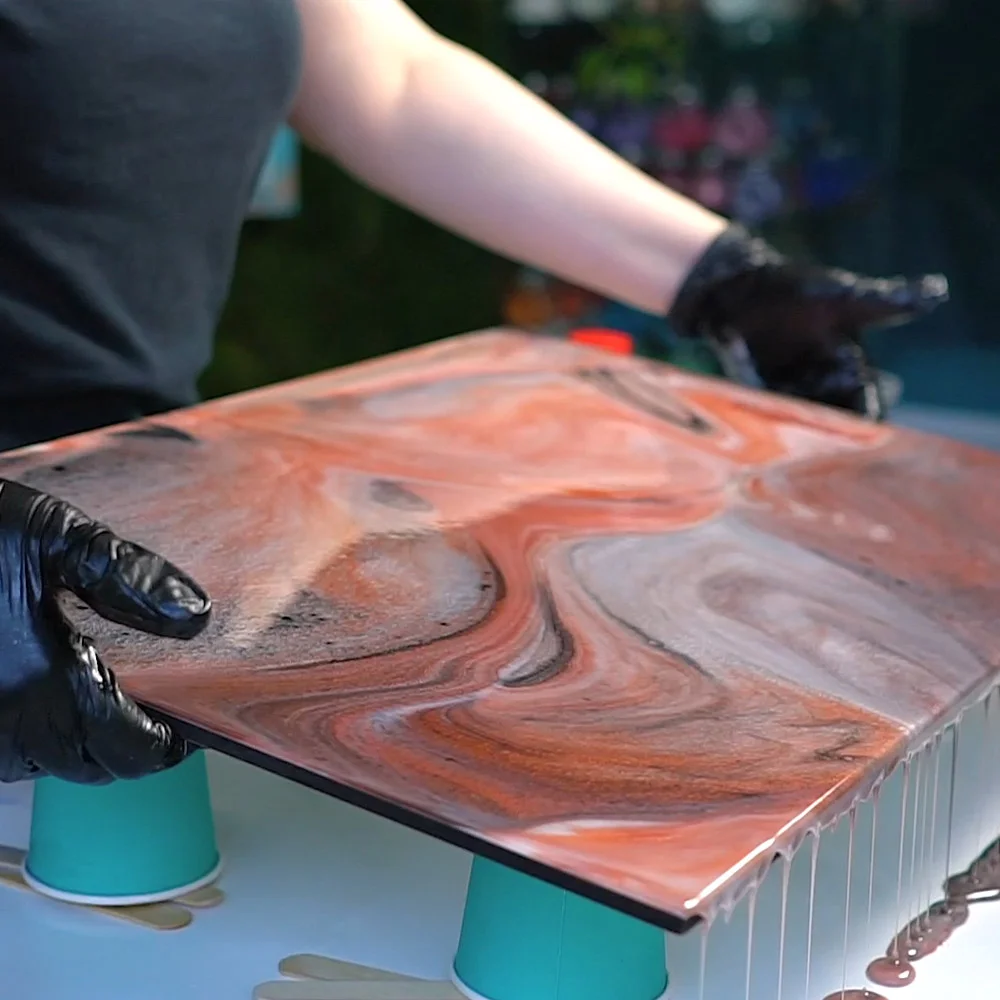
Prepare your chosen resin by carefully following the manufacturer’s mixing ratio and instructions. Use clean containers and stir slowly to minimise bubbles. Only mix as much resin as can be used within its working time. Pour the resin onto your prepared surface, spreading evenly with a roller or brush. Use a notched trowel for floors or larger areas, and a soft brush or spatula for counters and walls. Aim for a consistent, even thickness—typically 1–2cm depending on the product used.
If you’re after a creative or marble effect for counters, the “Stone Effect Collection” – Marble Epoxy Resin Countertop Kit includes pigments and dyes for artistic surface designs with natural stone looks.
Step 4: Allow to Cure and Apply Further Coats
Leave the resin undisturbed for the full cure time specified on the packaging. This could range from 10 to 24 hours, depending on the environment and product used. In cool or humid conditions, allow for additional curing time. If a thicker result or multiple coats are needed, gently sand the surface once cured, remove any dust, and repeat the resin mixing and pouring process.
For protective sealing of decorative layers or to enhance resilience—especially on heavily-used floors—an additional topcoat with a tough, odourless resin like “Icrystal” – Clear Epoxy Resin – Odourless Formula – Up to 1.5cm offers added scratch resistance and clarity.
Step 5: Remove Masks and Final Clean
Once the final resin coat is fully cured, carefully remove all painter’s tape and masking. Gently clean the new resin surfaces with a soft cloth and water. Wait the recommended period before exposing your bathroom surfaces to water or regular use. Take care to avoid dragging sharp or heavy objects across the new resin as the surface finishes hardening.
Tips and Common Mistakes to Avoid
Ventilation is essential for safe application—even with low-odour products, always work with open windows or a fan. Work in moderate temperatures for even curing, and wear gloves to prevent skin contact. Stick strictly to measuring and mixing instructions for the resin you choose, as incorrect mixes can result in sticky or soft finishes.
Don’t rush curing—allow full drying before using your bathroom. Shortcutting this step can lead to marks or dents in the finish. Always test on a small hidden area first to check compatibility with underlying materials. Consistent, careful prep and attention during each step will deliver a bathroom resin installation that lasts for years.
Bathroom Resin Application in Action
Watch bathroom resin being mixed, poured, and cured on real projects. Notice careful masking, mixing, priming and finish work to achieve a durable, water-resistant result that stands up to daily use.

- "Trasparente" – Multipurpose Clear Epoxy Resin for Casting – Up to 2cmPrice range: £8.95 through £397.95"Trasparente" is a clear, multipurpose epoxy resin for layers up to 2cm, providing a glossy, self-levelling finish for various DIY and woodworking…
- "Stone Effect Collection" – Marble Epoxy Resin Countertop KitPrice range: £57.95 through £272.95"Stone Effect Collection" offers an epoxy resin kit for creating durable marble and stone effect surfaces, suitable for bathroom and kitchen use.
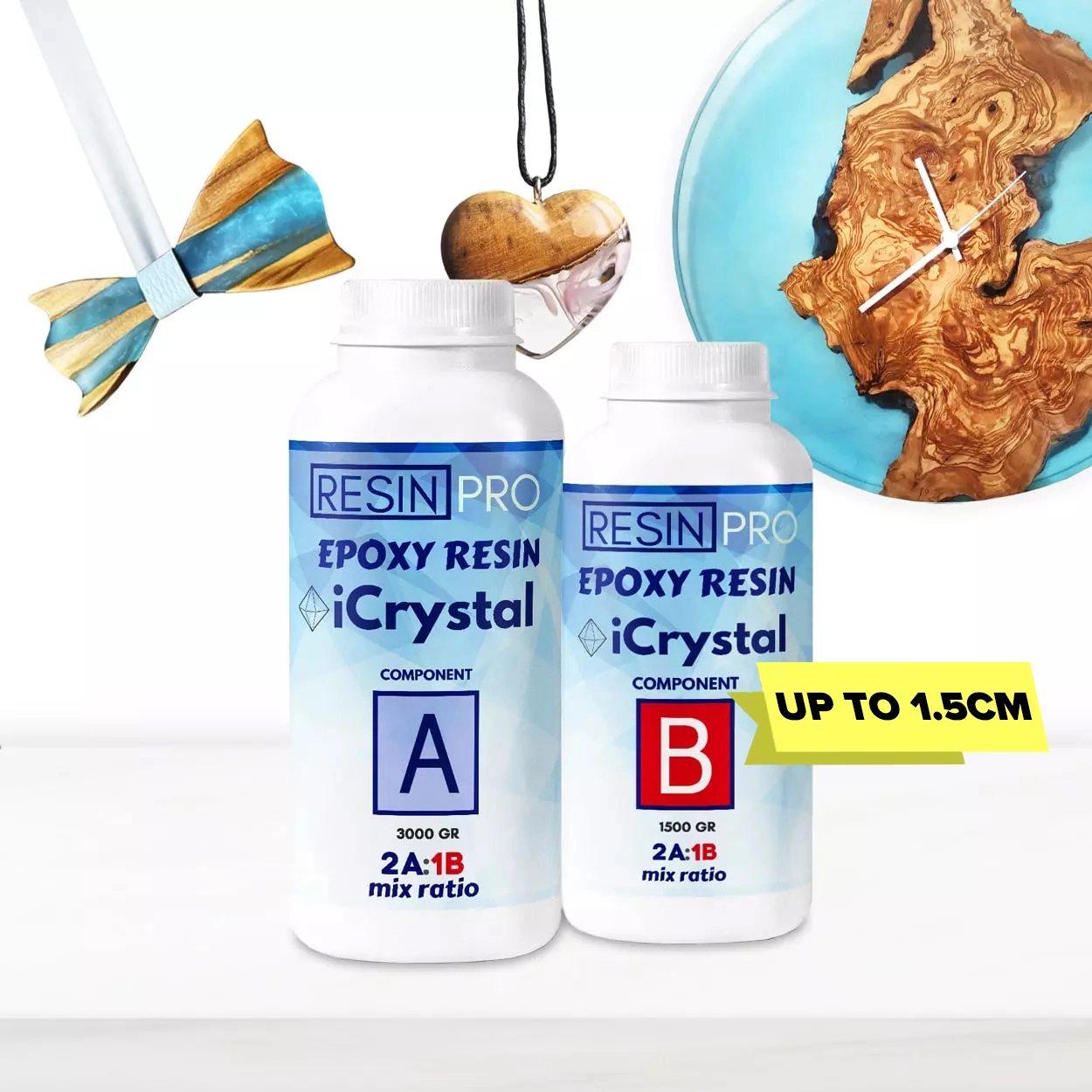 "Icrystal" – Clear Epoxy Resin – Odourless Formula – Up to 1.5cmPrice range: £12.45 through £341.45"Icrystal" is a transparent epoxy resin suitable for various artistic and surface coating applications related to this bathroom resin installation…
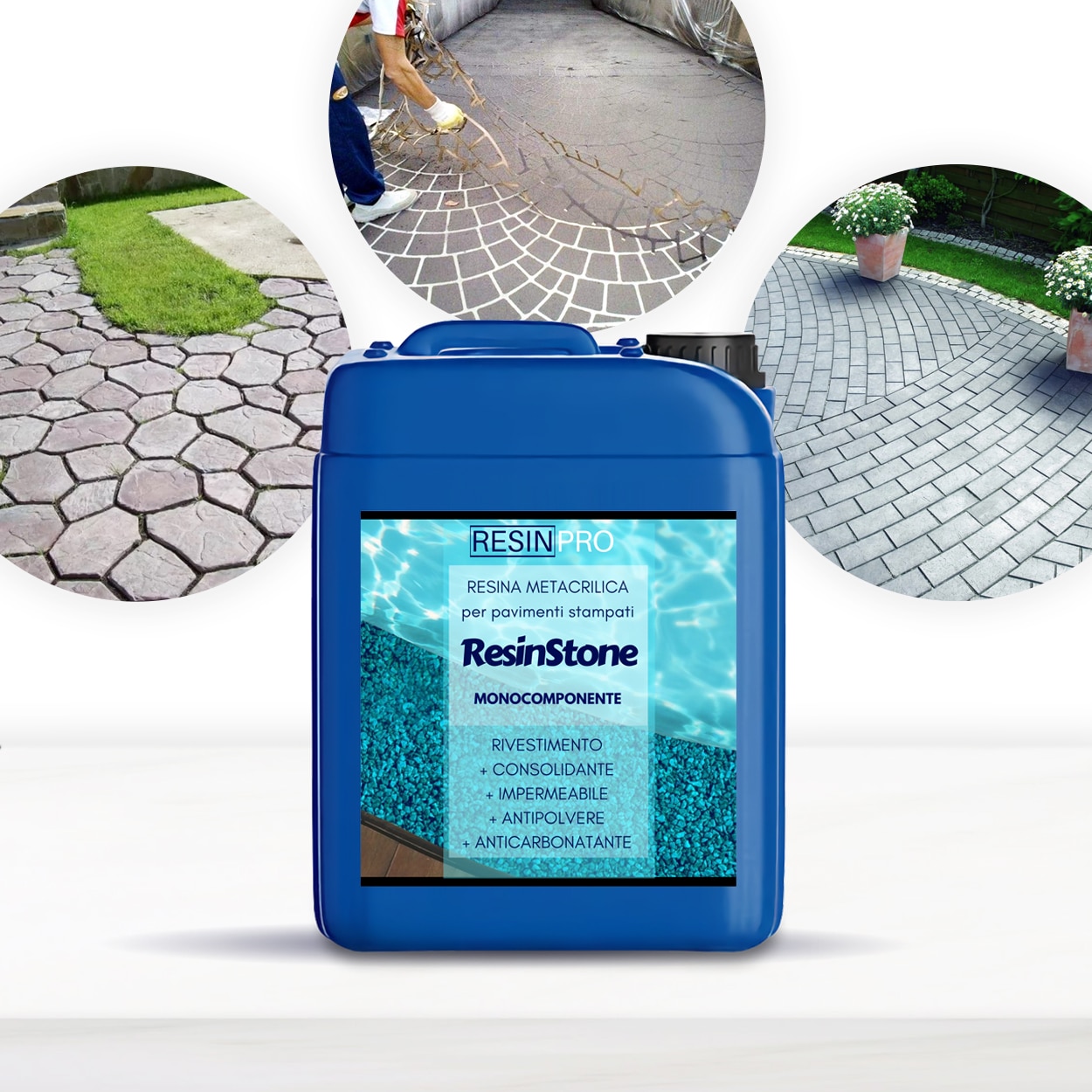 "Resinstone" – One-Component Methacrylic Resin for Concrete Floors and DrivewaysPrice range: £36.71 through £336.48"Resinstone" is a one-component methacrylic resin designed for sealing and protecting concrete floors with durable and breathable waterproofing.
Frequently Asked Questions
What is the key to preparing bathroom surfaces before resin application?
Thoroughly clean, sand, and remove all grease or soap residues; mask off fittings and fill cracks or holes before resin work.
Is it possible to apply resin directly over bathroom wall or floor tiles?
Yes, as long as tiles are sanded to create a key and a suitable primer is used before resin application.
What type of resin should I use for counters, floors, or walls in a bathroom?
Use multipurpose or clear epoxy for counters and walls, and specialised methacrylic resin for concrete floors.
How much time should I allow for resin in the bathroom to fully cure?
Cure times vary from 10 to 24 hours depending on product and thickness. Always check the manufacturer's guidance.
Are resin bathroom surfaces slippery when exposed to water?
Resin finishes can be slippery; consider adding anti-slip additives if surfaces will be used barefoot or regularly wet.
How resistant is bathroom resin to scratches and daily wear?
Quality epoxy resins offer high scratch resistance, ideal for busy bathrooms. Use a hard-wearing topcoat for best results.