 Free shipping on orders over £29,85
  Shipping Tracking!


 Google
 Facebook
← Back to How to Renovate the Bathroom with Resin?
When updating your bathroom with resin, safety is as important as style. A common concern is whether resin surfaces are slip resistant, especially in wet spaces like showers or around sinks.
Understanding Resin Surface Traction
Standard epoxy resin finishes are known for their glossy and smooth appearance, which can feel slippery underfoot when wet. This high-shine look is popular in modern bathroom renovations, but it’s important to take extra steps to ensure a secure surface, especially where water is frequently present.
Enhancing Slip Resistance: Simple Methods
If you’re seeking a safer, slip-resistant resin surface, there are effective ways to achieve this during installation:
- Add a non-slip additive: Specialised granules or powders can be mixed into the final layer of resin, creating a gently textured finish without greatly altering appearance.
- Light sanding after curing: Once fully cured, lightly sand the surface with fine grit paper to add micro-texture, increasing grip while maintaining an attractive finish.
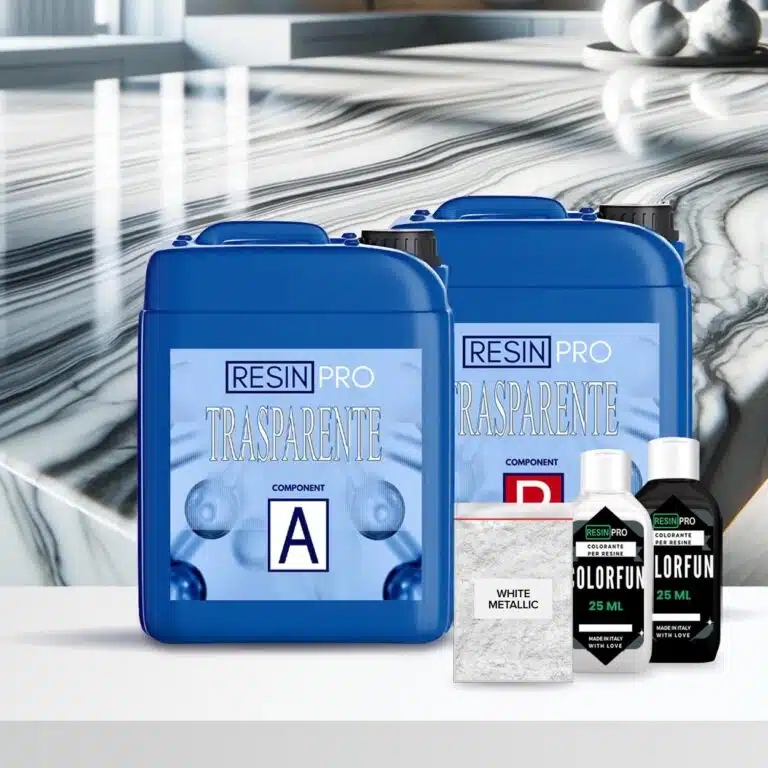
Both methods can be applied with products such as the “Stone Effect Collection” Epoxy Resin Countertop Kit, providing flexibility for bathroom projects both large and small.
When This Matters Most
Slip resistance should be a top priority wherever water spills are likely, such as on bathroom floors, inside showers, or anywhere young children and older adults may walk. For countertops and vanities, a smooth resin finish is usually sufficient, but consider added grip on floors and wet zones for enhanced safety.
Related products
Related guides
By customising your resin finish for slip resistance, you can balance bathroom safety and striking design. For complete guidance on transforming your bathroom with resin, visit our main guide: How to Renovate the Bathroom with Resin.