 Free shipping on orders over £29,85
  Shipping Tracking!


 Google
 Facebook
How to lay resin on tiles costs?
Compare resin options, estimate costs, and select optimal tile coatings
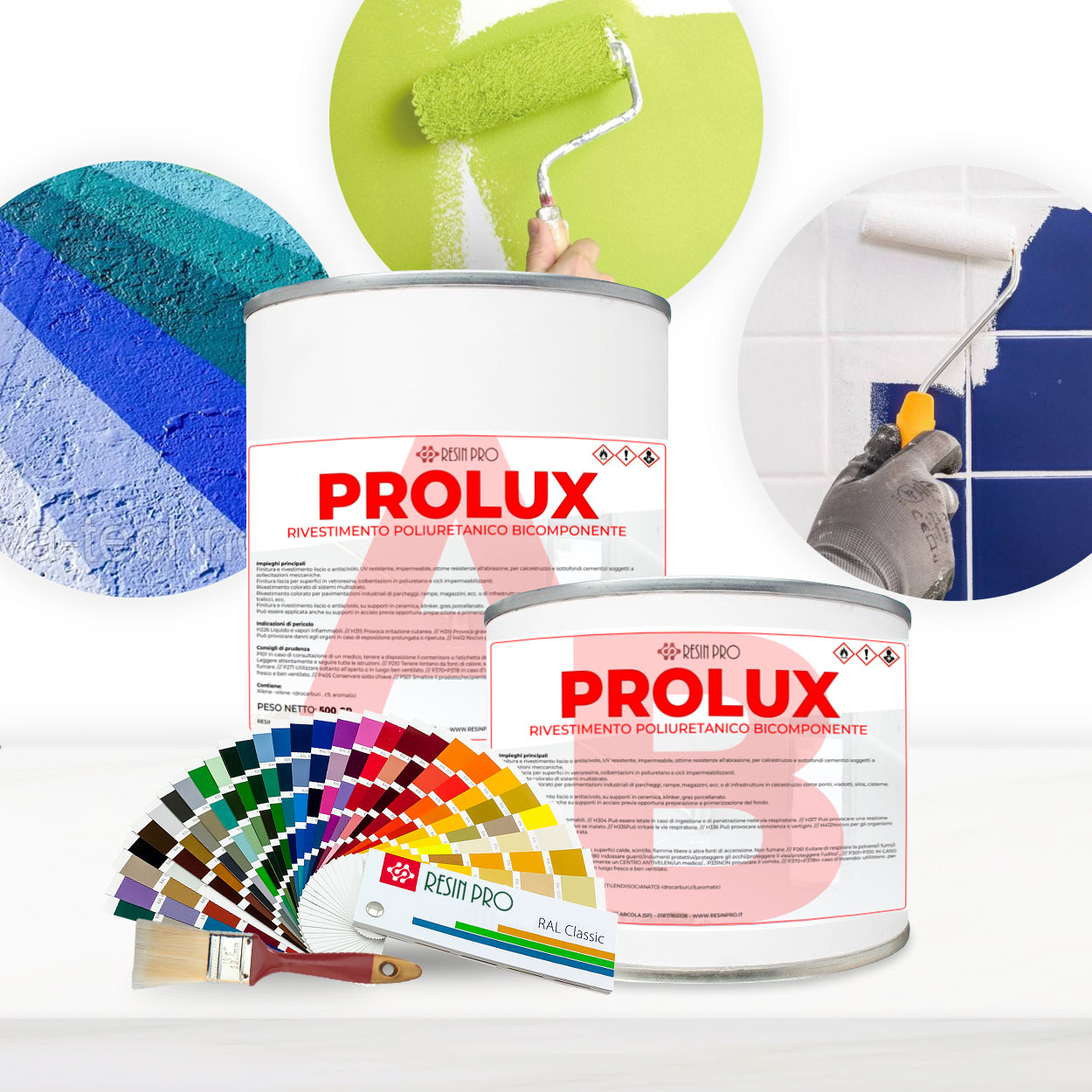
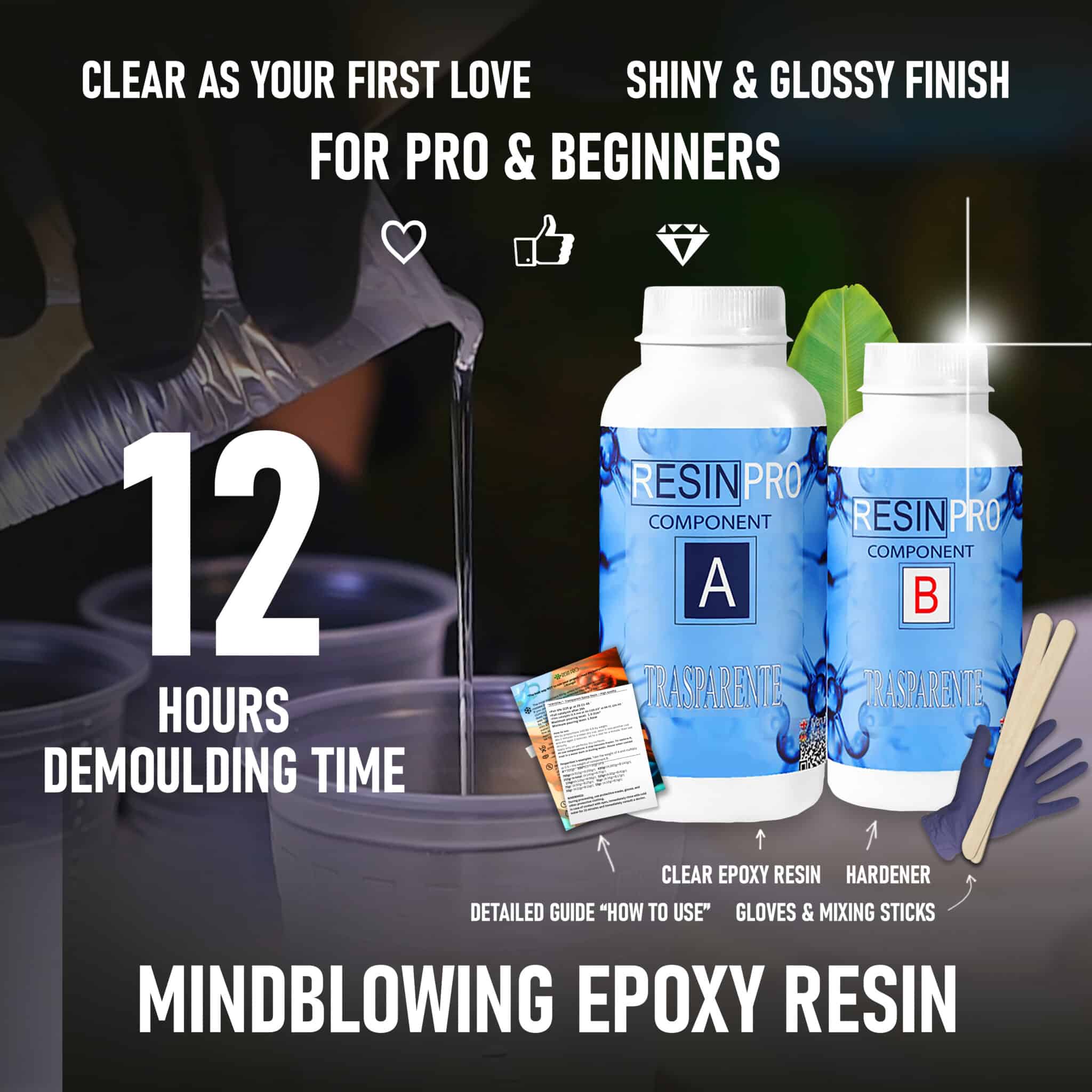
If you’re considering a resin finish for your tiled surface—whether for floors, walls, driveways or decorative projects—understanding the costs and choosing the right resin system is crucial. This page provides a comprehensive comparison of top resin solutions, highlights their best-use cases, and helps estimate material outlay, ensuring you invest wisely in long-lasting results.
Resin Coatings on Tiles: Cost Comparison & Overview
Laying resin on tiles isn’t a one-size-fits-all job. The costs depend on factors such as resin type, surface preparation, method of application, and the required finish (glossy, satin, clear, or coloured). Polyurethane (PU) coatings, clear epoxy layers, specialist primers and decorative wall resins all offer unique properties, with prices varying accordingly. For example, a robust PU coating may deliver driveable, industrial-grade protection, while decorative vertical epoxies focus on custom aesthetics and waterproofing. Comparing upfront material costs—as well as durability and ease of application—allows accurate budgeting and ensures the chosen resin system will deliver as expected.
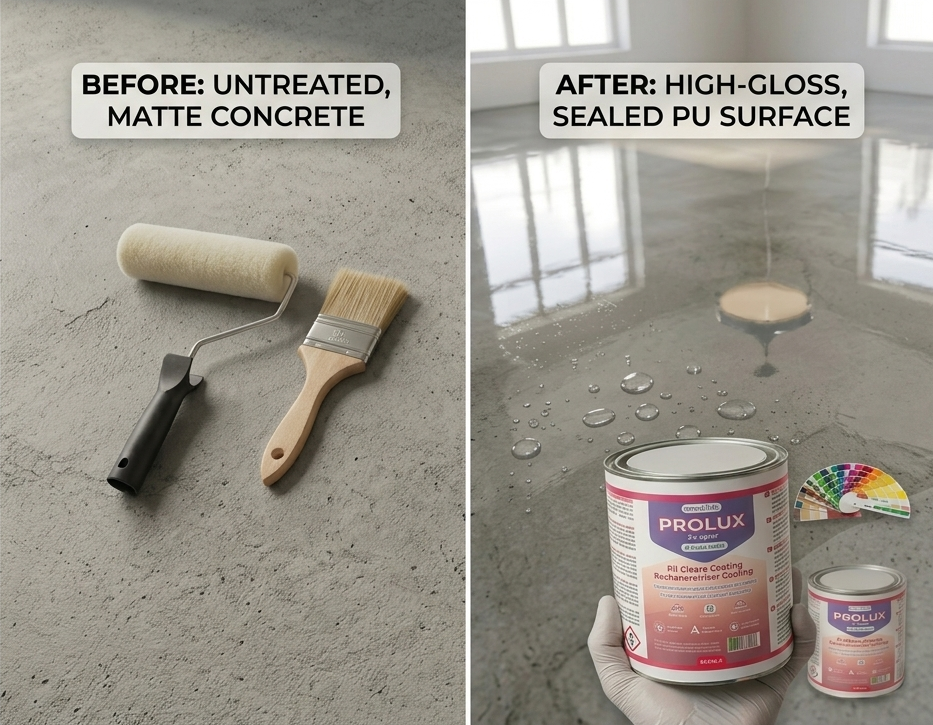
Visualising Resin Options on Tiles
Resin systems for tiles are available in various finishes, from robust polyurethane coats for floors and driveways to high-gloss clear layers for decorative projects. Considering the specific appearance and function of your project helps determine whether you need a self-levelling, ultra-clear surface, a coloured, hard-wearing PU, or a custom-mixed decorative resin for vertical applications. Always refer to application guides for best results or contact our technical team with project details.
“Prolux” – PU Coating for Tiles, Concrete, Plastic and Metal
“Prolux” PU coating is a two-component, aliphatic polyurethane resin ideal for situations where superior abrasion and impact resistance are required. Capable of creating a uniform waterproof layer in gloss or satin across floors, driveways, parking areas, warehouses, and steel, “Prolux” is CE certified (EN 1504-2) for ultimate peace of mind. Its advanced UV stability and resistance to yellowing or weathering make it a cost-effective long-term investment, though careful preparation of the tiled substrate is key for the best results. Pricing ranges from to , depending on surface size and coverage.
“Epoxyprimer” – Universal Water-Based Two-Component Epoxy Floor Primer
To ensure any resin system adheres optimally to tiled surfaces—especially glazed ceramics—using a purpose-formulated primer is essential. “Epoxyprimer” is designed precisely for this: it’s a safe, odourless, water-based two-component resin that maximises the bond between tiles and subsequent resin layers. Ideal for floors or wall tiles destined for resin overlays, its typical cost ranges from to . This investment safeguards the integrity of your finished surface, minimising the risk of resin delamination or peeling.
“Trasparente” – Multipurpose Clear Epoxy Resin for Casting (Up to 2 cm)
Where a crystal-clear, glossy finish is required, such as for artistic applications, restoration, or decorative overlays on tiles, “Trasparente” epoxy resin offers remarkable clarity, scratch resistance, and UV stability. It is best suited for thin, self-levelling applications (maximum 2cm per pour) atop prepared and primed tiles. With prices from to , it’s accessible for both small-scale projects and larger installations, and is supplied with gloves, mixing sticks, and instructions for easy use.
“Vertical Glass” – Thick Resin Decorative Wall Coating
For decorative and protective resin coverage on vertical tiled surfaces (such as bathrooms, splashbacks, or feature walls), “Vertical Glass” resin is specially formulated. It provides a customisable, glossy, or vitrified effect, is washable and ideal for high-moisture spaces. Typically applied with a spatula in single or multiple coats, you can tint it with pigments for unique finishes. Costs range from to , making it a cost-effective decorative upgrade for tiled interiors.
Factors Impacting Resin-on-Tile Costs and Project Success
When budgeting for your resin-tiled surface, consider more than just raw material costs. Surface preparation can add labour and product requirements (especially for glossy tiles needing priming). Application method—self-levelling pours versus spatula spreads—also affects coverage rates and total spend, as does the desired finish and thickness. Durability needs (such as for driveways versus interiors) should guide resin selection. Correct product pairing, like combining “Epoxyprimer” with your chosen finishing resin, ensures longevity and minimises future repair costs.
Project Planning: Beyond Material Price
When planning your resin-on-tile project, include costs for surface preparation, required primers, and accessories like mixing tools or safety gear. Factor in coverage area—larger projects will benefit from bulk sizing. Investing in certified products can avoid costly repairs in future and ensures your new resin surface delivers on performance, appearance and longevity.
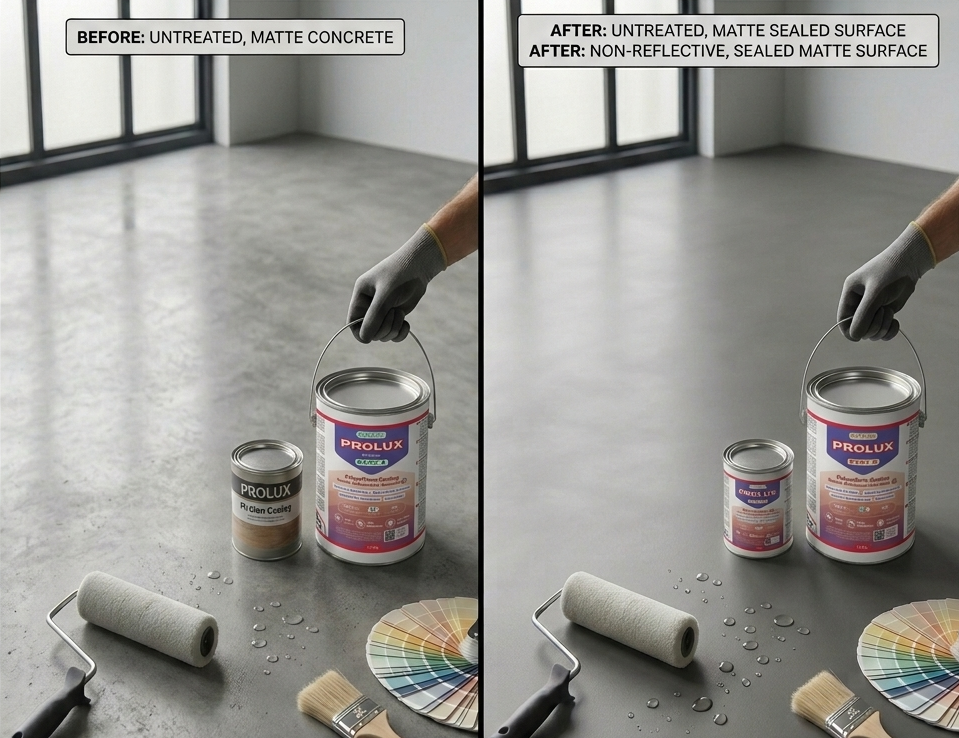
- "Prolux" – PU coating for tiles, concrete, plastic and metal – suitable for driveable surfacesPrice range: £44.85 through £494.85"Prolux" PU coating offers a durable polyurethane finish suitable for tiles, concrete and metal with options for gloss or satin finishes.
 "Epoxyprimer" – Universal Water-Based Two-Component Epoxy Floor PrimerPrice range: £156.45 through £286.45Epoxyprimer is a water-based epoxy floor primer designed for adhesion on tiles, concrete, timber and screeds, suitable for resin flooring preparation.
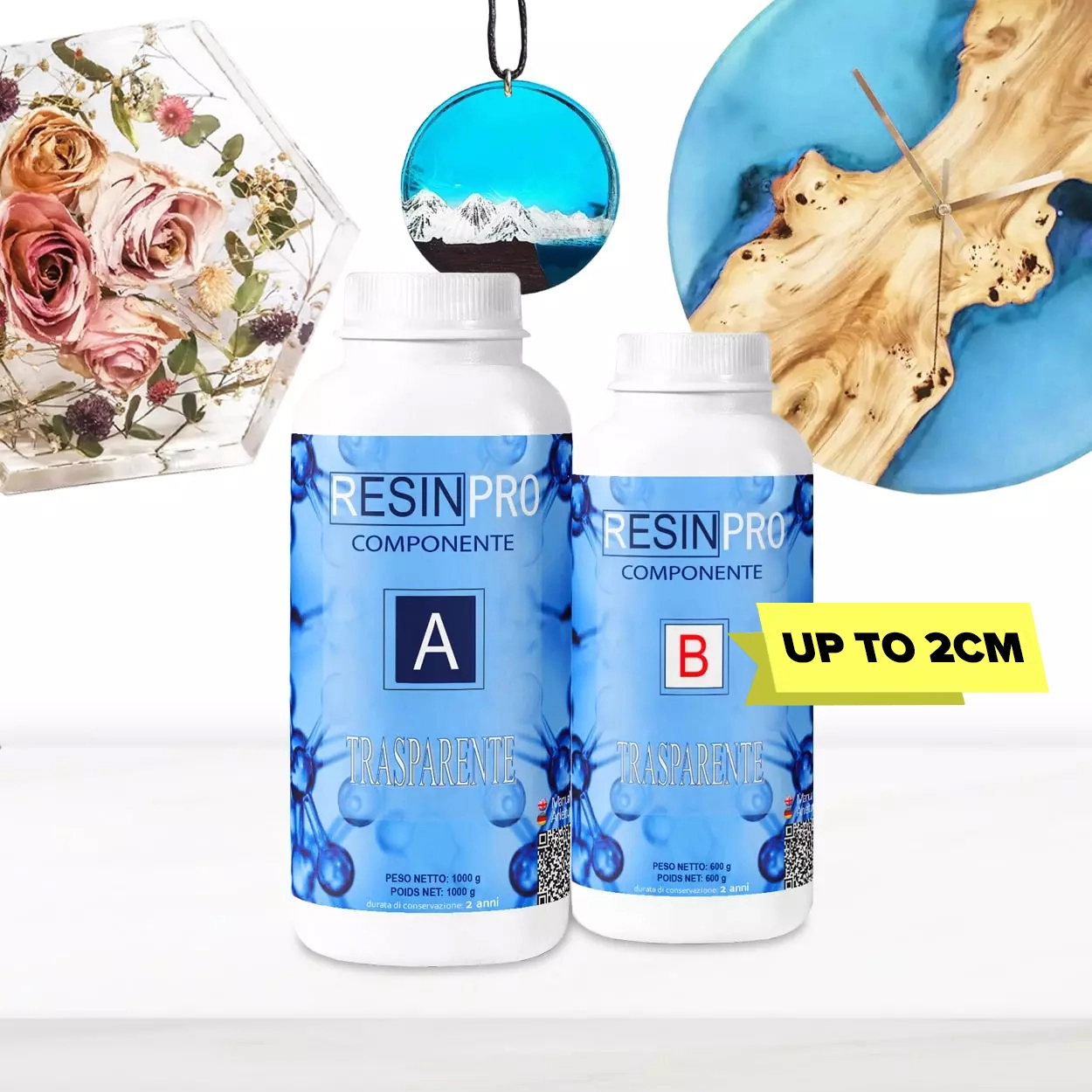 "Trasparente" – Multipurpose Clear Epoxy Resin for Casting – Up to 2cmPrice range: £8.95 through £397.95"Trasparente" offers a clear, self-levelling finish suitable for castings up to 2cm, aligning with the theme on laying resin on tiles costs.
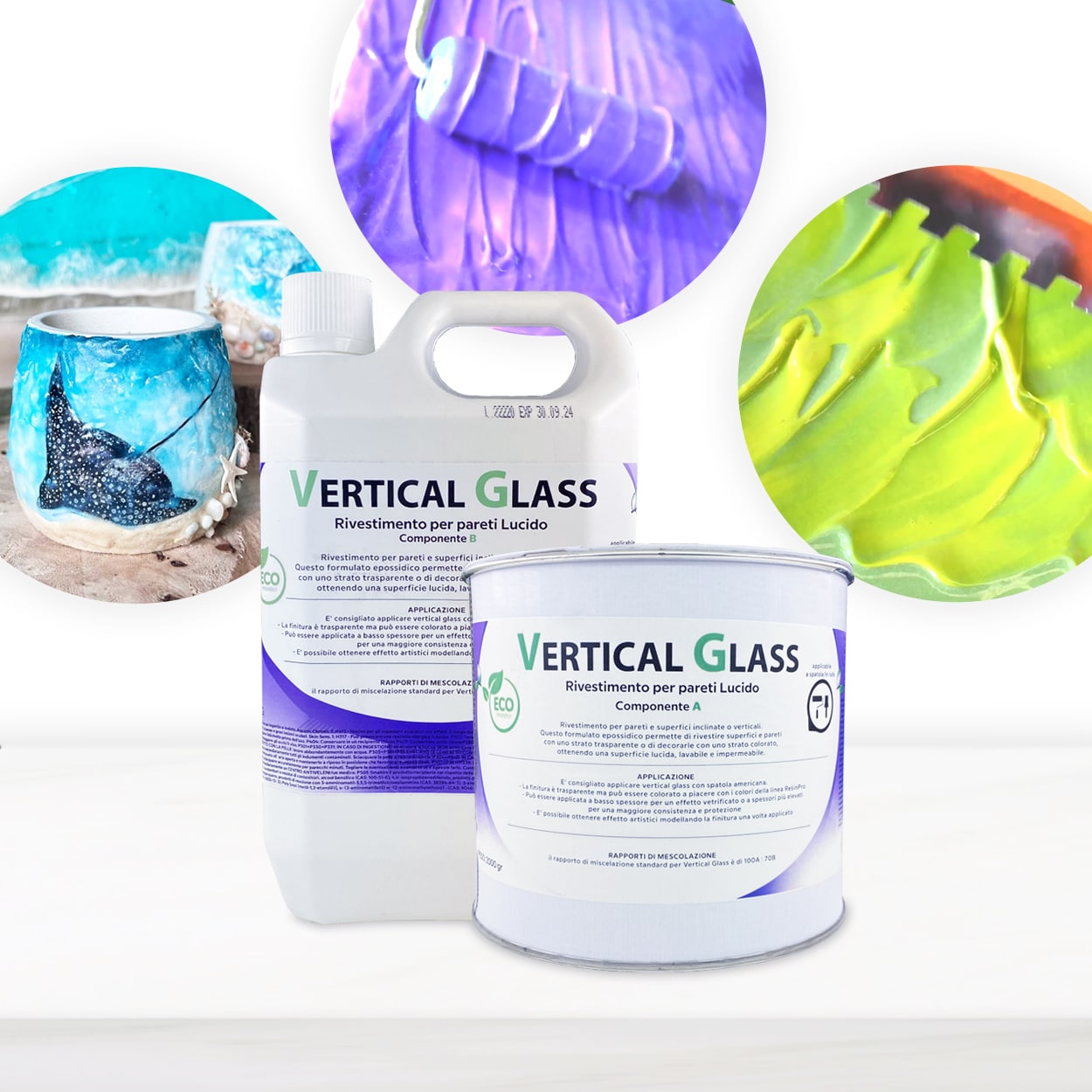 "Vertical Glass" – Thick Resin Decorative Wall CoatingPrice range: £78.95 through £188.95Vertical Glass is a thick resin coating designed for decorative and waterproof protection on vertical and sloping surfaces, including tiles.
Frequently Asked Questions
Is PU or epoxy resin better for tiles?
PU provides greater flexibility and durability for driveable or high-traffic areas; epoxy excels at achieving a high-gloss, decorative finish.
Do I need a primer before applying resin on ceramic tiles?
Yes, a primer ensures the resin adheres securely to smooth or glazed tile surfaces, preventing peeling or delamination.
Can I lay resin on tiles myself?
DIY application is possible with careful preparation, quality products, and adherence to mixing and curing instructions.
How much resin is needed to cover tiles?
Coverage depends on thickness and product used; always check the manufacturer’s guidance for accurate estimates.
Are resin coatings on tiles slip-resistant?
Some resins can be made slip-resistant by adding aggregates or choosing satin/matt finishes; always specify your needs.
Can resin be used on bathroom or kitchen tiles?
Yes, provided the correct product is chosen for moisture resistance and the surface is properly prepared.