 Free shipping on orders over £29,85
  Shipping Tracking!


 Google
 Facebook
how to make a resin and wood ring
Step-by-step guide for a unique resin and wood ring project


Making a resin and wood ring brings together the organic beauty of wood with the vibrancy and versatility of resin. This guide will take you through each stage – from selecting materials and preparing the wood, to pouring and finishing the resin for a professional, striking ring. Whether you are a first-time maker or have some craft experience, you’ll achieve a beautiful, durable result by following these clear instructions.
What You’ll Need
- “Evershine Collection” – Artisan Jewellery Epoxy Resin Kit with 100+ Accessories – All-in-one kit with crystal-clear resin, pigments, findings, and tools.
- “One-2-One” – Epoxy Resin for Handcraft, 1:1 Mixing Ratio – Simple mixing for detailed ring work.
- “ICreation” – Fast Epoxy Resin, 6h Demoulding, Transparent Gloss Finish – Ideal for quick demoulding if time is limited.
- “Icrystal” – Clear Epoxy Resin – Odourless Formula – Up to 1.5cm – Good for working with small ring moulds, clear coatings, or wood surfaces.
- Wood blank (hardwood, fully dried and sanded)
- Ring mould (silicone recommended)
- Protective gloves and mask
- Sandpaper or micromesh (range: 400–3000 grit)
- Polishing compound
- Mixing cups and stirrers
- Small drill and finishing tools (optional for fittings)

Essential tools and resins for wood and resin rings
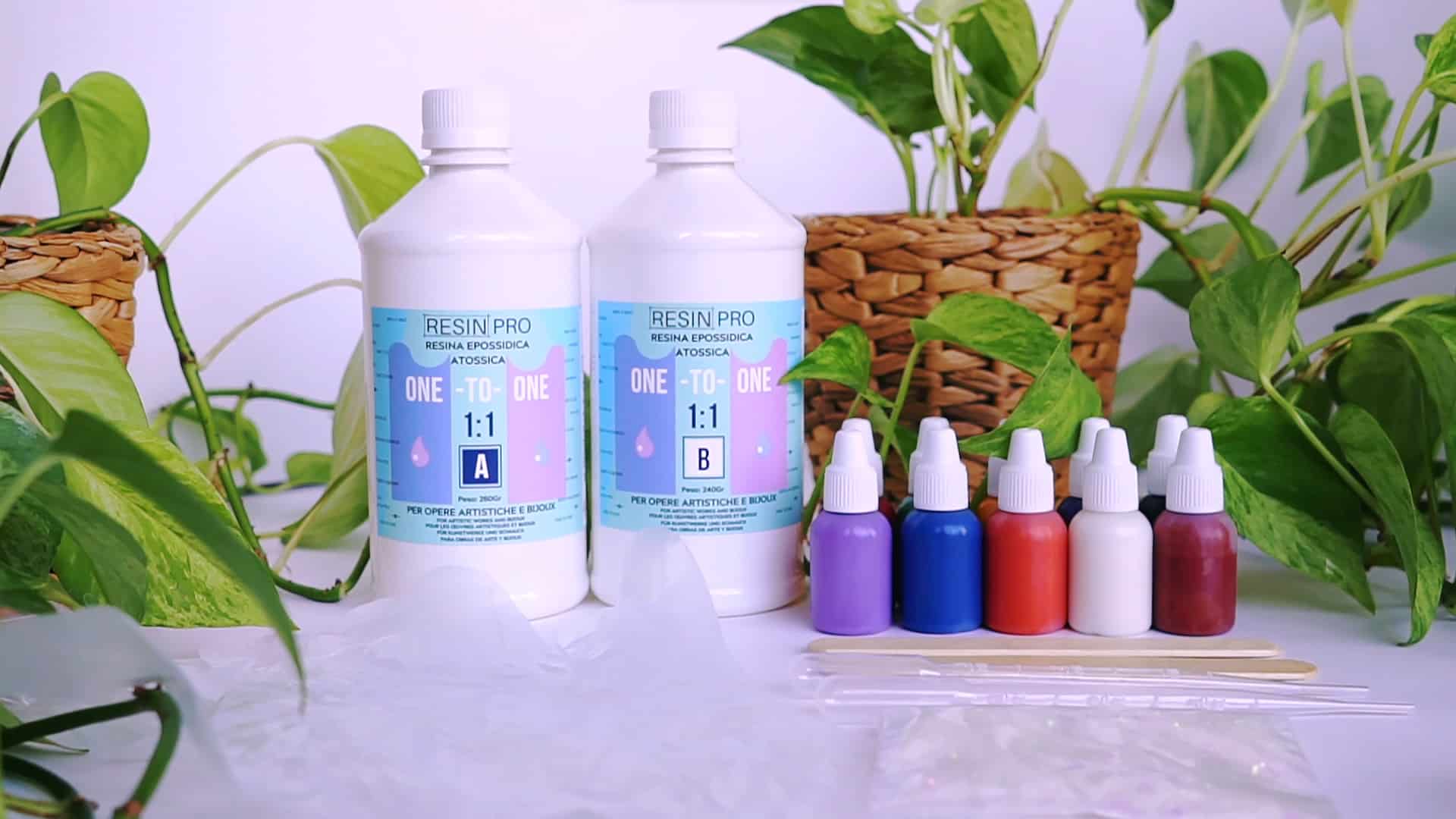
Gather your resin, high-quality wood blank, and protective gear before beginning the project. The right tools and safe workspace set you up for success—use a kit such as the “Evershine Collection” – Artisan Jewellery Epoxy Resin Kit with 100+ Accessories for an all-in-one solution.
Step 1: Select and Prepare Your Wood Blank
The key to a stunning resin and wood ring is starting with high-quality timber. Choose high-quality, properly dried wood to reduce the risk of future splits or movement in the final ring. Cut your blank to fit the mould or desired ring size. Sand the surfaces smooth, focusing on removing any dust, oils, or loose fibres.
For best results, the wood should be dry to the touch – avoid using green or soft wood, which can cause adhesion issues or warping. Some makers pre-seal porous woods with a tiny amount of mixed resin to help prevent bubbles later.
Step 2: Mix and Colour Your Resin
Mix your resin accurately according to the manufacturer’s ratio and instructions. Many jewellers find a 1:1 or easy mixing resin, such as “One-2-One” – Epoxy Resin for Handcraft, 1:1 Mixing Ratio, particularly convenient for small batches and precision work. If you want coloured or opal effects, stir in pigments or dried flowers at this stage, ensuring even distribution.
Mix thoroughly, scraping the sides and bottom of your cup to avoid unmixed resin patches, which can cause soft spots or cloudiness in the final piece.
Step 3: Seal the Wood and Pour the Resin
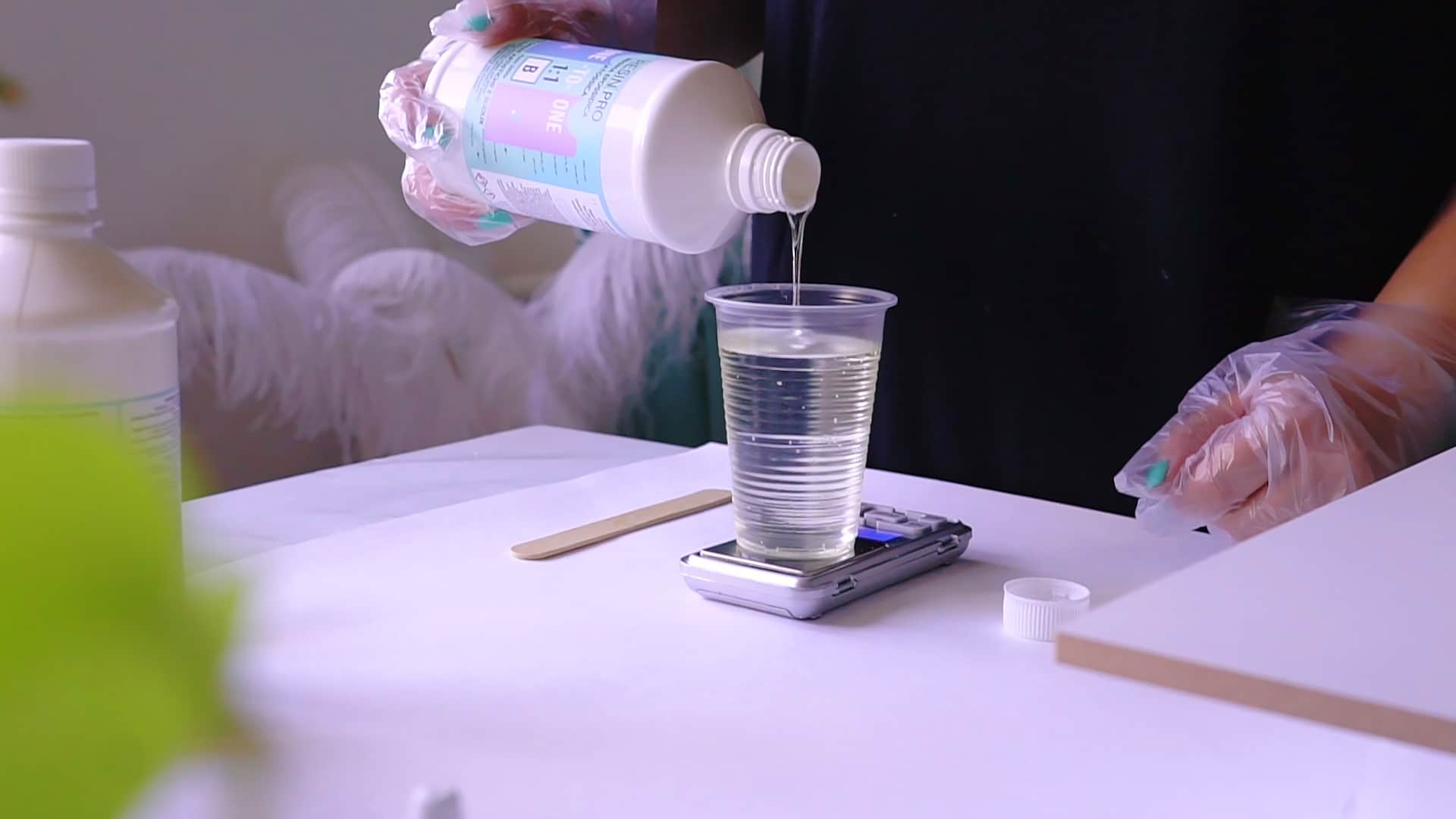
Before the main pour, seal before pouring by brushing a thin coat of resin over the wood. This helps protect against air bubbles being released during the main casting. Let this layer partially cure if possible, then position your wood into the mould.
Slowly pour the resin into the mould around the wood blank. Remove air bubbles as you pour by working in a warm, dust-free environment and, if needed, gently warming the mould or using a heat gun in swift passes.
Options like the “ICreation” – Fast Epoxy Resin, 6h Demoulding, Transparent Gloss Finish are excellent if you want a quick turnaround as it allows removal from the mould within 6 hours. For especially clear or thick pours, “Icrystal” – Clear Epoxy Resin – Odourless Formula – Up to 1.5cm is a reliable choice.
Step 4: Demould and Finish the Ring
Once the resin has fully cured per the product instructions, carefully remove the ring from the mould. Use a fine saw or craft knife if there is excess material or sprues. The ring will likely need shaping and smoothing to achieve a comfortable, attractive fit. Final sanding and polishing are crucial for achieving a glossy, glass-like finish typical of quality resin and wood jewellery.
Start with coarse grits to even the shape, then use progressively finer grits for a silky-smooth surface. Finish by hand-polishing with a suitable paste, or use a rotary tool for a higher shine. The “Evershine Collection” – Artisan Jewellery Epoxy Resin Kit with 100+ Accessories includes mini drills and finishing findings, helpful for adding final touches such as holes or inlays.

Tips and Common Mistakes
- Work in a dust-free, well-ventilated area. Patience during curing avoids fingerprints and dust settling on the resin.
- Mix small amounts of resin to avoid waste and reduce chances of a poor cure, especially for rings and jewellery.
- Always wear gloves; uncured resin can irritate skin.
- Test any resin-pigment combination on a small sample before the main pour if trying a new effect.
- If you encounter persistent bubbles, try warming your resin (within recommended limits) before mixing to reduce viscosity.
Achieving flawless finishes
Polishing brings out the clarity and colour depth in your resin. Use progressively finer abrasives and patience for stunning results. Integrated tools from jewellery kits make adding findings and details easier, ensuring each ring is both beautiful and durable.
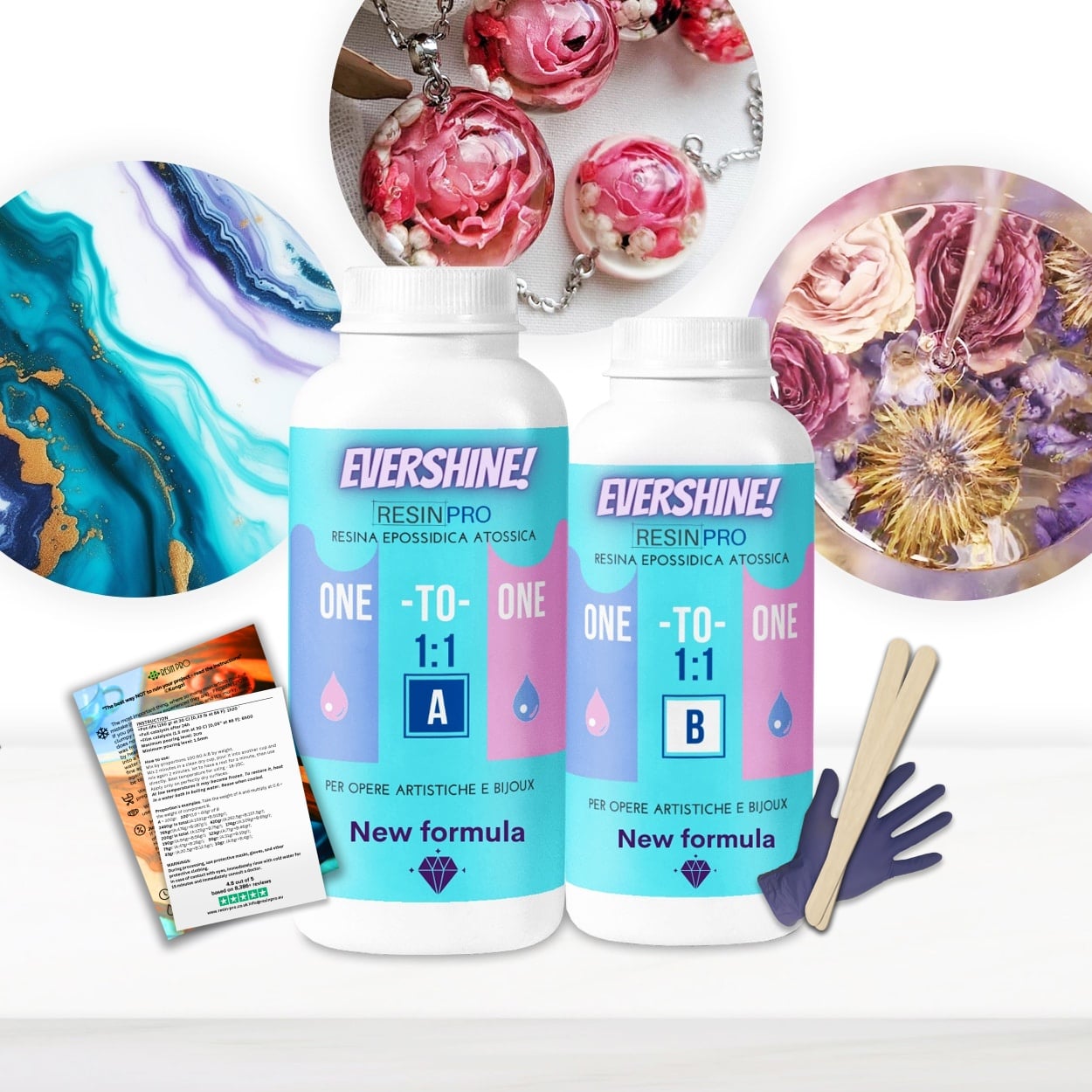
- "Evershine Collection" – Artisan Jewellery Epoxy Resin Kit with 100+ Accessories£20.85Complete epoxy resin kit with 500g high-transparency resin and over 100 accessories, designed for jewellery making in resin and wood crafts.
- "One-2-One" – Epoxy Resin for Handcraft, 1:1 Mixing RatioPrice range: £14.85 through £56.85"One-2-One" is a medium viscosity epoxy resin with an easy 1:1 mixing ratio, suitable for crafting rings with wood and resin under the chosen theme.
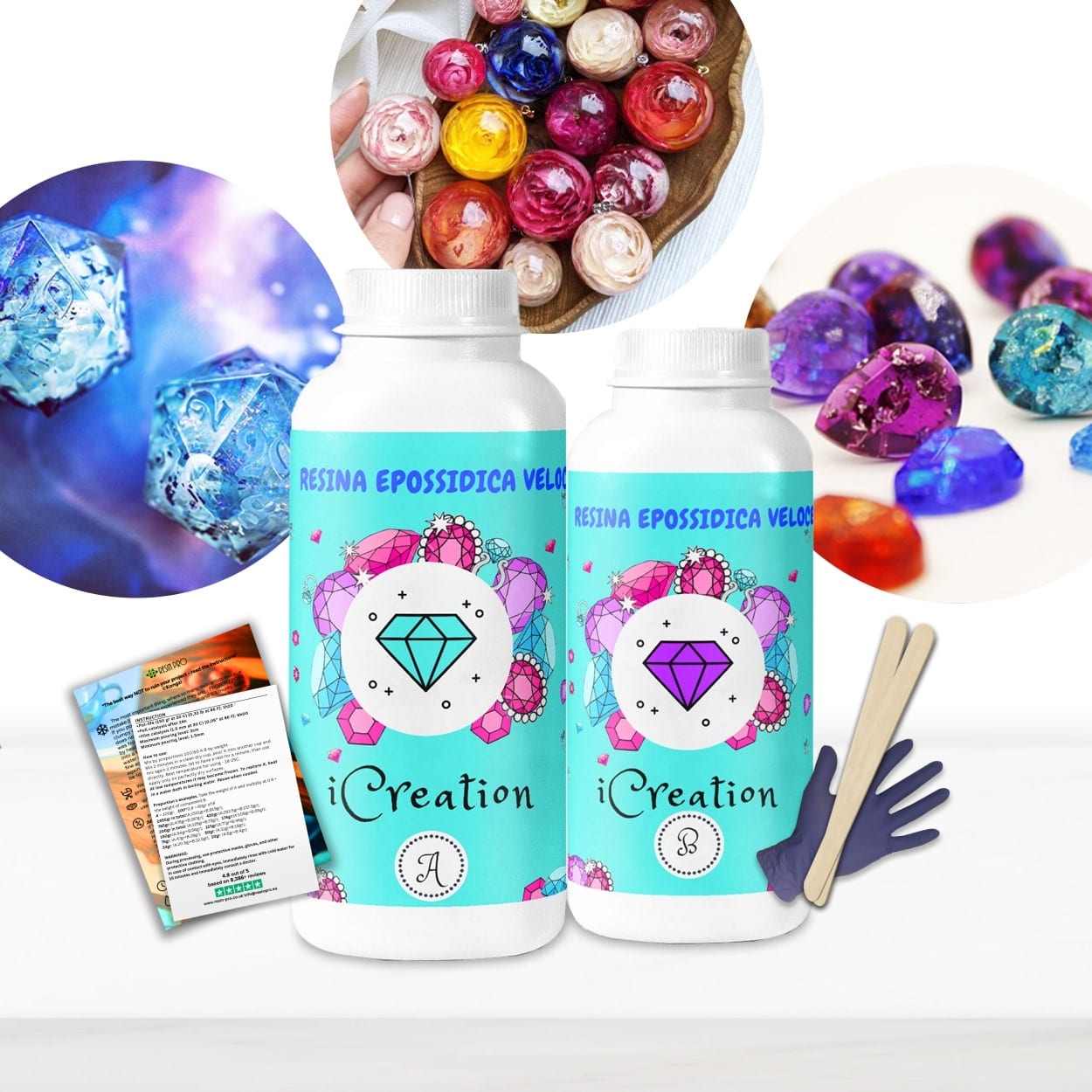 "ICreation" – Fast Epoxy Resin, 6h Demoulding, Transparent Gloss FinishPrice range: £19.40 through £52.85"ICreation" is a fast epoxy resin offering 6-hour demoulding and a clear glossy finish, suitable for jewellery and craft projects.
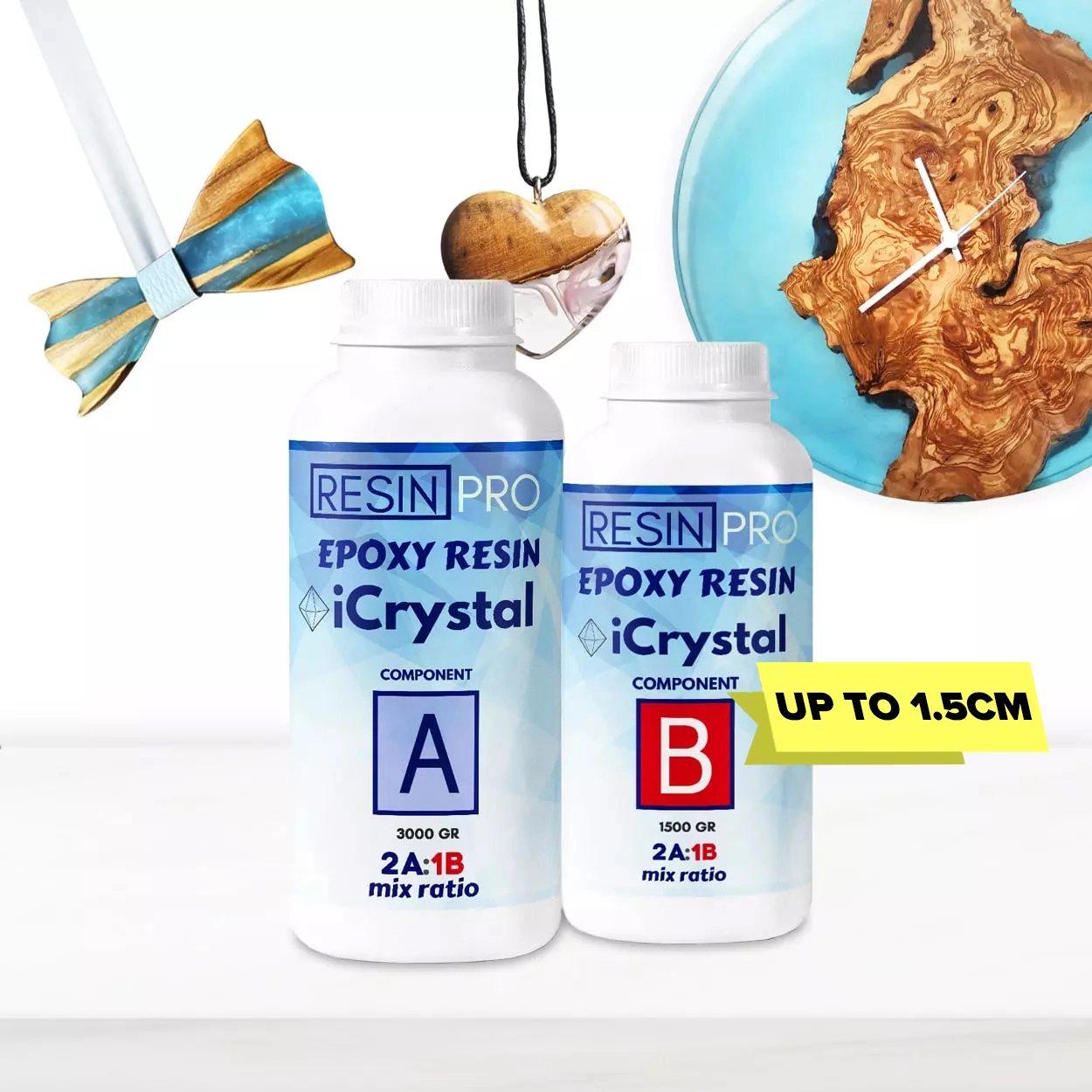 "Icrystal" – Clear Epoxy Resin – Odourless Formula – Up to 1.5cmPrice range: £11.65 through £954.85"Icrystal" Clear Epoxy Resin offers good transparency and ease of use, suitable for various resin and wood ring applications.
Frequently Asked Questions
Do you need special wood for resin rings?
Hardwoods that are fully dried and free of oils or resins work best. Avoid soft, green, or sap-rich woods.
How can I prevent bubbles in my ring?
Seal the wood first and pour resin slowly in a warm room. A quick pass with a heat gun removes surface bubbles.
Which epoxy resin is best for wood rings?
A clear casting resin with a simple mixing ratio is ideal. Kits made for jewellery ensure strong bonds and clarity.
How long should resin cure before demoulding?
Cure times vary from 6 to 24 hours. Always check the product instructions for recommended times and full hardness.
What are key tips for finishing and polishing?
Sand with increasingly fine grits and finish with polishing compound for a flawless, glass-like shine.
Can I add pigments or flowers to my rings?
Yes, use resin-compatible pigments and embed flowers after mixing. Test combinations for best effect before the full pour.