 Free shipping on orders over £29,85
  Shipping Tracking!


 Google
 Facebook
How to Make a Resin Ring
Step-by-step instructions for beginners and crafters at home
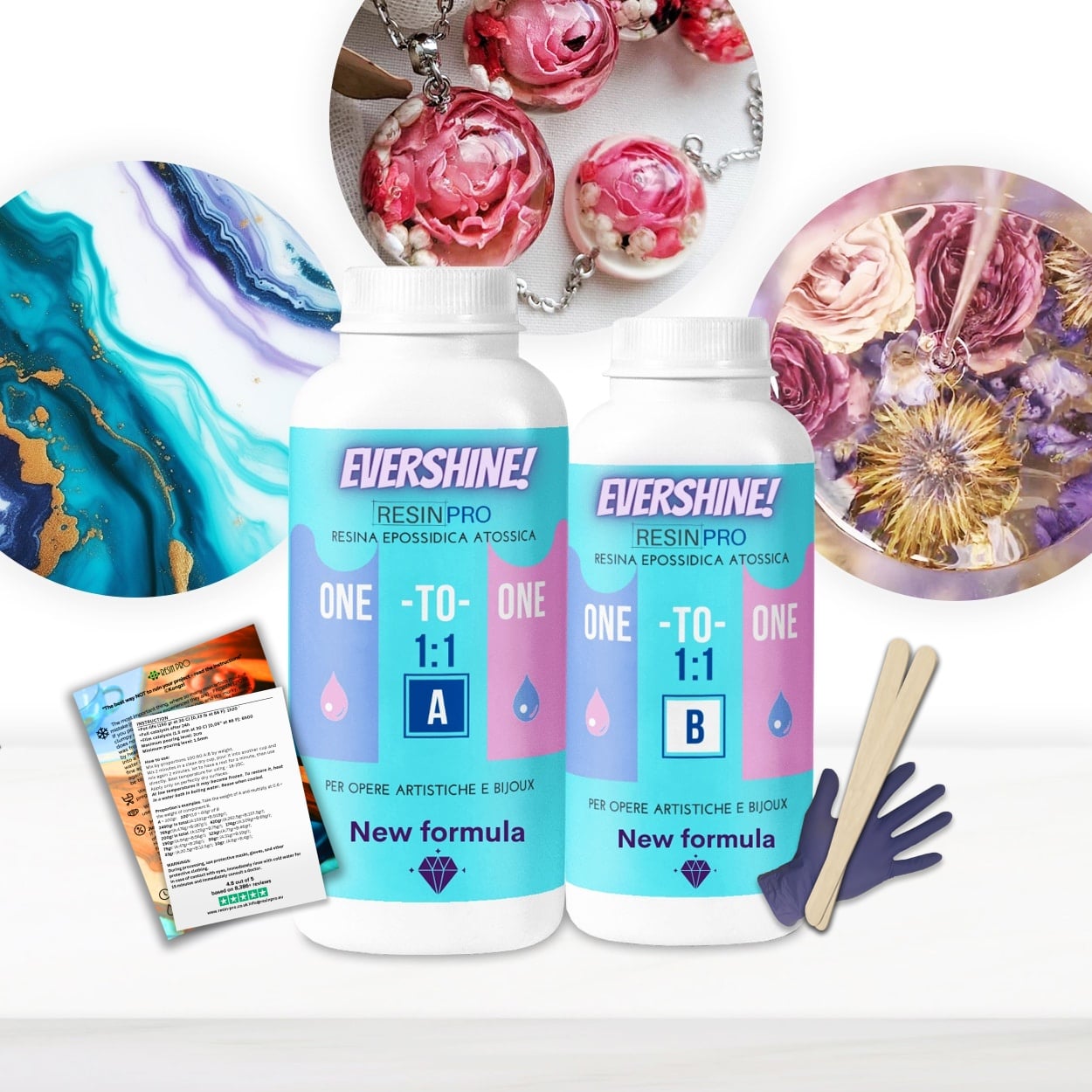

Crafting your own resin ring at home offers endless possibilities for creativity and personal expression. Whether you are new to resin or a seasoned crafter, this guide covers the essential steps, best practice techniques, and handy tips for stunning, durable resin jewellery. Resin rings can be fully customised with colours, flowers, inclusions and finishes—perfect as unique gifts or statement pieces you will love to wear.
What You’ll Need
- “One-2-One” – Epoxy Resin for Handcraft, 1:1 Mixing Ratio (easy, clear resin for most ring projects)
- “Evershine Collection” – Artisan Jewellery Epoxy Resin Kit with 100+ Accessories (all-in-one kit with resin, pigments and moulds for beginners)
- “UV–Creation” – Fast Acrylic Resin, 3 Minute UV Cure (for fast-cure, clear, glossy rings with a UV lamp)
- Set of 10 Open Metal Bezels for Jewellery Making and UV Resin Projects (for open-backed rings or embedded designs)
- Resin ring silicone mould (various sizes)
- Nitrile gloves, mixing sticks, measuring cups
- Optional: pigments, dried flowers, glitter, decorative inclusions, precision drill, fine sandpaper, polishing cloth
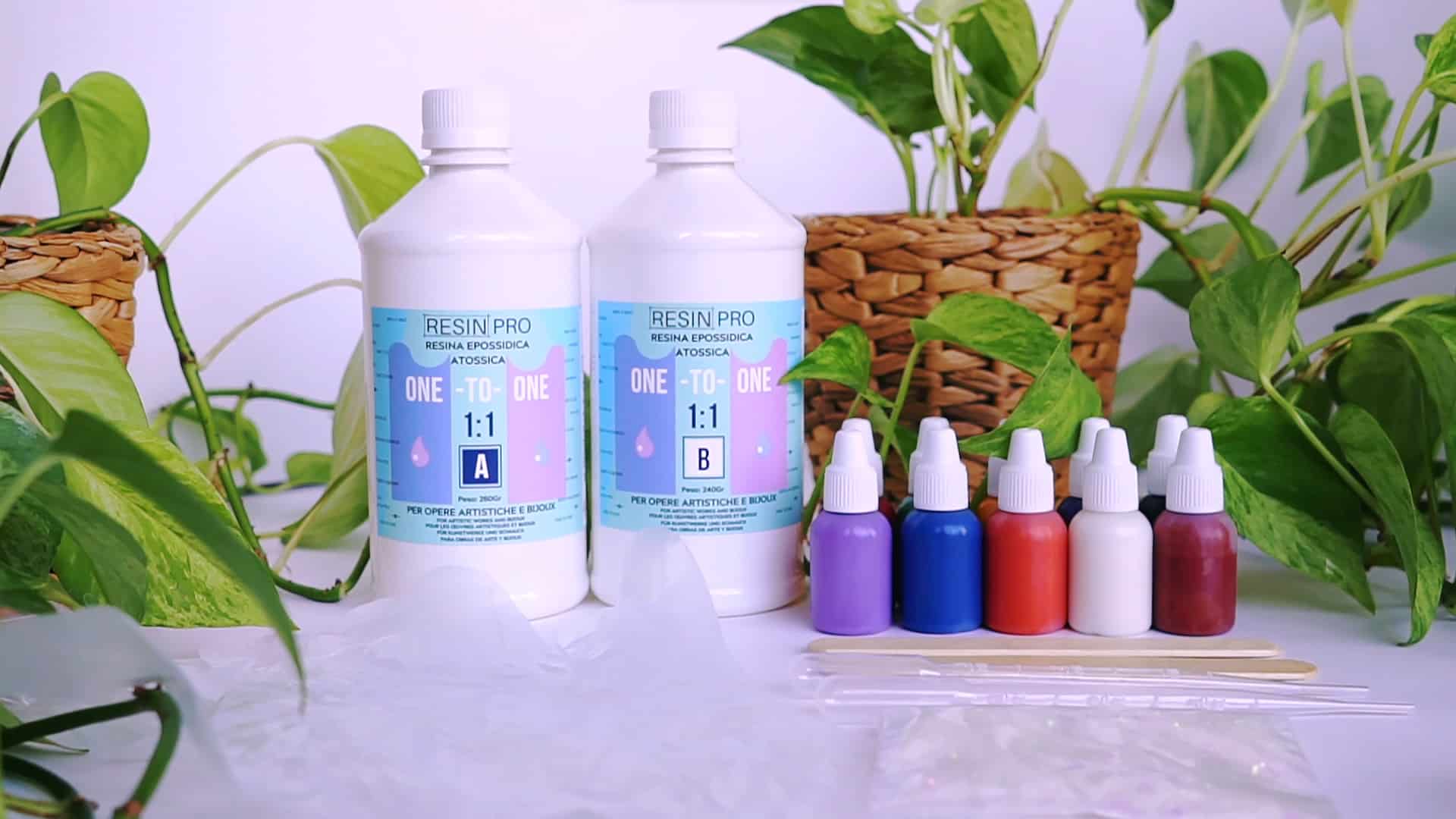
Essential Tools and Materials for Resin Ring Making
For the best results, use dedicated jewellery-grade epoxy resins like “One-2-One” – Epoxy Resin for Handcraft, 1:1 Mixing Ratio or explore easy all-in-one sets such as the “Evershine Collection” – Artisan Jewellery Epoxy Resin Kit with 100+ Accessories. Both options provide outstanding clarity, strength, and customisation opportunities.

Step 1: Plan your design and workspace
Begin by deciding on the look and materials for your resin ring—do you want a transparent effect, dried flowers, coloured swirls or shimmering inclusions? Gather your chosen embellishments and organise everything within reach. Select a silicone ring mould for the correct size and shape. Ensure your work area is well-ventilated, flat, and lined with protective material to catch drips and spills. Wear gloves and old clothing to avoid contact with uncured resin.
Plan your design and workspace carefully to make the process smooth and enjoyable. Clean any moulds or bezels thoroughly to prevent dust or residue from spoiling your final result.
Step 2: Prepare and mix your resin
Read the instructions for your chosen resin carefully. For standard projects, “One-2-One” – Epoxy Resin for Handcraft, 1:1 Mixing Ratio is easy for beginners, as you simply combine equal parts of resin and hardener by volume. Pour both parts into a clean mixing cup and stir slowly for at least three minutes, scraping the sides and bottom to ensure a thorough mix. Avoid vigorous stirring, which can introduce unwanted bubbles.
You may add pigments, glitters, or dried flowers at this stage, making sure any additions are dry and free from moisture. If you prefer a complete solution with tools and colours, the “Evershine Collection” – Artisan Jewellery Epoxy Resin Kit with 100+ Accessories streamlines mixing and provides extra creative materials.
Step 3: Mould and pour the resin ring
Once mixed, carefully pour the resin into your chosen silicone ring mould or gently fill an open bezel. Use a toothpick or stirring stick to distribute the resin into tight corners and around any embedded objects, ensuring there are no trapped air pockets. Do not overfill; leave a little space for the resin to level off. For extra speed, “UV–Creation” – Fast Acrylic Resin, 3 Minute UV Cure allows you to dispense resin directly into the mould without mixing and cure with a UV lamp in just a few minutes.
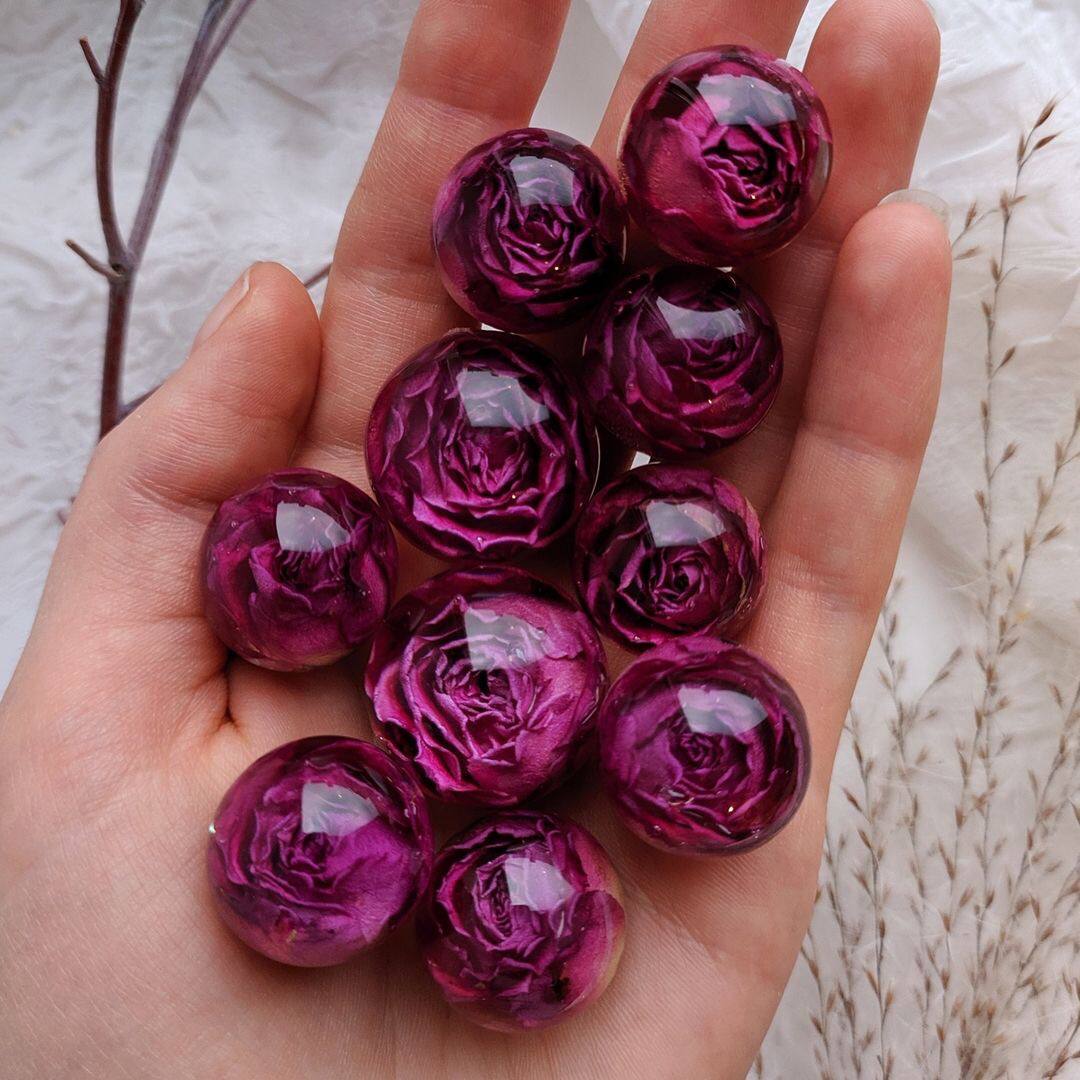
You can layer different colours of resin to create gradients or add items in stages, allowing each layer to partially set before adding the next. This gives crisp, defined effects and helps avoid materials sinking to the bottom.
Step 4: Curing and demoulding
Allow the resin to cure as per manufacturer instructions. Standard 1:1 epoxy resins may take 24–48 hours to fully cure, while UV resin can be cured in about 3 minutes under a suitable lamp. Do not rush demoulding: let your resin cure thoroughly for a firm, scratch-resistant finish. Carefully remove the ring from the mould or bezel when completely set.
If the ring feels tacky, leave it for a few more hours in a dust-free environment. Be gentle to avoid damaging any details or embedded inclusions.
Step 5: Finishing touches and decoration
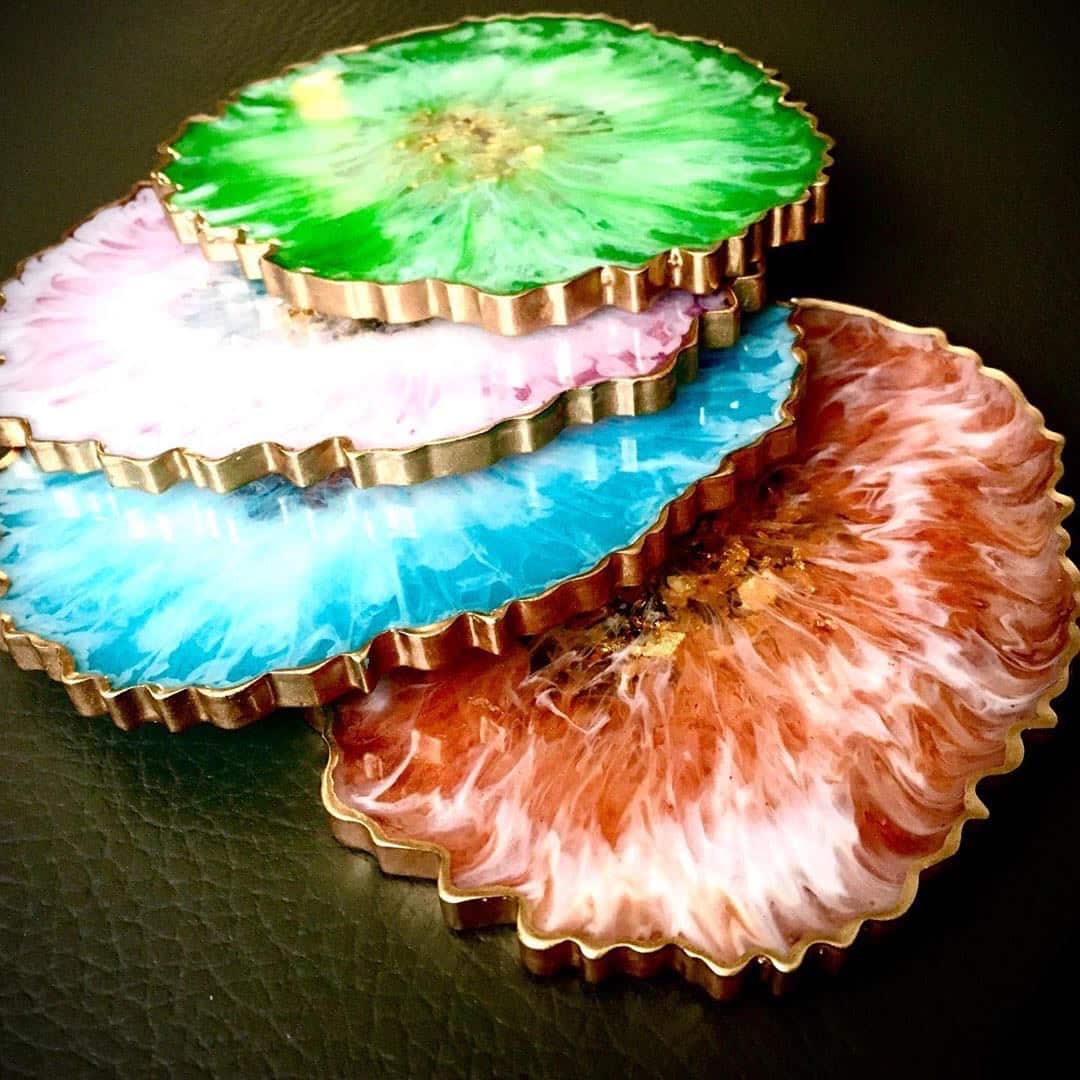
Inspect your resin ring closely for sharp edges, rough patches or uneven surfaces. Lightly sand any imperfections with fine-grit sandpaper. For a brilliant shine, polish the ring with a soft, clean cloth. Use a precision hand drill to add holes or findings for attaching charms, if desired. Adding extra layers or details, such as gold leaf or paint, can transform your piece into a one-of-a-kind accessory.
Finishing touches and decoration may involve experimenting with different techniques. Always let any added topcoat cure fully before wearing.
Tips, Common Mistakes and Troubleshooting
- Prevent bubbles by mixing slowly and steadily; use a toothpick to tease out any visible bubbles before curing.
- If you overfill the mould, carefully trim excess resin with a craft knife once cured.
- Work in a dust-free environment to achieve the best clarity and finish.
- If using embedded items, ensure they are completely dry so moisture does not interfere with curing.
- If the ring does not cure properly, check ratios and curing times—incorrect measurements are a common cause of soft or sticky results.
Creative Inspiration for Resin Ring Designs
Experiment by embedding colourful dried flowers, metallic leaf, or unique pigments within your resin rings. Mould shapes, layering techniques and bezel settings open up new avenues for personalised and professional jewellery styling. For quick projects, “UV–Creation” – Fast Acrylic Resin, 3 Minute UV Cure works beautifully for instant-cure decorative rings.
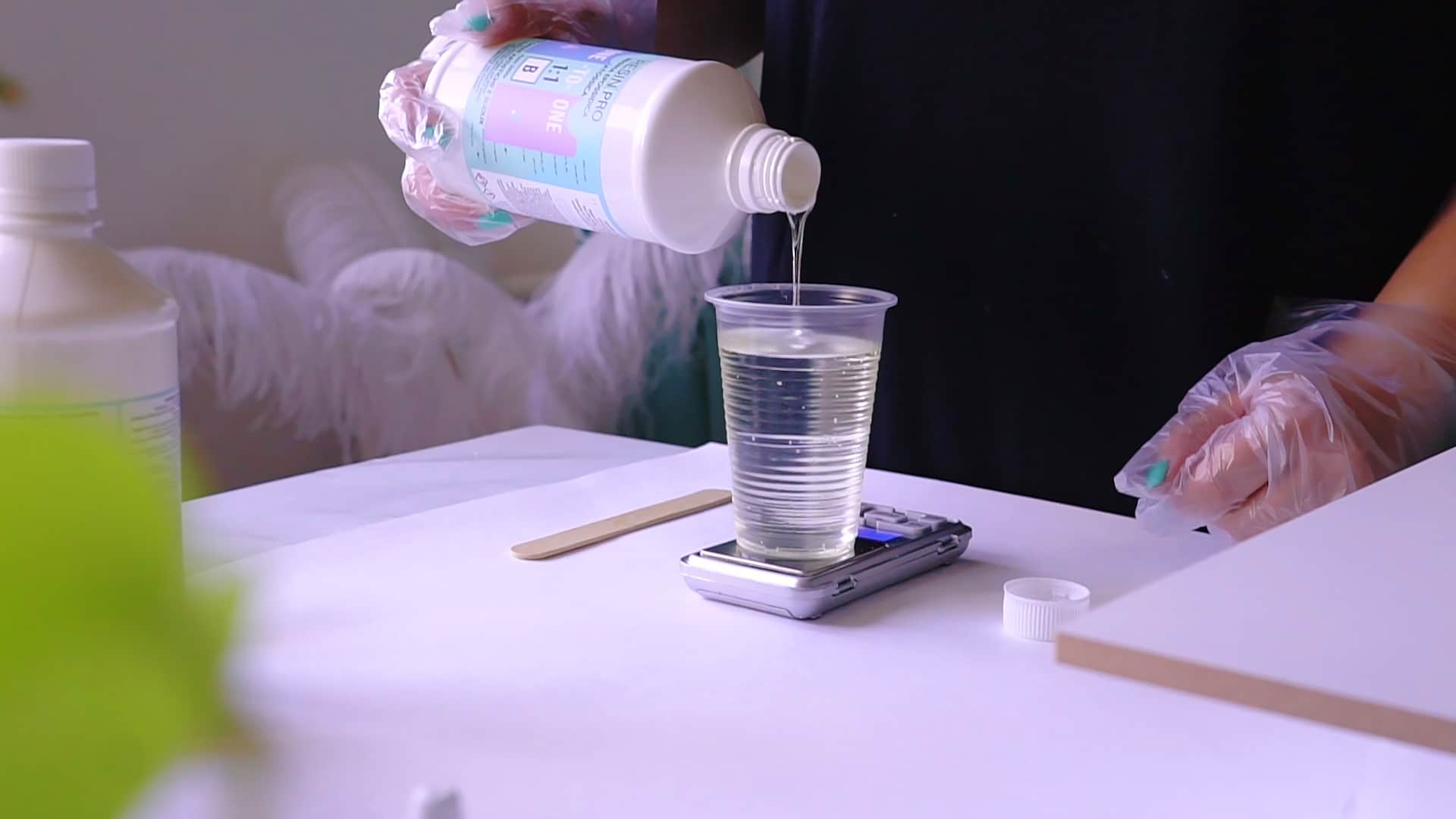
- "One-2-One" – Epoxy Resin for Handcraft, 1:1 Mixing RatioPrice range: £14.85 through £56.85"One-2-One" epoxy resin is a medium viscosity, non-toxic resin designed for handcrafts requiring ease of use and clear, glossy finishes.
- "Evershine Collection" – Artisan Jewellery Epoxy Resin Kit with 100+ Accessories£20.85The Evershine Collection kit is designed for jewellery makers and craft enthusiasts with 500g of clear epoxy resin and over 100 accessories.
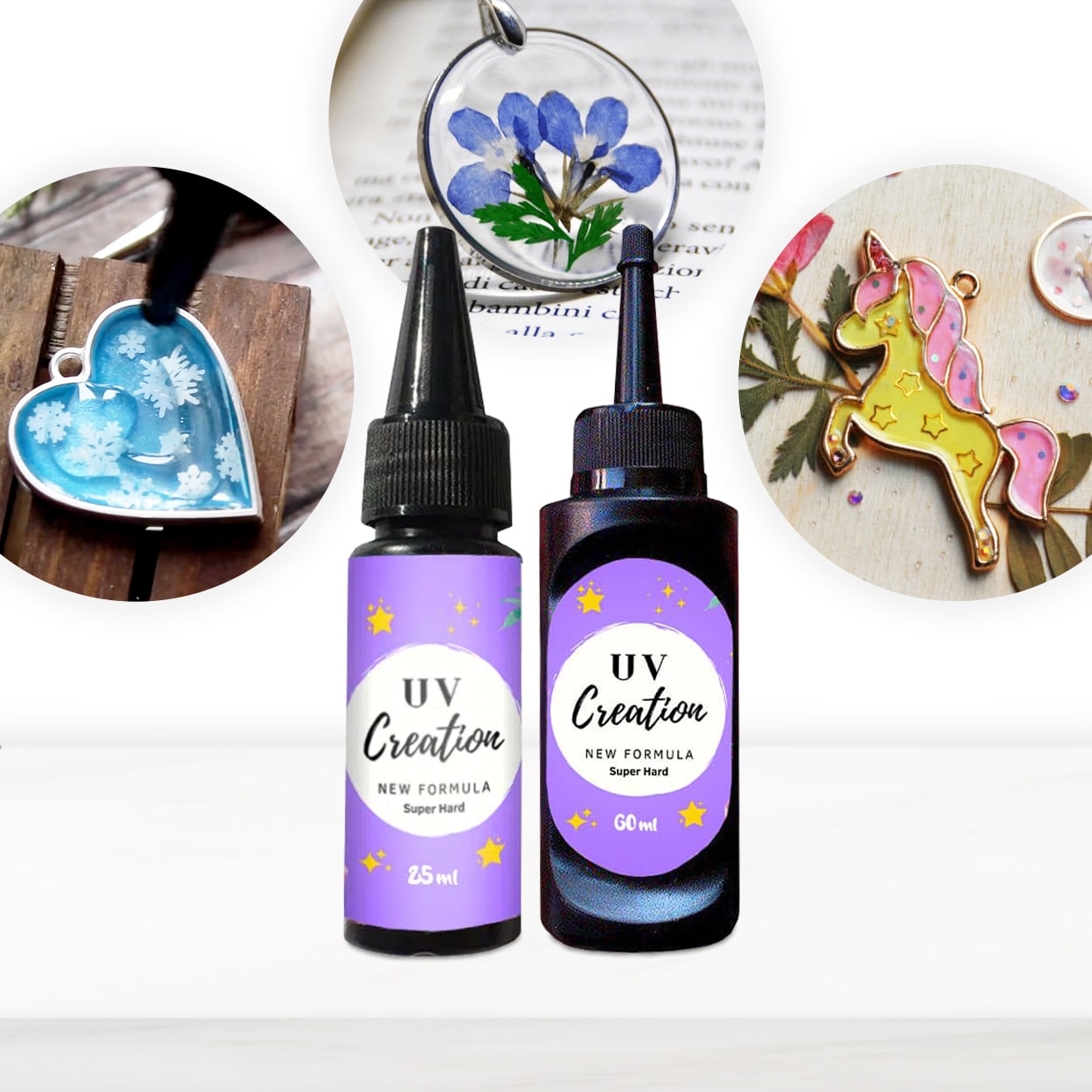 "UV–Creation" – Fast Acrylic Resin, 3 Minute UV CurePrice range: £7.85 through £59.85"UV–Creation" is a fast-curing UV resin designed for clear, glossy jewellery finishes within minutes.
 Set of 10 Open Metal Bezels for Jewellery Making and UV Resin ProjectsOriginal price was: £8.45.£6.85Current price is: £6.85.Set of 10 open metal bezels suitable for Christmas jewellery making and UV resin projects.
Frequently Asked Questions
What type of resin is best for making resin rings?
Jewellery-grade epoxy resins like "One-2-One" or specialist UV-cured resins are recommended for excellent clarity and durability.
How long does it take to cure a resin ring?
Epoxy resin rings need 24–48 hours to fully cure, while UV resins set in just a few minutes using a UV lamp.
How do I prevent bubbles in my resin ring?
Mix resin slowly, pour carefully, and use a toothpick to gently remove surface bubbles before curing.
Can I embed flowers or objects inside my resin ring?
Yes, dry objects can be added for decoration. Make sure all inclusions are moisture-free before embedding.
How do I achieve a glossy finish on my resin ring?
Carefully polished rings or those made with high-quality resin will have a glossy finish. Sand and buff for extra shine if needed.
What should I do if my resin ring is sticky or soft?
Allow more curing time. Sticky resin often results from incorrect mixing or incomplete curing; ensure ratios and timings are followed.
Is resin jewellery safe to wear on skin?
Fully cured, non-toxic jewellery resins are safe. Always cure resin completely and never wear uncured or sticky pieces.
Can resin rings withstand daily wear?
Quality resin rings are durable for regular use, but it's best to keep them away from harsh chemicals and prolonged water exposure.