 Free shipping on orders over £29,85
  Shipping Tracking!


 Google
 Facebook
How to make a resin shower?
Step-by-step guide for seamless, modern wet room surfaces
Building a resin shower allows you to achieve modern, seamless walls and floors with a highly durable, waterproof finish. This guide walks you through each stage of the process—from surface prep to final topcoat—so you can confidently create a bespoke wet room or upgrade your existing space. Whether you are a renovator, DIY enthusiast, or contractor, you’ll learn exactly how to use epoxy resins for stylish, functional shower areas built to last.
What You’ll Need
- “Stone Effect Collection” – Marble Epoxy Resin Countertop Kit: Comprehensive kit for durable, decorative stone effects perfect for wet areas.
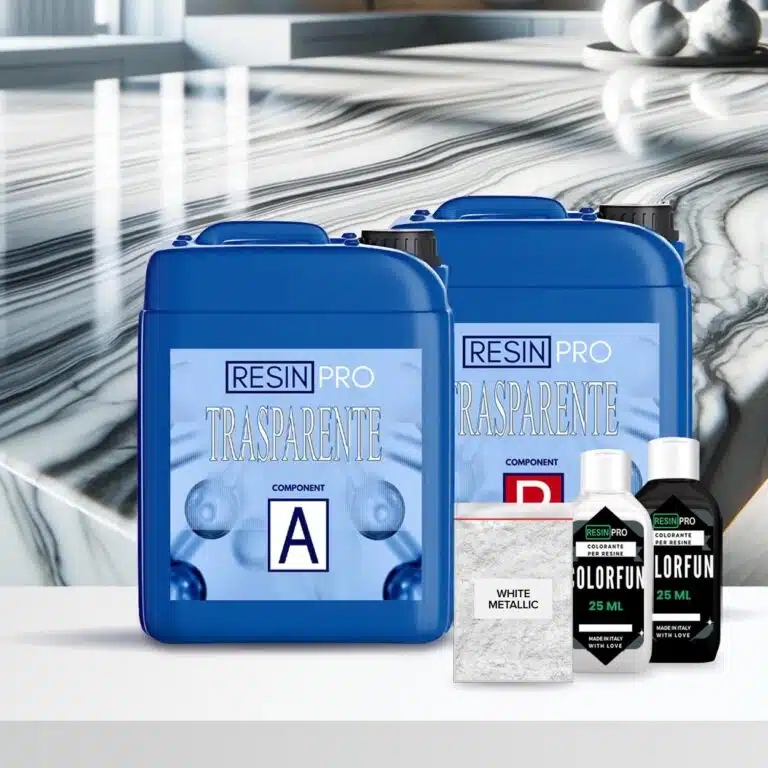
- “Trasparente” – Multipurpose Clear Epoxy Resin for Casting – Up to 2cm: Clear, self-levelling resin for seamless waterproof surfaces.
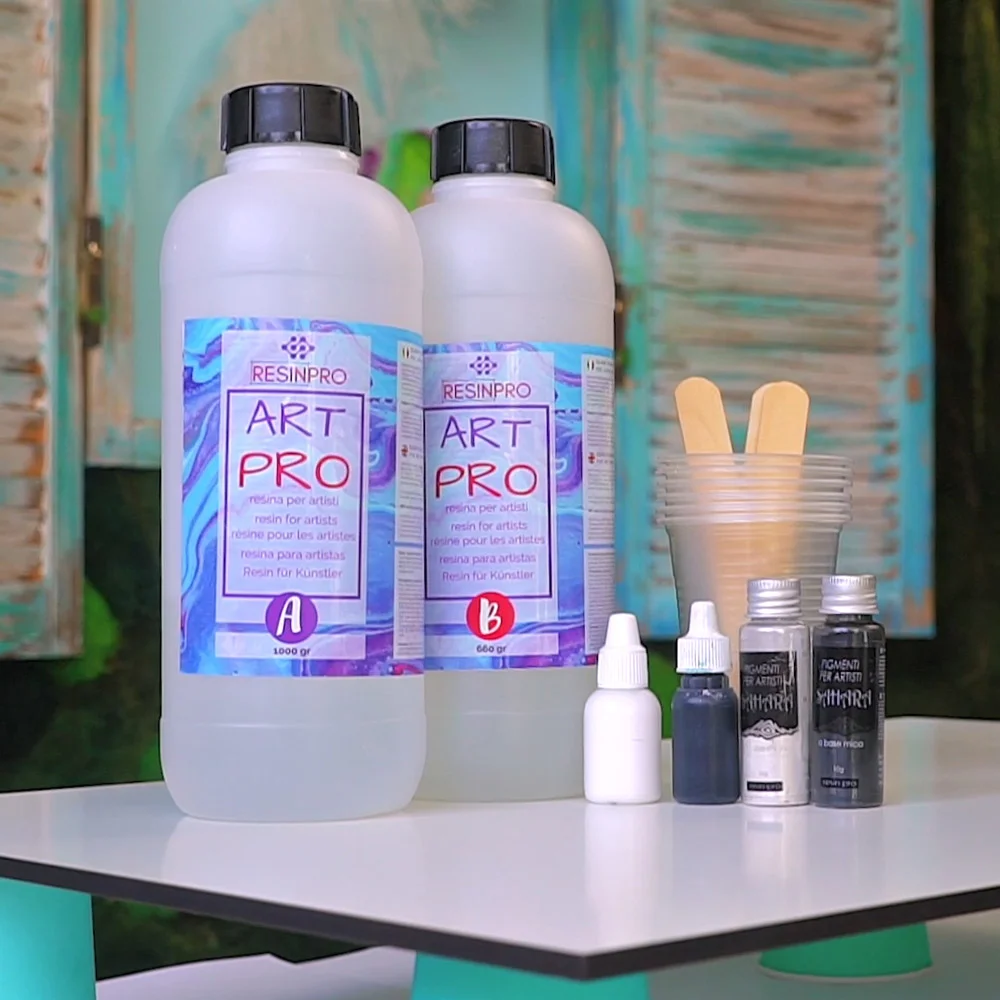
- “Art Pro” – Clear Epoxy Resin for Artists and Surface Coating: Ideal for decorative shower accents or feature niches.
- “Icrystal” – Clear Epoxy Resin – Odourless Formula – Up to 1.5cm: Transparent, odourless resin for wall or small floor coatings.
- Rollers, straight-edged trowel, mixing buckets, measuring jugs.
- Protective gloves, goggles, and overalls.
- Clean-up materials: masking tape, lint-free cloths, and spirit or cleaning alcohol.
Visual Inspiration: Resin Showers in Contemporary Homes
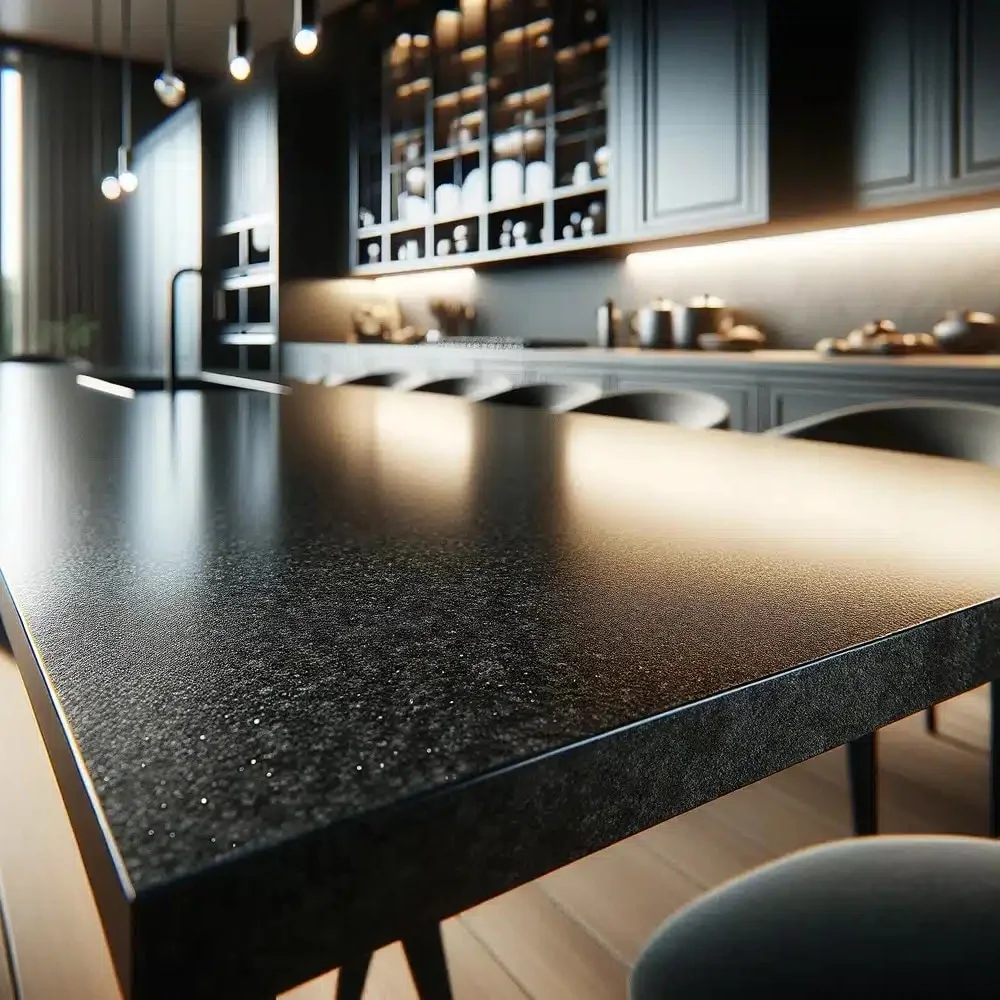
Curious about finished results? See how homeowners and designers use resin systems to create seamless wet room walls and stunning shower trays. The wide range of surface effects, from high-gloss marble to understated crystal clarity, is perfect for modern bathrooms and bespoke renovations.
Step 1: Prepare and Prime the Substrate
Start by ensuring your shower base and walls are perfectly clean, dry, and structurally sound. Remove any dust, grease, old coatings, or flaky paint. For the best adhesion, lightly sand any glossy surfaces and vacuum up all debris. If tiling has been removed, repair any hollows or cracks. It’s essential to mask surrounding areas before proceeding, and to use a suitable primer if recommended by your chosen resin system. Check your substrate is structurally sound and thoroughly clean.
Step 2: Mix and Apply the Epoxy Base Layer
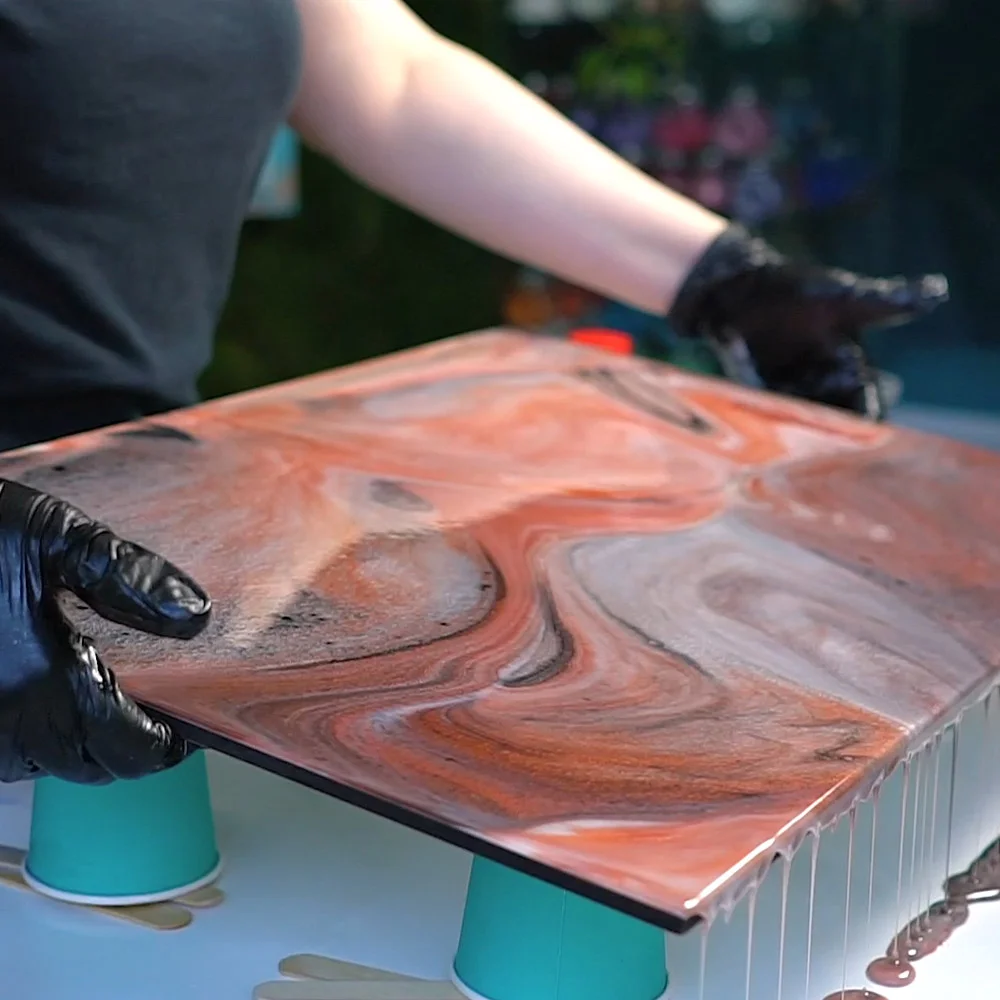
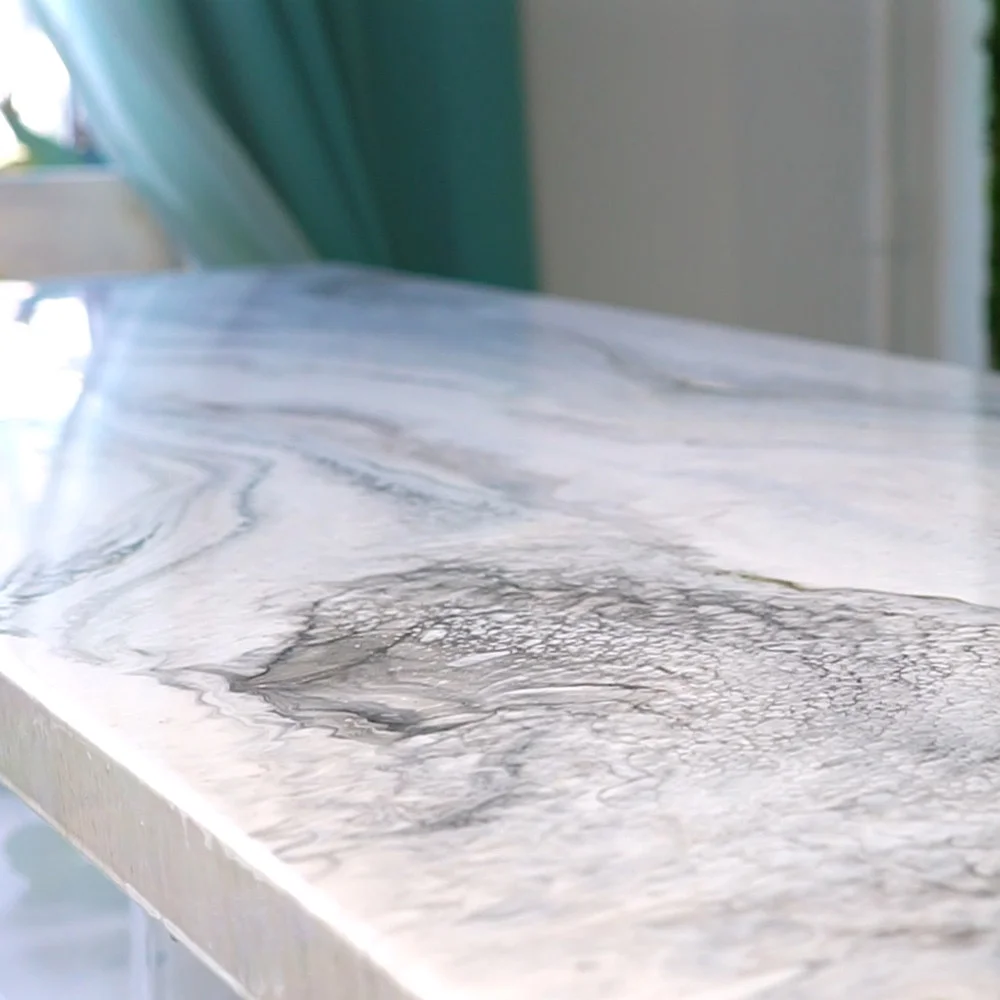
Measure and mix your epoxy resin strictly according to the product’s instructions. For large, decorative surfaces, the “Stone Effect Collection” – Marble Epoxy Resin Countertop Kit offers an all-in-one solution with pigmented effects perfect for wet rooms and bespoke stone looks. Use a roller or notched trowel to spread the mixed resin evenly, working systematically from one end of the shower area to the other to avoid overlapping lines. Allow each coat to self-level. Avoid walking on wet resin or touching freshly applied surfaces.
Step 3: Build Up Thickness with Additional Layers
Once the base layer has fully cured (this may take 12–24 hours), additional coats can be applied as needed for durability and finish. Ensure each layer is poured within the recommended thickness for your selected resin—e.g., up to 2cm with “Trasparente” – Multipurpose Clear Epoxy Resin for Casting, or up to 1.5cm with “Icrystal” – Clear Epoxy Resin – Odourless Formula. Lightly abrade between coats for best adhesion, if advised by the manufacturer. Allow proper curing time for each resin layer.
Step 4: Finishing, Detailing and Waterproofing
For extra visual impact or to incorporate creative features such as coloured veins or accents, use an artist-grade resin like “Art Pro” – Clear Epoxy Resin for Artists and Surface Coating to highlight niches or unique wall details. When all coats have hardened, inspect for surface defects or bubbles and sand gently if required. Remove masking tape while the final layer is still slightly tacky for a crisp edge. Let the full resin system cure as per instructions before subjecting to moisture.

Pro Tips and Troubleshooting
Work in a dust-free, ventilated environment. Temperature and humidity can affect curing—resins perform best between 18–25°C, out of direct sunlight. Never pour layers thicker than specified for your chosen product. Trapped bubbles can be removed with a heat gun, but avoid overworking. Surface preparation is key to long-lasting adhesion. Take ample time at each stage and always use personal protective equipment.
Application Details and Real-World Results
Each resin system has its own pouring thickness guidelines and finishing nuances. Professional installers and experienced DIYers agree: patience, precise measuring, and good surface prep deliver faultless, hardwearing results. Consider anti-slip grit in floor layers for increased safety in wet zones.
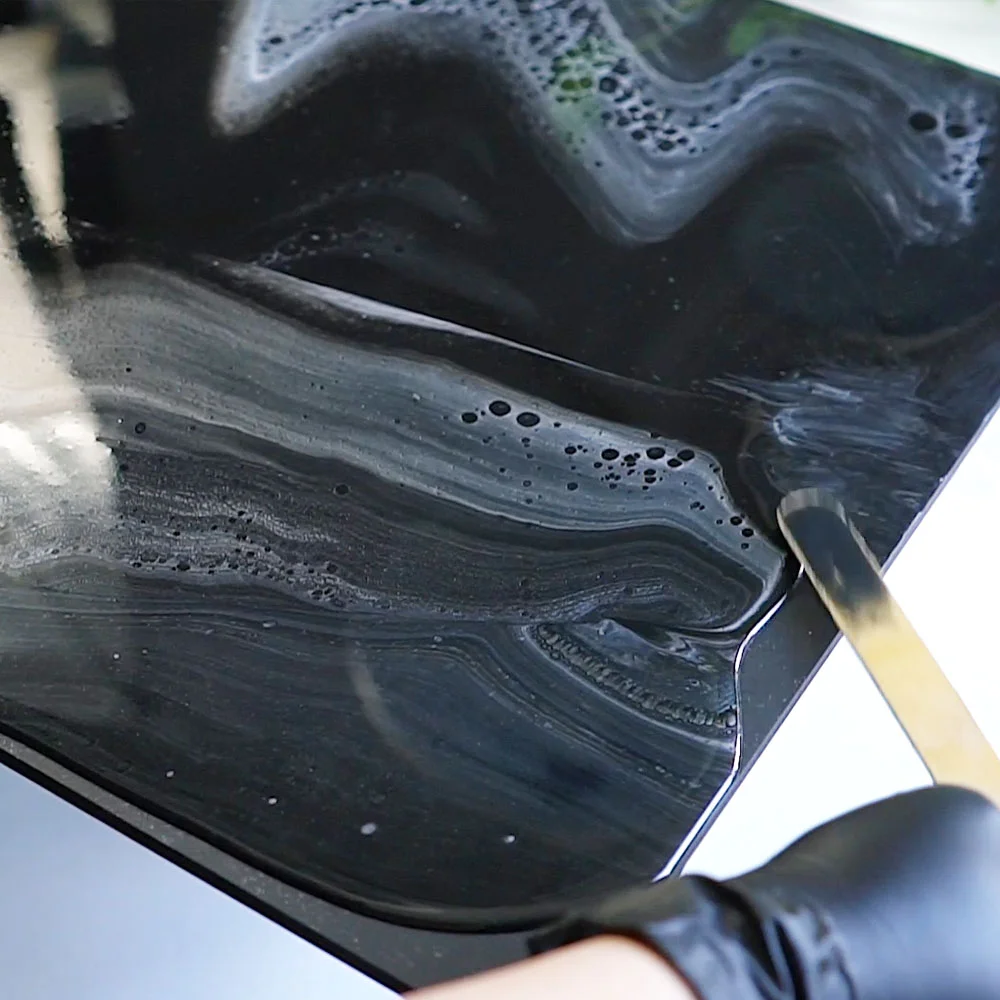
- "Stone Effect Collection" – Marble Epoxy Resin Countertop KitPrice range: £57.95 through £272.95"Stone Effect Collection" delivers professional marble and stone effects with a durable, scratch-resistant finish, suitable for kitchens and…
- "Trasparente" – Multipurpose Clear Epoxy Resin for Casting – Up to 2cmPrice range: £8.95 through £397.95The "Trasparente" epoxy resin provides an ultra-clear, self-levelling finish suitable for detailed castings and woodworking projects.
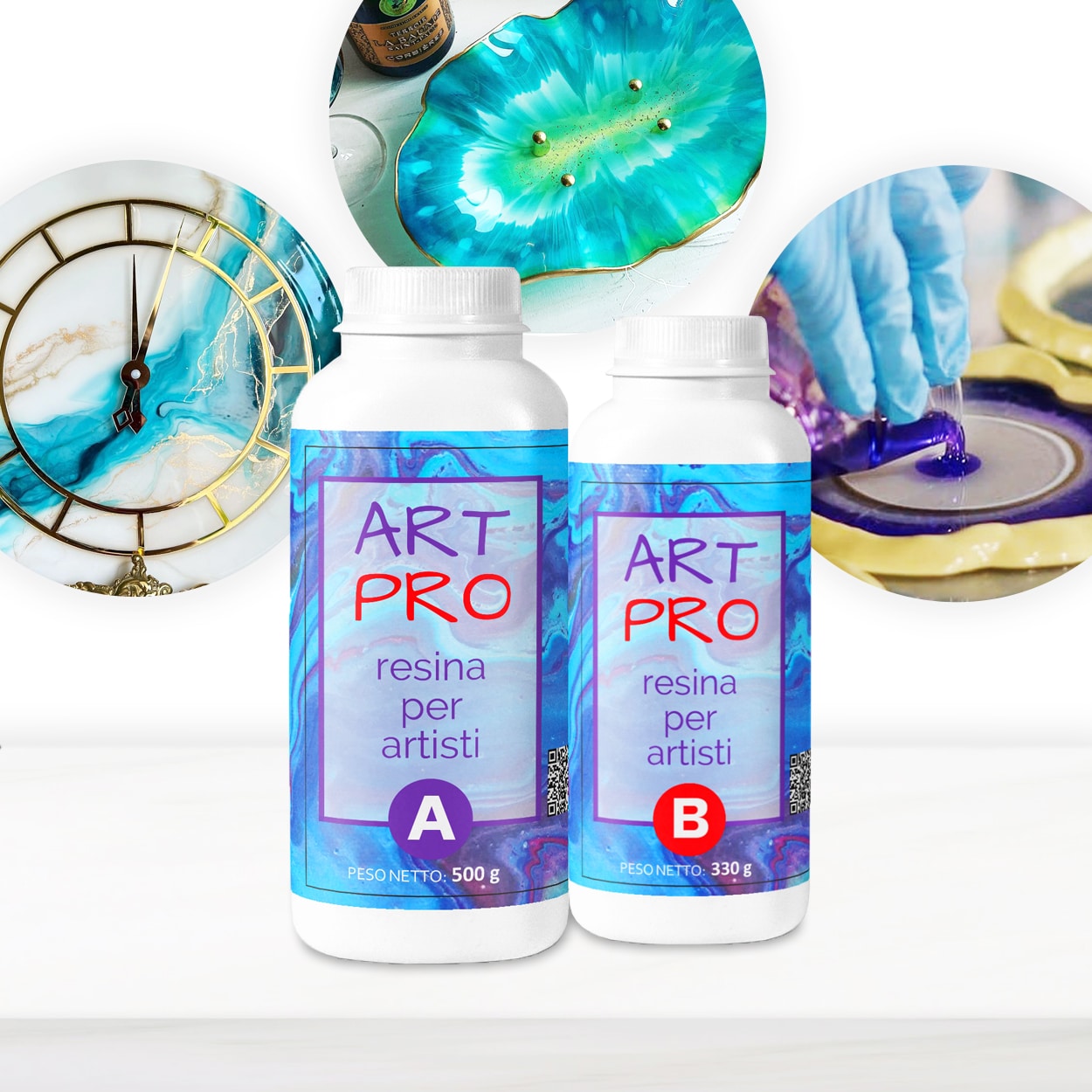 "Art Pro" – Clear Epoxy Resin for Artists and Surface CoatingPrice range: £19.95 through £267.95Art Pro is a clear epoxy resin designed for artists and crafters, suitable for precise surface coatings with good durability and UV protection.
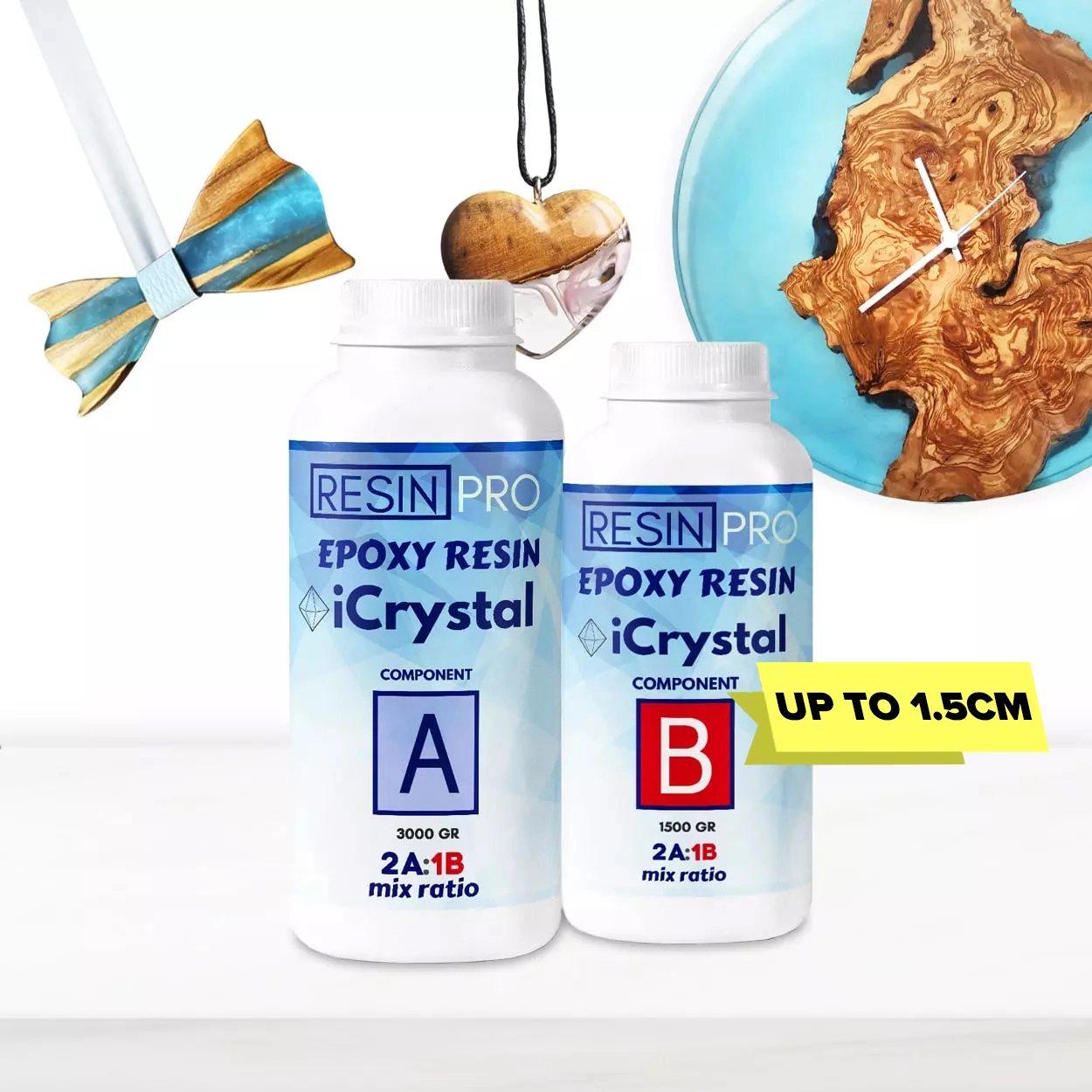 "Icrystal" – Clear Epoxy Resin – Odourless Formula – Up to 1.5cmPrice range: £12.45 through £341.45"Icrystal" clear, odourless epoxy resin with high scratch resistance, suitable for tables and surfaces in resin shower applications.
Frequently Asked Questions
Is epoxy resin suitable for daily-use showers?
Yes. Properly applied and cured epoxy resin creates a non-porous, waterproof surface that withstands daily steam and splashes.
What shower surfaces can be coated with resin?
Most sound substrates, such as tile, concrete, or cement board, can be coated if well cleaned and primed for adhesion.
How long does a resin shower need to cure before use?
Allow a minimum of 48–72 hours for resin layers to cure fully. Always consult the product label for precise timing.
How thick should each layer of resin be poured?
Never exceed the manufacturer’s guidance—typically 1.5–2cm per pour. Thicker pours risk overheating and bubbles.
Are resin showers slippery when wet?
Smooth resin can be slippery. Add anti-slip grit to the final floor coat or choose a textured finish for safety.
How do you repair scratches on a resin shower?
Light scratches can be buffed or recoated with a thin layer of compatible resin once surfaces are clean and dry.
Will resin yellow or stain in a shower environment?
High-quality epoxy with UV protection resists yellowing. Maintain regular cleaning to avoid soap residue stains.