 Free shipping on orders over £29,85
  Shipping Tracking!


 Google
 Facebook
How to make a resin sink?
Step-by-step resin sink casting for stunning home projects

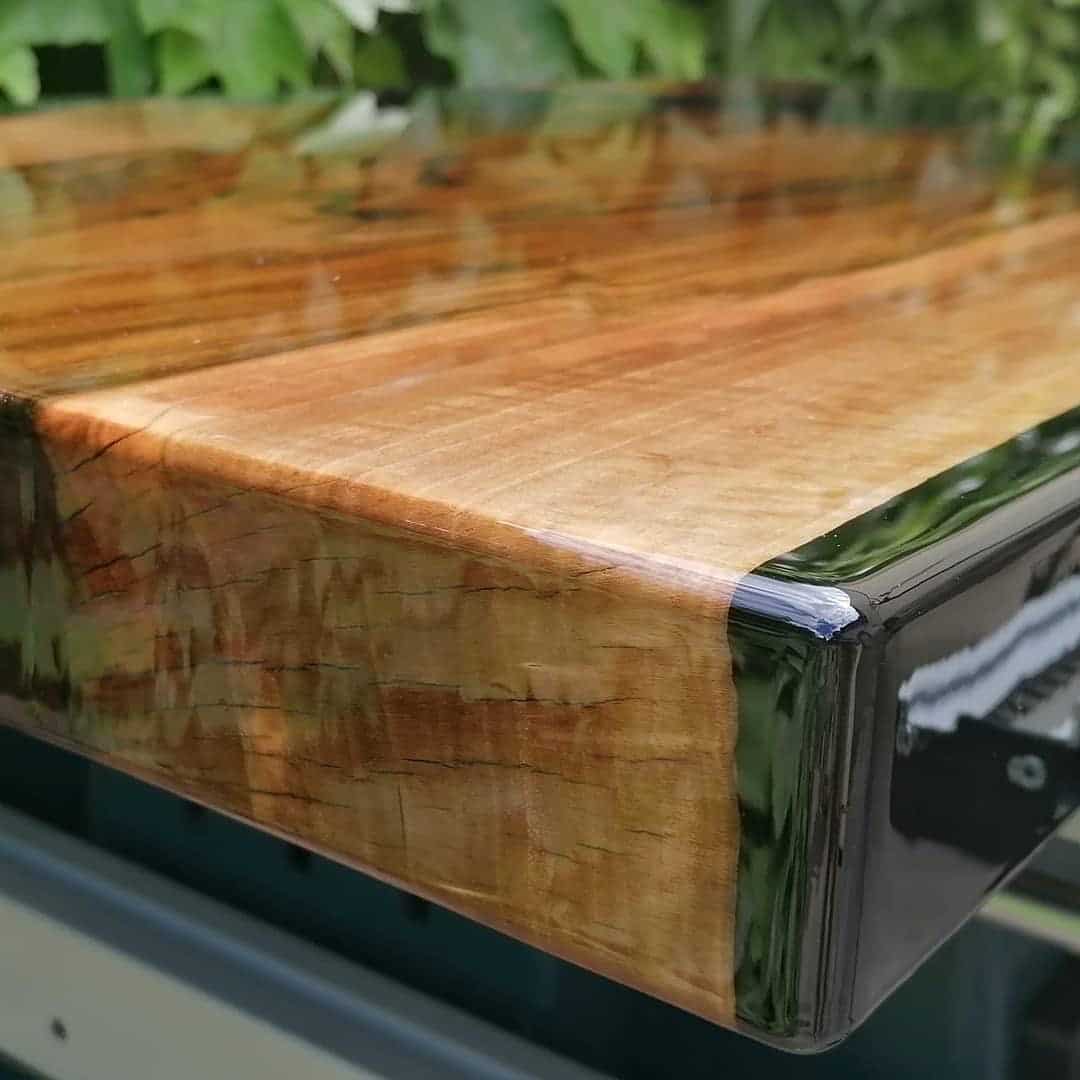
Creating a resin sink is an inspiring way to customise your bathroom or kitchen with a one-of-a-kind, durable feature. This guide will walk you through each stage, from prepping your mould to achieving a professional, water-resistant finish. Whether you’re an experienced resin artist or simply enthusiastic to craft something bespoke, you’ll find every step clearly explained for success.
What You’ll Need
- “Epoxytable 10-Ten” – Deep Pour Epoxy Resin for Tables, Up to 10cm Casting – for thick sink castings with crystal-clear results
- “EpoxyTable 5-Five” – Deep Pour Epoxy Resin for Tables and Large Projects – Up to 5cm – for medium-depth sinks or layered pours
- “Stone Effect Collection” – Marble Epoxy Resin Countertop Kit – to achieve striking marble or stone visuals (optional)
- Silicone or plastic sink mould
- Mixing jugs, stirring sticks, gloves, respiratory mask, and safety glasses
- Sanding pads or polishing kit
- Release agent (for easier demoulding)
- Decorative elements (colours, metallic pigments, or inlays, if desired)

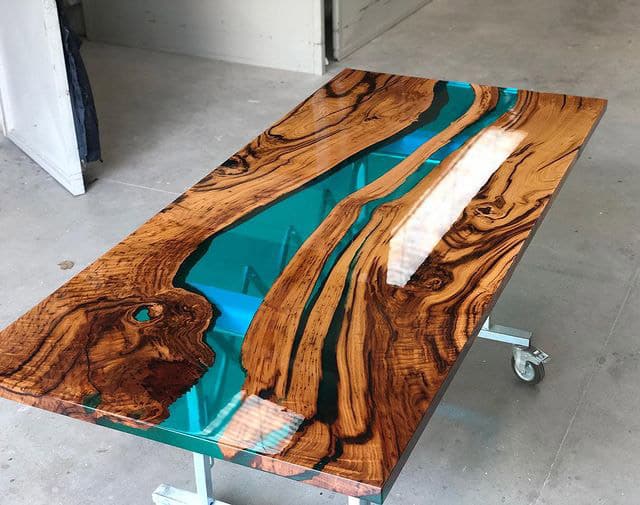
Visual Inspiration: Resin Sinks in Modern Interiors
Browse stunning resin sink designs to fuel your creativity, from transparent basins to marbled statement pieces. See how deep-pour resin brings dramatic, long-lasting effects to both classic and contemporary bathroom and kitchen settings.
Step 1: Prepare and Seal Your Mould
Choose a leakproof and smooth mould designed for casting sinks in the desired shape and size. Give it a thorough clean to remove dust and debris, as imperfections will transfer into the finished resin surface. Apply a release agent generously, ensuring all corners and edges are coated, to make demoulding simple and prevent sticking. Take care to set your mould on a flat, supported surface—it must remain level during the casting and curing processes. Check for gaps or joints and seal thoroughly to stop resin seeping outside the intended form, especially with deep pours.
Step 2: Measure and Mix Your Resin
Mix resin precisely and methodically according to your project’s depth and the manufacturer’s guidelines. For sinks up to 10cm thick, Epoxytable 10-Ten is designed for clarity and low exotherm when used for deep pours. For shallower projects or layered builds, EpoxyTable 5-Five is well-suited. Always use clean containers, add colourants or decorative effects as desired, and mix slowly to minimise bubbles. Scrape all sides and ensure full blending for consistent curing.
Step 3: Pour and Layer the Resin
Pour resin in controlled layers, especially for very deep or complex sink forms. Begin pouring in the centre, allowing resin to flow outward and fill corners and edges, which reduces the risk of trapped air pockets. Use a heat gun or torch carefully to pop surface bubbles, but avoid overheating. If the design includes embedded objects, add these once a base layer has gelled slightly, and pour subsequent layers after partial curing as needed for desired depth or strength.

Step 4: Curing and Demoulding
Allow proper curing before unmoulding, which can vary from 24 to 72 hours depending on resin thickness, room temperature, and humidity. Always let the sink fully harden before attempting to remove it from the mould; attempting too soon may lead to deformation or surface marring. Once cured, demould slowly, supporting the edges to protect against cracks. If you encounter resistance, double-check that all edges are free and flex the mould gently to release the finished piece.
Step 5: Sand and Polish for a Pro Finish
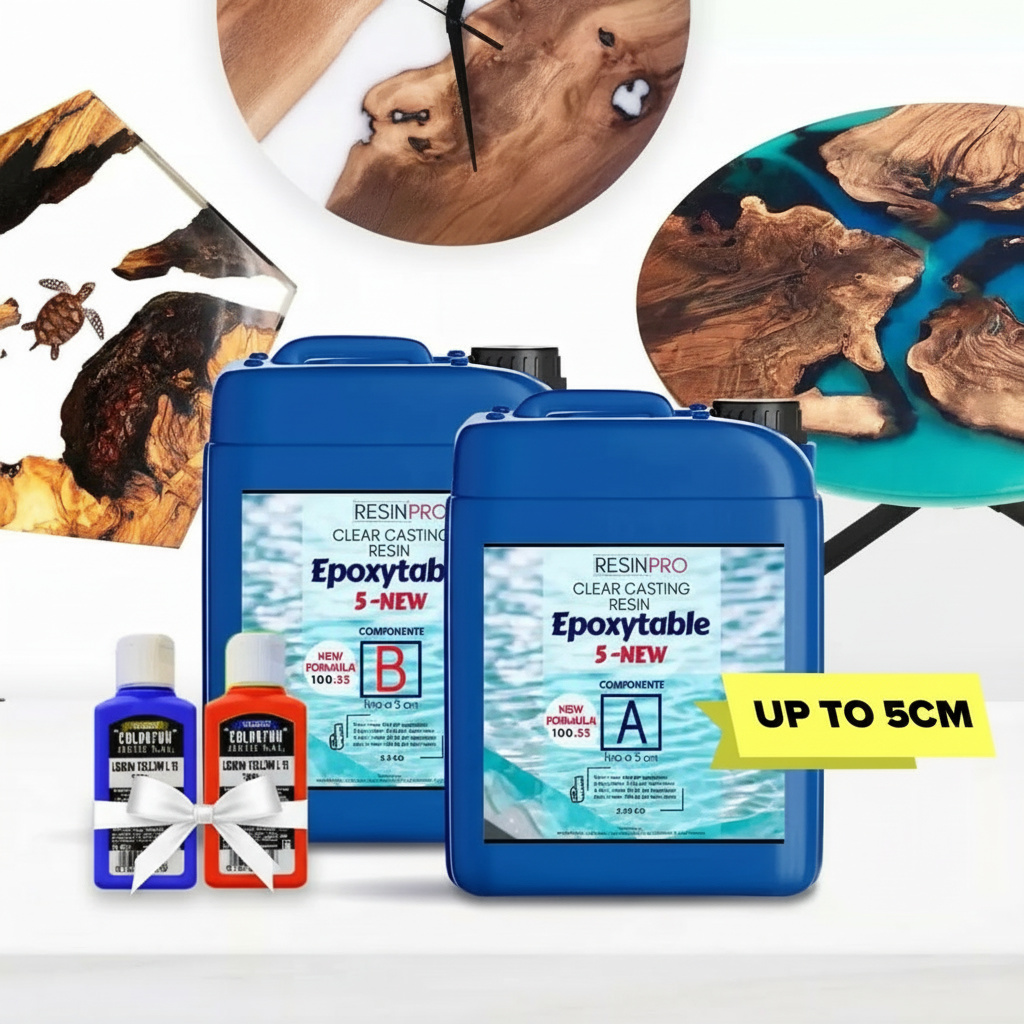
Achieve a flawless finish by sanding the outer surfaces starting with coarse grit and steadily working towards finer grades. Wet sanding will help avoid scratches and dust; finish with a dedicated resin polish or paste and a buffing pad. If using a kit such as the Stone Effect Collection, follow the included steps for achieving marble or stone effects and a mirror shine. Clean off dust and check for any uneven areas; re-polish as necessary for a consistent, glass-like result. Seal any necessary plumbing cut-outs and check water resistance before installation.
Tips and Troubleshooting for Resin Sink Casting
Work in a dust-free, temperature-stable environment. Always wear gloves and a mask for safety, and avoid excess humidity, which may cloud the resin. If bubbles appear deep in the casting, pour slowly and in increments where possible. For intricate effects, use pigments sparingly, and take care with add-ins. Patience during curing pays off—rushing stages can cause warping or soft spots. If imperfections form, many can be sanded out and repolished. Use appropriate resin for the sink’s intended depth to prevent overheating or incomplete curing.
Finishing Touches and Real-World Projects
Explore completed resin sink projects illustrating finishing detail and practical installation. Notice the clarity, stone effects, and seamless finishes achieved with the right resin and careful craftsmanship, ready for everyday use.

- "Epoxytable 10-Ten" – Deep Pour Epoxy Resin for Tables, Up to 10cm CastingPrice range: £35.95 through £351.95"Epoxytable 10-Ten" is an epoxy resin designed for super-deep casting up to 10cm for tables and large projects under the sink-making theme.
- "EpoxyTable 5-Five" – Deep Pour Epoxy Resin for Tables and Large Projects – Up to 5cmPrice range: £17.95 through £1,154.95"EpoxyTable 5-Five" is a deep pour epoxy resin suitable for tables and large projects up to 5cm thickness. It features low viscosity and mechanical…
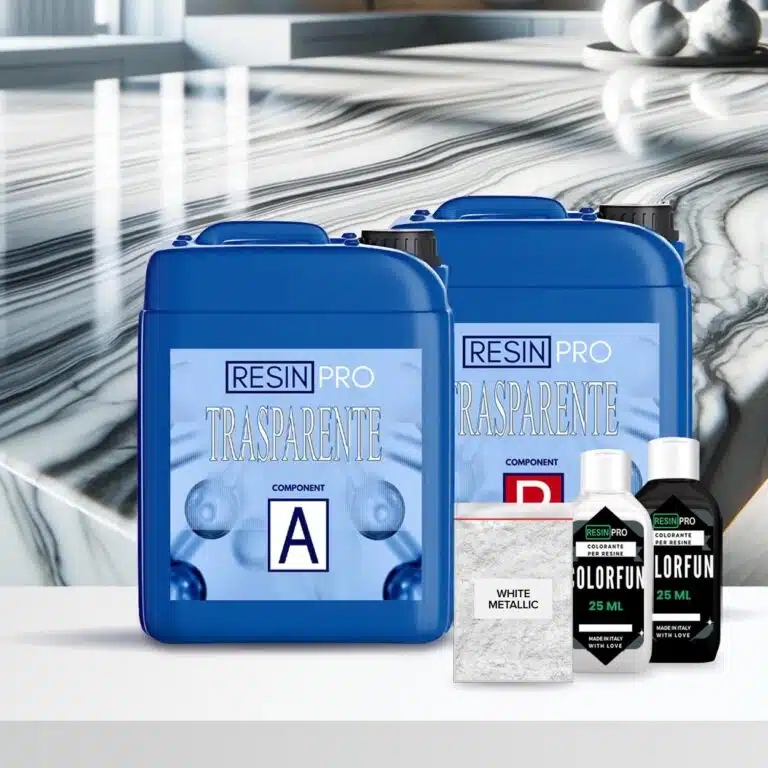 "Stone Effect Collection" – Marble Epoxy Resin Countertop KitPrice range: £57.95 through £272.95"Stone Effect Collection" offers an all-in-one epoxy resin countertop kit with professional marble effects and a durable finish for kitchen and…
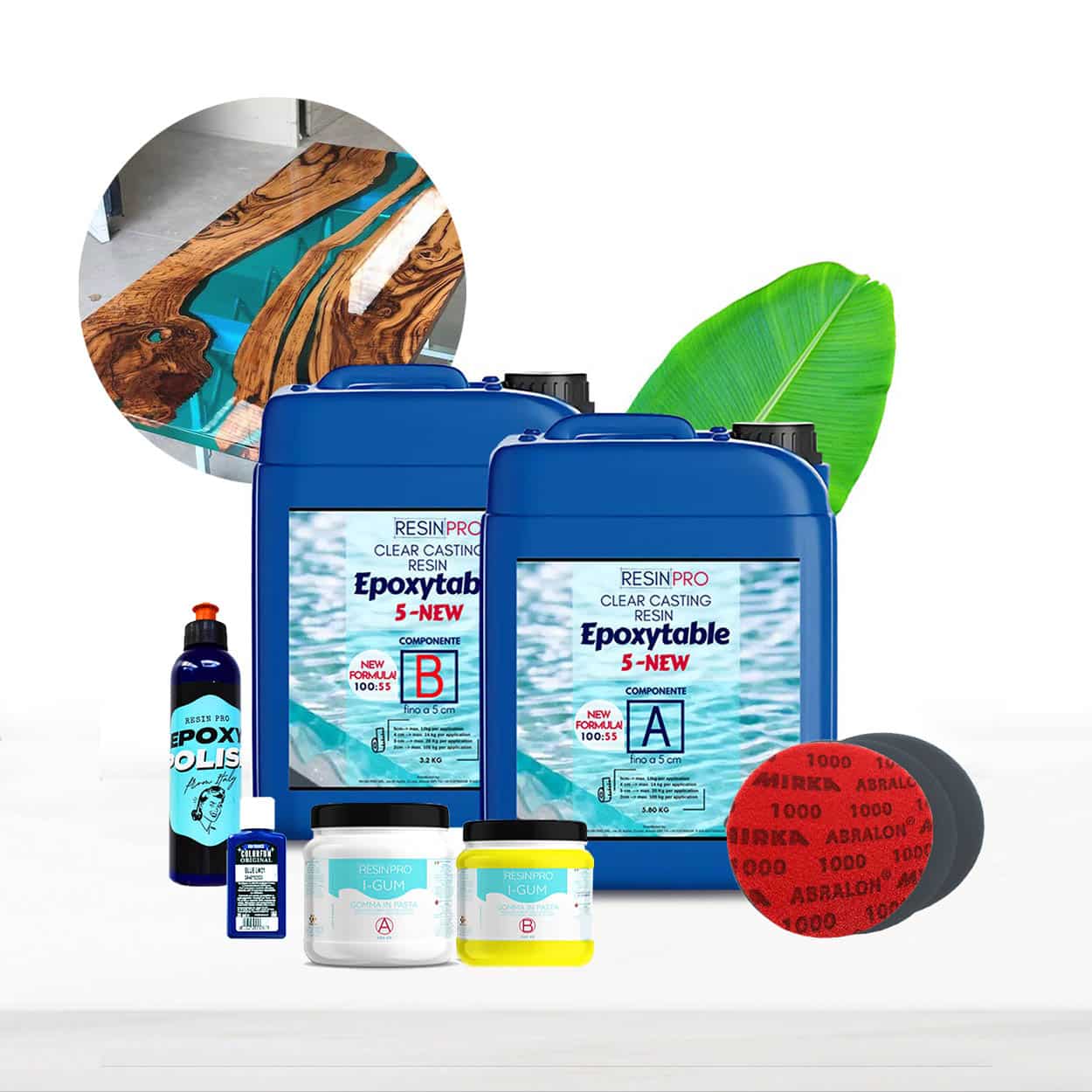 "River-Table" – Complete Kit for Creating Your First Epoxy Resin TablePrice range: £198.45 through £467.45"River-Table" kit includes epoxy resin and tools with detailed instructions, suitable for creating a modern wood and resin table.
Frequently Asked Questions
What resin depth is best for a sink?
For single pours, use up to 5cm with EpoxyTable 5-Five or up to 10cm with Epoxytable 10-Ten. For thicker sinks, use multiple layered pours.
Which mould type is best for resin sinks?
Smooth silicone or plastic moulds with no leaks and proper reinforcement work best. A good release agent ensures easy demoulding.
How do I prevent bubbles in my resin sink?
Mix and pour resin slowly. Use a heat gun or torch to remove surface bubbles and avoid pouring too quickly, which can trap air.
Is a resin sink safe and durable for daily use?
Yes, when fully cured and finished, deep pour epoxy resins form a hard, water-resistant surface ideal for regular household use.
How do I achieve a glossy finish on my resin sink?
Sand gradually with finer abrasives and finish with polishing compounds designed for resin. Clean thoroughly for best results.
Can I add colour or effects to my resin sink?
Yes, use pigments, metallic powders, or a kit like Stone Effect Collection for unique marbled or stone looks in your sink design.