 Free shipping on orders over £29,85
  Shipping Tracking!


 Google
 Facebook
How to make balls with synthetic resin
Create flawless resin balls for art, décor, or design projects

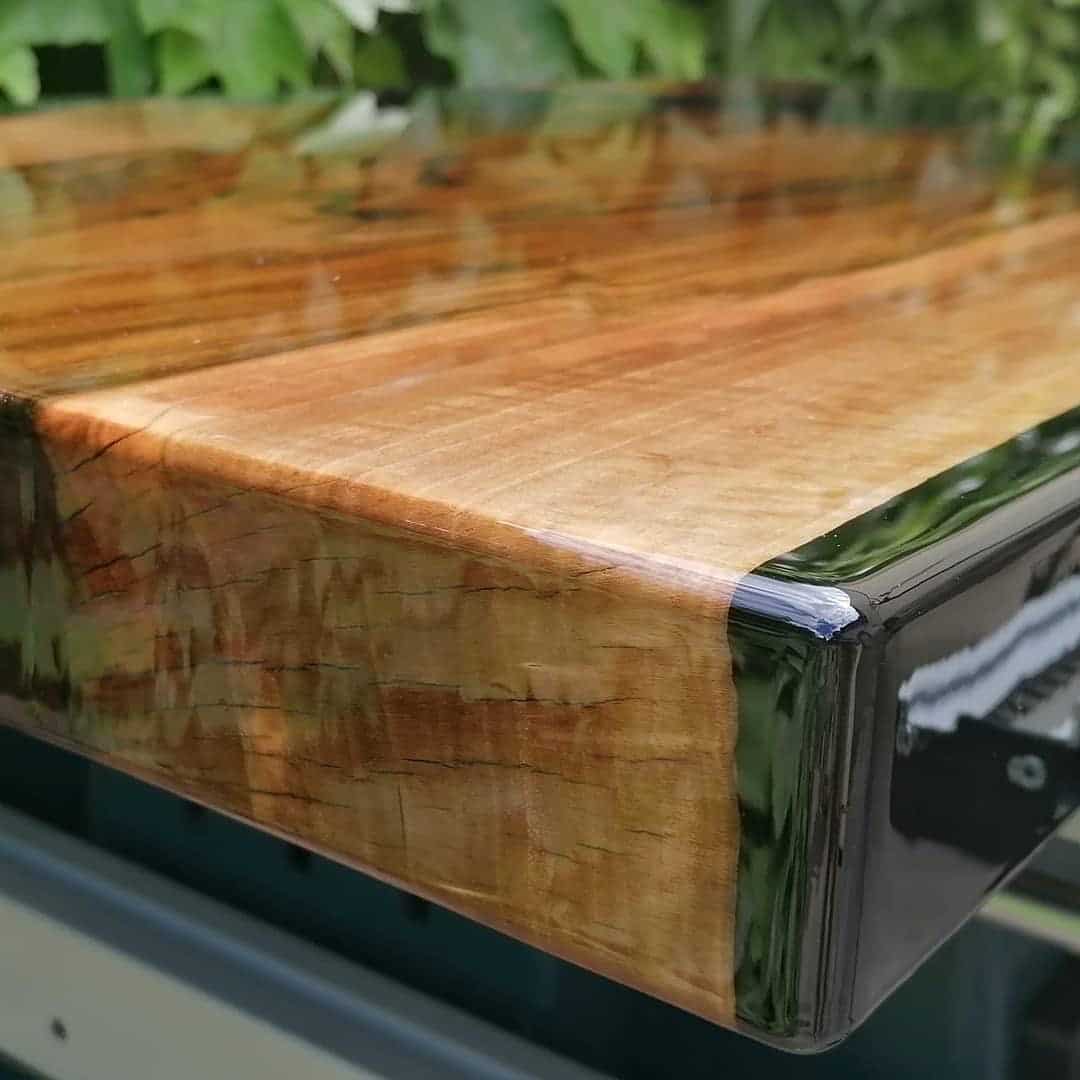
Crafting balls with synthetic resin is a rewarding process, perfect for creating decorative objects, jewellery, or unique components for art and design. This guide walks you through each essential step, ensuring you achieve smooth, bubble-free spheres every time—no advanced expertise required, just attention to detail and the right approach.
What You’ll Need
- “Epoxytable 10-Ten” – Deep Pour Epoxy Resin for Tables, Up to 10cm Casting: For clear pours up to 10cm thickness
- “EpoxyTable 5-Five” – Deep Pour Epoxy Resin for Tables and Large Projects – Up to 5cm: Suitable for medium-thick pours
- Cube Ball Mould for Candle, Resin, or Soap Casting – 6.5×6.2cm: Ideal for shaping your balls
- “Pure Mould” – Translucent Liquid Silicone Rubber for Mould Making: Make custom ball moulds or for detailed designs
- Mixing tools, PPE (protective gloves, mask), and workspace covers for safety and cleanliness

Inspiration for Resin Ball Creations
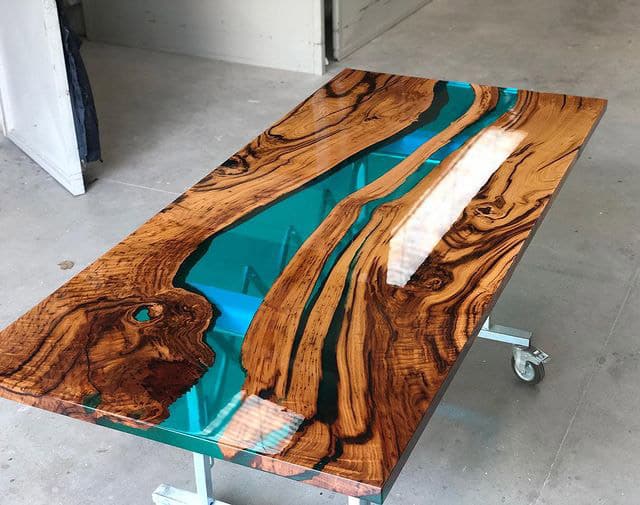
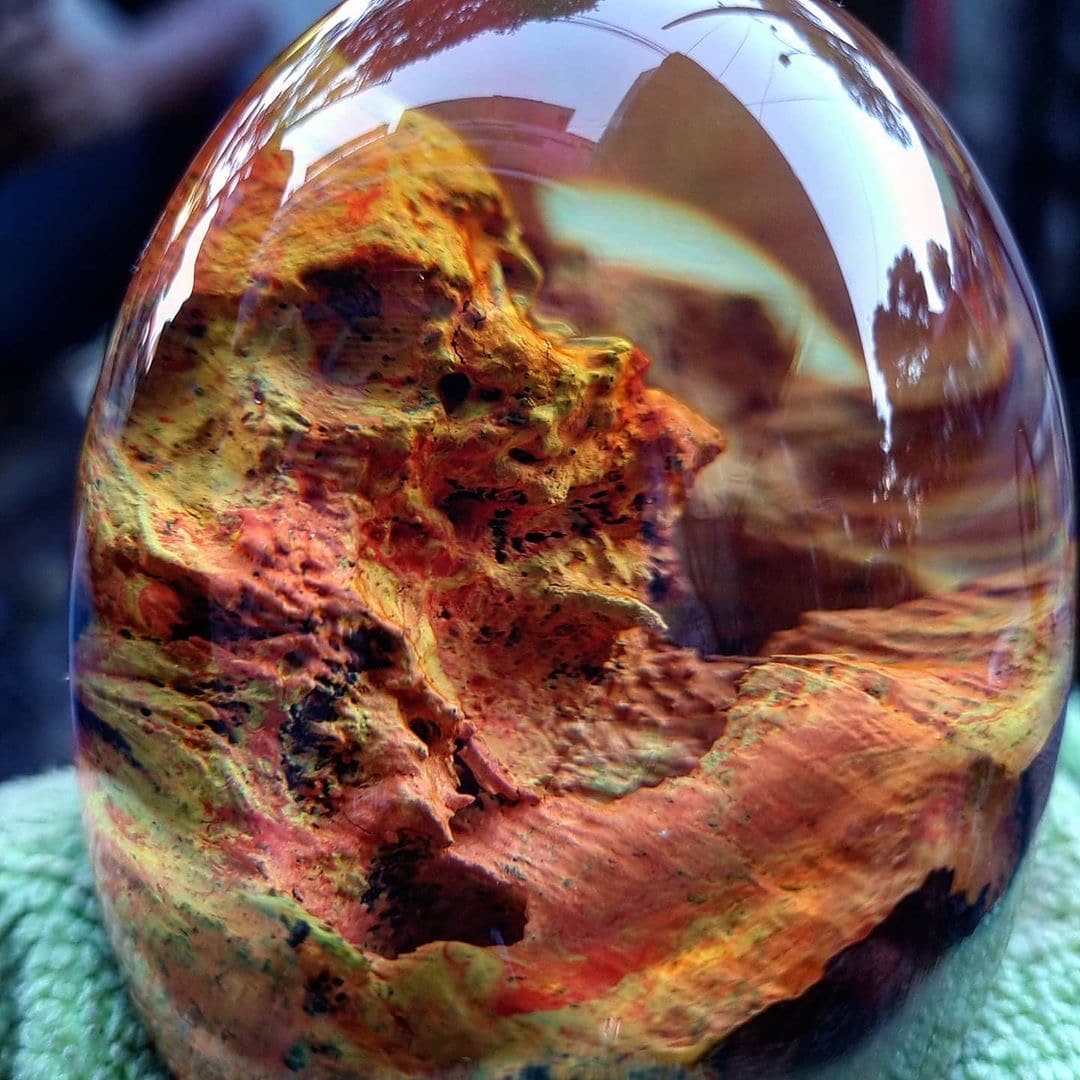
Explore the creative possibilities of resin—from decorative spheres with embedded objects to minimalist, crystal-clear balls for art or interior design. Synthetic resin unlocks a world of custom finishes and artistic effects, making every piece truly unique.
Step 1: Prepare and Select Your Mould
Pick a suitable mould for the ball size you wish to create. Commercial options, such as the Cube Ball Mould for Candle, Resin, or Soap Casting – 6.5×6.2cm, offer an easy, reusable solution for resin ball projects. Alternatively, create your own custom spherical mould by casting shapes using “Pure Mould” – Translucent Liquid Silicone Rubber for Mould Making, which allows you to replicate intricate designs and ensure the perfect finish. Translucency makes monitoring detail easy, reducing the risk of casting errors.
Step 2: Mix and Pour the Resin
Following your selected resin’s instructions is crucial. Use a deep-pour epoxy such as “EpoxyTable 5-Five” for balls up to 5cm or “Epoxytable 10-Ten” for larger or thicker pours. Measure the resin and hardener accurately and mix slowly to minimise trapped air. Mix resin thoroughly to avoid bubbles and make sure the entire length of the mixture is consistent. Pour into your mould in a thin, steady stream to further prevent air entrapment. If possible, work in a space with minimal movement and moderate temperature, as this aids the curing process.
Step 3: Curing and Demoulding
Allow the resin to cure completely as per the manufacturer’s guidelines—this may take several hours to days, depending on the resin thickness and temperature. Do not attempt to unmould the ball prematurely, as this can cause deformation or cloudiness. After curing, gently flex the silicone mould to release the ball. If you have made your mould using “Pure Mould”, its flexibility and durability make demoulding straightforward. Allow full curing before unmoulding and sanding for optimal clarity and resilience.
Step 4: Finishing Touches
Inspect each resin ball after unmoulding. Use fine-grit sandpaper or polishing compound to smooth away any rough edges or seams if needed. For a perfect gloss, a finishing polish can be applied manually or with a buffing tool. At this stage, you can drill, paint, or decorate the balls according to your intended use. Always complete any post-processing in a well-ventilated area.

Tips and Troubleshooting for Resin Ball Casting
- Work in a clean, dust-free environment to avoid surface imperfections.
- If you notice bubbles after pouring, a quick pass with a heat gun or torch (from a safe distance) can help release trapped air—take care not to overheat.
- Always check resin compatibility with pigments or inclusions if you plan to add colour or embed objects.
- Be patient with curing; rushing demoulding is a common cause of cracked or dull resin spheres.
Troubleshooting and Next Steps
Stuck resin or cloudy results? Don’t worry—most issues can be resolved with careful sanding, additional polishing, or correcting mixing techniques in your next batch. With every pour, your skills and results will improve!

- "Epoxytable 10-Ten" – Deep Pour Epoxy Resin for Tables, Up to 10cm CastingPrice range: £33.85 through £334.85"Epoxytable 10-Ten" is suitable for deep pour projects up to 10cm thickness, designed for table creations and large castings.
- Cube Ball Mould for Candle, Resin, or Soap Casting – 6.5×6.2cm£5.15Cube Ball Mould is designed for creative resin crafting and soap or candle making within the theme of making balls with synthetic resin.
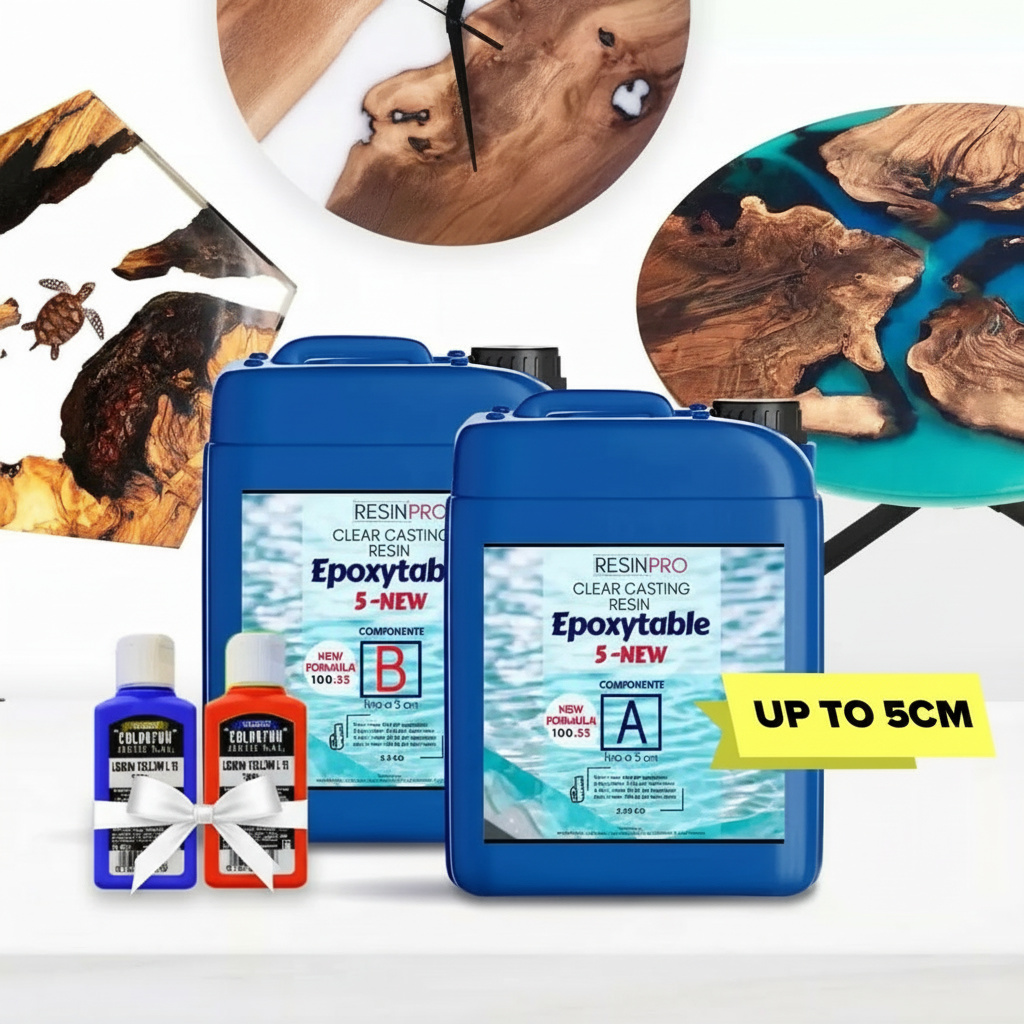 "EpoxyTable 5-Five" – Deep Pour Epoxy Resin for Tables and Large Projects – Up to 5cmPrice range: £16.85 through £1,099.85"EpoxyTable 5-Five" is a deep pour epoxy resin designed for tables and larger projects, featuring low viscosity and strong UV filters.
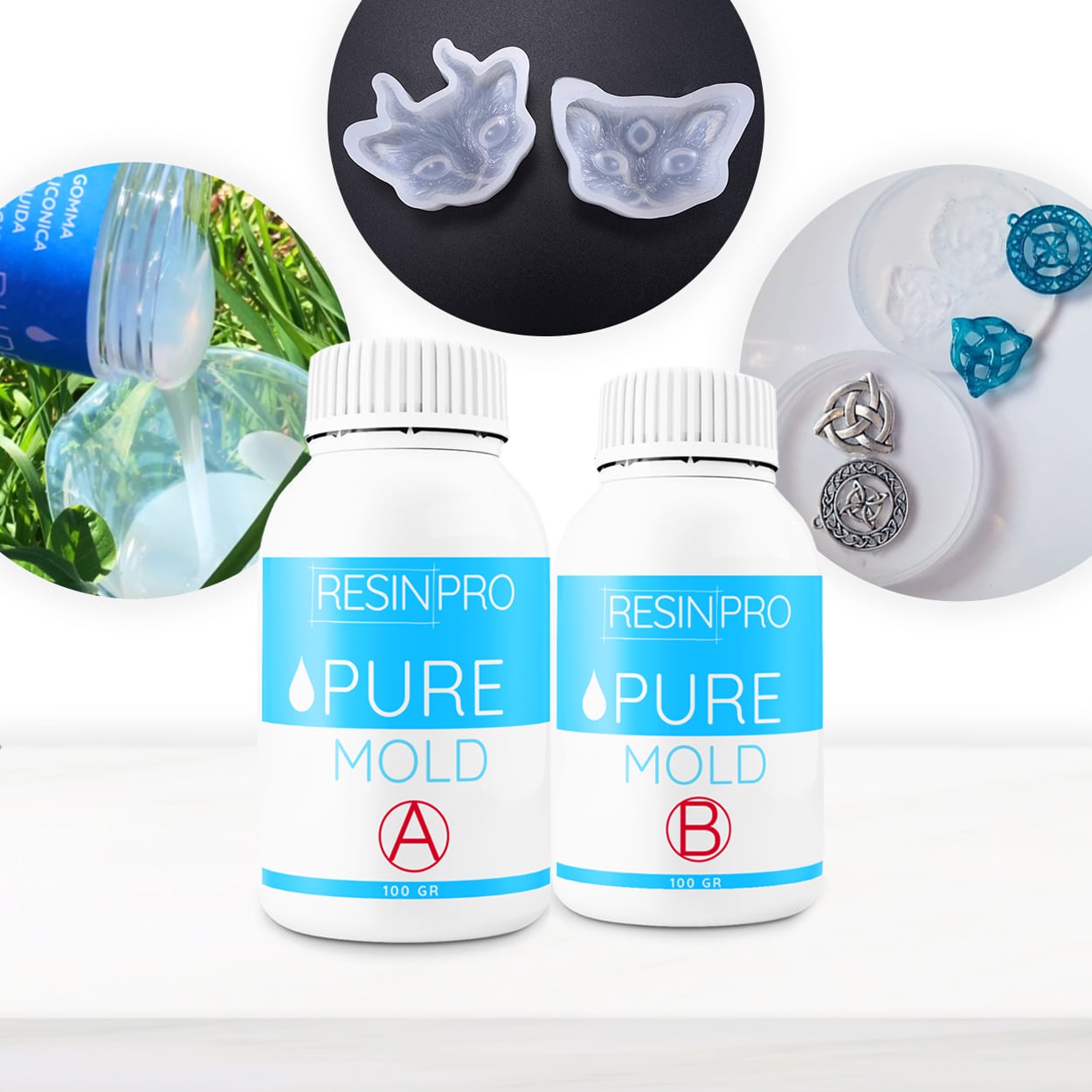 "Pure Mould" – Translucent Liquid Silicone Rubber for Mould MakingPrice range: £22.85 through £158.85"Pure Mould" is a translucent liquid silicone rubber suited for mould making compatible with materials like resins and plaster, suitable for the…
Frequently Asked Questions
Which mould is best for resin ball making?
Silicone moulds are ideal for resin balls due to their flexibility and ease of release. Custom silicone can be made for unique shapes.
How thick can you pour epoxy for resin balls?
Choose deep pour resins for thicker balls—up to 5cm with EpoxyTable 5-Five or up to 10cm with Epoxytable 10-Ten.
How do I prevent bubbles in resin ball casting?
Mix resin slowly and pour steadily. Use a heat gun or torch to remove surface bubbles after pouring.
When is the resin ball cured and ready?
Cure time depends on resin and thickness, but most require 24–72 hours for a full cure before safe unmoulding.
Can you colour resin balls?
Yes, use resin-compatible pigments. Test a small batch first to check for even colouring and curing compatibility.
How do I fix imperfections in finished resin balls?
Imperfections can be sanded with fine paper and polished for clarity. Surface scratches are easily removable.
Is Pure Mould suitable for detailed ball moulds?
Yes, Pure Mould silicone captures fine details and its translucency helps you achieve precision during the casting process.