 Free shipping on orders over £29,85
  Shipping Tracking!


 Google
 Facebook
How to make jewellery with resin and leaves
A step-by-step guide to botanical resin jewellery making


Creating jewellery with resin and natural leaves is a rewarding way to capture nature’s beauty in timeless accessories. This guide will walk you through each step, from selecting your botanical pieces to finishing your unique resin jewellery, ensuring a clear, bubble-free result with professional appeal. Whether you’re new to resin or a seasoned crafter, you’ll find practical advice for every part of the process.
What You’ll Need
- “Evershine Collection” – Artisan Jewellery Epoxy Resin Kit with 100+ Accessories: A comprehensive kit with resin, moulds, and findings ideal for beginners.
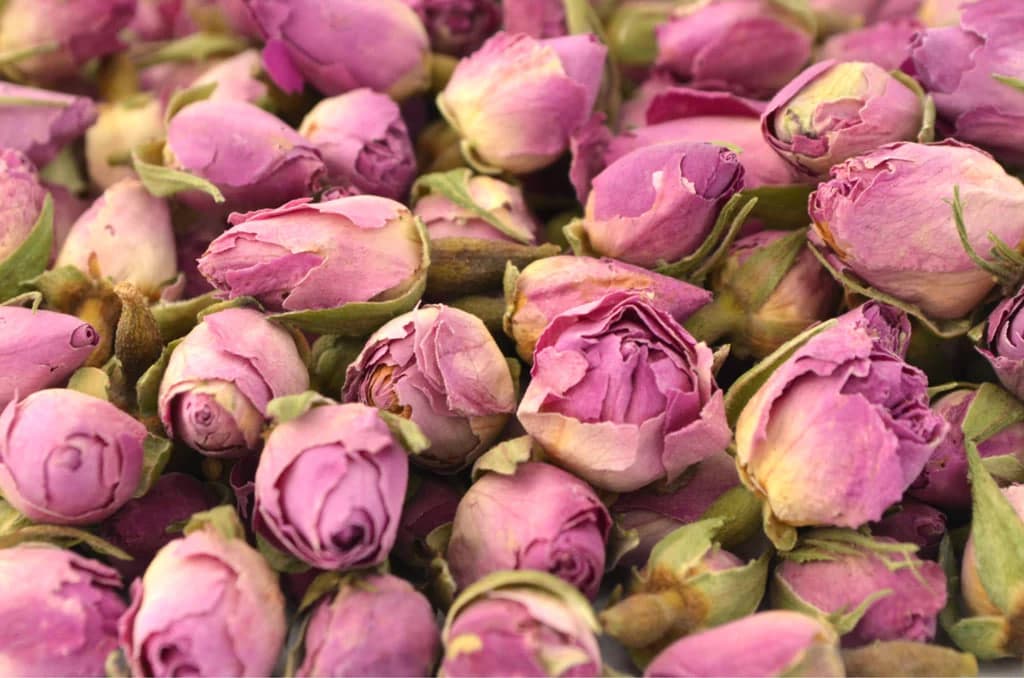
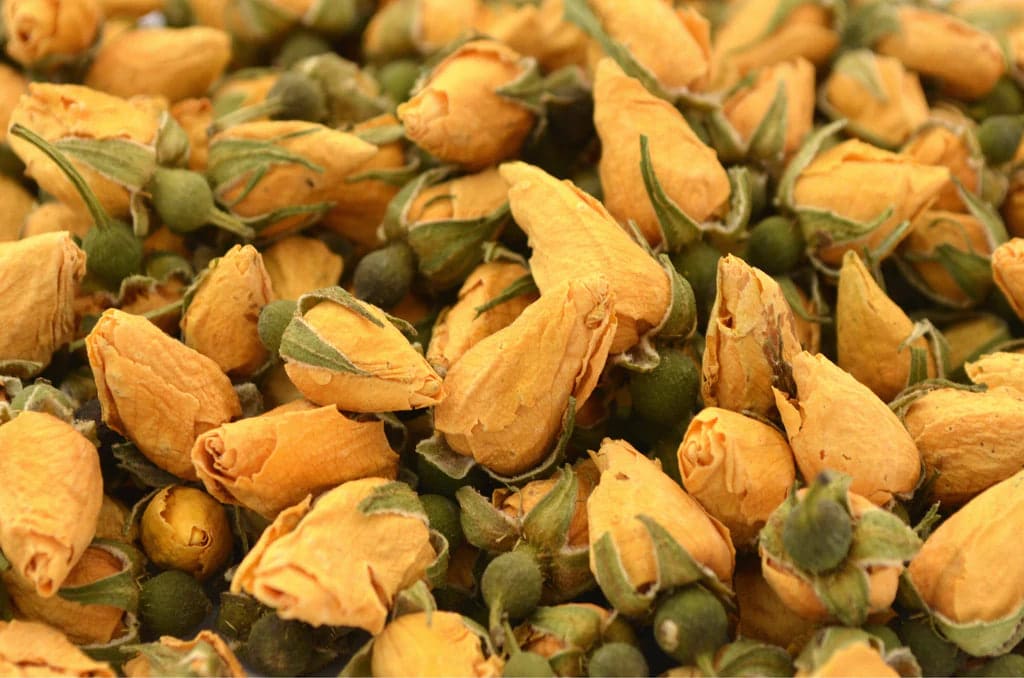
- Natural Dried Flowers for Art Projects and Epoxy Resin Casting: Prepped, botanical elements designed for seamless inclusion into resin pieces.
- “One-2-One” – Epoxy Resin for Handcraft, 1:1 Mixing Ratio: Non-toxic, clear casting resin suitable for most jewellery settings.
- Set of 10 Open Metal Bezels for Jewellery Making and UV Resin Projects: Stylish open bezels for modern and traditional pendant designs.
- Mixing cups and stirring sticks
- Disposable gloves and protective surface

Inspiration for Botanical Resin Jewellery
See how combining delicate botanicals with crystal-clear resin yields timeless wearable art. Browse our customer creations and project galleries for ideas that incorporate leaves, ferns, and blossoms in pendants, earrings, and keyrings.
Step 1: Prepare Your Botanicals and Workspace
Start by selecting leaves or flowers that are completely dried and flat to prevent trapped moisture, which can lead to cloudiness or resin failure. If needed, press your foliage in advance between absorbent paper under a heavy book for several days. Arrange all tools, wear gloves, and cover your workspace with protective sheeting. Choose fully dried and flat leaves or flowers for best clarity. Ensure that all inclusions are clean and free from dust or debris, as any imperfections become highly visible once encased in resin.
Step 2: Mix the Resin Correctly
Accurate mixing is the foundation of successful resin jewellery. Always wear gloves and work in a well-ventilated space. Follow the 1:1 mixing ratio if using the Evershine Collection or the One-2-One Epoxy Resin. Pour equal parts resin and hardener into a clean cup, then stir slowly for 2–3 minutes, scraping the sides and bottom. Avoid vigorous mixing, which can introduce bubbles, affecting the clarity of your jewellery.
Step 3: Arrange Botanicals in the Mould or Bezel
Pour a thin layer of mixed resin into your silicone mould or open metal bezel. Gently place your leaf or flower onto the first layer, using tweezers for precision. Measure resin and hardener accurately according to instructions. Add another thin resin layer, ensuring the plant material is fully submerged and held in place. This staged approach minimises floating elements.
If you use Natural Dried Flowers, select blooms that fit your chosen mould or bezel without protruding, as overfilling can interfere with curing and demoulding.
Step 4: Remove Bubbles and Allow to Cure
After embedding your botanicals, inspect the surface for bubbles. Lightly pass a heat gun or use a cocktail stick to gently pop any visible bubbles. Pour resin in thin layers to avoid bubbles and floating elements. Once satisfied, leave the piece undisturbed on a flat surface. Cure times vary; most jewellery resin sets within 24–48 hours at room temperature. Follow the recommended curing times on the resin packaging.
Step 5: Demould and Finish Your Jewellery
When the resin has hardened, carefully remove your jewellery from the mould or bezel. If edges are slightly rough, use a fine nail file or micro-mesh to smooth them. Attach findings such as chains, clasps, or earring hooks to complete your creation. Monitor cure times and do not demould too early. Your botanical resin jewellery is now ready to wear, share, or gift.
Tips and Troubleshooting for Resin Leaf Jewellery
Work in a dust-free environment to prevent particles from settling on curing resin. Keep inclusions flat to avoid lifting or bubbles beneath leaves. If using open metal bezels, ensure the seal is tight with masking tape to prevent leaks. Patience is key: rushing any step—especially curing—increases risk of imperfections. If bubbles persist, lightly warm the resin before pouring and pour in thinner layers next time for a flawless result.
Common Mistakes and How to Avoid Them
Many new crafters rush the curing stage or use botanicals that are not fully dried, resulting in cloudiness or imperfections. Always take time to prep and cure thoroughly for best results.

- "Evershine Collection" – Artisan Jewellery Epoxy Resin Kit with 100+ Accessories£20.85"Evershine Collection" offers a complete epoxy resin jewellery making kit with a simple 1:1 mix and premium accessories suited for crafting with…
- Natural Dried Flowers for Art Projects and Epoxy Resin CastingPrice range: £5.45 through £7.85Natural dried flowers prepared for immediate use, suitable for jewellery and resin-based craft projects in this theme.
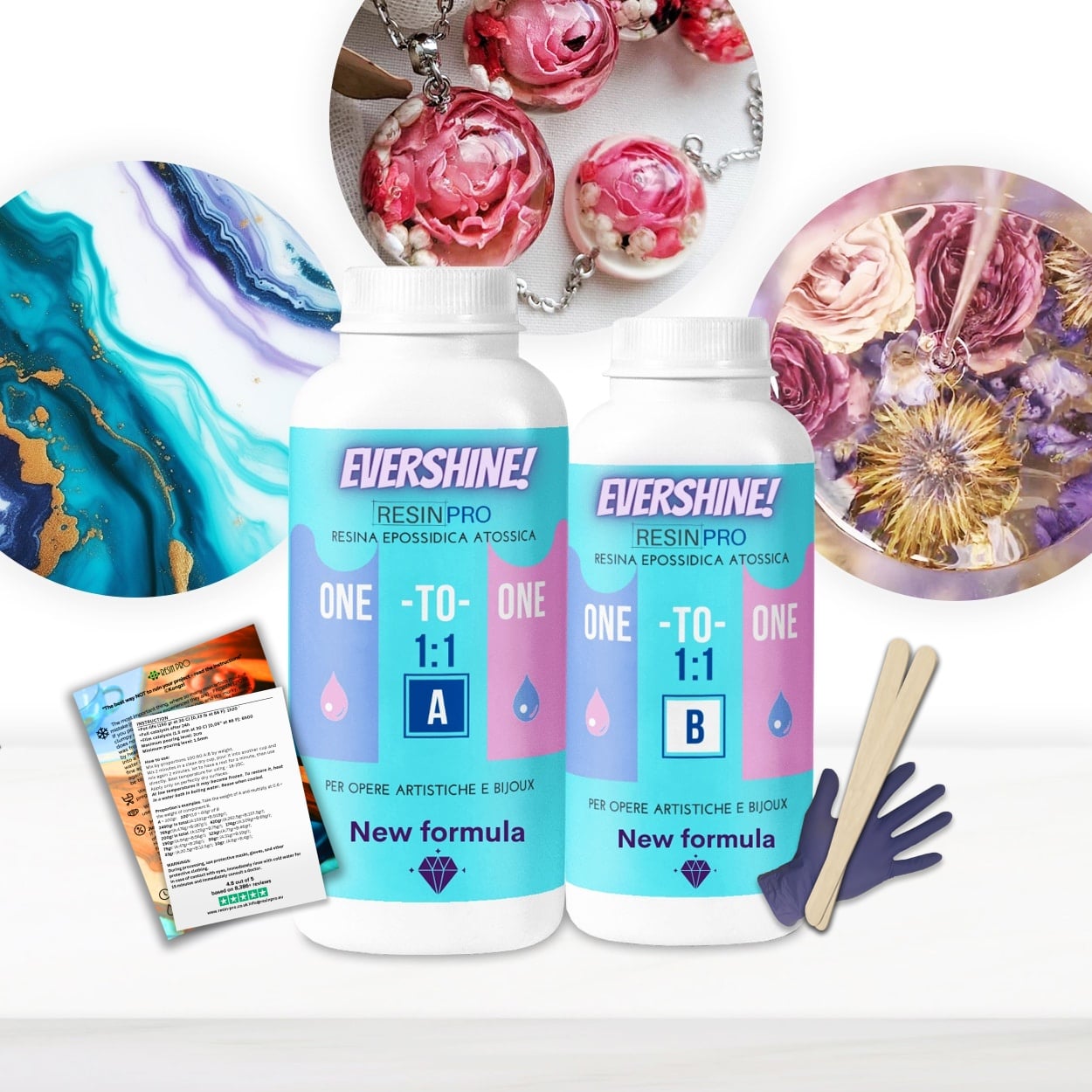 "One-2-One" – Epoxy Resin for Handcraft, 1:1 Mixing RatioPrice range: £14.85 through £56.85"One-2-One" epoxy resin offers a medium viscosity and easy 1:1 mixing for clear and durable jewellery making.
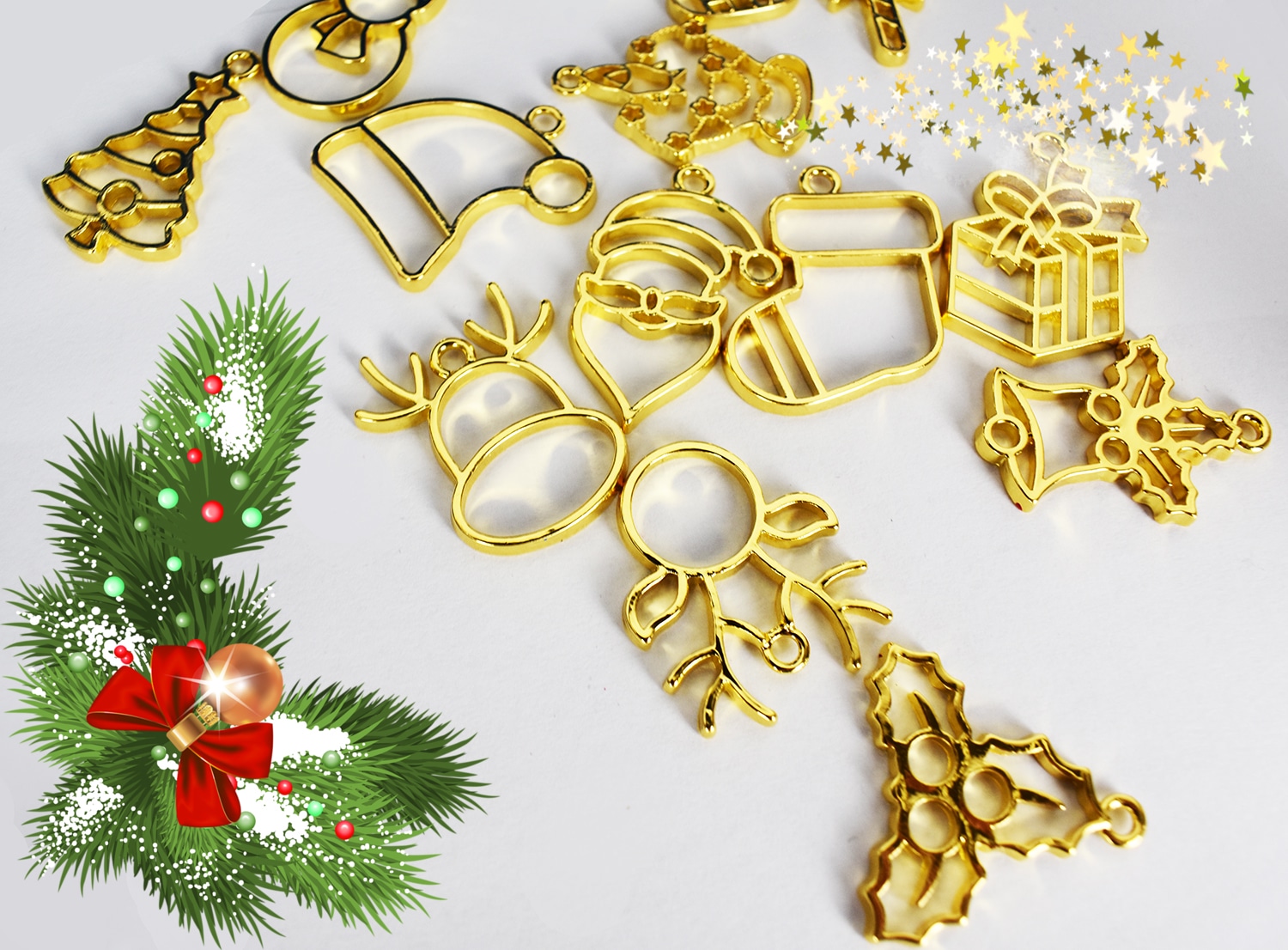 Set of 10 Open Metal Bezels for Jewellery Making and UV Resin ProjectsOriginal price was: £8.45.£6.85Current price is: £6.85.Set of 10 open metal bezels designed for festive resin jewellery and keepsakes with a surprise assortment of shapes.
Frequently Asked Questions
How do I mix epoxy resin for jewellery?
Pour equal parts of resin and hardener by volume, then stir gently for 2–3 minutes until fully combined.
How can I prevent bubbles in my resin jewellery?
Mix slowly to avoid air, use thin pours, and pop surface bubbles with a heat tool or cocktail stick.
How long does resin jewellery take to cure?
Typical curing time for resin jewellery is between 24 and 48 hours at room temperature, depending on the resin.
Can I use fresh leaves in resin jewellery?
Always use completely dried leaves or flowers to prevent moisture issues and ensure clarity in the finished piece.
How do I remove resin jewellery from a mould?
Gently flex the mould to release the piece. If the edges are tacky, allow more curing time before removal.
How do I finish resin botanical jewellery?
File rough edges with a nail file or micro-mesh, and attach findings such as chains, clasps, or earring hooks.