 Free shipping on orders over £29,85
  Shipping Tracking!


 Google
 Facebook
← Back to How to paint a resin artificial?


Painting resin artificial objects can be rewarding, but ensuring the paint properly adheres takes a little know-how. Let’s look at the preparation steps and tips for lasting, vibrant results.
Preparing Resin Surfaces for Painting
The smooth surface of resin makes it hard for paint to grip unless properly prepared. Start by gently sanding the item with fine-grit sandpaper—around 400–600 grit works well. Sand in gentle, circular motions to slightly roughen the surface, giving paint something to hold on to. After sanding, thoroughly wipe away any dust with a damp, lint-free cloth, and allow the surface to dry fully before starting to paint. Clean hands or gloves are essential to avoid reintroducing grease or debris.

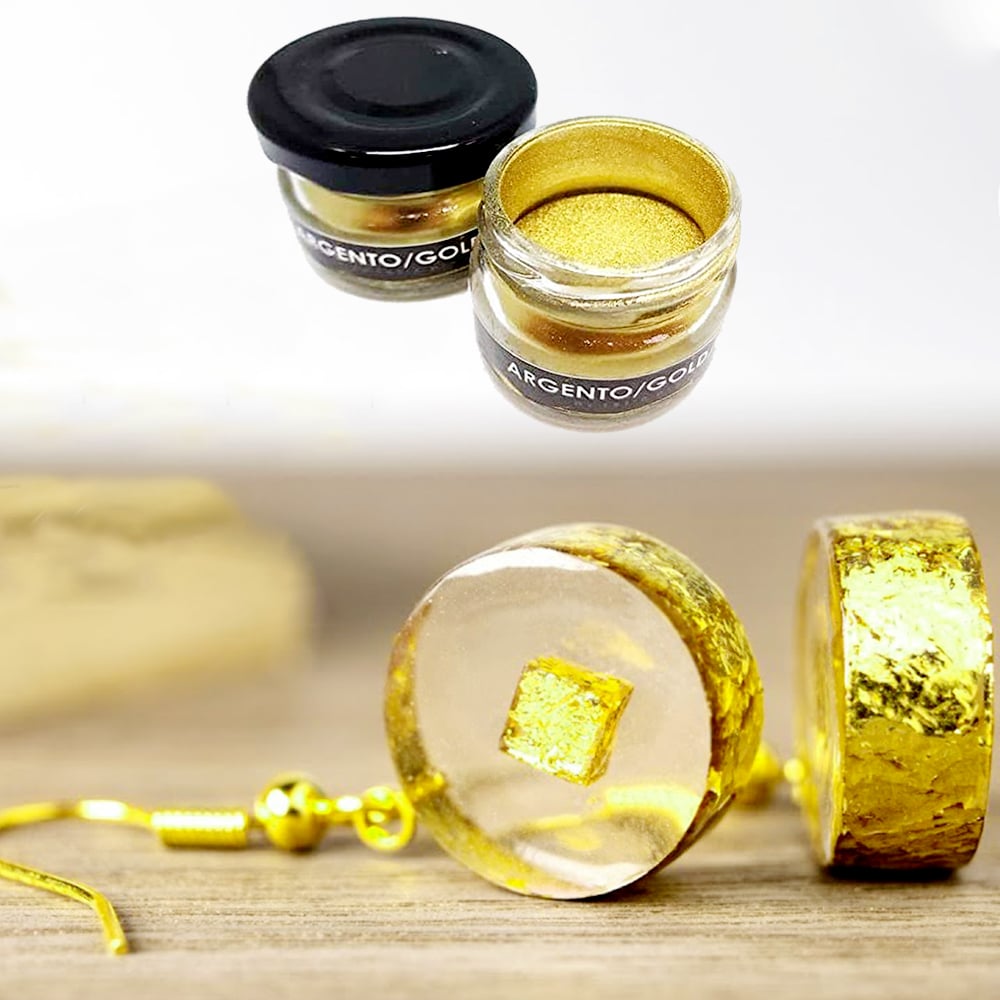
Choosing the Right Tools and Paints
Opt for high-quality acrylic paints designed for craft or model use, as these typically offer solid adhesion and colour depth. The tools you use also make a difference: synthetic bristle brushes, like those found in the 12-Piece Artists Paint Brush Set for Epoxy Resin Art & DIY Projects, are ideal for smooth, even application without bristle loss on resin surfaces. For large or intricate shapes, try disposable brush sets to simplify cleanup.
Tips for a Smooth, Lasting Finish
Work in light, even coats, allowing each layer to dry fully before adding another. If your project calls for extra durability, consider finishing with a clear acrylic sealer suitable for craft use. Avoid thick, gloopy applications as these may peel or trap dust. Patience and multiple thin coats deliver a more natural, resilient finish on resin projects.
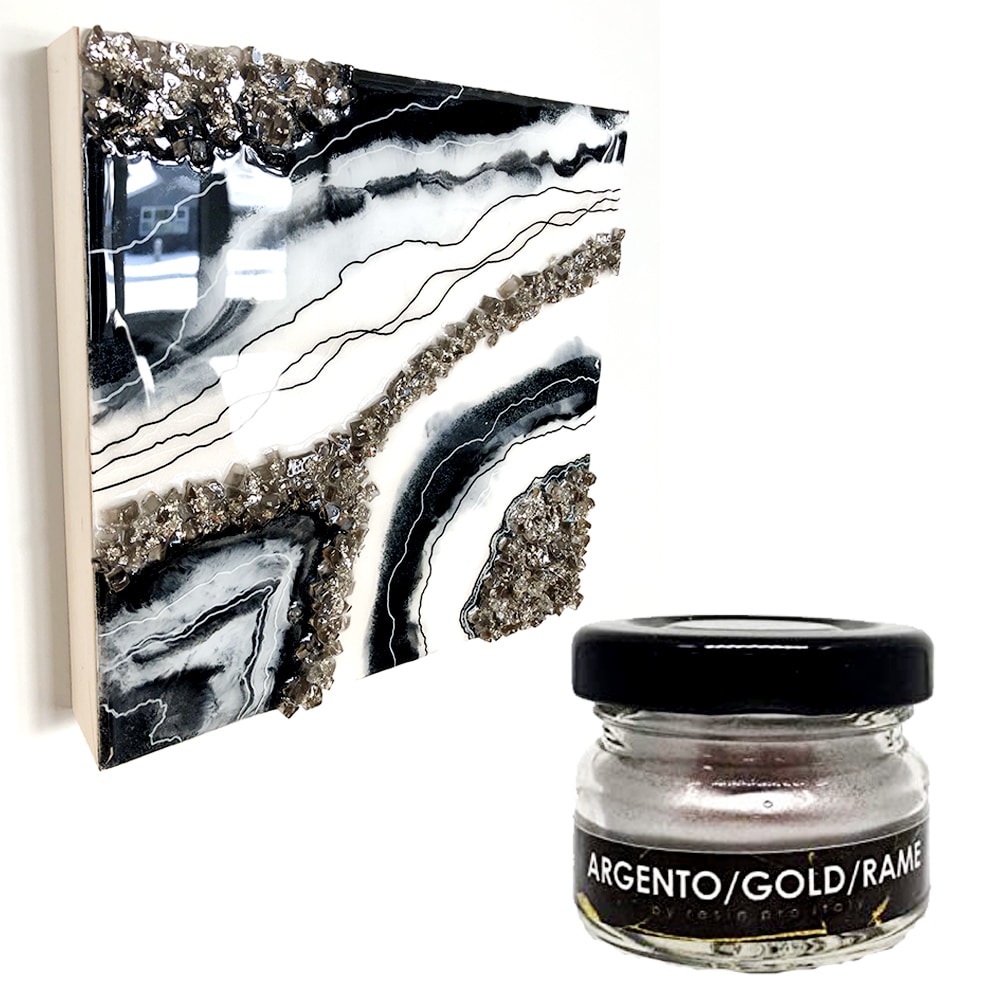
When This Technique Matters
Proper surface prep is essential when you want intricate details or when handling decorative items that will be used or touched regularly. Well-adhered paint helps create pieces that look great and last longer, whether on models, home décor, or handmade crafts.
Related products
Related guides
Setting aside time to prepare your resin artificial object before painting makes all the difference. For more guidance and ideas, head back to our main guide on how to paint a resin artificial for further resources and inspiration.