 Free shipping on orders over £29,85
  Shipping Tracking!


 Google
 Facebook
How to Make Resin and Wood Jewellery?
Create unique, artisan jewellery pieces with resin and wood


Combining the natural warmth of wood with the clarity and versatility of resin lets you create stunning, bespoke jewellery. This comprehensive guide will lead you through the essential steps for making resin and wood jewellery, helping both beginners and experienced crafters to enjoy professional results at home. Learn how to prepare materials, cast resin, and finish your unique pieces for a polished, wearable look.
What You’ll Need
- “Evershine Collection” – Artisan Jewellery Epoxy Resin Kit with 100+ Accessories
- Set of 10 Open Metal Bezels for Jewellery Making and UV Resin Projects
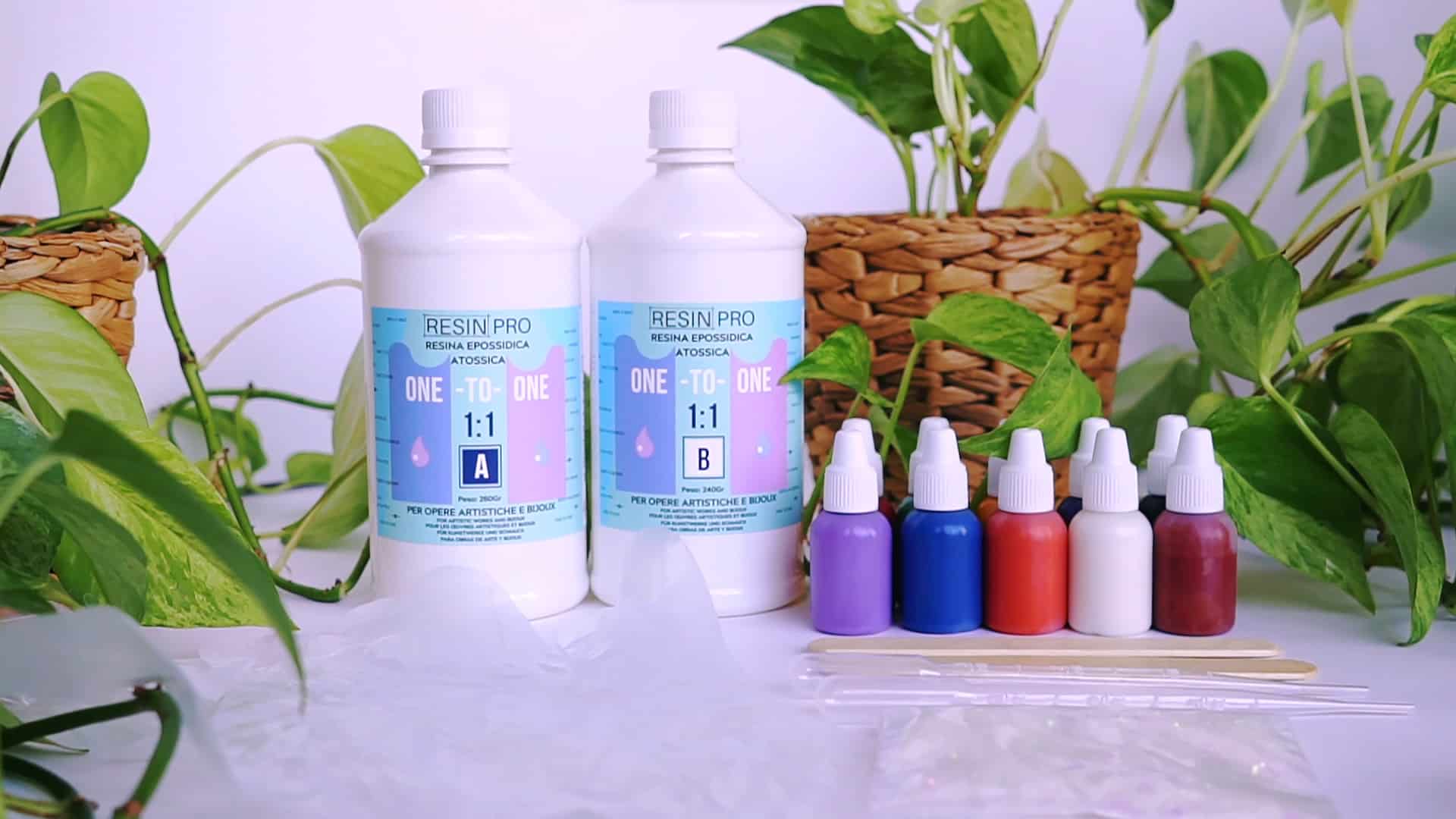
- “One-2-One” – Epoxy Resin for Handcraft, 1:1 Mixing Ratio
- “Icrystal” – Clear Epoxy Resin – Odourless Formula – Up to 1.5cm
- Small pieces of untreated or lightly sanded wood (such as maple, walnut, or offcuts)
- Silicone moulds or bezels
- Protective gloves, apron, and safety glasses
- Sandpaper (various grades), polishing pads
- Jewellery findings (jump rings, earring hooks, keychain hardware)
- Mixing cups, stirrers, and paper towels

Start with Safety and Inspiration
Wear gloves and goggles when handling resin, and work in a space with fresh air. Browse designs and social media to gather creative ideas before you begin your own piece. Preparation ensures confidence and beautiful results.
Step 1: Safety comes first
Always wear gloves and eye protection when working with resin. Use a well-ventilated area to minimise exposure to fumes, even with odourless formulas. Cover your workspace with plastic or newspaper to prevent spills, and keep all tools and materials within easy reach. Before starting, ensure your hands, moulds, and wood pieces are dust-free to avoid imperfections in your finished jewellery.
Step 2: Plan your design and gather your pieces
Decide on the shapes, colours, and inclusions for your jewellery. Sketch your ideas or lay out wood slices and other inclusions such as dried flowers or pigments. Use bezels—such as the Set of 10 Open Metal Bezels for Jewellery Making and UV Resin Projects—for making pendants or charms in unique shapes. Having all materials prepped will ensure a smooth, creative process.
Step 3: Prepare your wooden elements
Lightly sand each wood piece to achieve a smooth surface, using fine-grain sandpaper. Clean off any dust, as debris will show through the resin and affect clarity. For hardwoods and intricate pieces, consider sealing the wood with a thin layer of epoxy or clear coat to prevent air bubbles escaping during casting. Let the sealed pieces dry thoroughly before moving forward.

Step 4: Mix and pour the resin
Carefully follow the mixing instructions for your chosen resin. If you use the “Evershine Collection” – Artisan Jewellery Epoxy Resin Kit with 100+ Accessories, benefit from its 1:1 ratio, which helps avoid measuring mistakes. For deeper pours or odour-sensitive environments, “Icrystal” – Clear Epoxy Resin – Odourless Formula – Up to 1.5cm suits projects requiring crystal-clear transparency. Mix slowly, scraping the sides and base of your mixing vessel to prevent unmixed patches and reduce bubbles. Pour the resin gently over your wood pieces within the moulds or bezels, covering the elements entirely. Tap the mould lightly to release trapped air and pop surface bubbles with a toothpick or heat gun if needed. Allow the piece to cure undisturbed as recommended by the resin manufacturer.
Step 5: Finish and assemble your jewellery
After the resin cures fully, demould your jewellery and inspect for sharp edges or imperfections. Sand these areas in stages with progressively finer papers, achieving a glassy, polished finish. For a truly professional touch, polish further with a microfibre cloth. Install jump rings, earring wires, or necklace chains as needed. If you are using the “Evershine Collection” – Artisan Jewellery Epoxy Resin Kit with 100+ Accessories, you can take advantage of the included mini drill and findings to easily create holes and attach hardware, ensuring your piece is ready to wear or gift.
Tips, Common Mistakes, and Troubleshooting
Avoid moisture: Wood must be thoroughly dry before embedding in resin. Moist wood can cause cloudiness and bubbles.
Prevent bubbles: Mix resin slowly and consider sealing wood pieces in advance. Use a heat gun lightly if persistent bubbles appear.
Resin leaks: Ensure bezels and moulds fit tightly. For open bezels, tape one side before pouring resin.
Sharp edges: Always sand and polish edges to a smooth finish for both comfort and aesthetics.
Experiment with pigments, dried flowers, or metallic accents for extra flair, but always test a small batch first to see how your materials interact with resin.
Refining Details and Adding Personality
Careful sanding and the right resin choice give your jewellery a professional finish. Personalise your items with pigments or inclusions, always using compatible materials for resin and wood projects.

- "Evershine Collection" – Artisan Jewellery Epoxy Resin Kit with 100+ Accessories£20.85"Evershine Collection" offers a comprehensive 1:1 epoxy resin jewellery kit with over 100 accessories, suitable for beginners and crafters.
- Set of 10 Open Metal Bezels for Jewellery Making and UV Resin ProjectsOriginal price was: £8.45.£6.85Current price is: £6.85.This set features 10 open metal bezels for crafting jewellery with UV resin, suited to festive and creative projects.
- "One-2-One" – Epoxy Resin for Handcraft, 1:1 Mixing RatioPrice range: £14.85 through £56.85"One-2-One" epoxy resin features a medium viscosity and a straightforward 1:1 mixing ratio for clear, safe resin crafting projects.
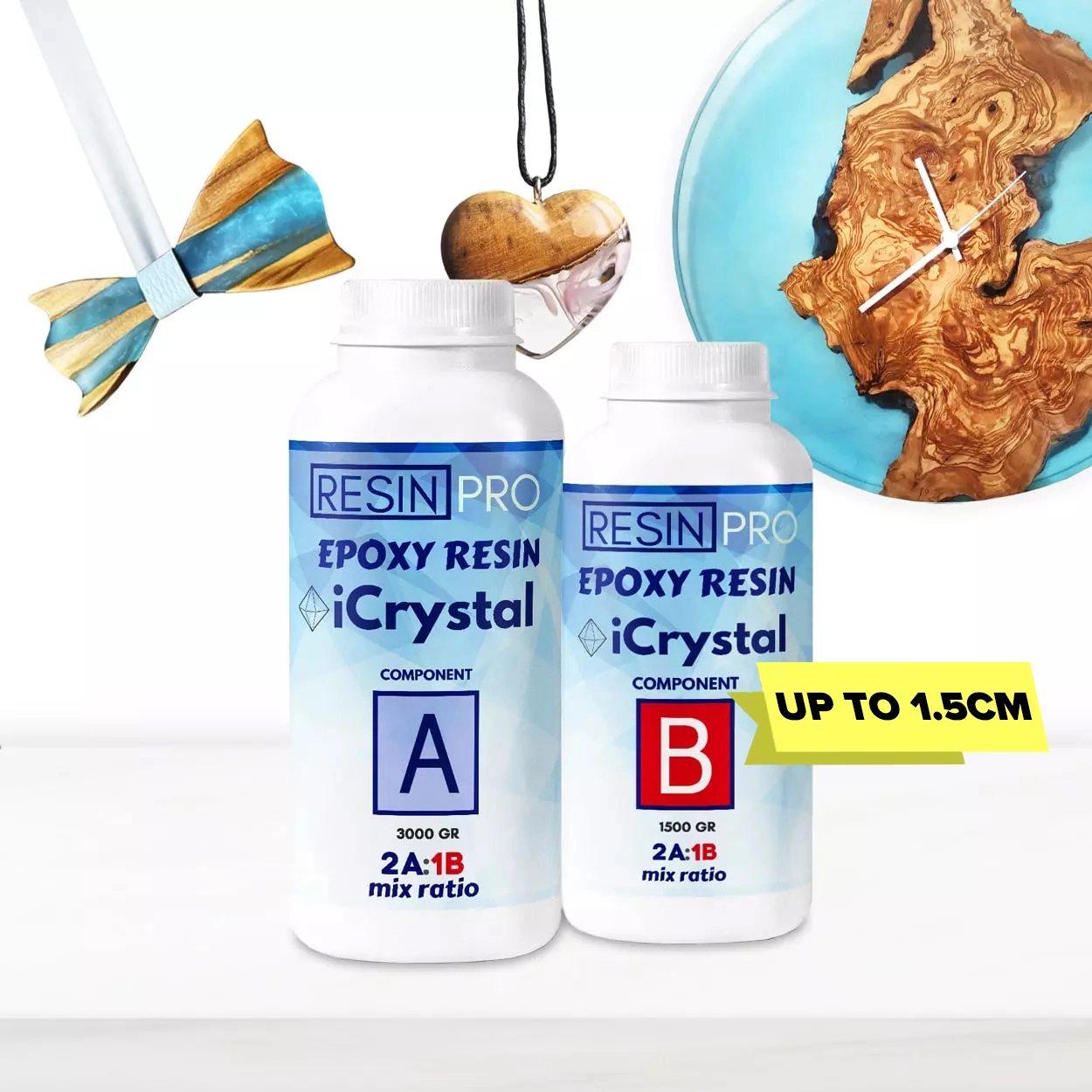 "Icrystal" – Clear Epoxy Resin – Odourless Formula – Up to 1.5cmPrice range: £11.65 through £954.85The "Icrystal" Clear Epoxy Resin is a transparent, odourless formula suitable for jewellery and wood projects.
Frequently Asked Questions
Which woods work well for making resin and wood jewellery?
Hardwoods like maple, walnut, or oak are preferred due to their strength and smooth finish after sanding.
How do you avoid bubbles when working with resin and wood?
Seal dry wood pieces and mix resin slowly. Use a heat gun or torch gently to eliminate surface bubbles.
How long should I allow resin to set for jewellery projects?
Curing time varies but is typically between 24 and 48 hours depending on the resin and temperature.
What is the best technique for mixing epoxy resin for jewellery?
Combine parts exactly as directed (by volume or weight), stir slowly, and scrape all sides to ensure even blending.
Can I include pigments, flowers, or glitter in resin and wood jewellery?
Yes, ensure pigments and inclusions are dry and compatible. Test combinations in small amounts first.
What causes resin to remain sticky or soft after curing in jewellery projects?
Sticky resin is usually due to improper mixing. Double-check proportions and mixing time.
What’s the best way to get a glossy, smooth finish on resin and wood jewellery?
Sand in stages with fine papers, then use polishing pads or a microfibre cloth for shine.