 Free shipping on orders over £29,85
  Shipping Tracking!


 Google
 Facebook
how to make resin bracelets
A step-by-step guide for glossy, creative resin jewellery


Resin bracelets offer a creative way to design unique, glossy jewellery at home with just a handful of tools and a bit of patience. Whether you prefer simple, elegant bangles or custom creations filled with petals, pigments or glitter, mastering the basics is all you need to get started. This guide walks you through every step, sharing pro tips to help beginners and hobbyists achieve beautiful results and avoid common pitfalls.
What You’ll Need
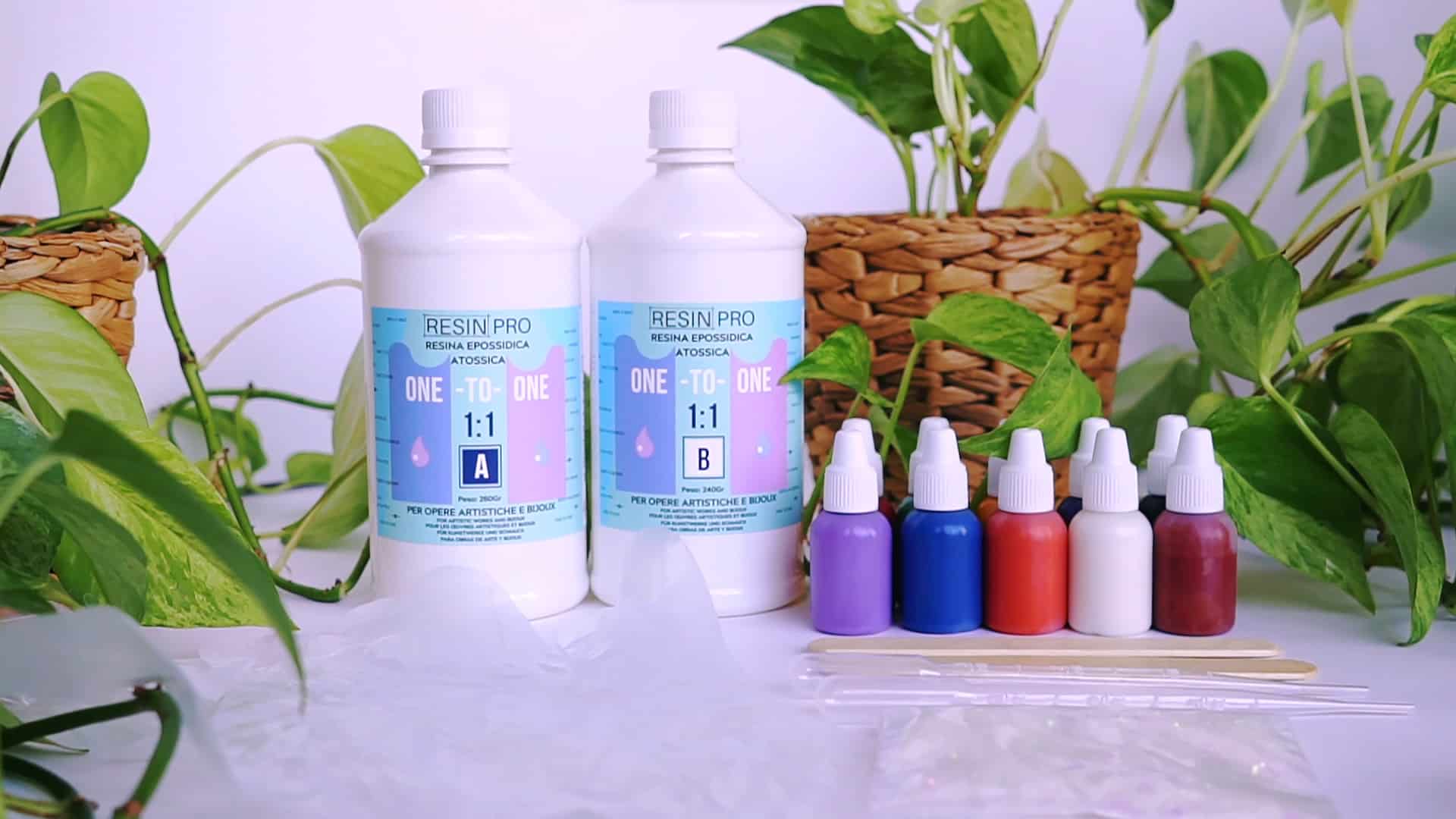
- “Evershine Collection” – Artisan Jewellery Epoxy Resin Kit with 100+ Accessories: An all-in-one starter kit designed for resin crafters seeking clear epoxy and comprehensive accessories for jewellery.
- “One-2-One” – Epoxy Resin for Handcraft, 1:1 Mixing Ratio: Medium viscosity epoxy resin designed for handcrafting with an easy 1:1 volume mixing ratio.
- “UV–Creation” – Fast Acrylic Resin, 3 Minute UV Cure: A fast-curing UV acrylic resin designed for jewellery makers and crafters seeking quick results and a clear, glossy finish.
- “ICreation” – Fast Epoxy Resin, 6h Demoulding, Transparent Gloss Finish: A fast epoxy resin with a clear, glossy finish designed for jewellery and decorative crafts requiring shorter cure times.
- Silicone bracelet moulds
- Measuring jug and mixing sticks
- Wear gloves and work in a ventilated space
- Optional: pigments, glitter, dried flowers, and a UV lamp if using UV resin

Inspiring Designs & Creative Uses
From translucent bangles to personalised charm bracelets, resin jewellery is remarkably versatile. Experiment with metallic foils, pressed flowers, or vibrant pigments inside your moulds for custom creations. Many crafters enjoy gifting or selling their handmade bracelets thanks to resin’s durable and glass-like finish.
Step 1: Prepare Your Workspace and Materials
Choose a clean, dust-free work surface and cover it with disposable sheet or plastic to catch drips. Collect all the tools and moulds before starting, as resin begins to cure once mixed. Place silicone moulds on a flat tray to keep them stationary and easier to move safely. Don gloves to shield your hands and ensure good ventilation to limit exposure to resin vapours.
Use a precise resin kit with accessories for a smoother experience. If you are new, starter kits like the “Evershine Collection” – Artisan Jewellery Epoxy Resin Kit with 100+ Accessories can make material preparation straightforward, including the moulds and tools you’ll need for bracelet making.
Step 2: Mix and Colour the Resin
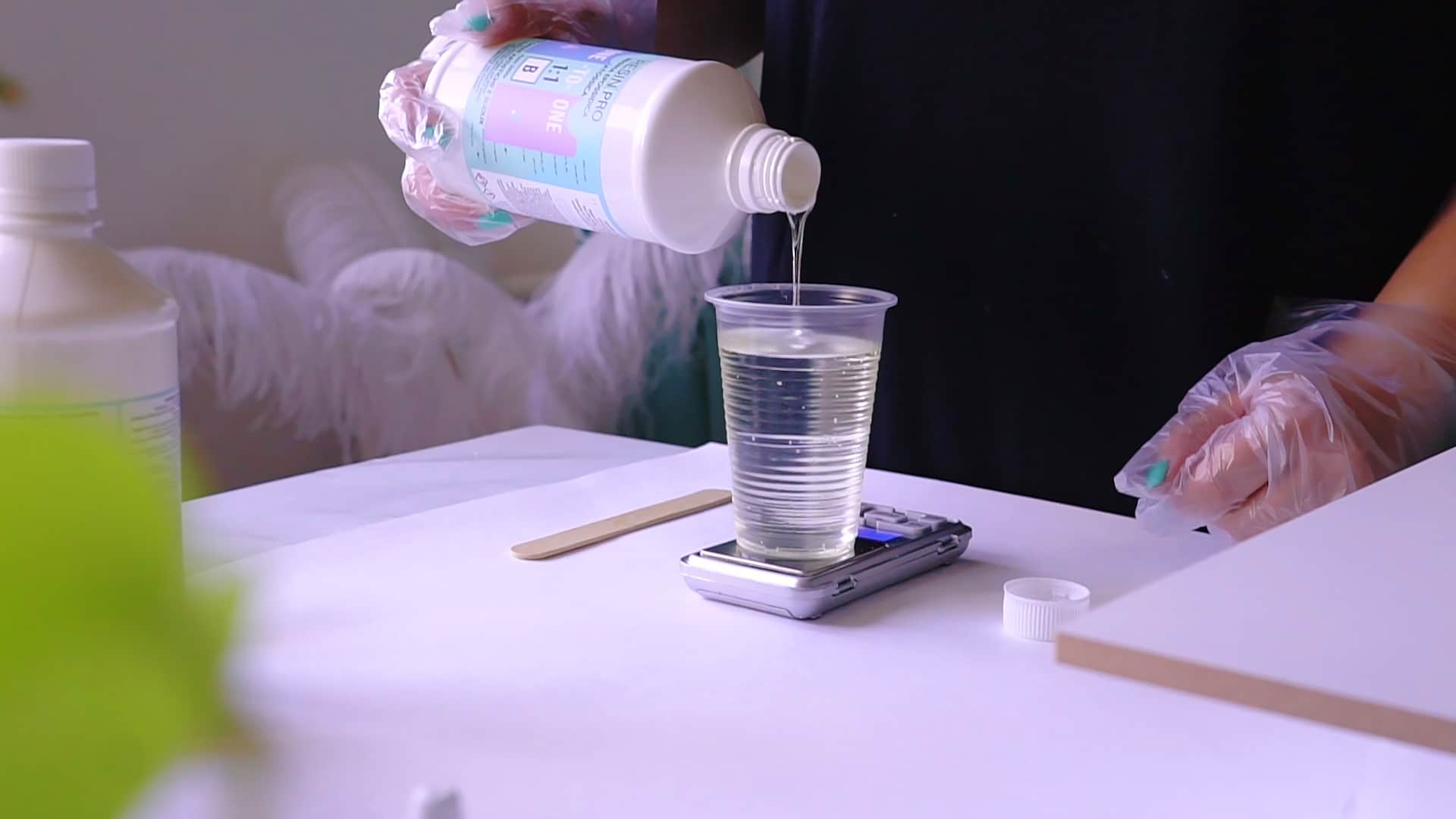
Choose a suitable resin based on your chosen technique. Measure mixing quantities carefully, following the specific resin’s instructions—most bracelet resins use an easy 1:1 or 2:1 ratio, but always double-check your product guidelines. Combine components slowly to minimise bubble formation, scraping the sides and bottom thoroughly. Once fully blended, add pigments, glitters, or dried flowers as desired, stirring gently until evenly mixed.
If you require a quick cure or plan to work in thin layers, “UV–Creation” – Fast Acrylic Resin, 3 Minute UV Cure is excellent for rapid results. Otherwise, for classic epoxy options, use your chosen kit or resin.
Step 3: Pour into the Mould and Remove Bubbles
Slowly pour resin mix into the silicone bracelet mould. Pouring in a thin stream from one corner allows air bubbles to rise more easily. Fill the mould carefully, ensuring all inner surfaces are coated and decorative elements are positioned as you wish. Let the resin sit for a few minutes to allow bubbles to surface.
Let bubbles rise and gently pop them before curing for best clarity. You can use a cocktail stick to burst visible bubbles or — for compatible resins — a quick waft with a heat gun from a distance. With UV resin, position your filled mould under a UV lamp and cure as directed. For epoxy, simply allow it to rest undisturbed.
Step 4: Cure, Demould and Finish
Follow the curing time given for your specific resin—a fast-setting option such as “ICreation” – Fast Epoxy Resin, 6h Demoulding, Transparent Gloss Finish can be demoulded after 6 hours, while UV resin hardens in just a few minutes under the lamp. Do not disturb the mould during curing, as jostling can cause imperfections.
Once fully set, carefully unmould your bracelet. Lightly sand sharp edges if necessary and polish for a perfect finish. Attach clasps or findings as desired to turn your resin piece into ready-to-wear jewellery.
Allow the bracelet to cure fully for lasting strength and shine. Rushing this stage can weaken your design or leave surfaces tacky.

Tips and Troubleshooting for Resin Bracelet-Making
Choose resins that match your experience level and project requirements. For those new to resin, opting for beginner-friendly kits or simple 1:1 mixing products can boost confidence and reduce measuring errors. Always work slowly to avoid bubbles and spills, and avoid pouring thick layers at once, especially with UV resin. If a bracelet feels soft or bends after demoulding, let it cure longer in a warm, dust-free place. Never use alcohol inks with UV resin; stick to recommended additives for best results. Patience and clean, careful technique make all the difference.
Finishing Touches and Professional Presentation
Carefully sand cured bracelets for comfort and polish with a soft cloth to enhance clarity and shine. Presenting your pieces in coordinated boxes or pouches can add a personal, professional touch—perfect for gifts or small businesses.
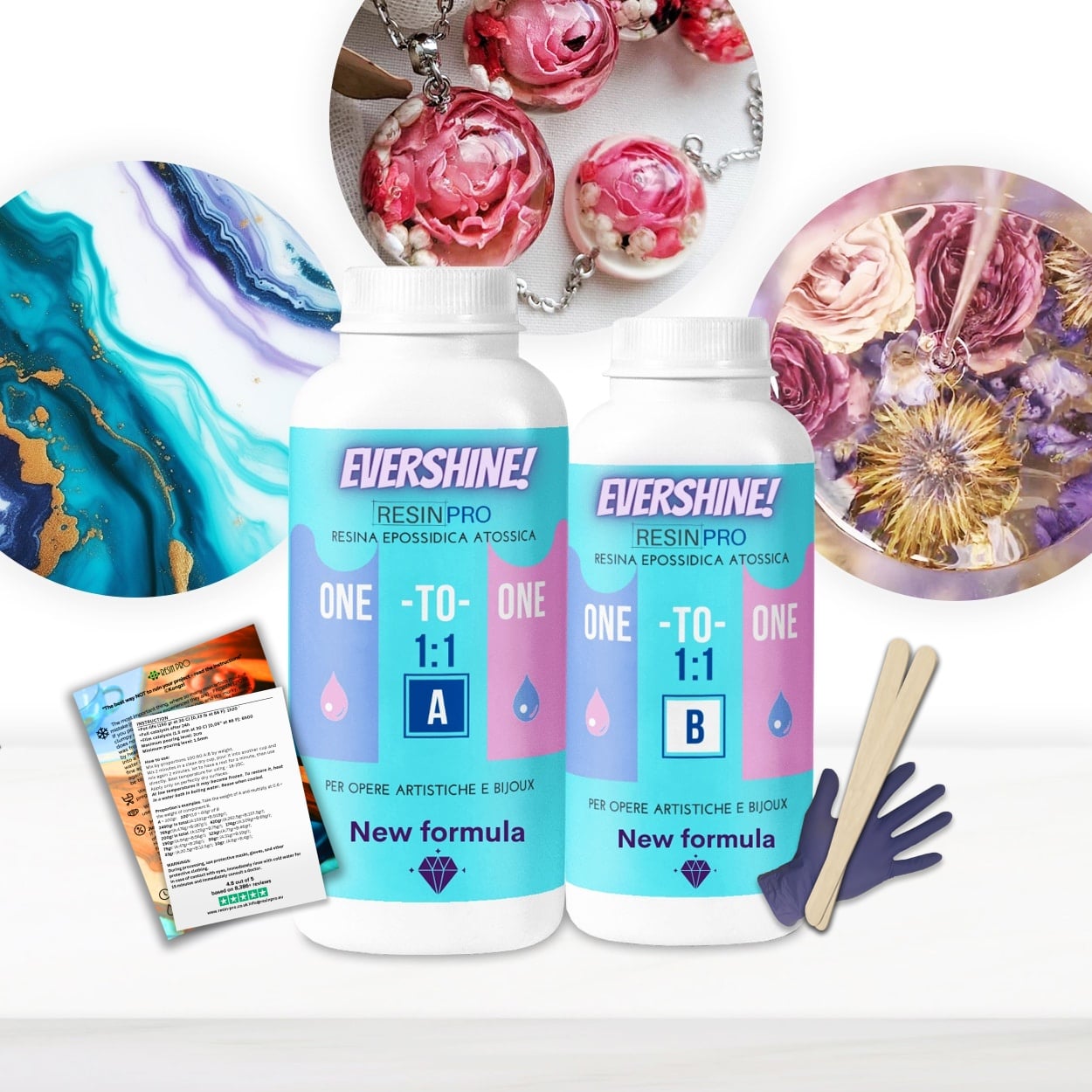
- "Evershine Collection" – Artisan Jewellery Epoxy Resin Kit with 100+ Accessories£20.85"Evershine Collection" offers a comprehensive epoxy resin kit with 500g clear resin and over 100 accessories, suitable for resin jewellery making.
- "One-2-One" – Epoxy Resin for Handcraft, 1:1 Mixing RatioPrice range: £14.85 through £56.85"One-2-One" epoxy resin offers a medium viscosity and clear glossy finish suited to bracelet making and other resin craft projects.
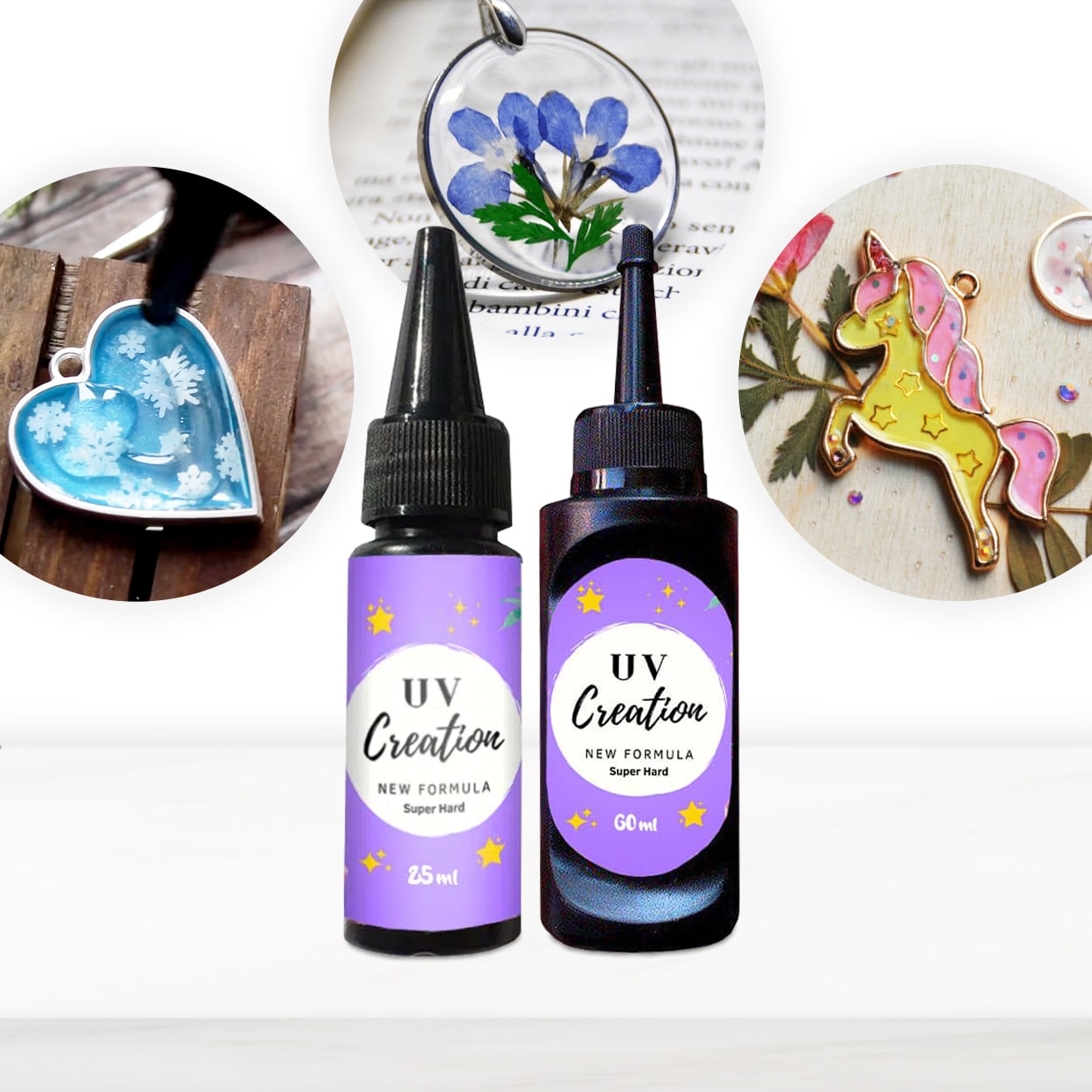 "UV–Creation" – Fast Acrylic Resin, 3 Minute UV CurePrice range: £7.85 through £59.85UV–Creation is a UV gel resin that cures rapidly and produces a clear, glossy finish suitable for making resin jewellery bracelets.
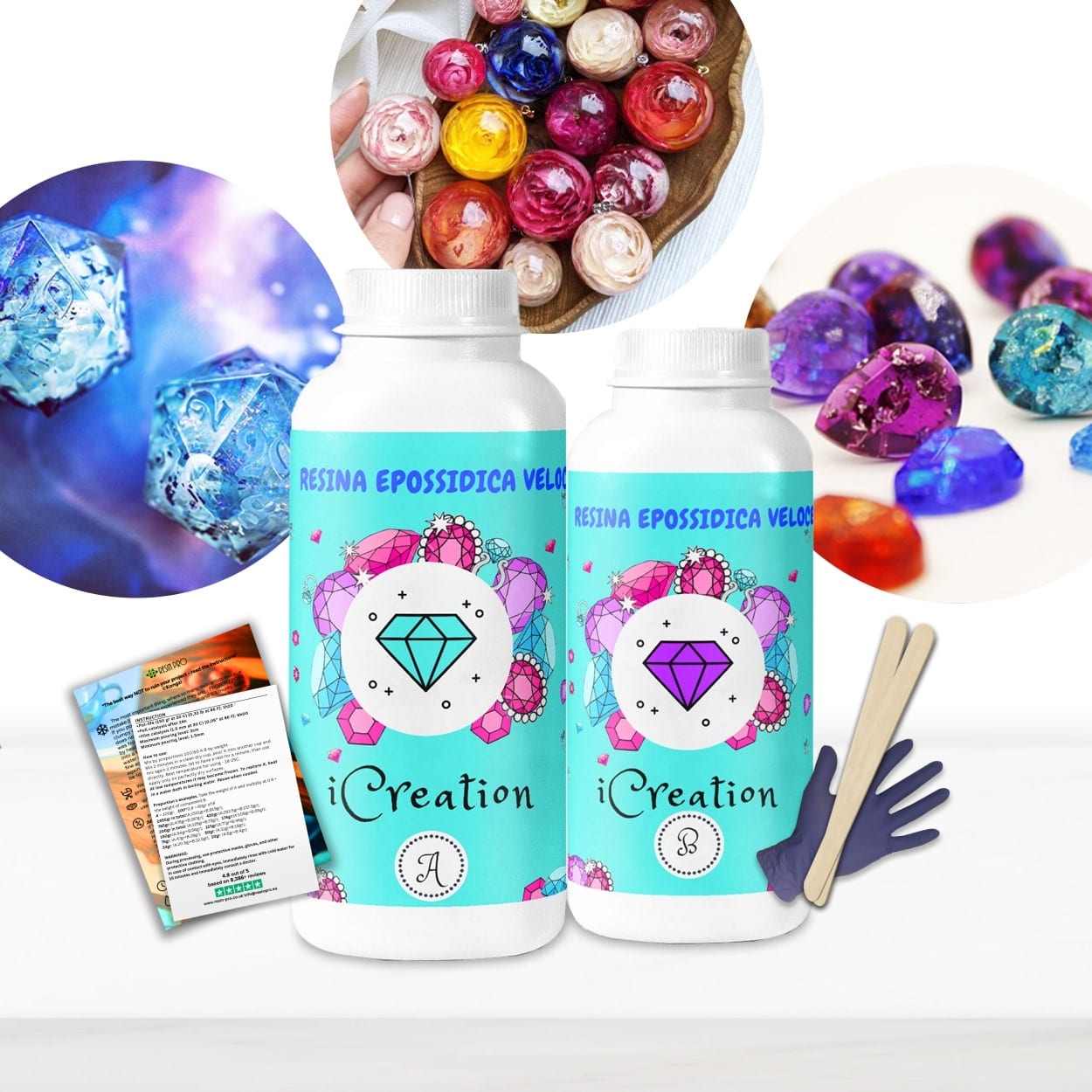 "ICreation" – Fast Epoxy Resin, 6h Demoulding, Transparent Gloss FinishPrice range: £19.40 through £52.85Fast curing epoxy resin suitable for jewellery; offers clear, glossy finish and 6-hour demoulding to fit resin bracelet making.
Frequently Asked Questions
What is the best resin for beginner bracelet making?
A 1:1 mix epoxy resin or an all-in-one starter kit makes preparation easy and helps avoid common errors for beginners.
How do I prevent bubbles in my resin bracelets?
Mix resin slowly and pour from the side in a thin stream. Let bubbles rise, then remove them gently before curing.
What is the fastest way to cure a resin bracelet?
Using UV resin with a UV lamp cures bracelets in minutes. Fast epoxy options can be demoulded in 6 hours.
Why is my resin bracelet tacky after curing?
Tackiness often results from under-mixing, inaccurate ratios or removing the bracelet before full cure. Let cure longer in a warm area.
Can I add flowers or glitter to my resin bracelet?
Yes, dried flowers, glitters and pigments can all be embedded for decorative effects. Add them after mixing resin and before pouring.
What moulds are best for resin bracelets?
Flexible silicone moulds specifically shaped for bangles or cuffs work best. They allow for easy demoulding and a smooth finish.