 Free shipping on orders over £29,85
  Shipping Tracking!


 Google
 Facebook
How to make resin clutches?
Step-by-step guide to designing unique resin clutch bags
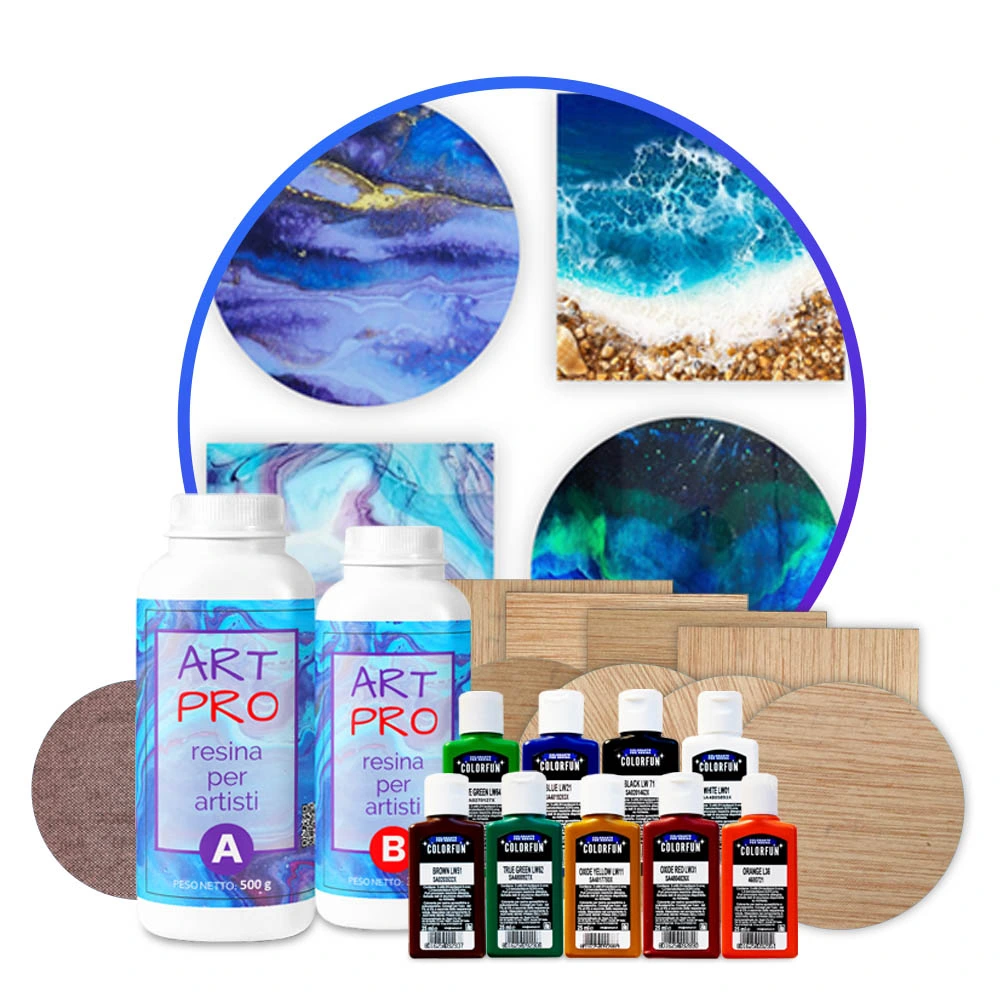
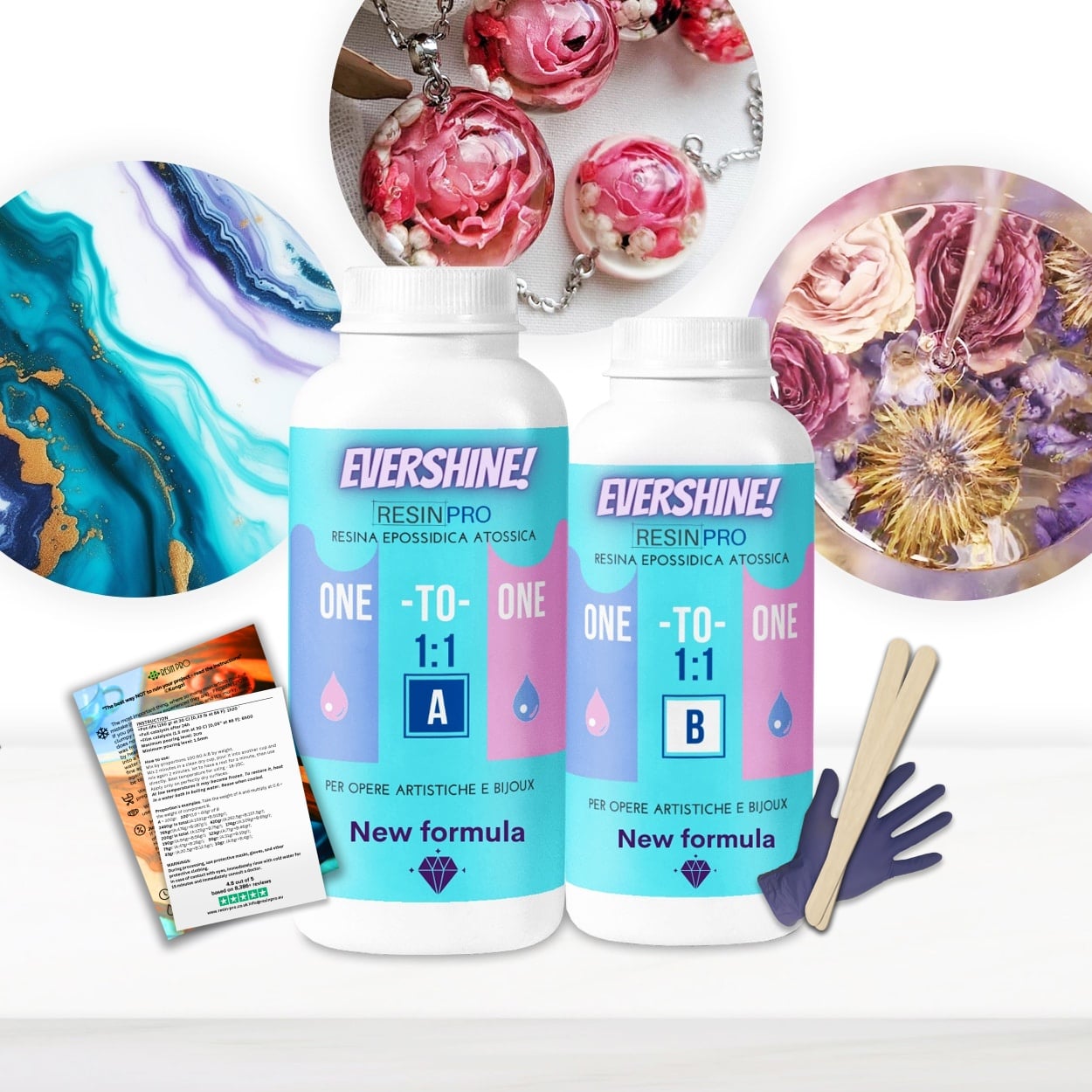
Resin clutches are a stand-out accessory, combining vibrant designs with durable, high-gloss finishes. Creating your own resin clutch lets you customise colour, style and effects to match your taste. This guide will walk you through every stage – from prepping your design, to mixing your resin, and applying professional finishing touches. Whether you’re a beginner looking to try resin art or a craft enthusiast ready to make wearable masterpieces, this practical how-to will get you started.
What You’ll Need
- “One-2-One” – Epoxy Resin for Handcraft, 1:1 Mixing Ratio: For easy mixing and a glass-like finish ideal for clutches
- Silicone mould or clutch casing: Pre-made or custom
- Gloves, mixing sticks, measuring cups
- Protective work surface and mask (when sanding or polishing)
- Resin colourants, pigments, or inclusions (e.g. glitter, dried flowers)
- Clutch hardware (hinge frames, clasps, chains)
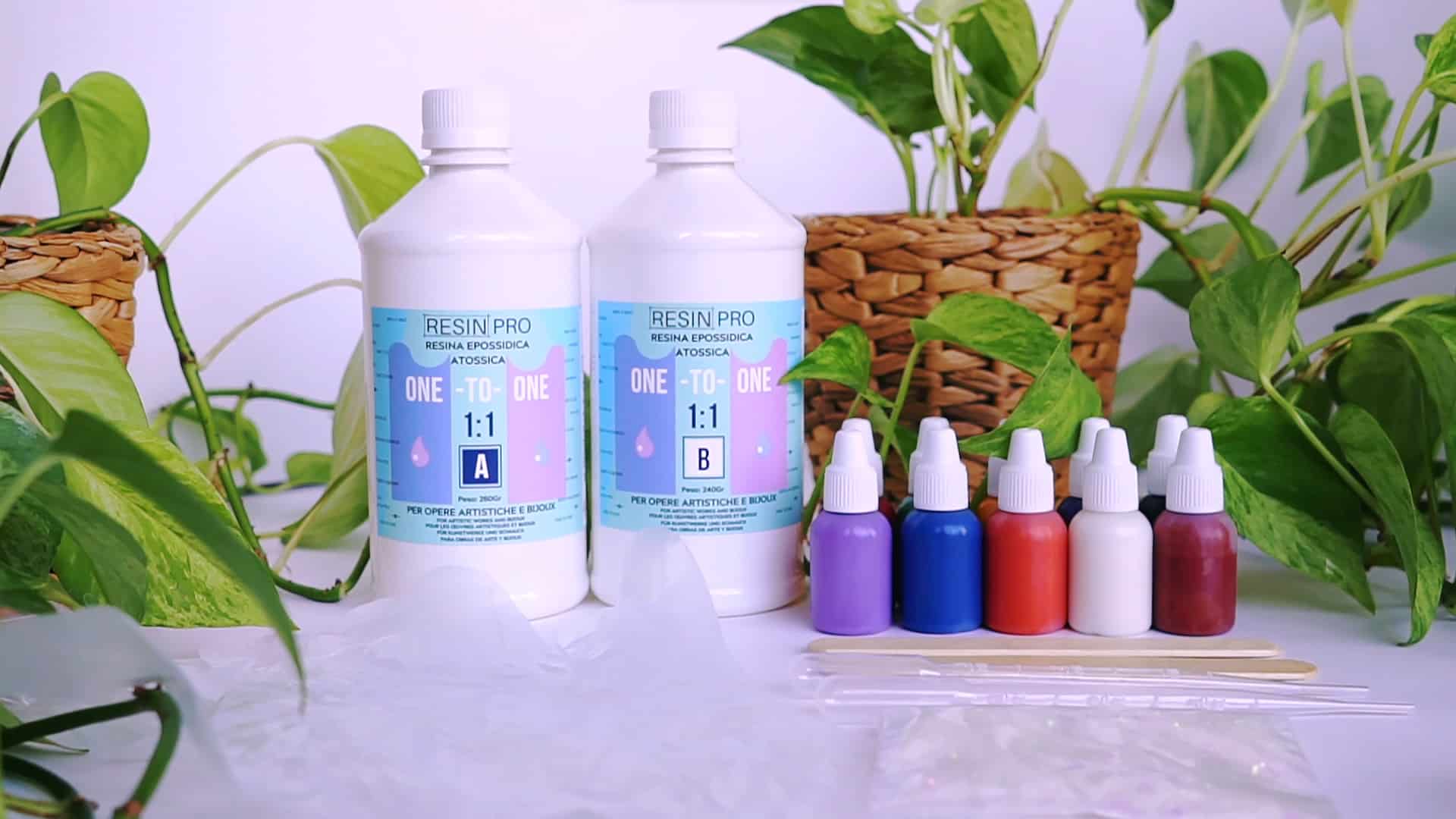
Essential Tools and Surface Preparation
Having the right tools and a clean workspace makes the resin clutch-making process smoother and safer. Always keep gloves, mixing instruments, and protective sheets ready before starting your project.

Step 1: Plan and Prepare Your Design
Plan your design and gather accurate measurements. Decide on the size, shape, and overall aesthetic of your clutch. This could mean sketching your idea or using a template. A silicone mould works well for clean shapes, but you can also purchase clutch-shaped moulds online or make one yourself. Prepare all your decorative elements, such as glitter, pigment, dried flowers, or patterned cut-outs, before you mix the resin to avoid delays when working.
Lay out everything you need in advance and make sure your work area is protected with a covering or tray. Organisation will help you work efficiently, especially as resin can begin to cure quickly once mixed.
Step 2: Mix the Epoxy Resin Carefully
Follow your resin’s instructions for mixing ratios and timing. For ease of use and clear, consistent results, try the “One-2-One” – Epoxy Resin for Handcraft, 1:1 Mixing Ratio. Wear gloves and measure the resin and hardener precisely in separate cups. Pour them together and mix slowly for 3-5 minutes, scraping the sides and bottom to ensure a thorough blend.
Always wear gloves and work in a ventilated space when handling resin. Avoid mixing too quickly, as this introduces bubbles. If using colours or inclusions, add them after your resin is mixed and stir gently to distribute evenly.
Step 3: Pour Into the Mould and Add Details
Once your resin is completely mixed, pour the resin slowly and evenly into your mould. Pour in stages if you want layered effects with embedded decorations. Use a toothpick or thin stick to arrange inclusions precisely while the resin is still workable.
Tap the mould gently to bring air bubbles to the surface, or pass a heat gun briefly over the resin to remove any small bubbles. Ensure the back and sides are filled completely to avoid thin spots or weak edges. Let the resin rest undisturbed for an even surface.
Step 4: Curing, Demoulding and Assembly
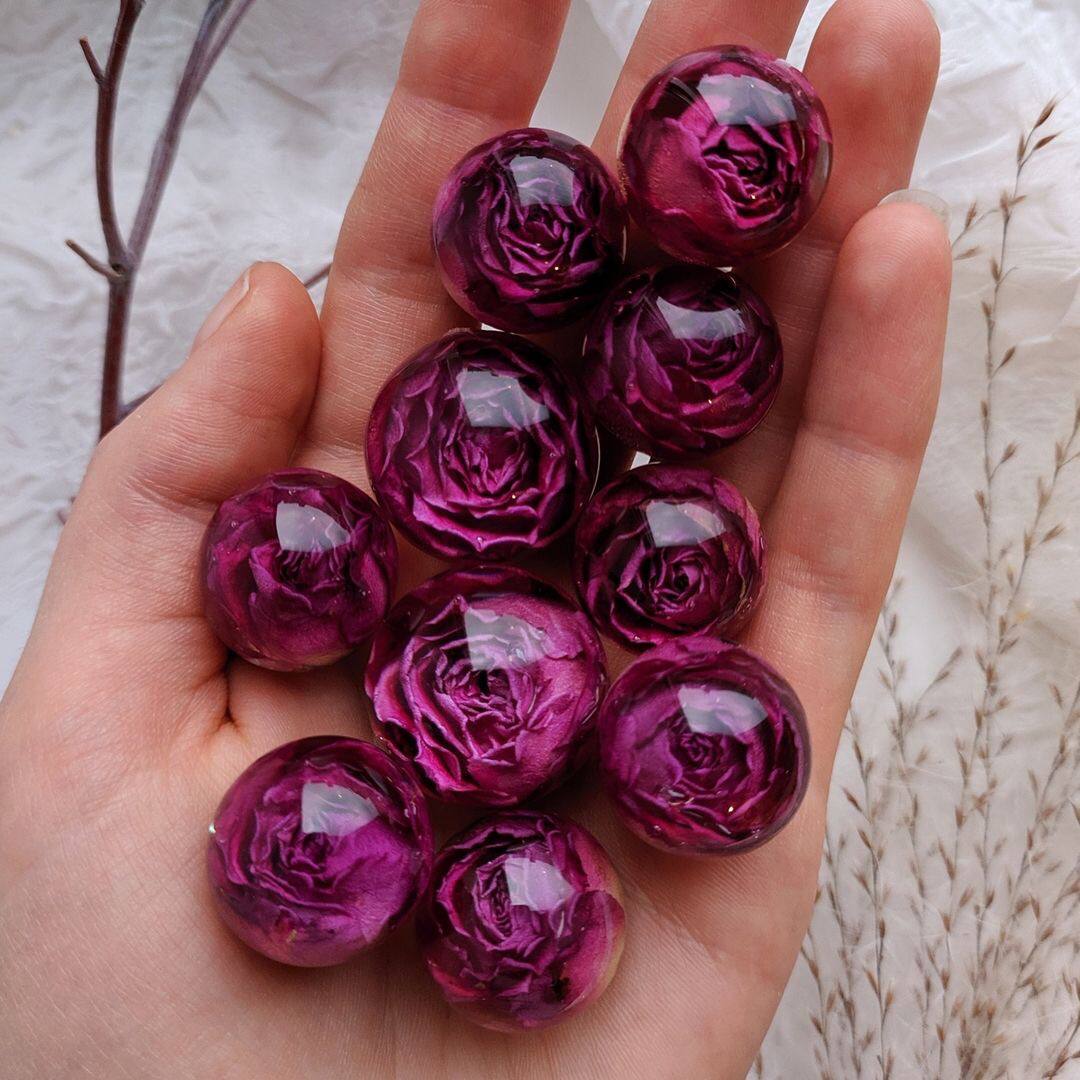
The final appearance and durability of your clutch depend on proper curing. Allow the resin to cure fully before demoulding; times vary by resin type and room temperature. For example, the “One-2-One” resin typically takes 24–48 hours to harden completely, while fast-setting options may be ready sooner. Once cured, gently remove the clutch body from the mould.
Sand any rough edges with fine-grit sandpaper for a smoother finish. Assemble the clutch by attaching metal frames, clasps, and any chain handles following manufacturer instructions for your hardware.
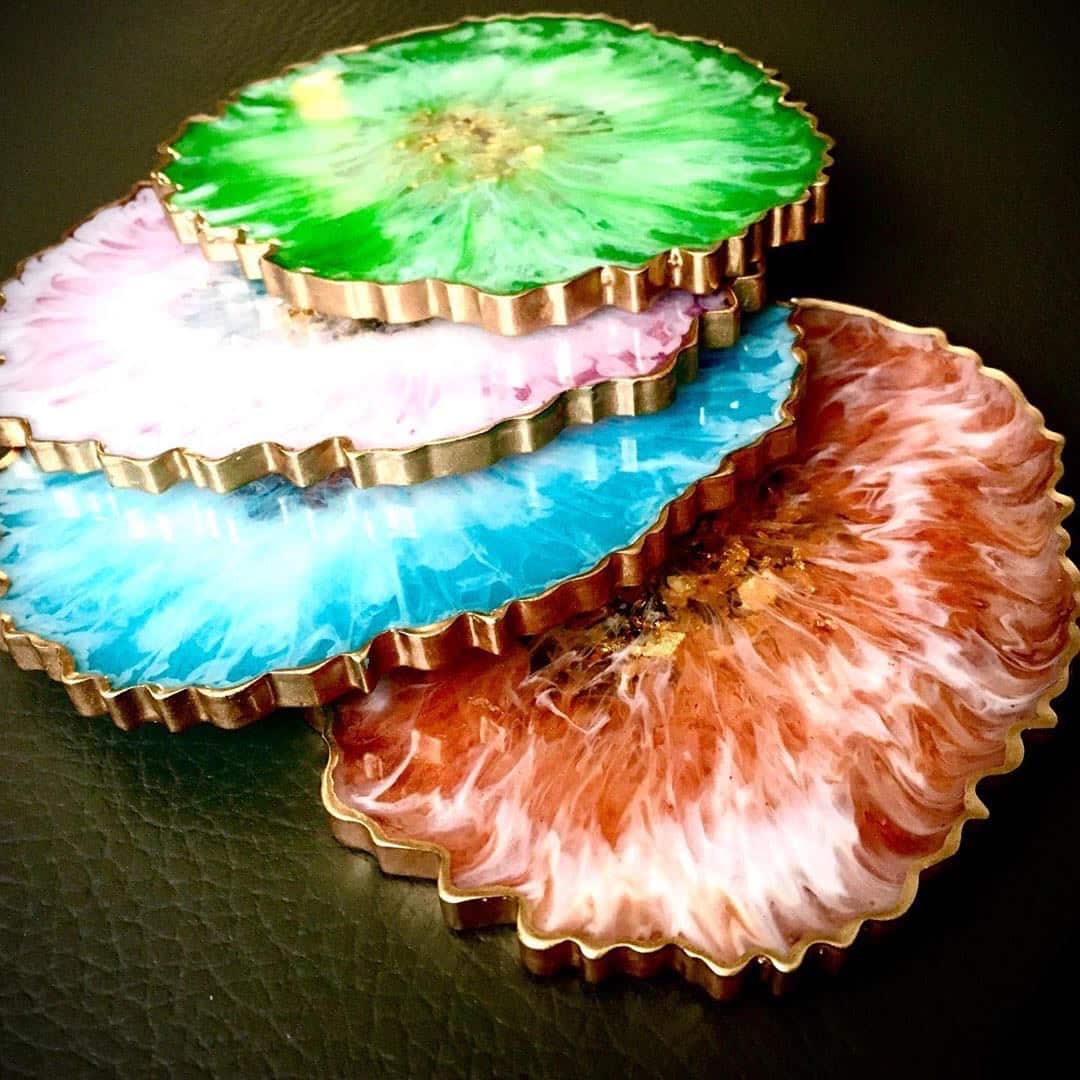
Step 5: Add Finishing Touches
Finishing touches make all the difference between a homemade look and a professional, glossy accessory. Wipe away sanding dust and, if necessary, apply a final layer of resin or a resin polish for extra shine and smoothness. Clean hardware before attaching, and ensure all parts are securely fitted.
Let your finished clutch cure for another 24 hours before use to maximise hardness and durability. Now you’ve got a one-of-a-kind, fashionable resin clutch that’s ready to be shown off!
Tips and Troubleshooting for Flawless Resin Clutches
- Measure resin and hardener accurately–incorrect ratios lead to sticky, soft or cloudy results.
- Work in a dust-free, temperature-stable room for best clarity and curing.
- If bubbles persist, use a heat gun or alcohol spray lightly on the surface—avoid overheating, which can damage the mould or resin.
- Always allow full cure time; premature removal risks distortion and structural weakness.
- Don’t neglect safety–ventilate your workspace and use gloves even for surface sanding or polishing.
Creative Inspiration for Resin Clutches
You can personalise your resin clutch with marbled pigments, vibrant glitters, metallic foils or pressed flowers. Customise each piece with unique colour blends and inclusions for truly individual accessories.
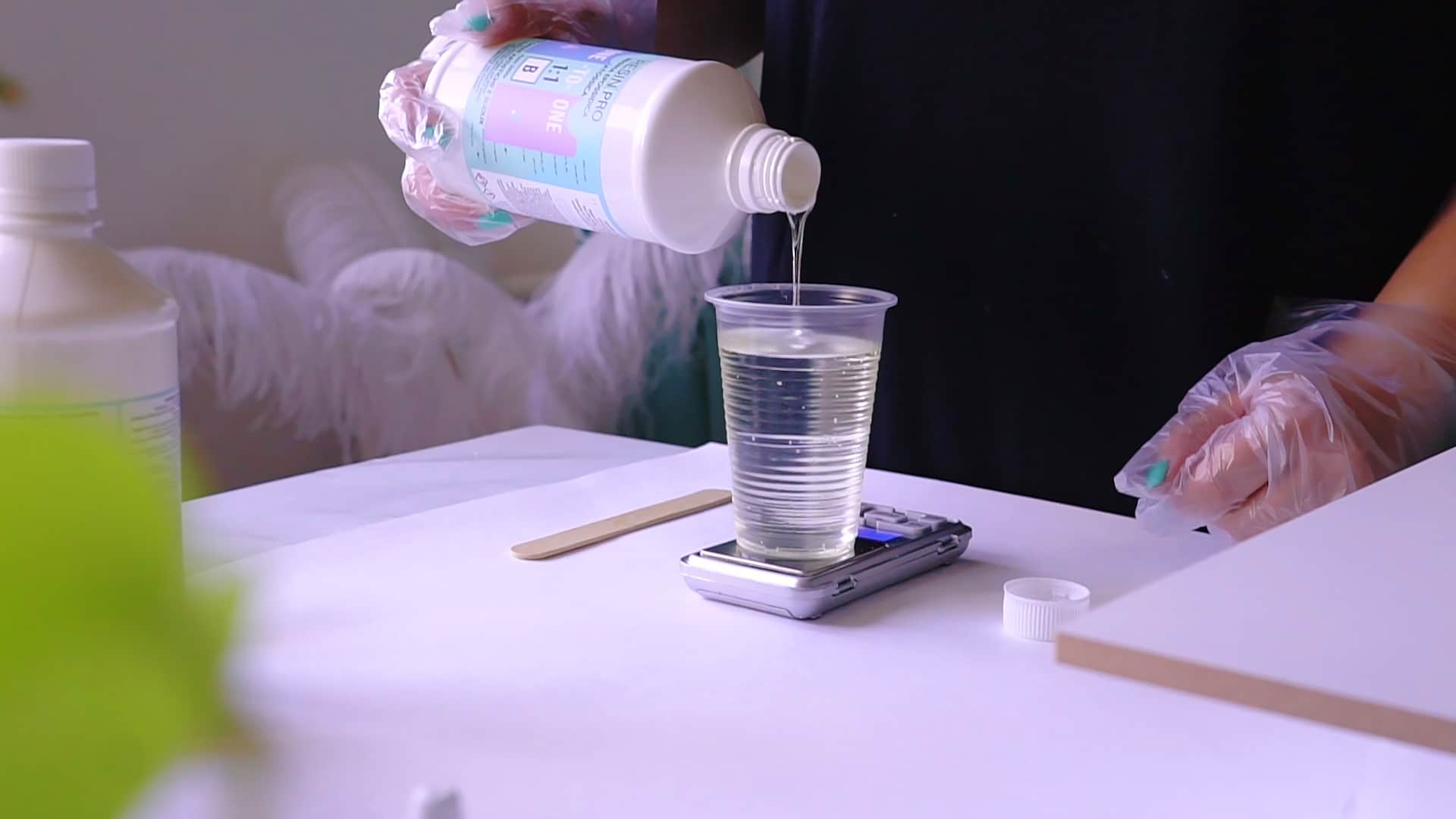
- Wooden Resin Coaster Starter Kit – Create Beautiful Handmade Coasters at Home£50.85Wooden Resin Coaster Starter Kit enables beginners to create stylish, glossy resin coasters using vibrant colours in a creative home setting.
- "One-2-One" – Epoxy Resin for Handcraft, 1:1 Mixing RatioPrice range: £15.95 through £59.95"One-2-One" epoxy resin is a medium viscosity, clear resin with a simple 1:1 mixing ratio, suitable for handcraft projects and jewellery making.
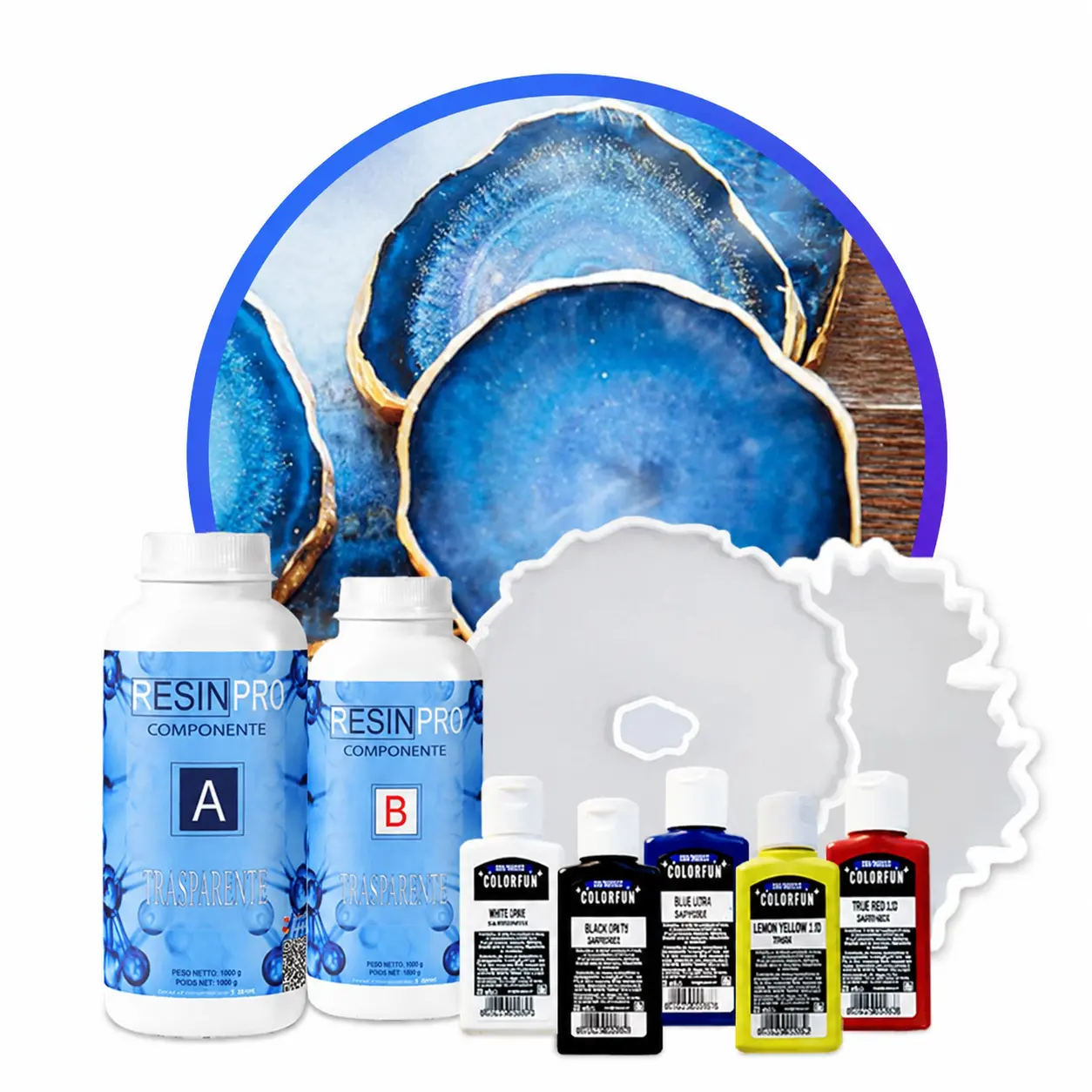 Resin Geode Coaster Starter Kit – Create Stunning Crystal-Style Coasters at Home£42.85Complete kit for making resin geode coasters, suitable for beginners and inspired by natural crystal styling.
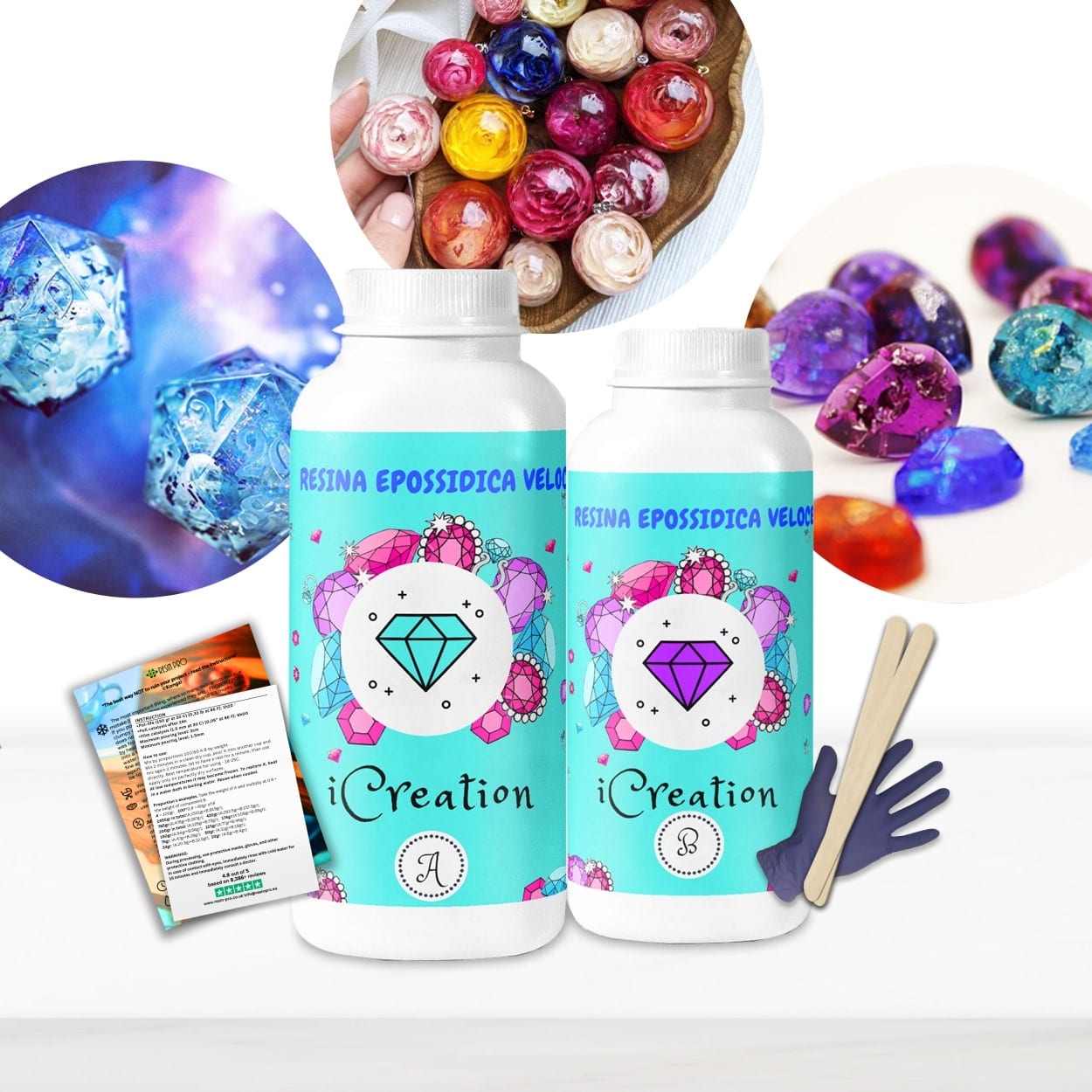 "ICreation" – Fast Epoxy Resin, 6h Demoulding, Transparent Gloss FinishPrice range: £15.95 through £55.95ICREATION Fast Epoxy Resin offers a transparent, self-levelling finish with a 6-hour demoulding time, suited for rapid resin craft projects.
Frequently Asked Questions
What resin is best for making clutch bags?
Choose a medium viscosity, clear epoxy such as "One-2-One" for high-gloss, durable results suitable for clutch bags.
How long does resin take to cure in a clutch mould?
Full cure can take 24–48 hours depending on type and conditions. Fast-curing resins may be demoulded sooner but require additional hardening time.
How do I remove bubbles from my resin clutch?
Bubbles can be removed by gently using a heat gun or passing a flame over the surface. Work carefully to avoid overheating.
Can I embed decorations like flowers or glitter in my resin clutch?
Yes, add inclusions once resin is mixed but before pouring to create custom effects. Secure objects so they do not float or move during curing.
How do I achieve a glossy professional finish on my clutch?
Apply resin smoothly without overmixing, remove dust and bubbles, and consider a final polish or resin top coat once cured.
Why is my resin clutch sticky or not hardening?
Improper mixing ratios or insufficient curing time can leave resin tacky. Measure accurately and follow resin instructions closely.