 Free shipping on orders over £29,85
  Shipping Tracking!


 Google
 Facebook
How to make wood and resin rings
Step-by-step guide to stunning handcrafted resin rings


Crafting your own wood and resin rings is a creative and rewarding process that blends natural materials with vibrant, crystal-clear epoxy. Whether you’re aiming for a one-of-a-kind gift or wishing to expand your jewellery making skills, this comprehensive guide will help you achieve beautiful and professional results while avoiding common pitfalls.
What You’ll Need
- “Evershine Collection” – Artisan Jewellery Epoxy Resin Kit with 100+ Accessories – ideal all-in-one kit for beginners and experienced makers
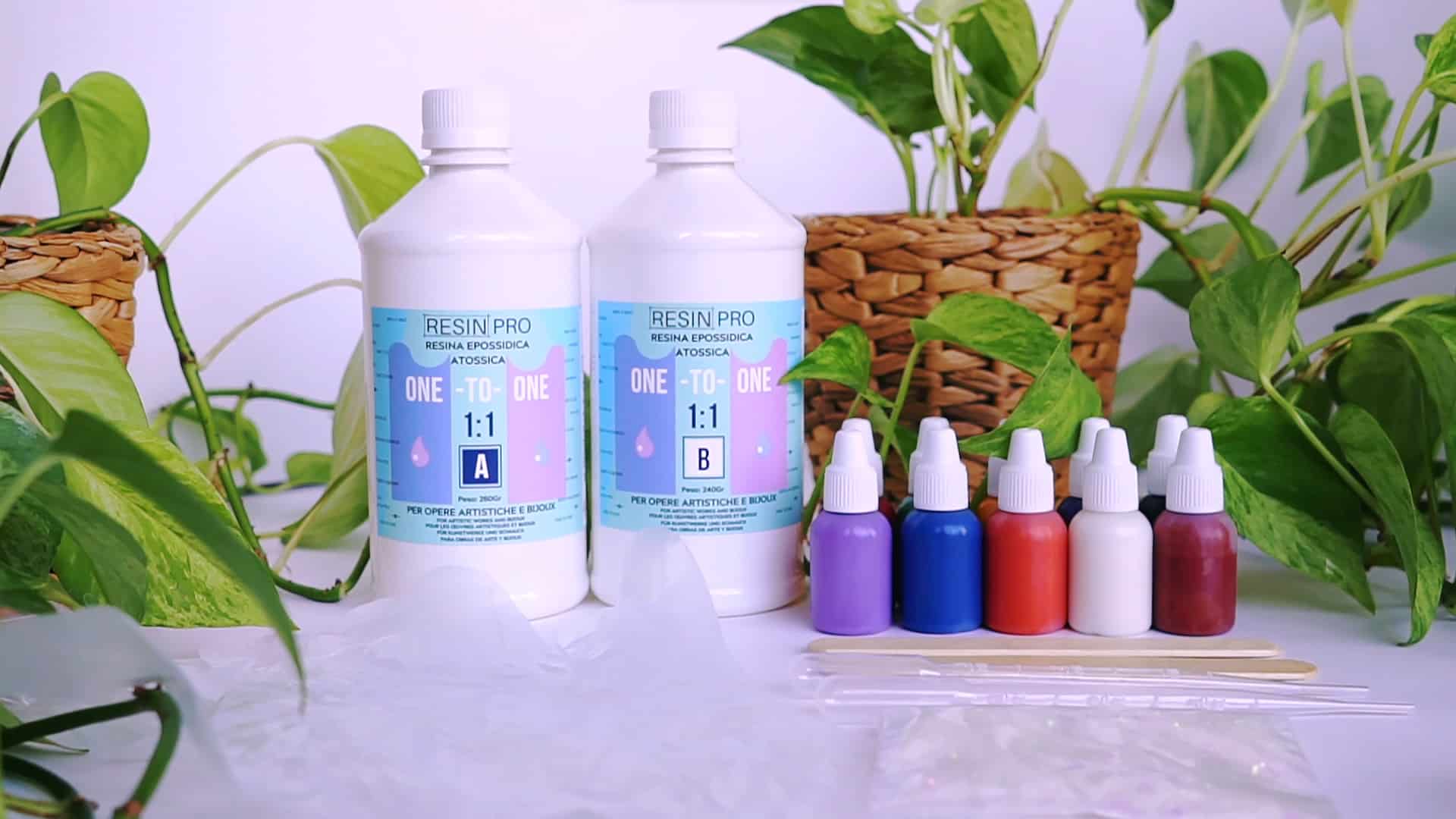
- “One-2-One” – Epoxy Resin for Handcraft, 1:1 Mixing Ratio – easy to mix, perfect for small craft projects
- “ICreation” – Fast Epoxy Resin, 6h Demoulding, Transparent Gloss Finish – for quick turnaround projects
- “Icrystal” – Clear Epoxy Resin – Odourless Formula – Up to 1.5cm – for high-clarity projects and up to 1.5cm in depth
- Small blanks of hardwood or stabilised wood pieces
- Steel ring mandrel and ring sizer
- Jewellers’ saw or rotary tool
- Sanding papers (grits 120–2000)
- Polishing compound and soft polishing cloth
- Masks, gloves and protective eyewear for safety
- Adhesive tape and mixing sticks
- Silicone mould for ring shaping (optional but helpful)

Inspiration and Tools for Ring Making
Explore an array of finished wood and resin rings to spark ideas for your own project. Notice the interplay of natural wood grains and vibrant translucent resin. Alongside examples, discover essential tools – from sanding blocks to moulds – that make all steps easier and enhance your results.
Prepare the Wood and Design
Begin by selecting a small, stable piece of hardwood for your ring. Choose wood with interesting grain patterns or colour for added visual appeal. If using natural wood, ensure it’s dry and not prone to splitting—stabilised wood is often preferred. Mark the outer and inner diameter of your desired ring size using a ring sizer or a suitable template.
Using a small drill or saw, carefully create a hole at the centre of your wooden blank. Take time to refine the size so the ring fits comfortably but snugly on your finger. Sand the drilled hole to remove splinters and ensure smooth edges. For creativity, shape parts of the wood where resin will flow, allowing space for beautiful translucent sections.
Secure the wooden blank using adhesive tape or a clamp if you’re planning to use a two-part silicone mould, which helps keep the resin in place during pouring.
Mix and Pour the Resin
Choose your preferred resin based on working time and clarity. For most jewellery projects, a beginner-friendly option like the “One-2-One” – Epoxy Resin for Handcraft, 1:1 Mixing Ratio is ideal due to its 1:1 mixing ratio and glossy finish, making accurate blending simple.
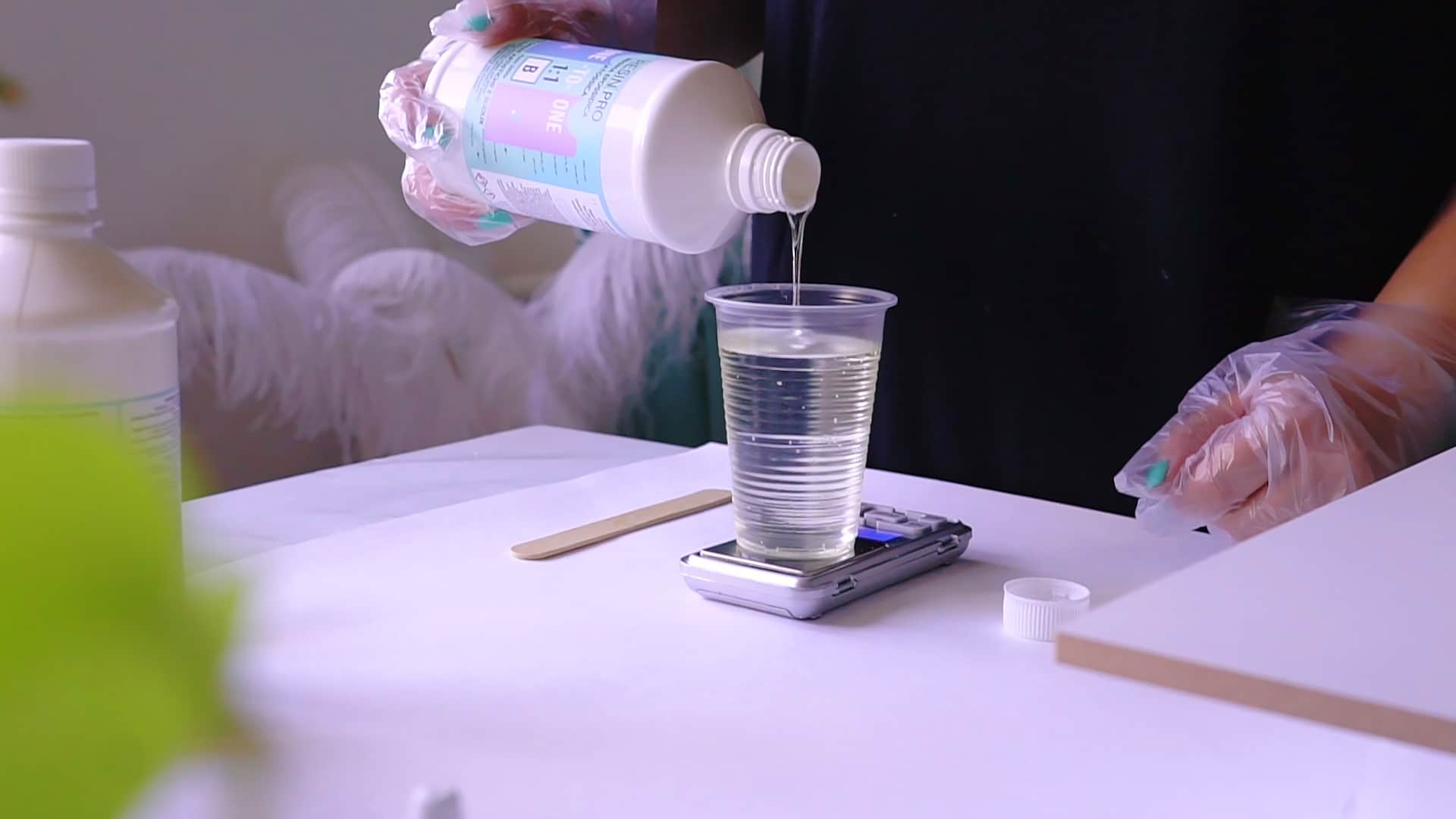
Carefully measure the resin and hardener according to the product instructions (typically by volume or weight). Mix the components in a clean plastic cup, stirring slowly to avoid bubbles. If using a pigmented design, add colour or decorative items now—always add in small amounts, mixing thoroughly.
Gently pour or inject the mixed resin into the cavity of the wood or into the silicone mould surrounding the wood. Use a toothpick to push resin into fine gaps and release any air bubbles that may appear. Allow the resin to cure completely as per your chosen product’s guidelines. For faster demoulding, the “ICreation” – Fast Epoxy Resin is suitable, curing as quickly as 6 hours for time-sensitive projects.
Shape and Sand the Ring
Once the resin has fully cured and the ring blank is solid, remove it gently from the mould or tape setup. Check for imperfections or sharp resin edges. Using a jeweller’s saw or a rotary tool, begin sizing the outer and inner edges of your ring, referencing the desired ring size often to avoid excess removal.
Progress through sandpapers from coarse to fine, starting around 120 grit and moving up to 2000 grit. Sand with water to minimise dust, maintaining a smooth, rounded profile. Take care not to apply too much pressure, which can cause scratches—especially important with transparent resins like “Icrystal” – Clear Epoxy Resin.
Thoroughly clean the ring between sandpaper grades to prevent grit transfer and ensure a flawless surface ready for polishing.
Polish and Finish
Apply a small amount of fine polishing compound to a soft cloth, and buff the surface in a circular motion to achieve a glossy finish. If desired, you can use a microfibre attachment on your rotary tool for a professional shine. Be mindful not to overheat the resin or burn the wood during polishing.
Inspect your finished ring for clarity and smoothness. For extra longevity and outdoor use, consider sealing the wooden section with a tiny amount of food-safe oil or wax, which will protect both the wood and resin from moisture. Your wood and resin ring is now ready to wear or gift.

Common Mistakes and Troubleshooting
Bubble formation, uneven curing, and rough finishes are the most frequent issues when making wood and resin rings. Always mix resin slowly and pour in thin layers to minimise bubbles. If bubbles persist, a gentle pass with a heat gun on the uncured resin helps release trapped air. Ensure your workspace is dust-free to avoid surface impurities, and wear gloves for safety at every stage.
If the resin isn’t fully hardening, verify the mixing ratio and ensure both components are at similar temperatures before combining. Should your edges remain cloudy after sanding, continue with finer grits and polish as needed for true clarity.
Perfecting Your Craft and Showcasing Results
Show off your handcrafted rings by photographing them in natural light to reveal their intricate detail. Share your work with the crafting community online for feedback and inspiration. Continue refining your technique and don’t hesitate to experiment with different resin tinting and wood shapes for truly unique jewellery.

- "Evershine Collection" – Artisan Jewellery Epoxy Resin Kit with 100+ Accessories£20.85The "Evershine Collection" kit includes high-transparency 1:1 epoxy resin and over 100 accessories, designed for jewellery making projects.
- "One-2-One" – Epoxy Resin for Handcraft, 1:1 Mixing RatioPrice range: £14.85 through £56.85"One-2-One" epoxy resin provides a medium viscosity formula with easy 1:1 mixing, designed for safe crafting of jewellery and deco projects.
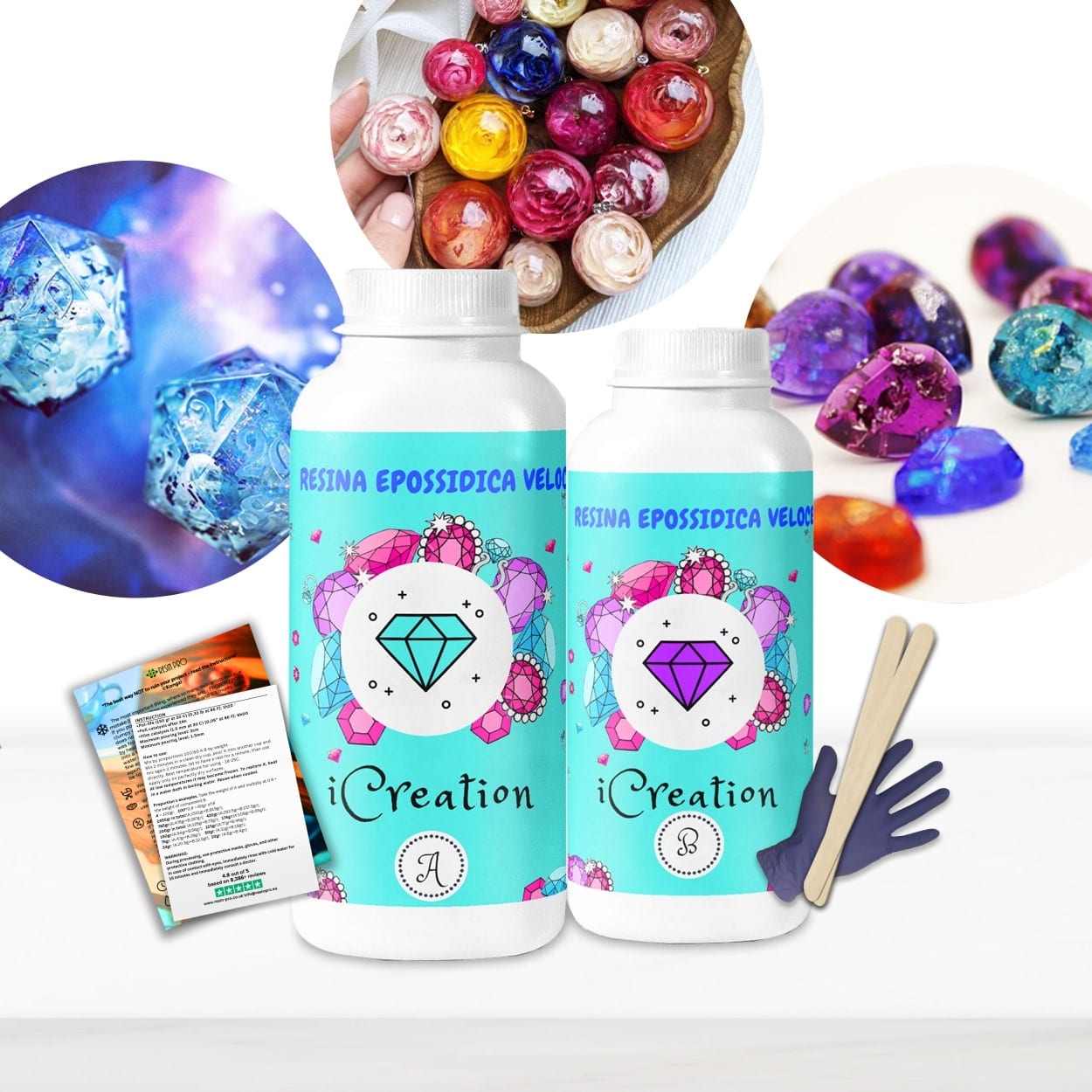 "ICreation" – Fast Epoxy Resin, 6h Demoulding, Transparent Gloss FinishPrice range: £19.40 through £52.85ICreation resin provides a transparent, glossy finish and fast curing, suitable for jewellery and craft projects with timing needs.
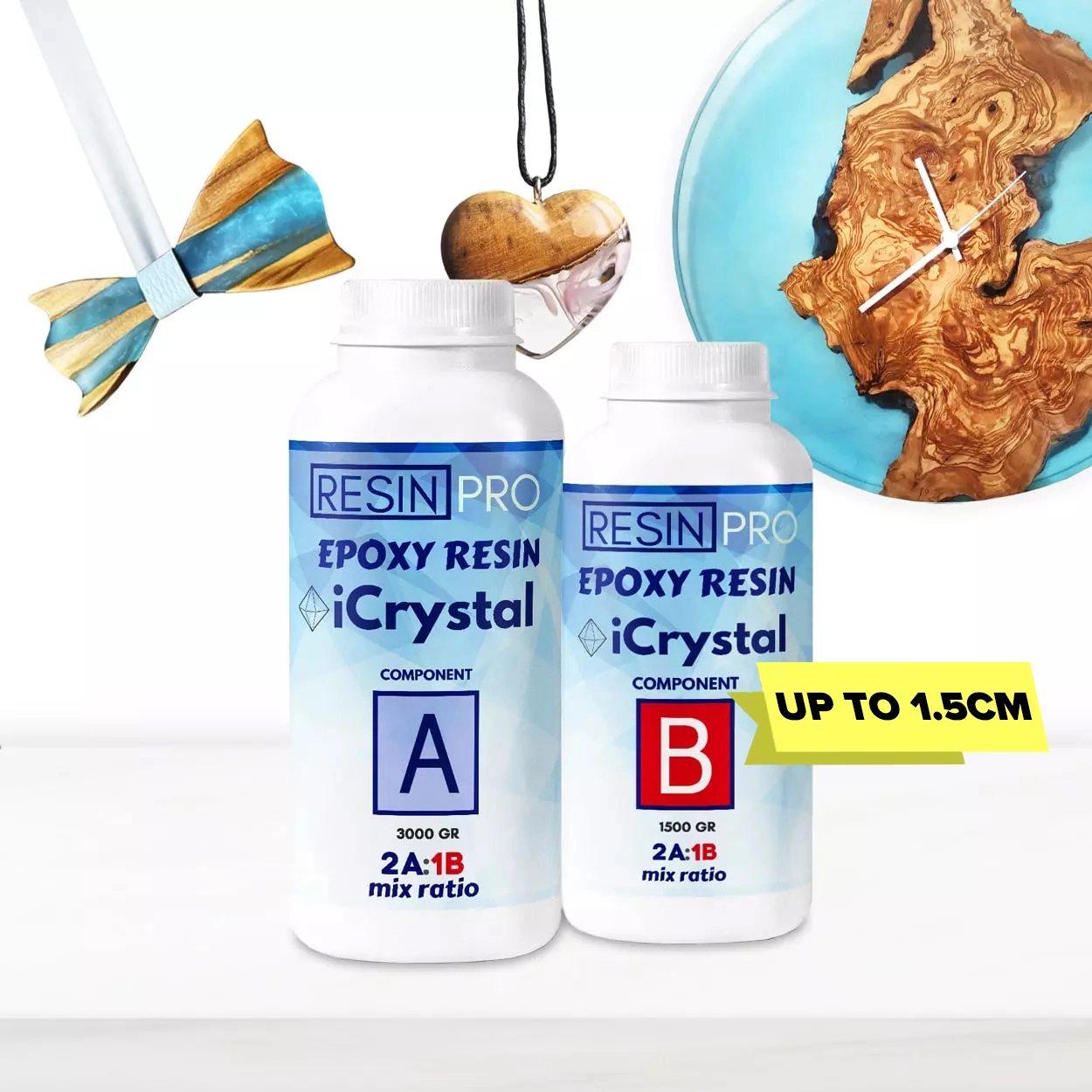 "Icrystal" – Clear Epoxy Resin – Odourless Formula – Up to 1.5cmPrice range: £11.65 through £954.85Clear epoxy resin suitable for DIY jewellery and coatings with high transparency and ease of use for wood and resin rings.
Frequently Asked Questions
What is the best type of resin for making wood and resin rings?
Clear jewellery resins like One-2-One are beginner-friendly and ideal for wood-resin projects due to easy mixing and high clarity.
How can I avoid bubbles in wood and resin rings?
Mix resin slowly, pour in layers, and use a heat gun to release trapped air for a clear bubble-free finish.
How long does the resin take to cure in ring projects?
Curing time varies: fast formulas set in 6 hours, while standard resins may require 24 hours or longer for full hardness.
What preparation does wood need before adding resin?
Ensure the wood is dry, clean, and splinter-free. Stabilised wood is the most reliable for resin-wood rings.
How do I achieve a glossy, smooth finish on resin rings?
Use progressively finer sandpapers followed by a polishing compound and cloth for professional, glass-like results.
Can I use colour pigments in wood and resin rings?
Yes, most resins allow for colour pigments—add during mixing for custom hues or marbled effects in your ring design.