 Free shipping on orders over £29,85
  Shipping Tracking!


 Google
 Facebook
← Back to How to paint doors with resin?
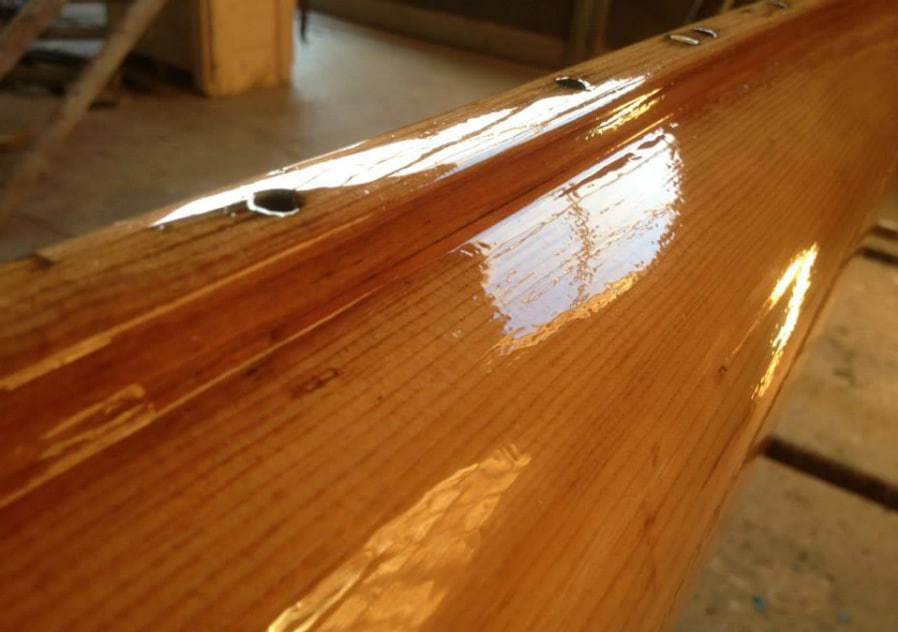
Bubbles in epoxy resin can ruin the look of a resin-covered door, leaving an uneven finish and visible imperfections. Taking the right steps during preparation and application ensures a smooth, long-lasting result.
Seal the Wood First
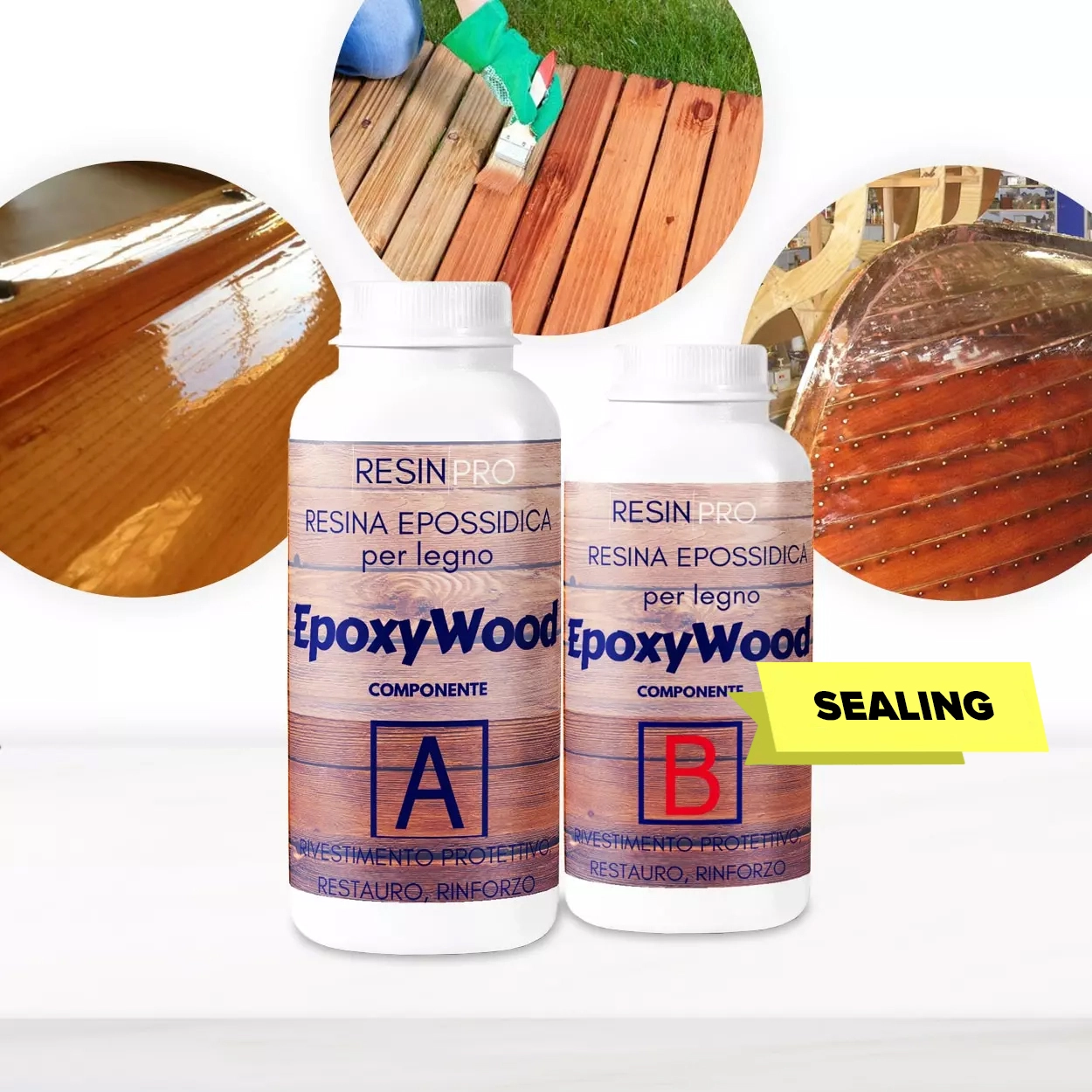
Unsealed wood absorbs air and moisture, which can create bubbles when you apply epoxy. To prevent this, always seal the wood with a deep-penetrating product such as EpoxyWood. This primer soaks into the pores, blocking air escape. Allow it to cure completely before continuing.


Careful Epoxy Application
When you’re ready to coat the door, mix your resin slowly to minimise the introduction of new air bubbles. Pour in thin layers and use gentle movements rather than aggressive spreading. Employing high-quality application tools, such as short-pile rollers, also helps distribute epoxy evenly and avoid trapping pockets of air.
Additional Tips for Bubble-Free Results
- Apply epoxy in a dust-free environment and at a stable temperature.
- If bubbles appear after application, lightly pass a heat gun or torch over the surface to help them rise and pop.
- Select odourless and transparent formulas, such as “Icrystal” epoxy resin, for top coats where clarity is important.

When This Matters
Preventing bubbles is especially important for visible indoor and outdoor doors where a smooth, glass-like finish is desired and surface flaws would be obvious.
Related products
Related guides
With proper sealing, gentle application, and the right tools, your resin-painted door will achieve a flawless look. For more on working with resins on doors, visit our main guide on how to paint doors with resin.