 Free shipping on orders over £29,85
  Shipping Tracking!


 Google
 Facebook
← Back to What are the main thermoplastic and thermosetting resins?

Choosing the correct resin for your project ensures strong results and a smooth working process. With several resin options available, a little knowledge can make your selection much easier.
Consider the Demands of Your Project
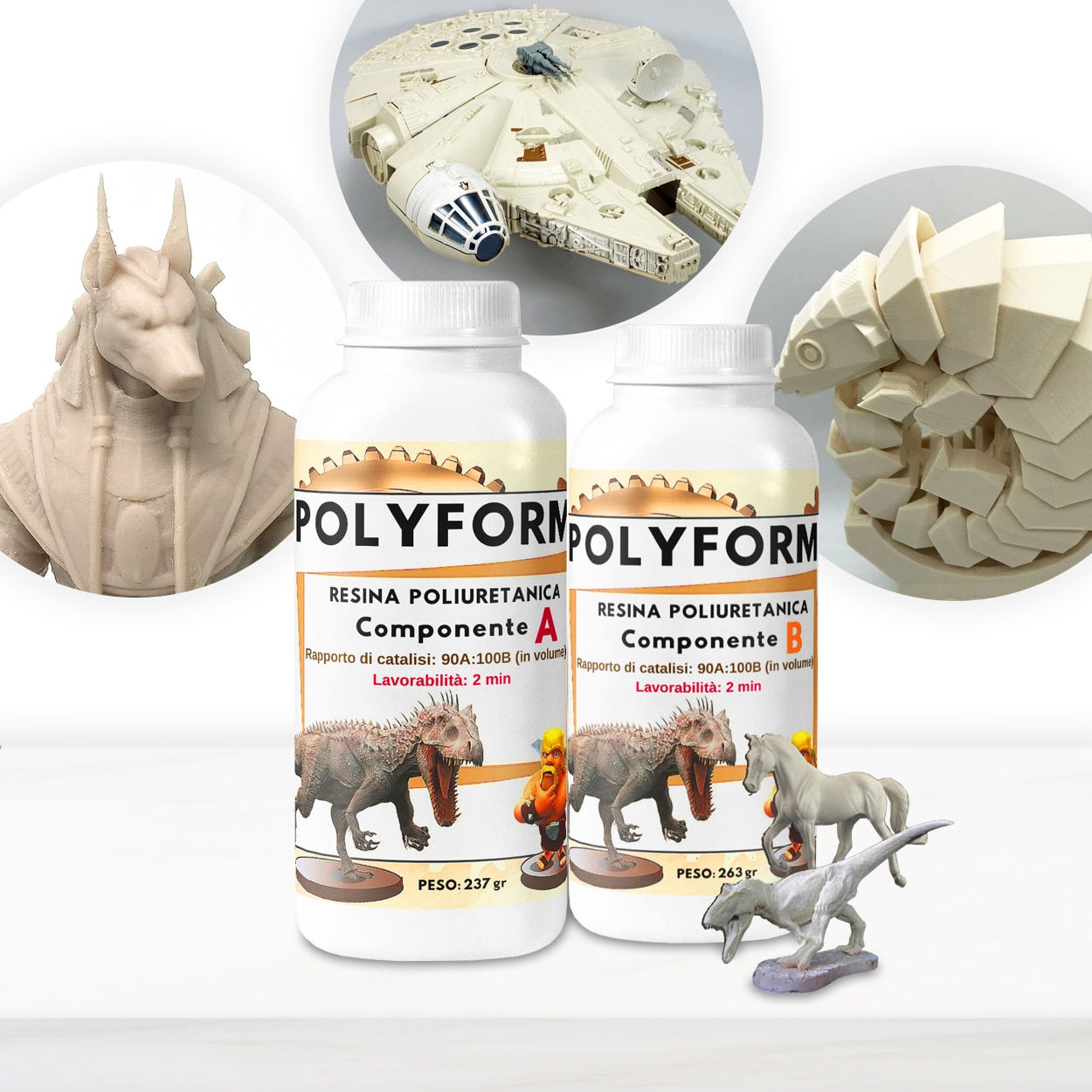
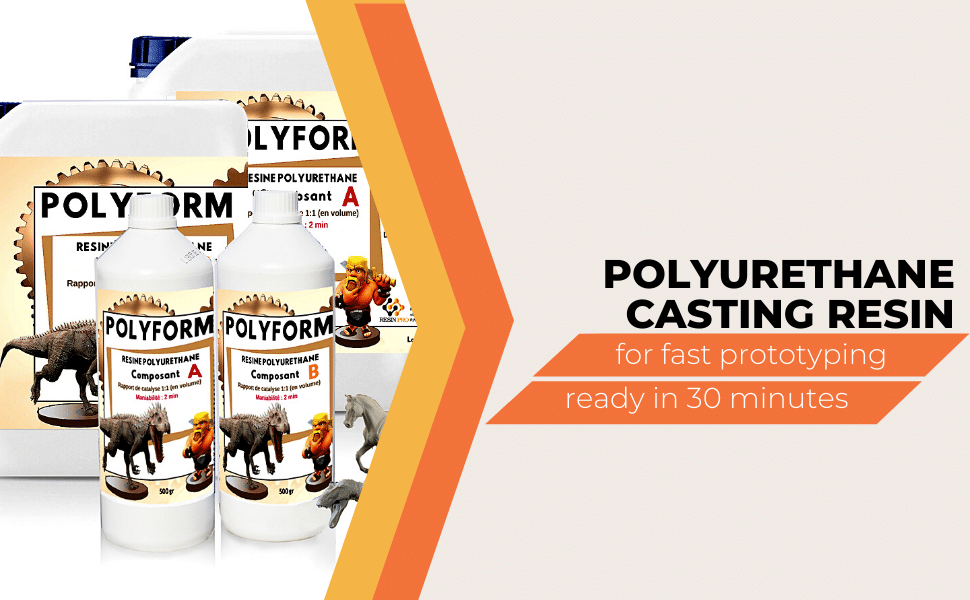
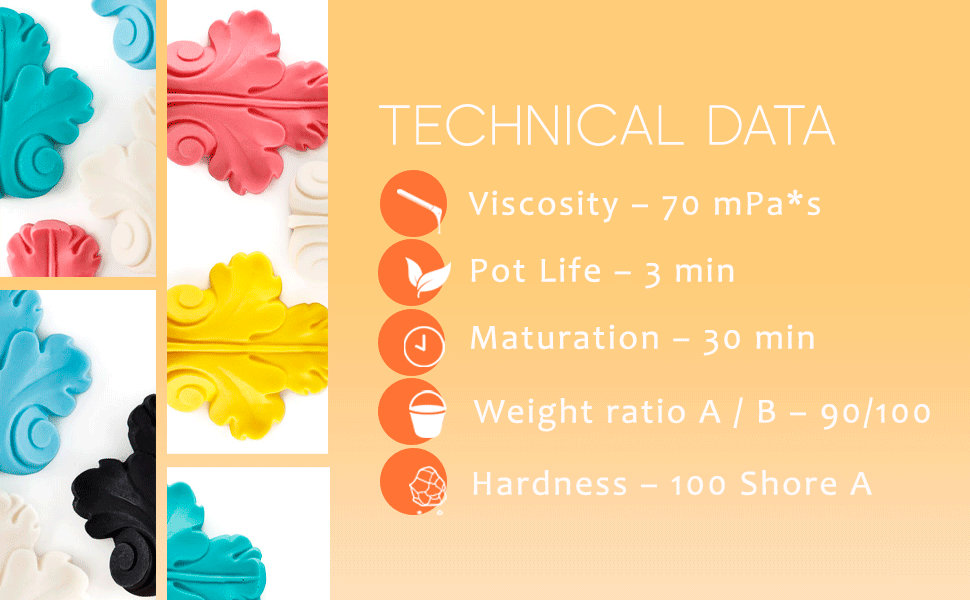
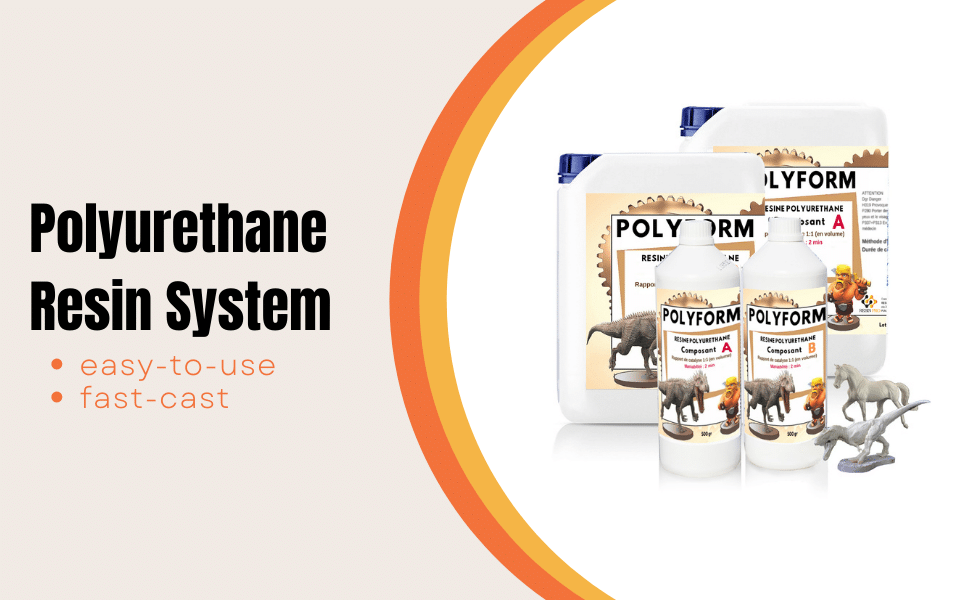
Begin by outlining the main requirements: strength, appearance, flexibility, and environmental resistance. Projects needing crystal-clear finishes, like river tables, may benefit from a deep-pour epoxy such as Epoxytable 10-Ten. For precision and rapid demoulding in prototyping, a fast-setting polyurethane like Polyform is preferred. Repairing or reinforcing structures that must be waterproof and long-lasting, consider a polyester-based kit, such as the Resin Fibreglass Repair Kit.
Matching Resin Properties to Application
- Epoxy Resins: Known for clarity, adhesion and chemical resistance. Choose these for projects where thickness, clarity and UV stability matter, like large castings or art tables.
- Polyurethane Resins: Fast-setting and hard-wearing, they suit detailed or quick-turnaround models where rapid finish and minimal handling time are needed.
- Polyester Resins: Ideal for repairs where bond strength, impact resistance and waterproof performance are priorities, commonly used with fibreglass for boats or vehicles.
Practical Tips for Choosing the Right Resin
Always review the recommended temperature ranges, cure times, and compatibility with your chosen moulds or materials. For thick pours or high-volume pieces, ensure the resin will cure evenly without excessive heat. If you’re new to resin work, opt for kits with clear instructions and all essentials included to avoid missing key steps.
When This Matters
Selecting the wrong resin can lead to warping, poor curing, or inadequate performance. This is especially important for large pours, functional prototypes, or repairs exposed to water or load.
Related products
Related guides
With a good understanding of your project’s demands, you can confidently select the best resin for strong, lasting results. For a deeper dive into material options, explore our main guide on thermoplastic and thermosetting resins.