 Free shipping on orders over £29,85
  Shipping Tracking!


 Google
 Facebook
How to polish resin
Achieve a professional resin finish with clear, step-by-step guidance.


Polishing resin is a crucial step if you want your creations to shine with a professional, glass-like finish. Whether you’re an artist, a crafter, or a DIY enthusiast working on jewellery, decorative pieces, or tabletops, mastering this process elevates your projects and removes imperfections like scratches or dull spots. This guide details the steps to achieve a beautiful polish on resin, making your work truly stand out.
What You’ll Need
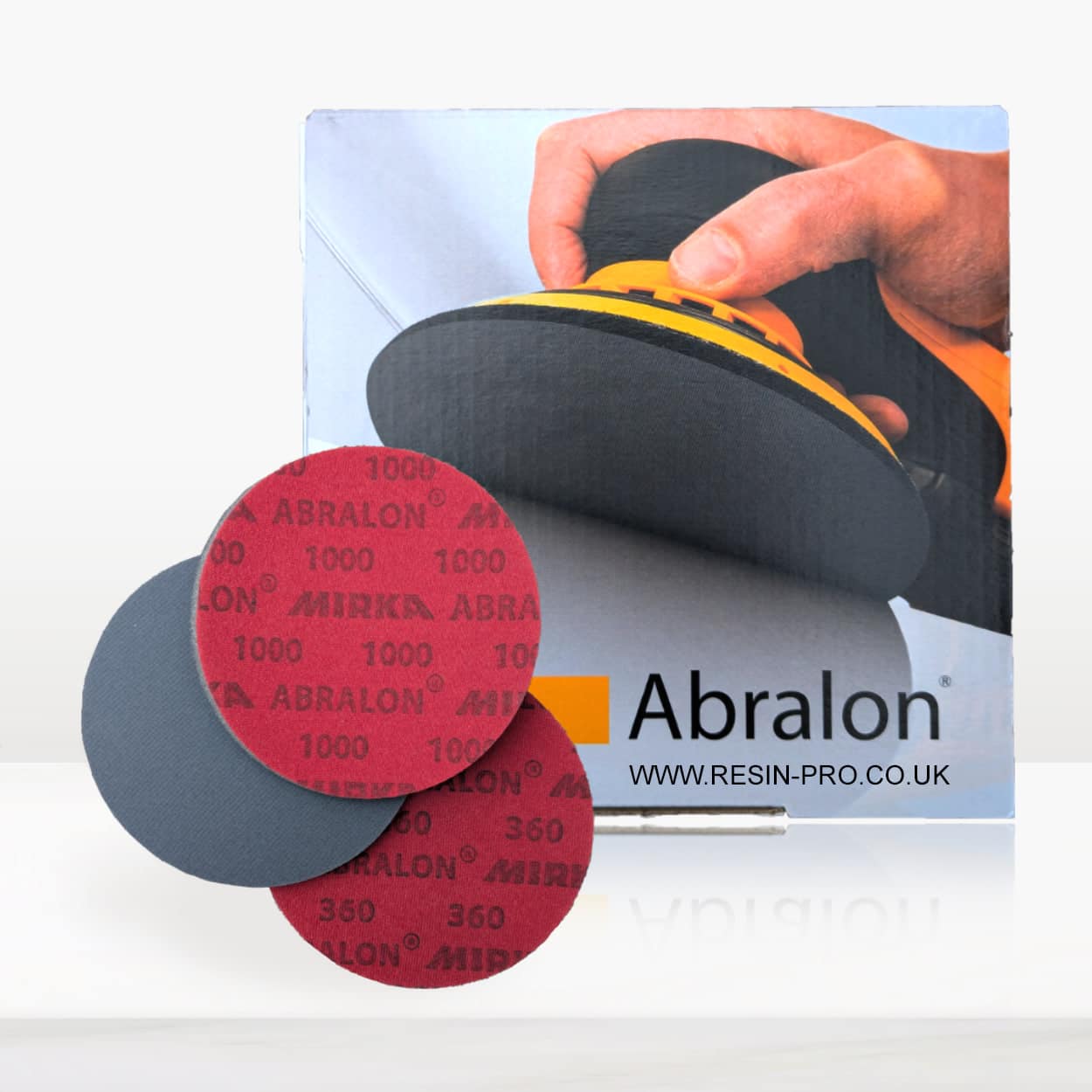
- “Ebonite Abralon” – Sanding Pads 360-4000 Grit for Resin and Wood: For progressive sanding to smooth the surface.
- 1200W Polisher for Sanding and Buffing – Variable Speed, D-Handle: For even, efficient buffing and polishing, especially on larger surfaces.
- Polishing Sponge Discs 150mm – 2 Pack: Essential for final polishing and achieving a clear, high-gloss sheen.
- “Epoxy Polish” – Epoxy Resin Polishing System: Specially formulated polish for resin, ensuring a swirl-free, mirror finish.
- Clean microfibre cloths, water spray bottle, and appropriate PPE (mask, gloves, goggles).

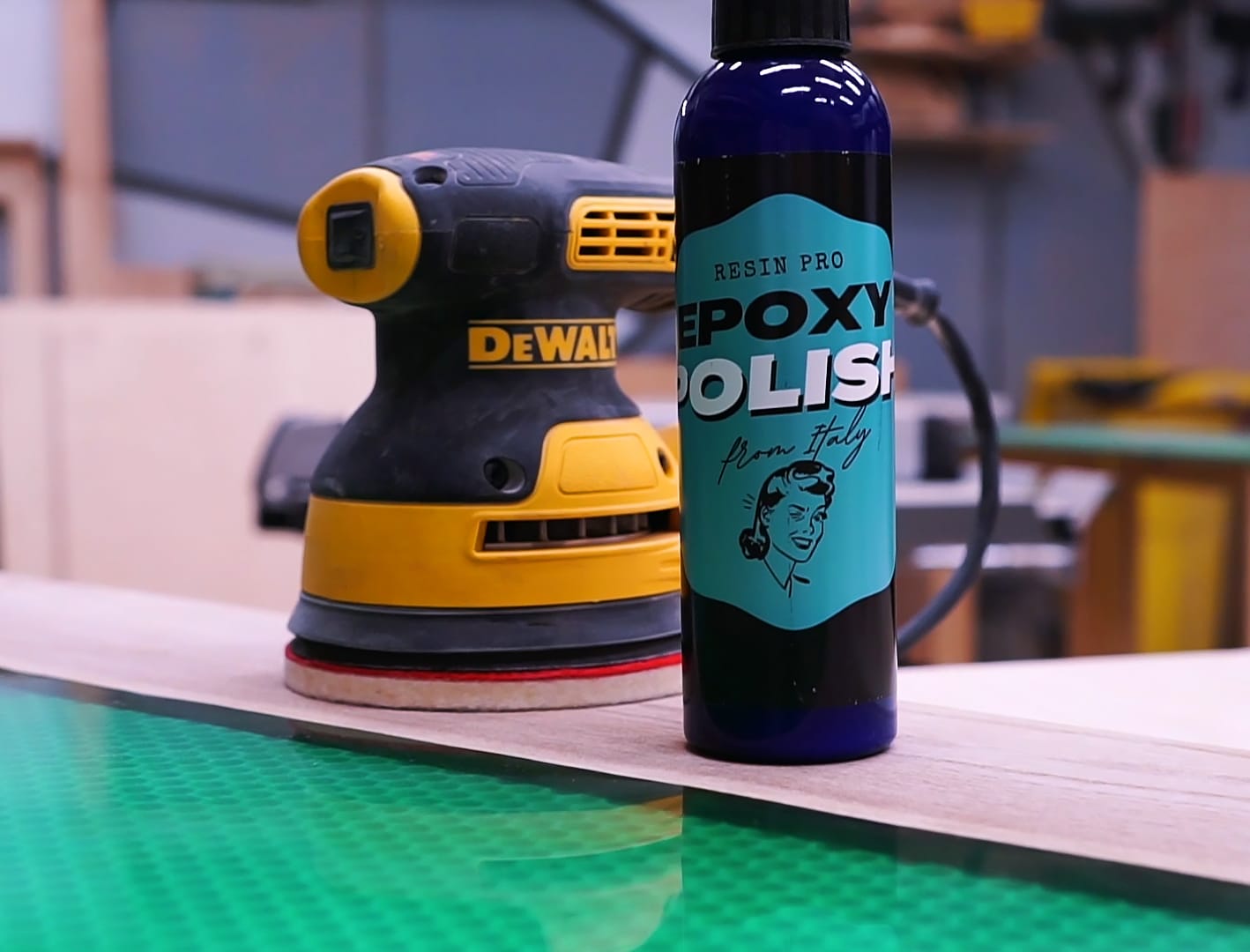
Essential Resin Polishing Tools in Action
See how sanding pads, variable speed polishers, and polishing sponges come together for a flawless resin finish. Expert tip: Always clean each tool between sanding and polishing stages for best clarity and gloss.

Step 1: Sand the Resin Surface Smooth
An ultra-smooth surface is the foundation for glossy results. Begin sanding with a coarse grit, around 360, using even, gentle pressure. Keep the pad or sandpaper flat against the resin and check your progress frequently to avoid gouging. It’s often best to sand wet—add a little water to minimise dust and prevent overheating.
Gradually progress through finer grits, finishing up to 4000 for the best results. Always clean the surface between grits to avoid carrying over larger abrasive particles, which can cause scratches. “Ebonite Abralon” – Sanding Pads are ideal here, as their foam backing ensures even pressure for smooth, consistent results.
Step 2: Buff and Prepare for Polishing
After thorough sanding, it’s time to buff the resin to begin bringing out its gloss. Attach a suitable polishing disc to a rotary polisher, like the 1200W Polisher for Sanding and Buffing, or use a hand pad for small pieces. Select a gentle speed setting and move at a steady pace across the surface, working in overlapping passes to ensure evenness.
This step preps the resin for polishing by removing remaining micro-scratches left by fine grit sanding. For jewellery or detailed pieces, hand buffing with a polishing sponge may be preferred for better control.
Step 3: Polish the Surface to a Glossy Finish
The final step is applying a purpose-designed polish to create a mirror effect. Use a small amount of “Epoxy Polish” – Epoxy Resin Polishing System on a clean polishing sponge disc or pad. Work in small sections using circular or cross-hatch movements. Maintain moderate, even pressure and avoid staying in one spot too long to prevent heat build-up which can cause swirling.
Allow the polish to work into the resin, then buff off excess with a clean microfibre cloth. Repeat as needed until a flawless, glossy surface appears.
Step 4: Final Buff and Inspection
For an ultra-professional finish, give your resin one last buff with a fresh, dry microfibre cloth. This removes any polish residue and reveals the clarity and depth of your surface. Inspect from multiple angles in good lighting to spot any remaining imperfections—spot-polish if necessary for absolute perfection.
Take your time on this last stage, as the final touch often makes the difference between a good result and a truly brilliant finish. If you notice any haziness, repeat the last polishing step as needed.
Tips, Common Mistakes, and Troubleshooting
- Always sand resin thoroughly before polishing to avoid amplifying scratches under the polish.
- Work through sanding grits in sequence; skipping grits can leave visible marks.
- Apply polish in small sections for best coverage and control.
- Buff using consistent, moderate pressure; excessive force may overheat or damage the resin.
- Avoid excessive heat build-up, which can cause swirling or cloudiness—especially when machine buffing.
If you see cloudiness, check for residue and ensure all sanding stages have been completed thoroughly. For best results, use clean tools and don’t rush the process: careful technique always delivers the highest shine.
Before and After: The Difference Polishing Makes
Notice how dull, sanded resin transforms into a glossy, mirror-like surface with the correct steps. Proper sanding and polishing reveal depth, clarity, and vibrant colour in resin art.

- "Epoxy Polish" – Epoxy Resin Polishing SystemPrice range: £17.85 through £44.85"Epoxy Polish" provides an advanced system to restore resin surfaces to a mirror-like shine suitable for various projects.
- "Ebonite Abralon" – Sanding Pads 360-4000 Grit for Resin and Wood£3.95Ebonite Abralon Sanding Pads provide precise sanding for resin and wood, suitable for wet or dry use with foam backing for consistent pressure.
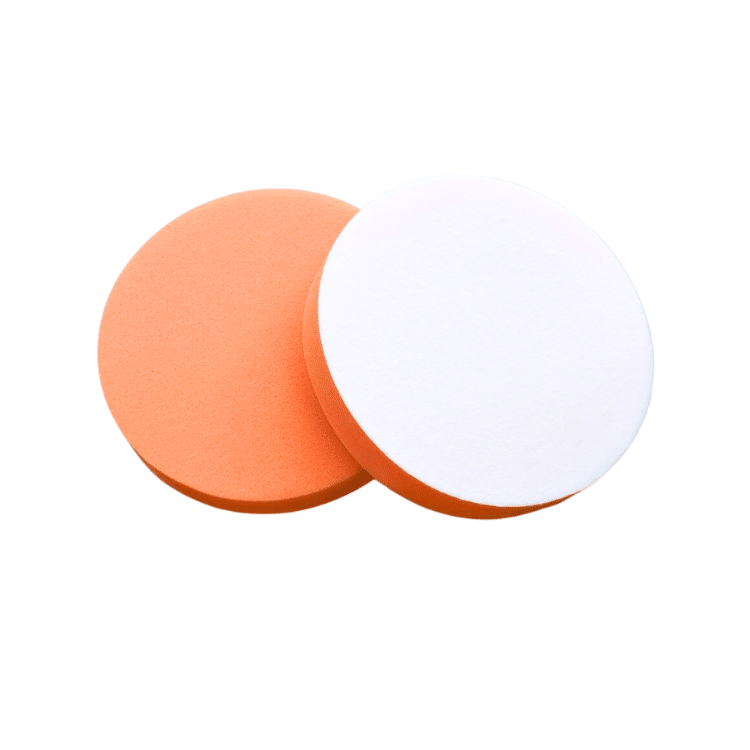 Polishing Sponge Discs 150mm – 2 Pack£7.85Polishing Sponge Discs 150mm – 2 Pack provide finishing polish for epoxy resin projects for a clear, gloss finish.
 1200W Polisher for Sanding and Buffing – Variable Speed, D-Handle£85.951200W Polisher designed for sanding and buffing resin projects with variable speed and a sturdy D-handle for control.
Frequently Asked Questions
Can I polish resin by hand or do I need a machine?
Both methods are possible. A polishing machine offers faster, more consistent results, especially for large surfaces. Hand polishing suits small items and delicate areas.
Why does my resin still look cloudy after polishing?
Cloudiness often means sanding wasn't completed properly or residue remains. Re-sand with finer grit and polish again for a clear shine.
What grit sanding pads should I use before polishing resin?
Start with 360 grit if needed and work through to 4000 grit. Finer grits remove scratches and prepare for an ultra-glossy finish.
How do I avoid swirl marks during the polishing process?
Use the correct polishing pad or sponge, avoid excessive pressure, and keep your tool moving steadily. Polishing compounds designed for resin greatly reduce swirling.
Do I need a special polish for epoxy resin?
Yes, using a dedicated resin polish helps achieve a clear, glossy result and minimises risk of damage compared to general-purpose polishes.
How long does it typically take to polish resin?
Depending on project size, expect anywhere from 10 minutes for small pieces to an hour or more for large, complex surfaces.