 Free shipping on orders over £29,85
  Shipping Tracking!


 Google
 Facebook
How to prepare epoxy resin on a speargun?
Step-by-step guide to coating and strengthening your speargun


Epoxy resin coating on a speargun enhances its durability, provides a waterproof barrier, and gives a sleek, professional look. This comprehensive guide walks you through the correct preparation, mixing, and application processes to achieve a long-lasting resin finish tailored for speargun use in harsh aquatic environments. Whether your speargun features wood, carbon fibre, or both, following these steps will ensure optimum adhesion and protection.
What You’ll Need
- “Carbon Resin” – Epoxy Resin for Carbon Fiber & Fiberglass Coating
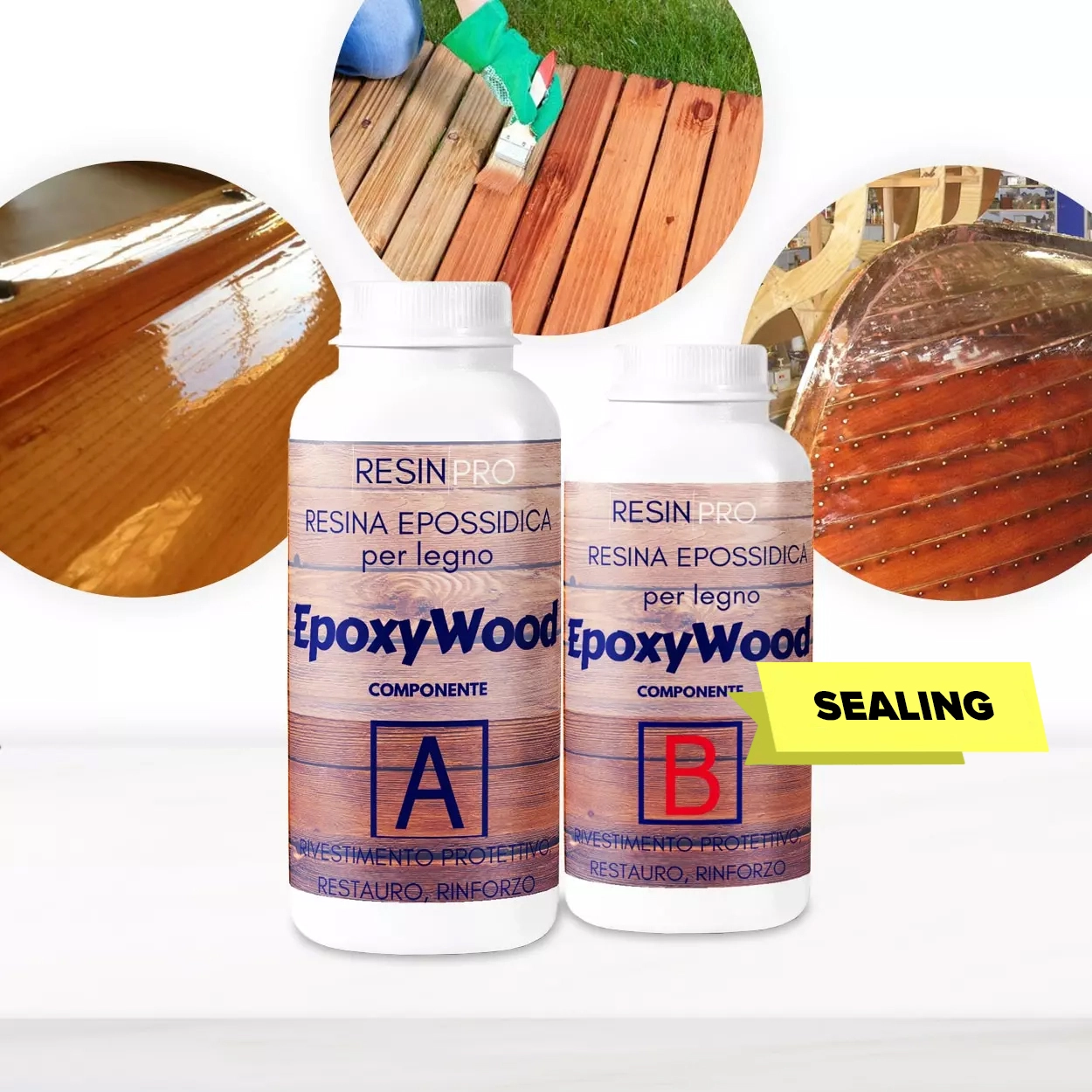
- “EpoxyWood” – Wood Restoration Epoxy Resin for Deep Penetration and Waterproofing
- “Klebfix” – Two-Component Fast Epoxy Glue 2K, 25g Syringe (for rapid repairs only)
- “FixExpress” – Two-Component Epoxy Glue 500g (for bonding components)
- Sanding paper (various grades)
- Lint-free cloth
- Protective gloves and mask
- Mixing cups and stirrers
- Masking tape

See How Epoxy Resin Transforms Marine Projects
View real-world examples of epoxy resin application on aquatic equipment such as spearguns and boat parts to witness durability and finish. Notice the flawless finish and reinforced surfaces in each result.
Step 1: Prepare and Sand the Speargun Surface
Proper surface preparation is key for lasting epoxy adhesion. Begin by examining your speargun for any contaminants or old finishes. Thoroughly clean all areas to be coated using a lint-free cloth. Next, sand the surface evenly—use medium (120-180 grit) sandpaper on wood or carbon to create a microscopically rough texture that encourages resin grip. After sanding, remove dust with a clean cloth. Ensure thorough surface sanding for best bond.
Take extra care around fittings or trigger mechanisms. Always mask areas you do not wish to coat using quality masking tape to avoid accidental resin coverage.

Step 2: Mix the Epoxy Resin with Care
Measure and mix your epoxy resin according to the manufacturer’s instructions—accurate ratios are crucial for curing strength. For carbon fibre components, “Carbon Resin” – Epoxy Resin for Carbon Fiber & Fiberglass Coating is ideal for impregnation and lamination, ensuring mechanical resilience and bubble-free results. For wooden spearguns, use “EpoxyWood” – Wood Restoration Epoxy Resin for Deep Penetration and Waterproofing to deeply reinforce fibres and ensure a waterproof barrier.
Combine components in a clean cup and stir slowly but thoroughly. Scrape the sides and bottom to avoid unmixed portions. Mix resin components carefully to avoid bubbles.
Step 3: Apply Resin Evenly to the Speargun
Pour or brush the epoxy resin onto the speargun in thin, controlled layers. Start from one end and work methodically to cover all surfaces. To prevent drips or runs, avoid overloading the brush or roller. As the first coat sets, inspect for dry spots and touch up as needed. If bonding parts or making rapid fixes, “FixExpress” – Two-Component Epoxy Glue 500g offers quick curing for assembly or urgent repairs.
Allow the resin to self-level for a glossy, even finish. Maintain a steady pace, as working time is limited once mixed. Work in a dust-free, ventilated environment for best results.
Step 4: Cure and Final Finish
Leave the coated speargun undisturbed in a stable, clean space as it cures. Curing times may vary; consult your chosen product’s instructions for accurate guidance. Avoid handling until full cure is reached. For handles or trigger housing, ensure resin has fully set before reassembly. Allow full curing as stated for maximum durability.
If multiple coats are desired, lightly sand between coats to promote interlayer adhesion, then clean the surface before recoating. Inspect the final finish for any flaws and sand/polish if needed for extra smoothness or sheen.
Tips and Common Mistakes
Plan each stage and check all preparations before mixing resin. Rushing the surface prep or inaccurately mixing components are the most common errors, leading to poor adhesion or sticky spots. If working with wood, ensure the material is fully dry throughout to prevent trapped moisture and clouding. For composite and carbon fibre, eliminate air pockets during resin application by using gentle but firm brush strokes. Wearing protective gloves and masks keeps you safe from fumes and skin contact.
Expert Guidance and Finishing Touches
Professional speargun makers rely on careful resin application for lasting performance. Fine details, clean masking, and correct sanding set apart a resilient, attractive final product.

- "Carbon Resin" – Epoxy Resin for Carbon Fiber & Fiberglass CoatingPrice range: £19.95 through £37.95Epoxy resin for carbon fibre and fibreglass designed for smooth impregnation and structural integrity suitable for composite and technical fabric…
- "EpoxyWood" – Wood Restoration Epoxy Resin for Deep Penetration and WaterproofingPrice range: £27.95 through £41.95EpoxyWood is a wood restoration epoxy resin designed for deep penetration and waterproofing with a natural straw-yellow finish.
- "Klebfix" – Two-Component Fast Epoxy Glue 2K, 25g Syringe£24.00"Klebfix" two-component epoxy glue provides quick, strong bonding for plastics, metal, wood, and glass. Suitable for practical repair tasks.
 "FixExpress" – Two-Component Epoxy Glue 500g£26.95"FixExpress" Two-Component Epoxy Glue offers a rapid setting time and strong adhesion suitable for various repairs with a versatile marine…
Frequently Asked Questions
Which epoxy resin is best for coating carbon fibre on a speargun?
A specialist resin such as Carbon Resin for Carbon Fiber & Fiberglass Coating provides the best results with excellent strength and clarity.
How should I cure epoxy resin applied to my speargun?
Allow the coated speargun to cure in a stable, dust-free room at the temperature stated in the product instructions for the recommended time.
Why does my epoxy resin remain sticky on the speargun surface?
Incomplete mixing or incorrect ratios usually result in tacky epoxy; ensure thorough mixing and precise measuring next time.
How can I fix small damage before applying epoxy resin to a speargun?
Repair chips or cracks with a suitable epoxy glue, such as FixExpress, allow it to cure fully, then sand flush before coating.
Is it necessary to sand between coats of epoxy resin on my speargun?
Yes, sanding between coats with fine abrasive promotes adhesion and a smooth, professional finish for multiple layers.
Should I use a different epoxy for wood versus carbon fibre speargun parts?
Yes, use EpoxyWood for wood and Carbon Resin for carbon fibre to match required absorption, finish, and durability.