 Free shipping on orders over £29,85
  Shipping Tracking!


 Google
 Facebook
← Back to how to use epoxy resin
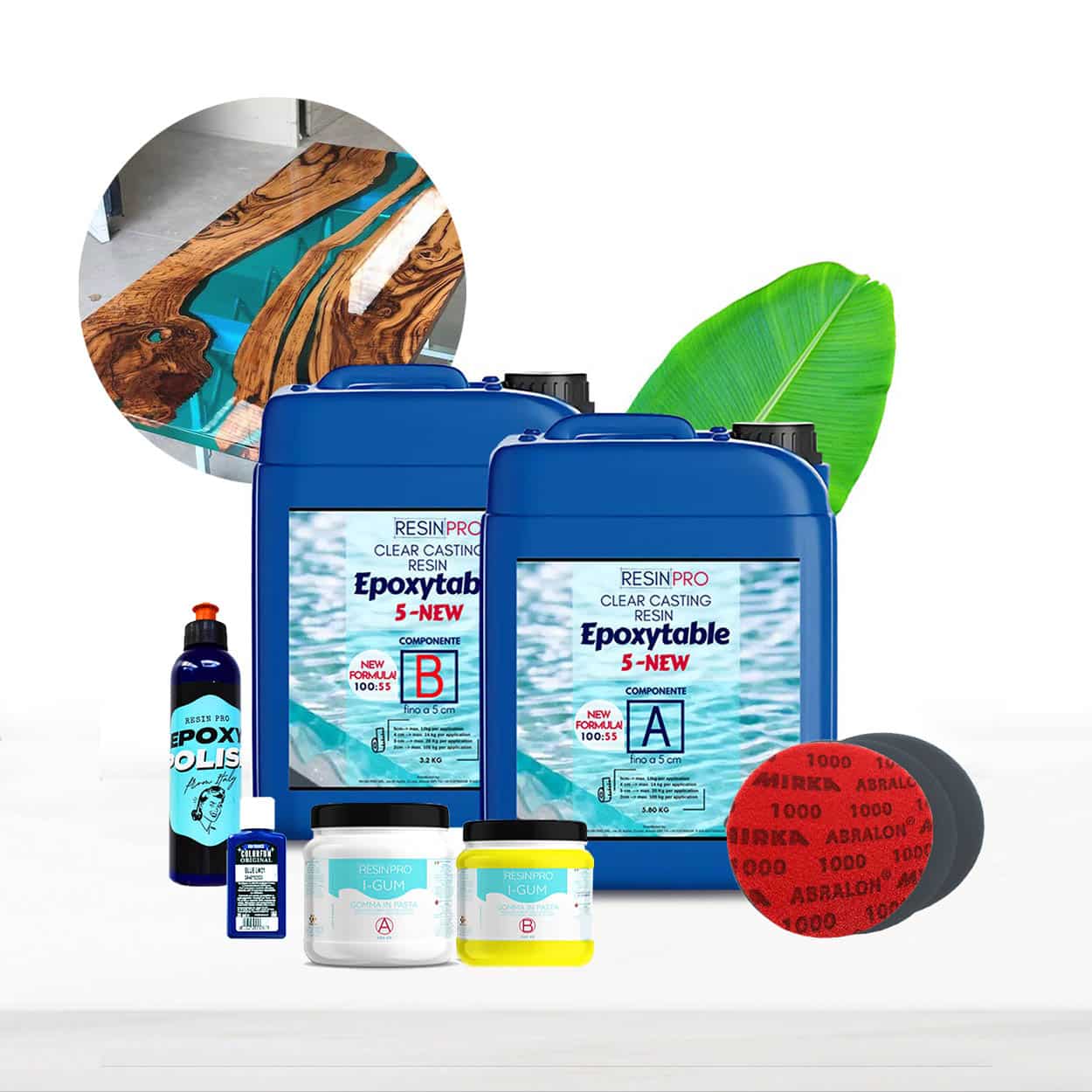
Bubbles can spoil the pristine look of epoxy resin creations, whether you’re crafting jewellery, tables, or decorative pieces. Fortunately, with a careful approach, you can minimise or even eliminate air pockets before your resin sets.
Mixing Techniques for Fewer Bubbles
The most common source of bubbles in epoxy resin is the mixing process. Stir the resin and hardener slowly and steadily, scraping the sides and bottom of the container. Mixing too vigorously introduces air that can become trapped. Using a relevant kit such as the “River-Table” Complete Kit ensures you have clear instructions to help you get the technique right from the start.
Pouring and Bubble Release Strategies
After mixing, pour the resin gently into your mould or over your project to avoid splashing and further air entrapment. Once poured, most projects benefit from using a heat gun or gently blowing over the surface—this helps surface bubbles burst before curing begins. Don’t overheat; short, sweeping passes work best, especially for thinner layers or delicate work like jewellery.
When This Matters Most
Preventing bubbles is particularly important for high-transparency or decorative pieces where clarity is key. Resin art, jewellery, or river tables are examples where attention to bubble control gives your final work a smooth, glassy finish with fewer imperfections.
Related products
Related guides
Mastering bubble prevention can make all the difference in your epoxy resin outcomes. For more tips and step-by-step guides, explore our main advice on how to use epoxy resin.