 Free shipping on orders over £29,85
  Shipping Tracking!


 Google
 Facebook
← Back to How to put insects in resin natural sciences fb?
Capturing insects in clear resin preserves their delicate details and creates stunning scientific or decorative displays. However, trapped air bubbles can detract from the final result. With the right approach, it’s possible to create crystal-clear resin blocks free from imperfections.
Best Practices for Crystal-Clear Castings
To minimise bubbles, always pour your resin in thin layers rather than a single deep pour. This gives any trapped air the opportunity to rise and escape before the next layer is added. Pour slowly and carefully around the insect to prevent pockets of air forming underneath delicate features.
Using a clear, self-levelling epoxy resin such as “Trasparente” multipurpose clear epoxy or an odourless option like “Icrystal” clear epoxy helps produce a smooth, transparent finish with minimal effort.
Removing Stubborn Bubbles
After pouring each thin layer, examine the resin surface for bubbles. Use a cocktail stick or toothpick to gently encourage bubbles to the surface and pop them before the resin begins to set. For finer bubbles, pass a heat gun or small torch lightly over the surface—this momentarily lowers surface tension and encourages bubbles to rise and burst.
Take care with heat near organic specimens, and avoid direct contact to prevent shifting or damaging the insect embed.
When This Matters Most
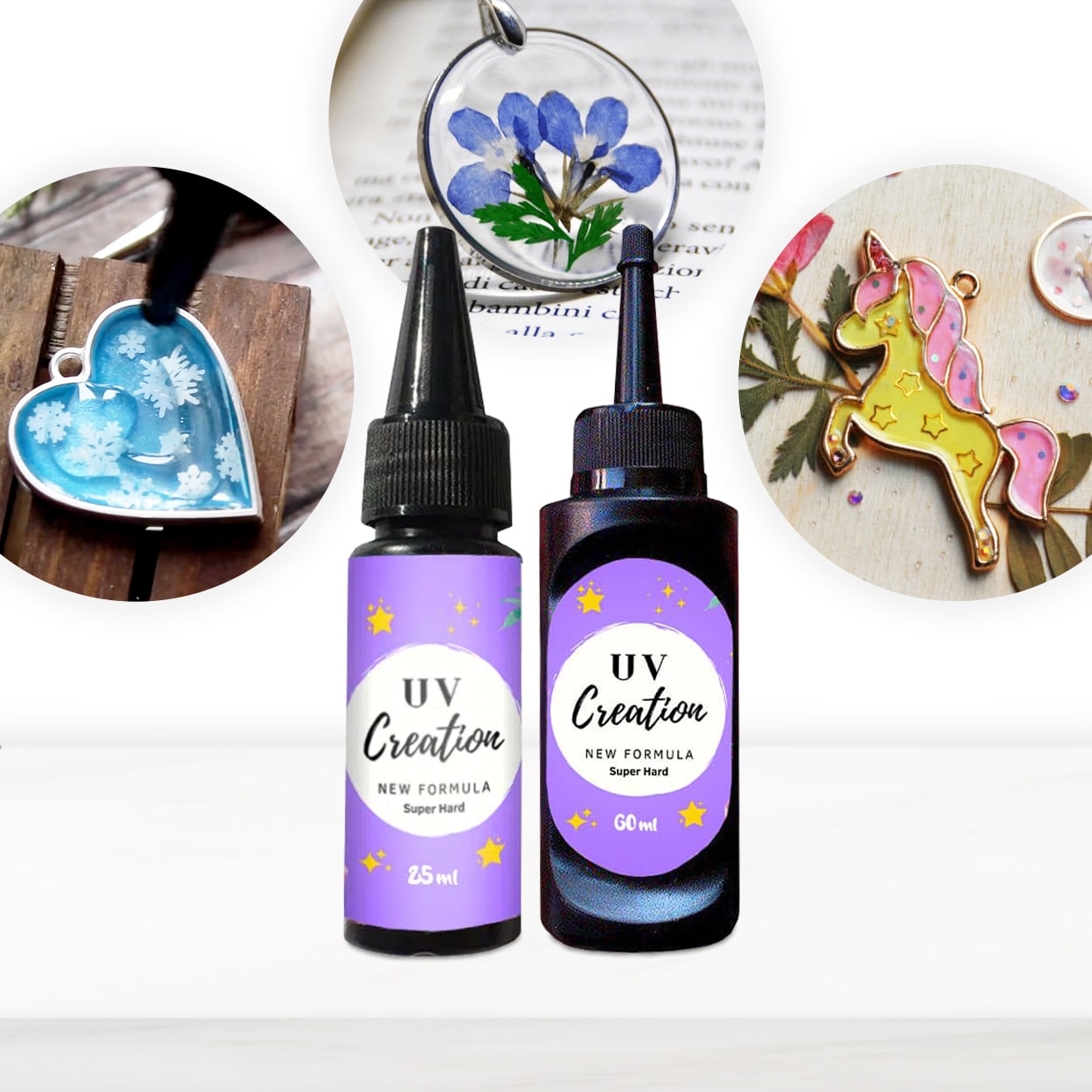
Bubbles are particularly troublesome with detailed or fragile insects, as they can obscure wings, antennae, or body features. For museum-quality results or scientific specimens, patience during pouring and careful bubble removal are essential. Products like the “UV–Creation” resin offer fast curing and a glossy finish, making them suitable for small, clear encasements requiring minimal thickness.
Related products
Related guides
Taking the time to pour slowly, work in layers, and gently remove bubbles will ensure your insect resin blocks are both clear and professional. For more tips on preserving specimens and the best resins to use, explore our parent guide on how to put insects in resin for natural sciences.