 Free shipping on orders over £29,85
  Shipping Tracking!


 Google
 Facebook
How to prevent epoxy resin from sticking
Ensure clean demoulding and protect your resin projects effortlessly
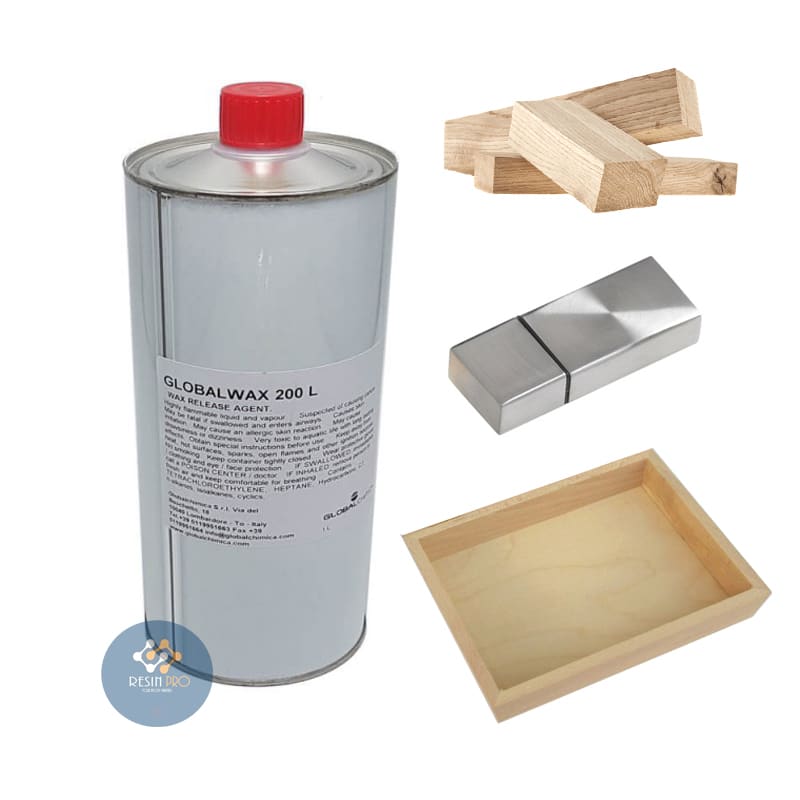

Preventing epoxy resin from sticking to your moulds and work surfaces is crucial for achieving flawless and reusable results in resin art, casting, or jewellery projects. This guide will take you through proven preparation and handling methods to help ensure your finished pieces release cleanly every time, sparing both your projects and your equipment from accidental damage.
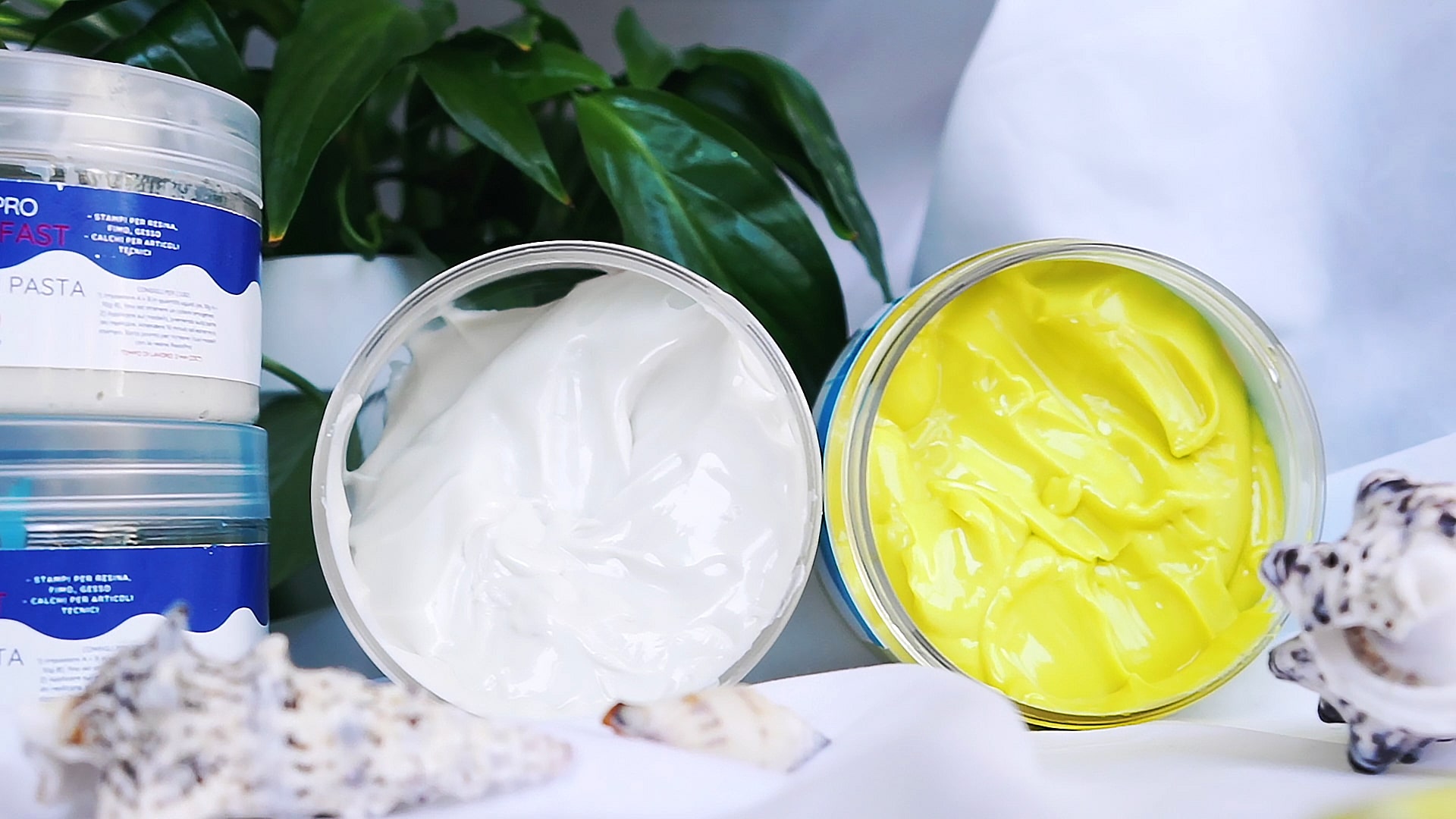
What You’ll Need
- “Global A2” – Release Wax for Epoxy and Resin Moulds, Liquid, Heat Resistant to 180°C: Liquid wax for mould release and surface protection
- “I–Gum” – Non-Toxic Silicone Putty for Mould Making: Non-stick mould putty for creating custom shapes
- “Bookmark” – Silicone Mould for Resin Casting: Reusable silicone mould for small casting projects
- “Pyramid” – Silicone Mould for Resin Casting, 11x11x6.5cm: Large silicone mould for more substantial resin projects
- Soft lint-free cloths
- Silicone oil or mould remover (optional for extra slip)
- Nitrile gloves (for safe handling)
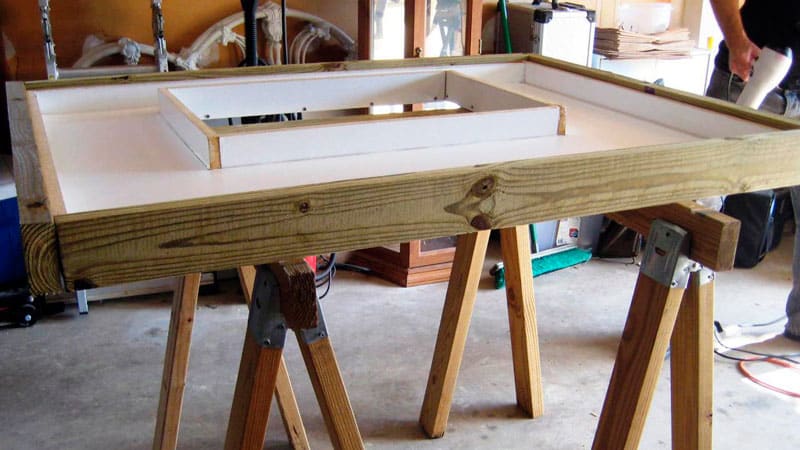
Key Materials to Simplify Release
Choosing the right release agents and mould materials makes the entire resin casting process more predictable and headache-free. Using specially formulated liquid waxes, such as those designed for multi-surface adhesion control, together with durable silicone moulds, saves time and reduces the risk of damaging your creations during removal. These materials work together to give you smooth, clean edges—letting you focus on creativity rather than cleanup.
Step 1: Prepare and Clean Your Mould Surfaces
Before you begin casting, start by cleaning your chosen moulds thoroughly. Remove all dust, debris, or previous resin residues to ensure no contaminants affect the surface finish or cause the resin to cling. A lint-free cloth slightly dampened with water works well for this. Skipping this step can lead to bonding in unwanted spots and an uneven demoulding process.
If you’re using silicone moulds such as the “Pyramid” – Silicone Mould for Resin Casting, 11x11x6.5cm, extra cleaning effort may be required after repeated uses. Avoid using aggressive solvents which may damage silicone.
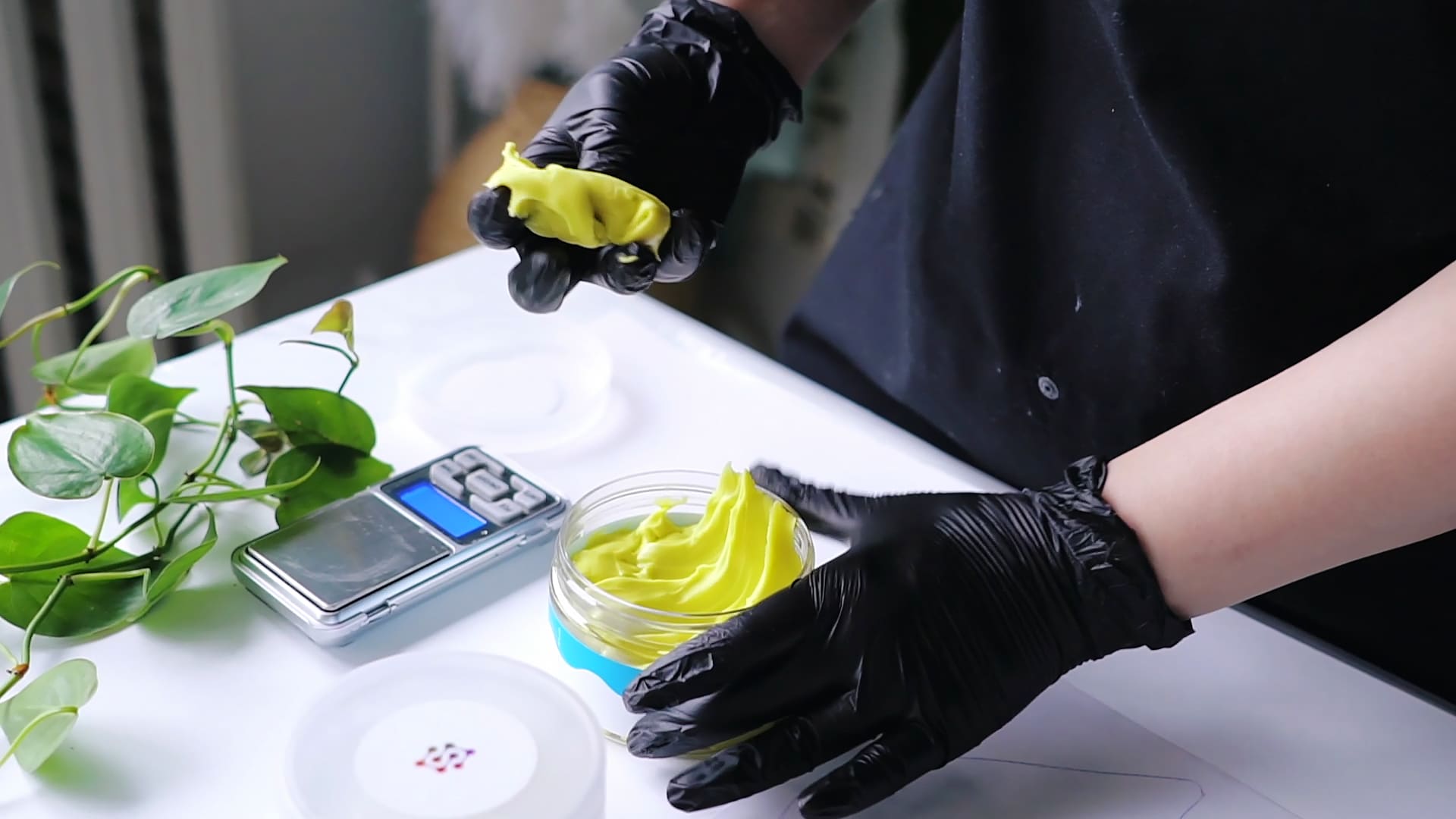
Step 2: Apply the Correct Release Agent
To create a reliable barrier between the mould and your epoxy, always apply a dedicated release agent prior to pouring your resin.
For most surfaces, a product such as “Global A2” – Release Wax for Epoxy and Resin Moulds, Liquid, Heat Resistant to 180°C offers a heat-resistant, quick-drying layer that works on various substrates like wood, metal, plastic, and cardboard. Gently apply with a soft cloth and allow a couple of minutes to dry before proceeding.
Ensure that you cover every part of the mould to avoid local adhesion. For complex shapes, buff lightly after drying to maintain a smooth film without excess buildup.
Step 3: Select and Use Suitable Non-Stick Moulds
Whenever possible, use moulds made from high-quality silicone because of their natural non-stick properties. Moulds such as the “Bookmark” – Silicone Mould for Resin Casting and “Pyramid” – Silicone Mould provide excellent release, often without the need for additional agents, but a light spray of silicone oil or a mould remover can add further confidence for demoulding intricate objects.
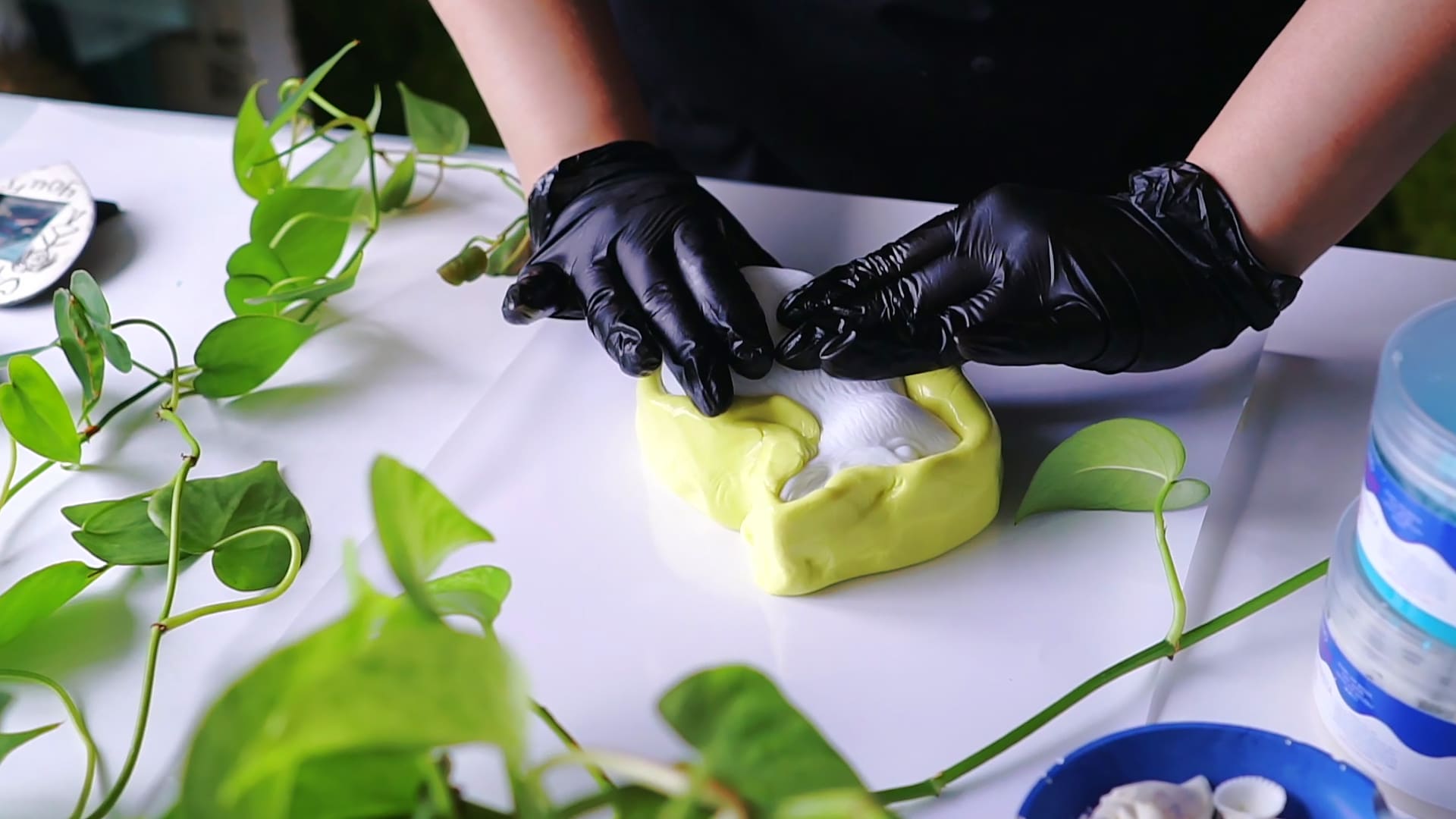
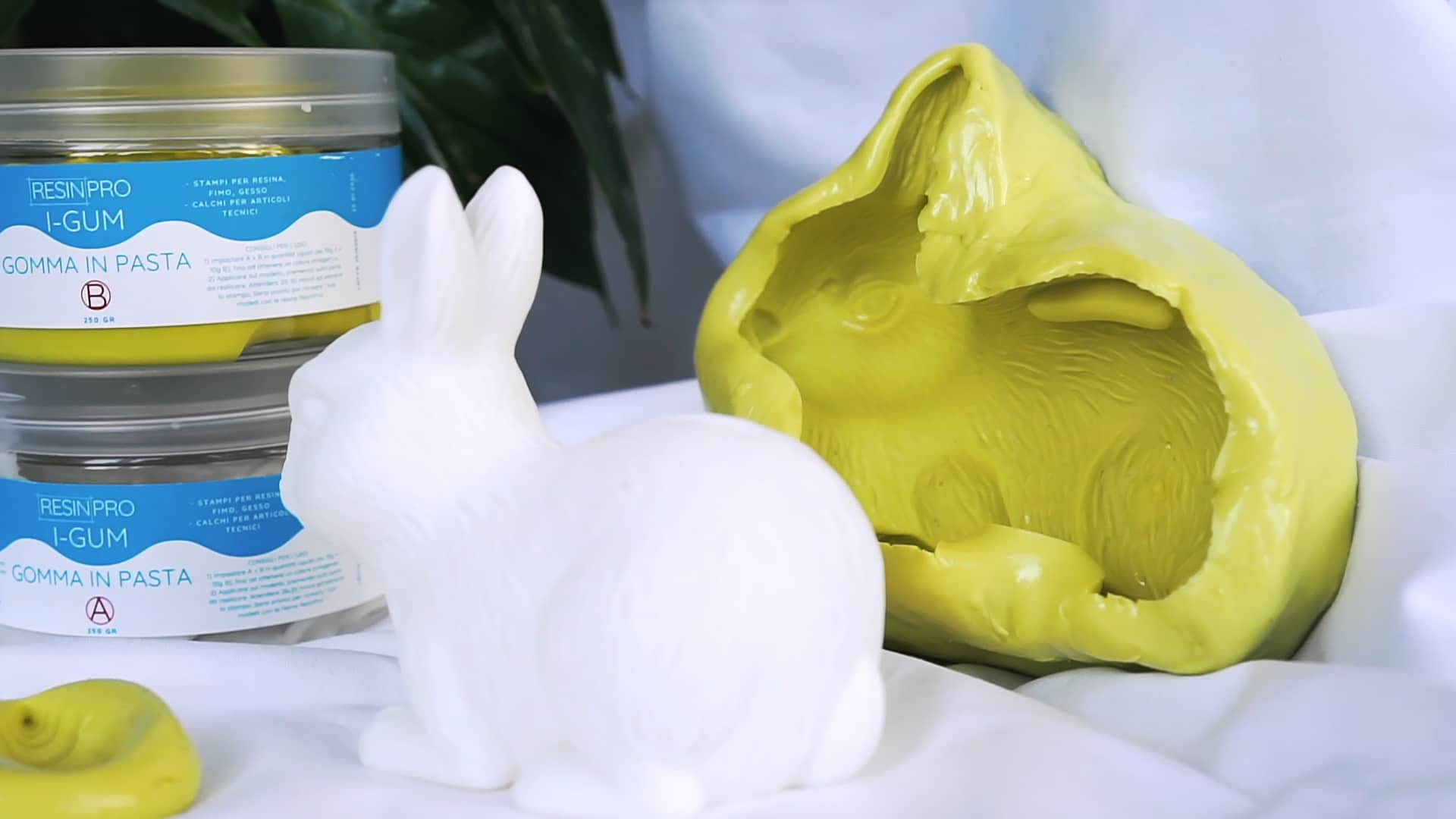
If you’re crafting a bespoke shape, using “I–Gum” – Non-Toxic Silicone Putty for Mould Making is ideal for creating custom forms with integral release capability.

Step 4: Pour and Cure Resin with Timing in Mind
Pour your epoxy resin carefully into the prepared moulds, avoiding excessive agitation which can drive resin into fine textural details and heighten the risk of sticking. Once poured, respect the manufacturer’s recommended curing time for your specific resin formula and the type of mould used.
Allow proper curing time for the epoxy resin before attempting demoulding. For many silicone moulds, removing the piece within 12 hours is advised to avoid difficult release or micro-adhesion. If left too long, even non-stick surfaces can develop a bond as resin shrinks during curing.
Tips to Avoid Common Demoulding Issues
- Always apply an even and thorough coat of release agent to your mould surfaces.
- Use the right mould material such as silicone for effective non-stick performance.
- Do not use harsh cleaners on silicone moulds—stick to soap and water.
- If a cast piece resists demoulding, freeze the mould briefly to contract the resin slightly and aid in release.
- Avoid leaving resin in the moulds beyond recommended times.
- Store silicone moulds away from direct sunlight and heat to preserve their non-stick surface.

Maintaining Non-Stick Performance Over Time
To ensure consistent non-stick results with epoxy resin projects, regularly inspect your moulds for wear and residue. Reapply release wax as needed and periodically clean moulds using only mild soap and water. Responsible care of your tools extends their lifespan and supports repeated, hassle-free casting.
- "Global A2" – Release Wax for Epoxy and Resin Moulds, Liquid, Heat Resistant to 180°CPrice range: £16.95 through £19.95Release wax designed for epoxy resin projects, creating a protective anti-adhesion film on mould surfaces.
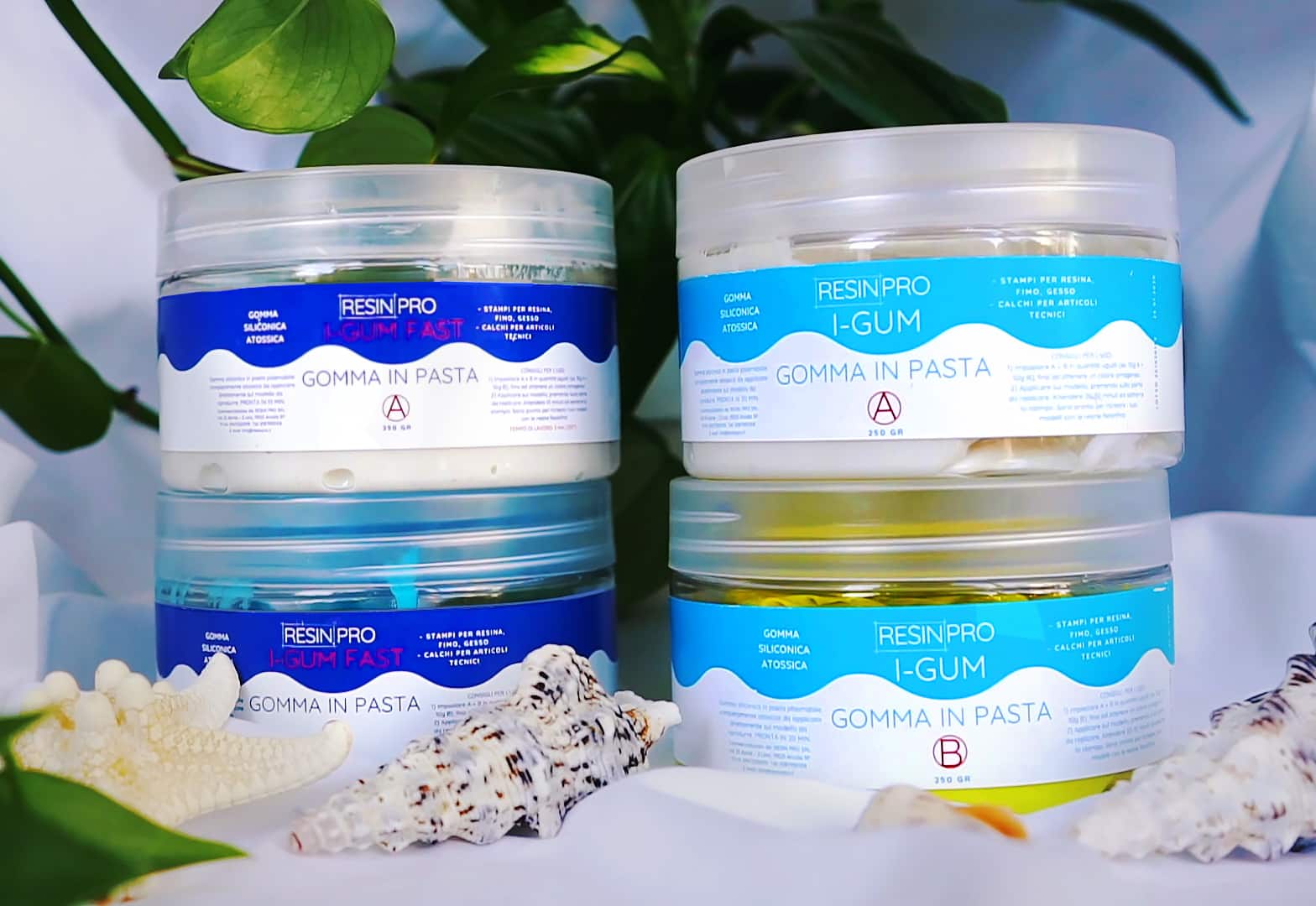
- "I–Gum" – Non-Toxic Silicone Putty for Mould MakingPrice range: £24.00 through £104.95"I–Gum" is a non-toxic silicone putty designed for making moulds, suitable for working with epoxy resin in the context of preventing sticking.
- "Bookmark" – Silicone Mould for Resin Casting£4.45Silicone mould suitable for resin casting, designed for creating original products with ease of use and easy demoulding.
 "Pyramid" – Silicone Mould for Resin Casting, 11x11x6.5cmOriginal price was: £8.45.£7.45Current price is: £7.45.Soft silicone mould designed for resin casting of jewellery boxes, reusable and non-stick for easy use and cleaning.
Frequently Asked Questions
How do I remove epoxy resin from a silicone mould?
Allow the resin to cure fully then gently flex or peel the mould. Avoid using tools that can damage the silicone.
Is a release agent necessary on all mould types?
While silicone moulds usually do not require release agents, adding one can improve demoulding, especially for intricate designs.
Can I use cooking spray or alternatives as a release agent?
It is best to use specialised release agents designed for resin projects, as household sprays may leave unwanted residues.
Should I clean my moulds between resin uses?
Yes, regular cleaning with mild soap and water preserves mould integrity and prevents accidental sticking.
Why did my resin piece stick after using a release agent?
Possible causes include incomplete coverage, expired agent, or insufficient curing. Apply evenly and check agent freshness.
What happens if resin stays too long in the mould?
Leaving resin in the mould for extended periods may cause increased adhesion and complications during removal.