 Free shipping on orders over £29,85
  Shipping Tracking!


 Google
 Facebook
← Back to How do you make an epoxy resin pour?
Nothing is more frustrating than discovering sticky leaks from your resin mould, especially when working on a creative or functional project. Taking the right steps beforehand keeps your workspace tidy and ensures a smooth pour every time.
Thoroughly Seal Corners and Seams
Gaps, joins, and edges are common culprits for leaks when pouring epoxy resin. It’s vital to meticulously seal every corner and seam of your formwork with a quality silicone sealant or, for temporary solutions, heavy-duty tape. When using a reusable mould, pay special attention to potential micro-cracks or warping at the edges.
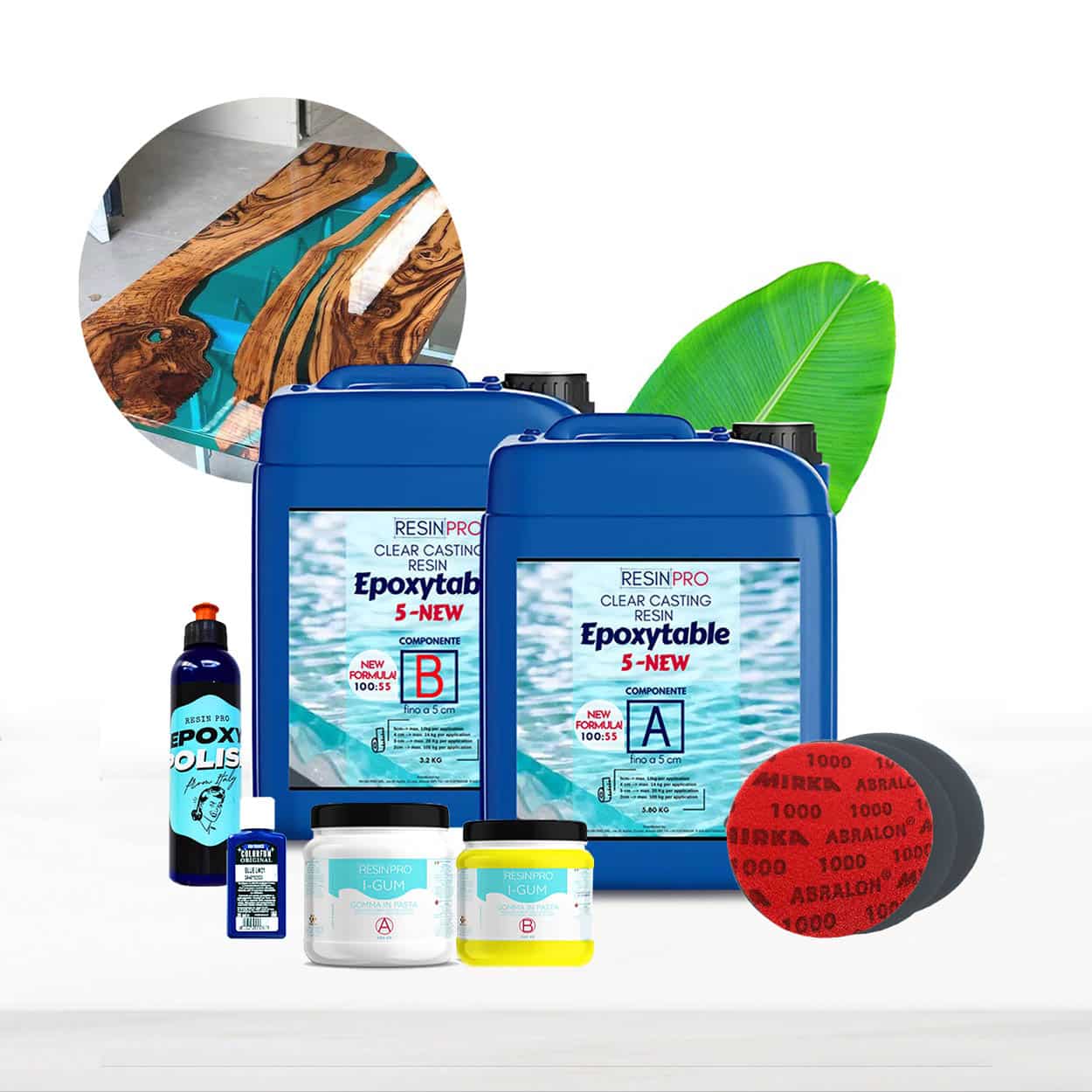
Many starter kits, like the “River-Table” – Complete Kit, include specialist silicone pastes to make the sealing process straightforward and reliable, even for beginners.
Testing Before the Real Pour
Before mixing your resin, it’s wise to run a quick test. Pour a small amount of water or a little resin into the mould and check carefully for leaks. This step lets you fix any problem areas before committing valuable epoxy to the project. If any leaks are discovered, dry the inside thoroughly and reinforce with extra sealant or tape.
When Leak Prevention Matters Most
- Large projects such as river tables or blocks, where the risk of resin loss is higher.
- Complex shapes and layered moulds, where multiple pieces and tight angles are involved.
- Deep pour applications using products like “EpoxyTable 5-Five” or “Trasparente”, which require more resin at once.
Related products
Related guides
Taking the time to seal your mould saves mess, materials, and your project itself. For step-by-step guidance on epoxy pours from start to finish, see our main guide on how to make an epoxy resin pour.