 Free shipping on orders over £29,85
  Shipping Tracking!


 Google
 Facebook
How do you make an epoxy resin pour?
Creating a flawless epoxy resin pour unlocks creative possibilities—from eye-catching river tables to stunning art pieces and decorative finishes. Whether you’re after a glossy, glass-like surface or sturdy functional results, this guide will take you through everything required for safe, professional-looking epoxy resin pours. Perfect for beginners and enthusiasts keen to elevate their resin work and avoid classic mistakes.
Guided steps for clear, level epoxy resin pours every time
What You’ll Need
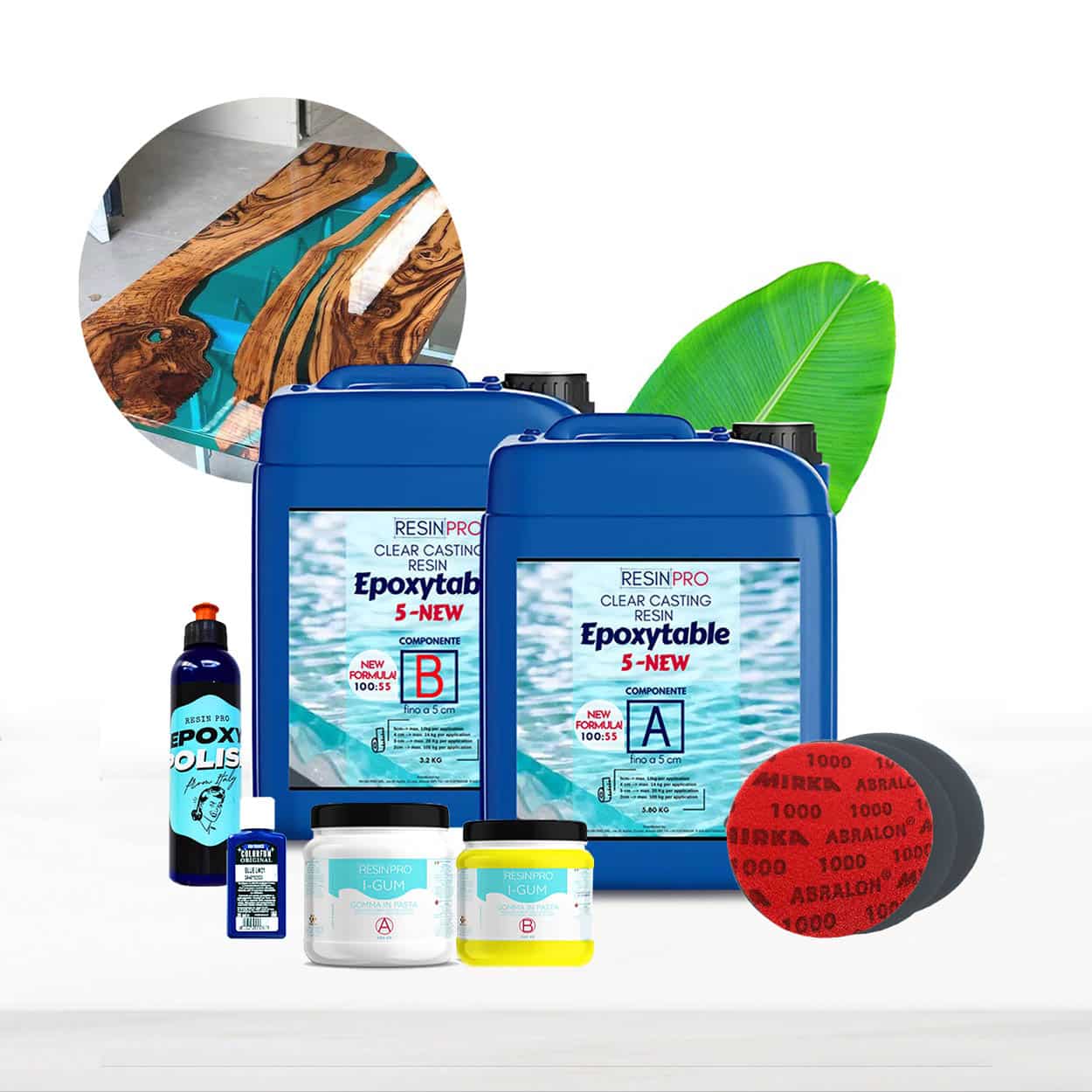
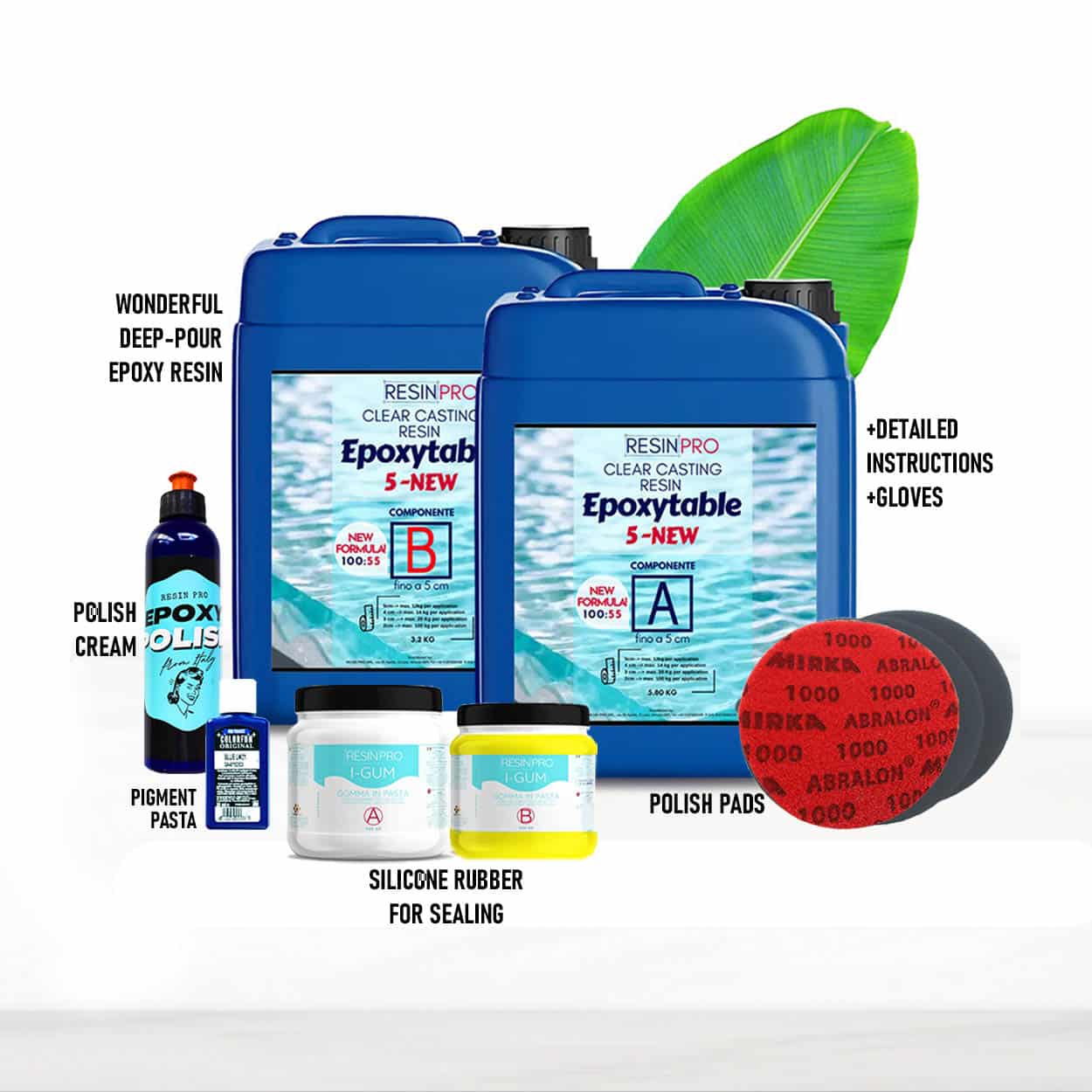
- “River-Table” – Complete Kit for Creating Your First Epoxy Resin Table – A fully equipped kit for beginners including resin, sealing materials, pigments, and polishing pads.
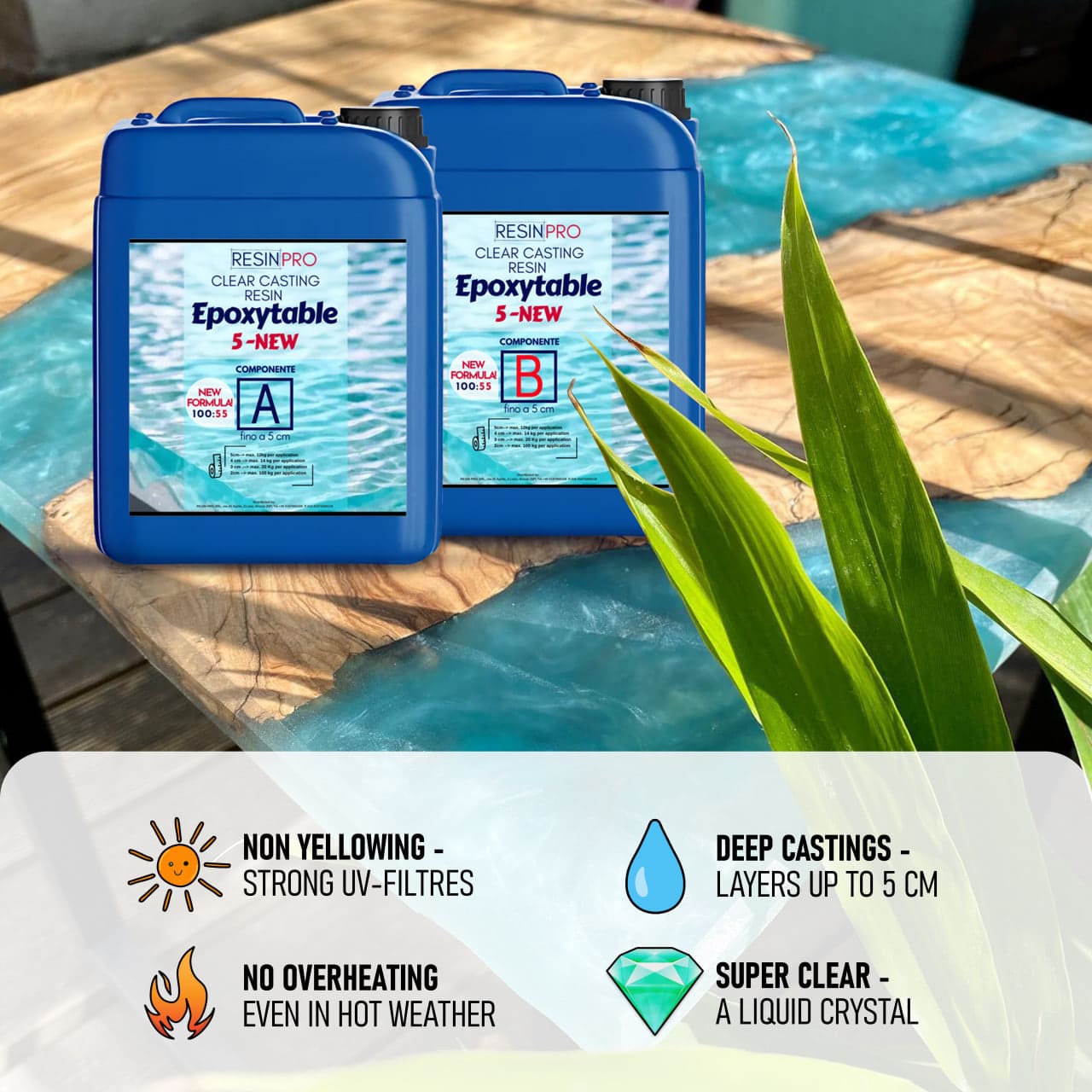
- “EpoxyTable 5-Five” – Deep Pour Epoxy Resin for Tables and Large Projects – Up to 5cm – Ideal for deeper projects like tables or thick artistic castings.
- “Trasparente” – Multipurpose Clear Epoxy Resin for Casting – Up to 2cm – Best for smaller, thinner casts for art or detailed work.
- “Epoxytable 10-Ten” – Deep Pour Epoxy Resin for Tables, Up to 10cm Casting – For extra-deep river tables and large volume pours.
- Protective gloves, goggles, and dust mask
- Mixing sticks and graduated containers
- Sealant for your mould or formwork
- Level work surface and spirit level
- Heat gun or torch (optional for bubble control)
- Painter’s tape or release film

Choosing the Right Epoxy Resin for Your Project
Match your resin’s depth and finish to your project needs. For river tables or deep casts, opt for EpoxyTable 5-Five or Epoxytable 10-Ten. Smaller, decorative pours benefit from Trasparente. If you want everything in one, try the River-Table Kit with full instructions included.
Step 1: Prepare Your Surface and Set Up the Formwork
Begin by ensuring your work area is dust-free, level, and well-ventilated. Select an appropriate mould or construct a formwork that matches your project’s size and shape. Seal all internal corners and seams thoroughly—leaks are common early mistakes. Use painter’s tape or a specialised release film to prevent your epoxy adhering permanently to the sides of the mould. Double-check for gaps or potential leak points, especially if building a river table or large cast. Address any issues before you start your pour for a smooth finish later.
Step 2: Measure and Mix the Epoxy Resin
Measure your resin and hardener by weight following the manufacturer’s specified ratio. Mixing ratios vary—Always follow manufacturer’s mixing ratios precisely for optimal results. Pour both parts into a clean container and stir with slow, steady movements for at least three minutes, scraping the sides and bottom frequently. Avoid vigorous stirring to reduce trapped air bubbles. If you wish to add pigments, do so after the initial mix, stirring well to achieve an even colour throughout. Once fully mixed, use the resin promptly, as pot life is limited.
Step 3: Pour the Epoxy Resin Carefully
Slowly pour the mixed epoxy into your prepared mould or over your surface, starting from one corner and allowing the resin to flow and self-level. For projects thicker than 2cm or 5cm, select the matching deep-pour formula, such as EpoxyTable 5-Five or Epoxytable 10-Ten. Thinner coatings for art or embedding objects work best with formulas like Trasparente. Never force depths beyond the recommended maximum per pour to avoid overheating, yellowing, or bubble entrapment. Monitor for leaks in the first minutes, and fix immediately if noticed.

Step 4: Remove Bubbles and Allow to Cure
After pouring, bubbles may rise to the surface. Use a heat gun or torch (safely and sparingly) to eliminate surface bubbles—keep the tool moving to prevent scorching. Maintain your workspace at a steady temperature, and protect from dust while the resin cures. Curing times vary depending on resin type and thickness, usually from several hours up to several days. Do not disturb the piece during curing to prevent imperfections. Most resins are touch-dry within 24 hours, but full strength and clarity may take longer.

Step 5: Demould and Finish the Resin Surface
Once fully cured, gently demould your project. Use a release film or specialist tape for easy removal, which minimises the risk of chips or damage. If the surface requires further finishing—such as sanding, buffing, or polishing—work progressively through finer abrasives before applying a polishing compound. For complete kits, like the River-Table Complete Kit, use the provided pads and polish for best results.
Tips, Troubleshooting, and Common Mistakes
Keep ambient conditions consistent: Work in a dust-free, well-ventilated space and maintain stable temperatures to reduce curing issues. If bubbles persist, check your mixing method or try warming your resin slightly before use. Watch for uneven surfaces—caused by an unlevel table or premature movement. Be patient with depth: attempting to pour too thick in one go can trigger yellowing, warped finishes, or even resin failure. If in doubt, pour in stages and ensure each layer gels before adding the next. Practice good safety at all times.
Best Practice for Consistent, High-Quality Pours
Never rush your preparation or skip PPE. Plan each stage: measure, seal, mix, pour, and cure with care. If you encounter issues—like sticky surfaces or persistent bubbles—review ratios, depth, and working conditions. Experienced users still double-check basics each time to ensure smooth results and reliable finishes.

- "River-Table" – Complete Kit for Creating Your First Epoxy Resin TablePrice range: £188.85 through £444.85"River-Table" kit provides materials and instructions for epoxy resin pouring to create wooden and resin tables.
- "EpoxyTable 5-Five" – Deep Pour Epoxy Resin for Tables and Large Projects – Up to 5cmPrice range: £16.85 through £1,099.85"EpoxyTable 5-Five" is designed for deep pour projects like tables with clear, scratch-resistant finish and long working time.
 "Trasparente" – Multipurpose Clear Epoxy Resin for Casting – Up to 2cmPrice range: £8.45 through £948.85"Trasparente" is an ultra-clear, multipurpose casting epoxy resin for pours up to 2cm, delivering a smooth, glossy finish for detailed projects.
 “Epoxytable 10-Ten” – Deep Pour Epoxy Resin for Tables, Up to 10cm CastingPrice range: £33.85 through £334.85“Epoxytable 10-Ten” offers epoxy resin suitable for creating tables with deep casts up to 10cm, designed for how to make an epoxy resin pour.
Frequently Asked Questions
How can I prevent bubbles in my epoxy resin pour?
Mix your resin slowly, pour gradually, and use a heat gun or torch on the surface to remove bubbles immediately after pouring.
What is the maximum depth I can pour epoxy resin in a single layer?
This depends on the resin type: up to 2cm for standard resins, 5cm for deep-pour, and 10cm for specialised formulas like Epoxytable 10-Ten.
How do I find and measure the correct mixing ratio for my resin?
Check your resin’s instructions—most use weight-based ratios. Always measure accurately with digital scales for best results.
How long does epoxy resin take to cure?
Curing can take 24–72 hours depending on resin type, thickness, and ambient temperature. Do not touch or move resin until fully hardened.
What’s the best way to prevent leaks from a resin mould or formwork?
Seal all corners and seams thoroughly with silicone or tape before pouring. Always test with a small amount of resin or water first.
How can I get a glossy, smooth finish on my resin project?
Use quality resin, pour on a level surface, remove bubbles, and sand plus polish after curing if necessary for high gloss.