 Free shipping on orders over £29,85
  Shipping Tracking!


 Google
 Facebook
How to recycle resin cutting boards?
Turn old resin boards into renewed, food-safe creations
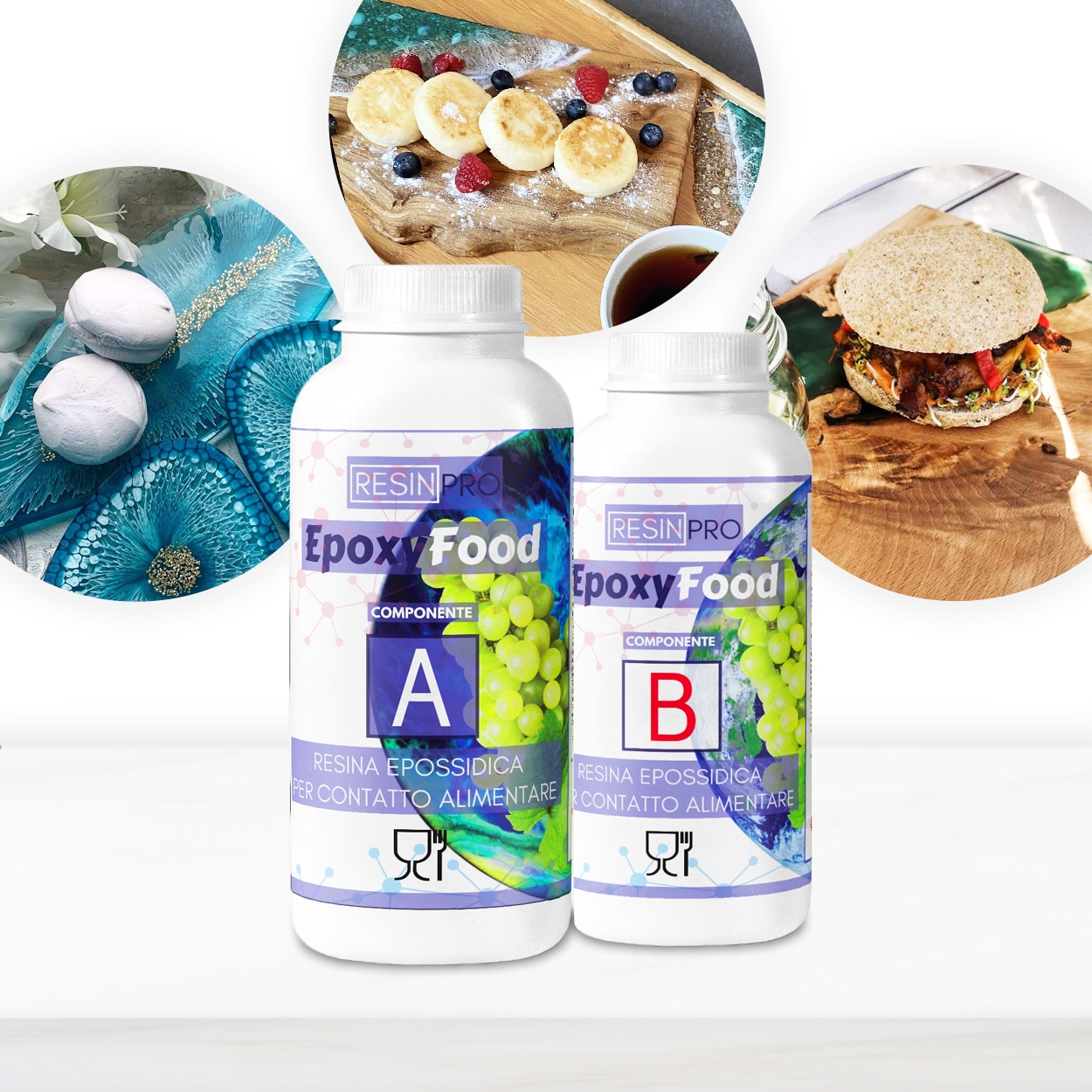

Recycling resin cutting boards is an environmentally conscious and creative process that allows you to transform old or damaged boards into beautiful, functional kitchenware. Whether you’re a resin crafter seeking to reduce waste, or a DIY enthusiast looking to give new life to kitchen items, this guide provides clear steps on how to break down and repurpose resin cutting boards safely and attractively.

What You’ll Need
- “EpoxyFood” – Certified Clear Food Contact Epoxy Resin for Coating: Clear, food contact epoxy resin suitable for coating recycled boards.
- Rectangular Cutting Board Silicone Mould for Resin Casting: Use for rectangular board shapes and easy release.
- Silicone Mould for Circular Cutting Board – 14.3×10.5cm: Ideal for creating circular recycled boards.
- Silicone Mould Model “With Edges” – 120x252mm: For a bordered finish and more design options.
- Protective gloves and apron
- Mixing containers and spatula
- Sandpaper or abrasive pad
- Isopropyl alcohol or gentle surface cleaner

Essential Safety and Preparation
Wear protective gloves and work in a well-ventilated area. When recycling resin, personal safety is vital—minimise skin contact and avoid inhaling fumes. Ensure old resin pieces are clean and fully dried before use. This prevents contamination and ensures a better bond between new and recycled materials.
Step 1: Prepare Old Resin Cutting Boards
Begin by inspecting your old resin cutting boards. Remove any stuck food debris, stains or grease by washing with mild soap and water. Make sure no loose bits, sharp fragments, or heavily damaged material remain. Allow the boards to fully dry before proceeding. If the surface is glossy, lightly sand it to provide better adhesion for the new resin layer or to help facilitate breaking the board into smaller pieces for recycling. Wear protective gloves and work in a well-ventilated area.


Step 2: Cut or Break Down the Old Boards
For best results, slice or break the unsalvageable resin board into manageable pieces. This allows you to incorporate chunks from the old board into new resin creations, giving unique patterns and reducing waste. Sand the edges to remove sharpness, then clean debris and dust off the fragments. Ensure old resin pieces are clean and fully dried before use.
Step 3: Set Up Your Mould
Choose the appropriate silicone mould for your desired outcome. The Rectangular Cutting Board Silicone Mould for Resin Casting is ideal for standard boards, while the Silicone Mould for Circular Cutting Board – 14.3×10.5cm offers a circular design. For added edge detail, select the Silicone Mould Model “With Edges” – 120x252mm. Make sure the mould is clean and free from leftover resin before use. Arrange the recycled resin pieces artistically in the mould if you wish.

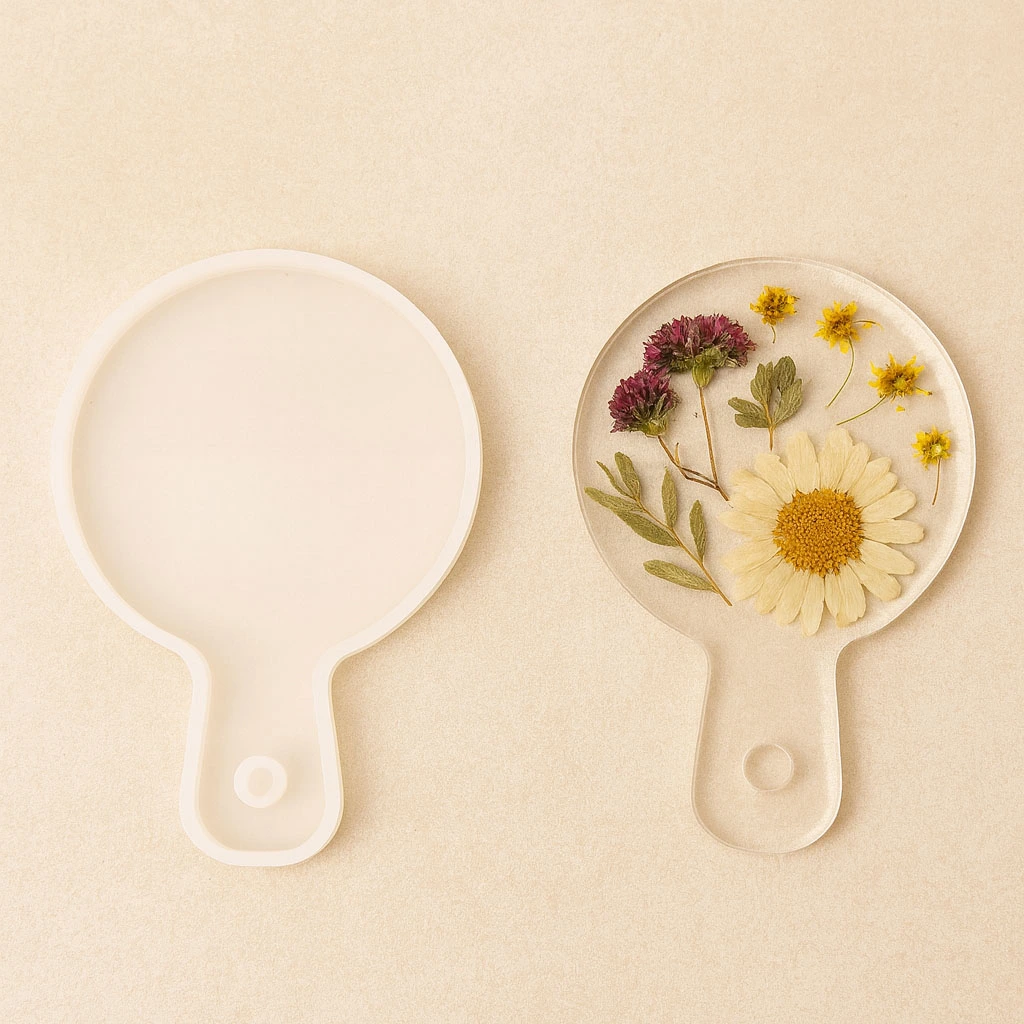
Step 4: Pour and Cure the New Resin
Mix a fresh batch of “EpoxyFood” – Certified Clear Food Contact Epoxy Resin for Coating according to the manufacturer’s guidelines, ensuring the correct ratio for a safe, food-contact surface. Gently pour the resin into the silicone mould, embedding your recycled board fragments as desired, and use a spatula to spread evenly. Remove any air bubbles with a gentle heat source. Allow the resin to cure undisturbed for the recommended period. Mix resin in recommended ratios for best safety and results. Allow full curing time for long-lasting durability.
Tips and Troubleshooting
Work methodically and avoid rushing each step for optimal results. Always check that recycled resin fragments are clean and do not compromise the new board’s structural integrity. If air bubbles persist, using a heat gun carefully can help, but avoid overheating. Trim excess resin and sand down any rough edges once fully cured. Recycled boards may show some inclusions or irregularities, which can be highlighted artistically or sanded for a smoother finish.

Finishing Touches and Sustainable Crafting
Embrace creativity when arranging recycled fragments—each board becomes a unique piece. Sand gently and wash the finished board thoroughly before kitchen use. Enjoy your renewed resin cutting board and take pride in reducing waste through imaginative recycling techniques.

- "EpoxyFood" – Certified Clear Food Contact Epoxy Resin for CoatingPrice range: £20.95 through £146.95"EpoxyFood" is a clear, food-safe resin designed for coating plates and cutting boards with good clarity and a gloss finish.
- Rectangular Cutting Board Silicone Mould for Resin CastingPrice range: £6.85 through £9.85Silicone mould designed for resin cutting boards, suitable for personalised artistic creations with reusable and easy-to-clean features.
- Silicone Mould for Circular Cutting Board – 14.3×10.5cmOriginal price was: £7.45.£6.85Current price is: £6.85.Silicone mould designed for crafting circular cutting boards, suitable for creating personalised items within a resin recycling theme.
- Silicone Mould Model "With Edges" – 120x252mmOriginal price was: £9.45.£8.95Current price is: £8.95.Silicone Mould Model "With Edges" for crafts offers a reusable semi-transparent mould with a smooth interior, fitting the theme of recycling resin…
Frequently Asked Questions
Is it safe to recycle resin cutting boards at home?
Yes, if you use food contact-certified resin and follow proper safety precautions like protective gear and good ventilation.
Can you reuse old resin from cutting boards?
Yes, old resin pieces can be incorporated as decorative accents in new boards, provided they are cleaned and sanded.
Do recycled resin boards remain food safe?
They are food safe if you use a resin certified for food contact and ensure full curing with a clean surface.
How long should I cure a recycled resin cutting board?
Curing times depend on the resin used, but typically range from 48 to 72 hours for full strength and safety.
What moulds are best for recycled resin boards?
Reusable silicone moulds specifically designed for cutting boards ensure easy release and long-lasting quality.
How do I remove bubbles from resin during recycling?
Use a heat gun or a gentle flame over the poured resin to help bubbles rise and burst before the mix sets.