 Free shipping on orders over £29,85
  Shipping Tracking!


 Google
 Facebook
← Back to How to recycle resin cutting boards?
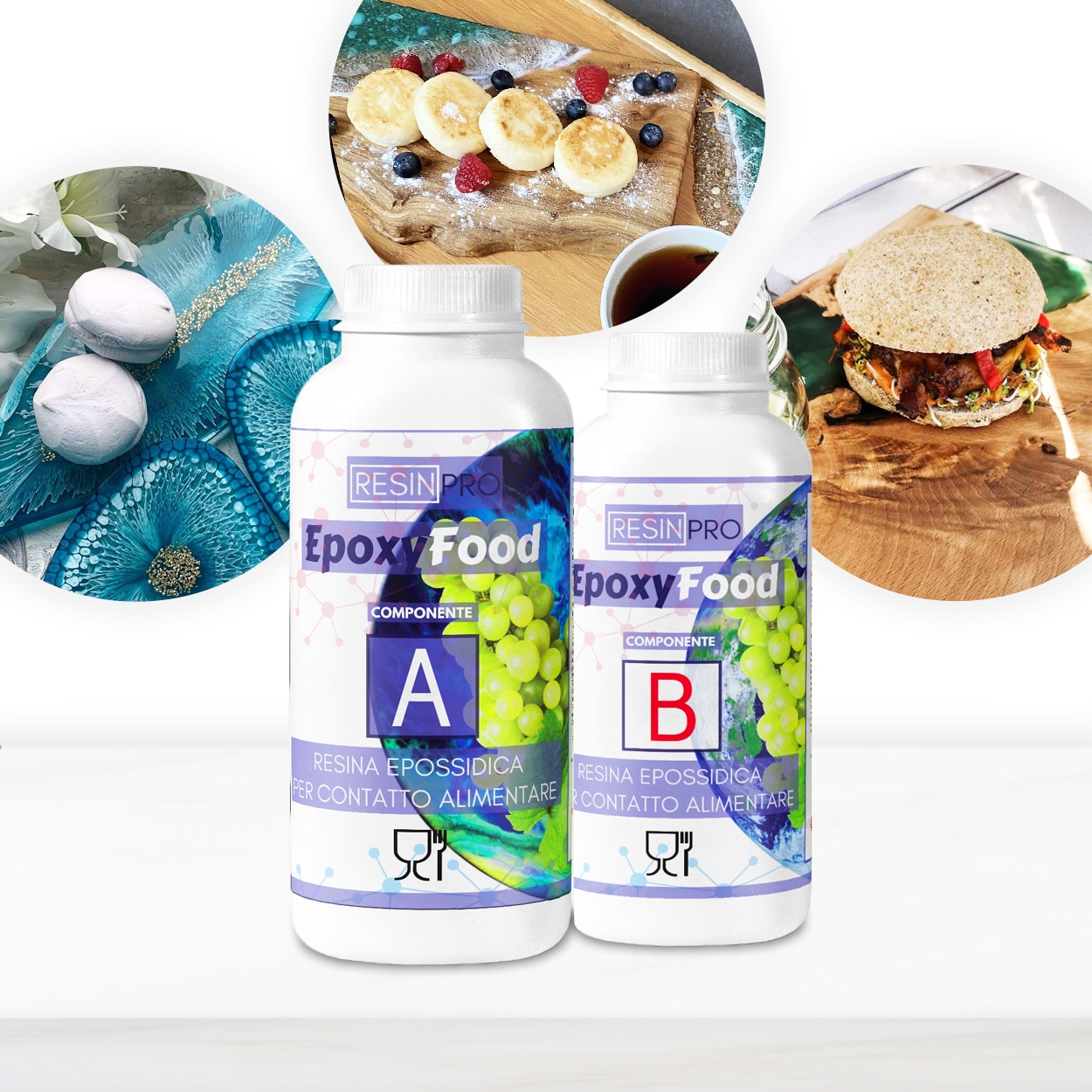

Recycling resin cutting boards at home is entirely possible with the right materials and safety measures. With a food contact-certified resin and appropriate protective steps, you can revitalise old boards or craft new ones for kitchen use.
Choosing Safe Materials and Working Conditions
For food-preparation surfaces, only use resins that are food contact-certified, such as EpoxyFood. Always check the product’s safety standards and avoid additives that could compromise its certification. Undertake all resin work in a well-ventilated area, using gloves and suitable respiratory protection to avoid skin contact or fumes during mixing and curing.


Practical Tips for Home Recycling
If you’re recycling or remaking a resin cutting board, consider using reusable silicone moulds, like a rectangular mould, to achieve a professional finish. After pouring new resin, allow it to cure thoroughly before handling or returning to service. Clean tools promptly and avoid aggressive solvents that may damage your moulds or surfaces. Remember, boards coated with food-safe resin are ideal for cold snacks and non-alcoholic beverages but may not be suitable for hot foods or cutlery use.
When Home Recycling Matters
- Upcycling damaged boards preserves materials and reduces waste.
- Homemade projects enable custom designs tailored to your kitchen.
- Ensuring food contact safety is vital if boards are used for any food preparation.

Related products
Related guides
By following these guidelines and using properly certified materials, you can safely recycle resin cutting boards at home, adding both function and creativity to your kitchen. For more advice, visit our main guide on how to recycle resin cutting boards.