 Free shipping on orders over £29,85
  Shipping Tracking!


 Google
 Facebook
← Back to How to remove silicone residue from resin?
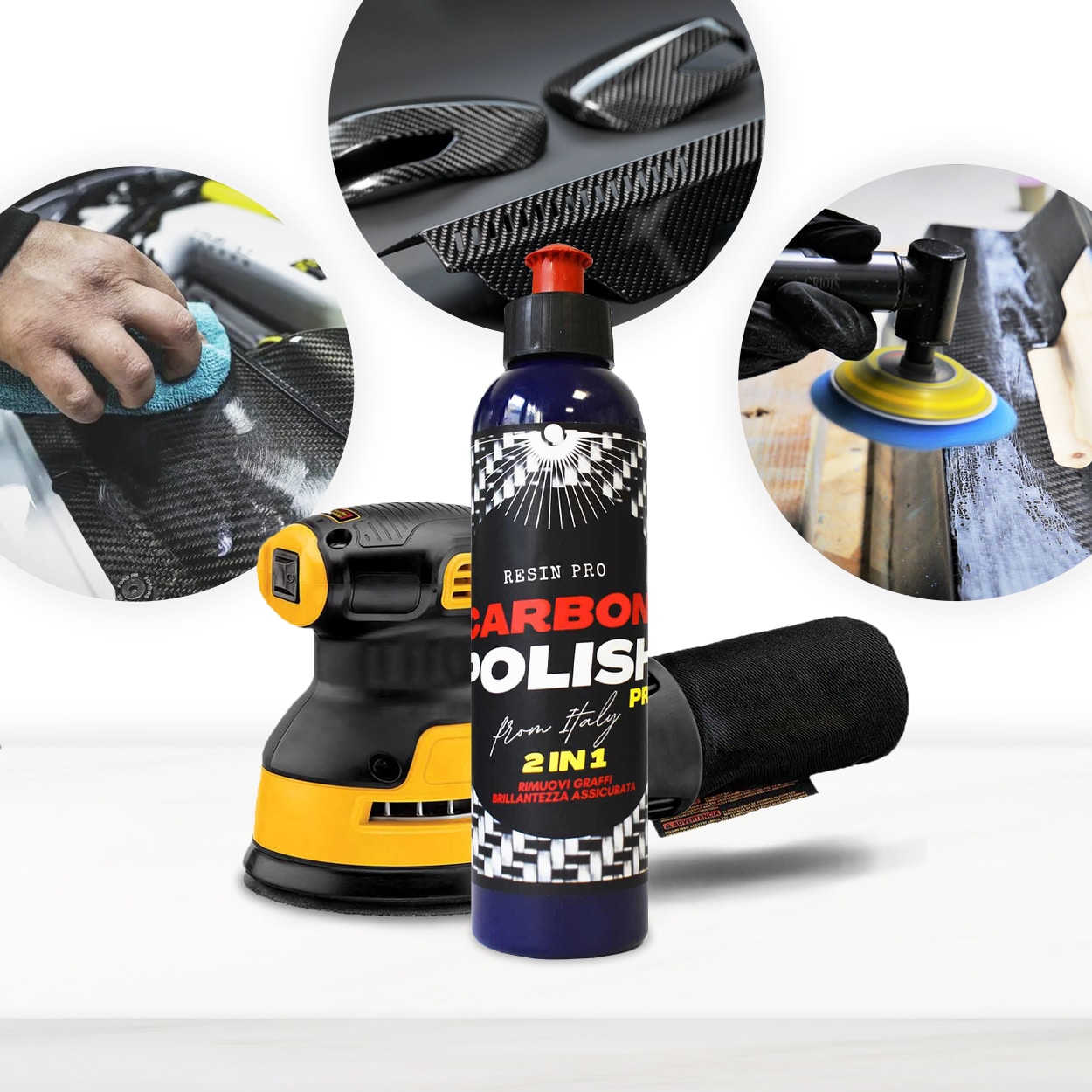

After meticulously cleaning resin, particularly when tackling silicone residue, some surfaces may still appear dull or slightly marked. The right time to use polish can make all the difference in the clarity and lustre of your finished piece.
When to Apply Polish
Polish is best applied after a thorough cleaning step, especially if you notice scuff marks or lacklustre areas that haven’t been restored by cleaning alone. On dark or black resin surfaces, using a silicone-free polish will help reinstate a deep, clear finish without risking further residue or damage to the material. This is particularly important after removing stubborn contaminants such as silicone or adhesive, as even minor residue can cause hazy spots.


How to Polish Resin for Best Results
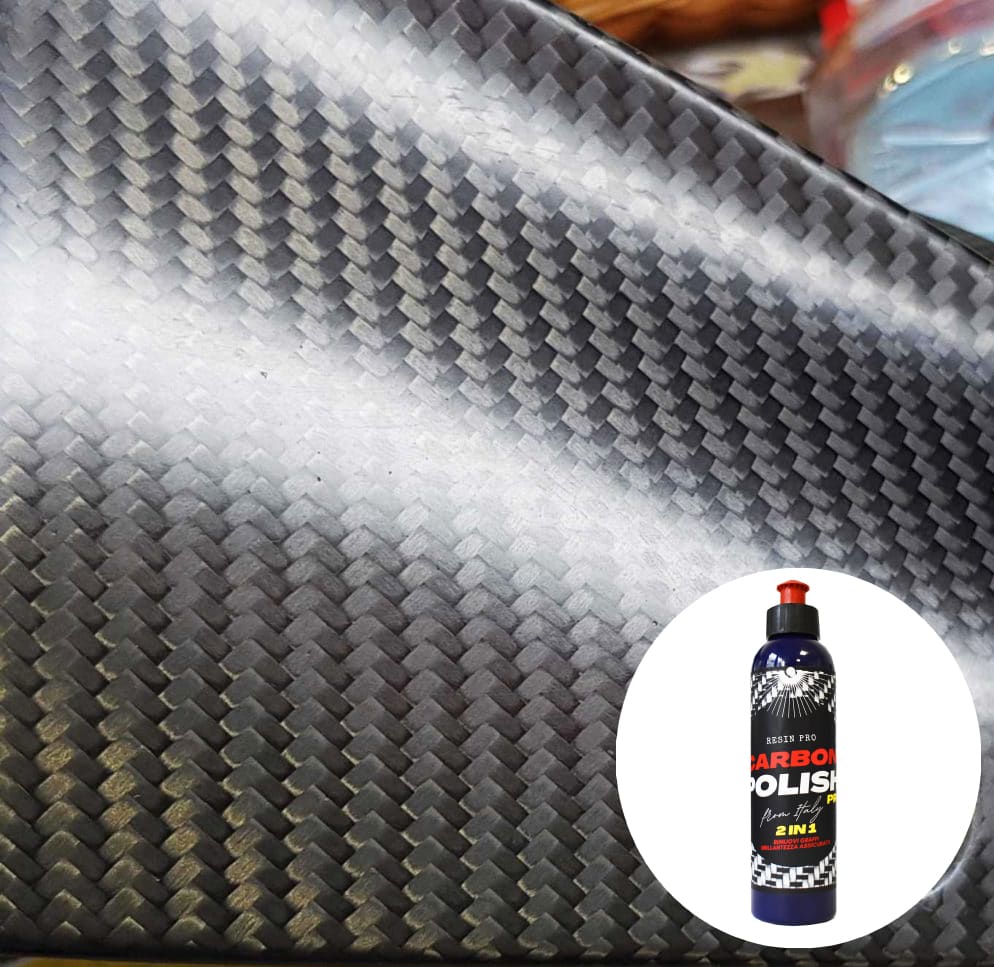
Choose a dedicated, silicone-free polish formulated for resin. A product like Carbon Polish is excellent for dark or carbon-filled resin, offering an odourless and non-whitening application. Polish can be worked in by hand using a soft cloth or with low-speed polishers for larger surfaces. Always ensure the resin is dry and dust-free, and apply the polish evenly, buffing until you achieve your desired shine. Avoid abrasive polishing agents that may leave swirl marks or a white residue.
When This Matters Most
Polishing after cleaning is especially crucial if your resin item is meant for display, is part of a high-gloss installation, or when preparing surfaces for further coating or sealing. It is also necessary after aggressive cleaning or sanding, which may leave subtle surface scratches that impact the final shine.
Related products
Related guides
A considered approach to polishing after cleaning ensures your resin stays vibrant and free of unsightly streaks. For more in-depth advice on cleaning and caring for resin, visit our main guide on removing silicone residue from resin.