 Free shipping on orders over £29,85
  Shipping Tracking!


 Google
 Facebook
How to renovate stairs with resin?
Upgrade worn stairs with a protective, waterproof resin finish
Renovating stairs with resin provides an attractive, hardwearing finish that resists moisture, abrasion and general wear. Whether your stairs are wood, concrete, or outdoor steps, resin can both restore and protect, extending their life and giving them a modern transformation. This step-by-step guide covers reliable preparation, correct application and pro tips for stunning, lasting results.
What You’ll Need
- “EpoxyWood” – Wood Restoration Epoxy Resin for Deep Penetration and Waterproofing: Ideal for sealing, waterproofing and reinforcing wooden staircases.
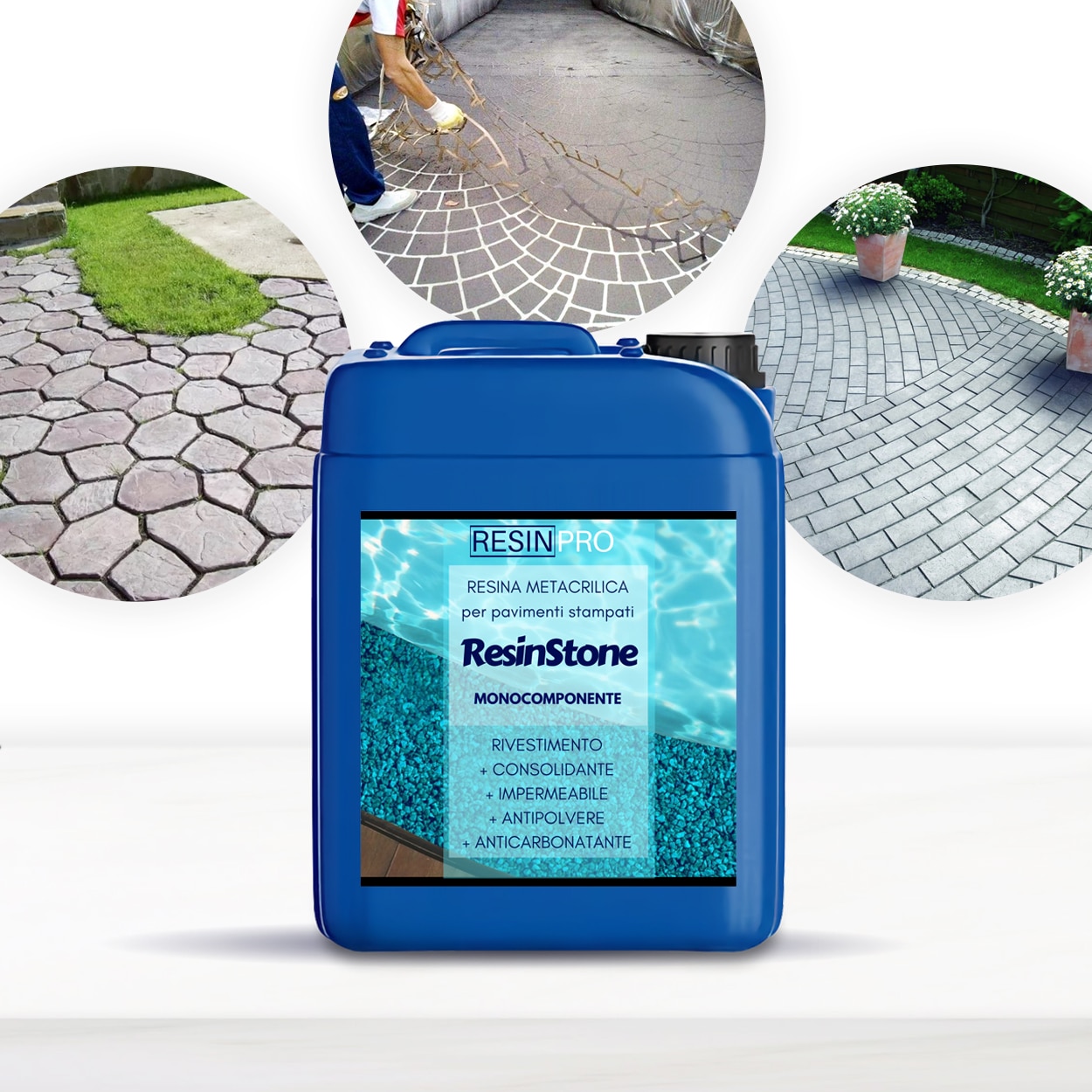
- “Resinstone” – One-Component Methacrylic Resin for Concrete Floors and Driveways: Perfect for renovating and protecting concrete staircase surfaces.
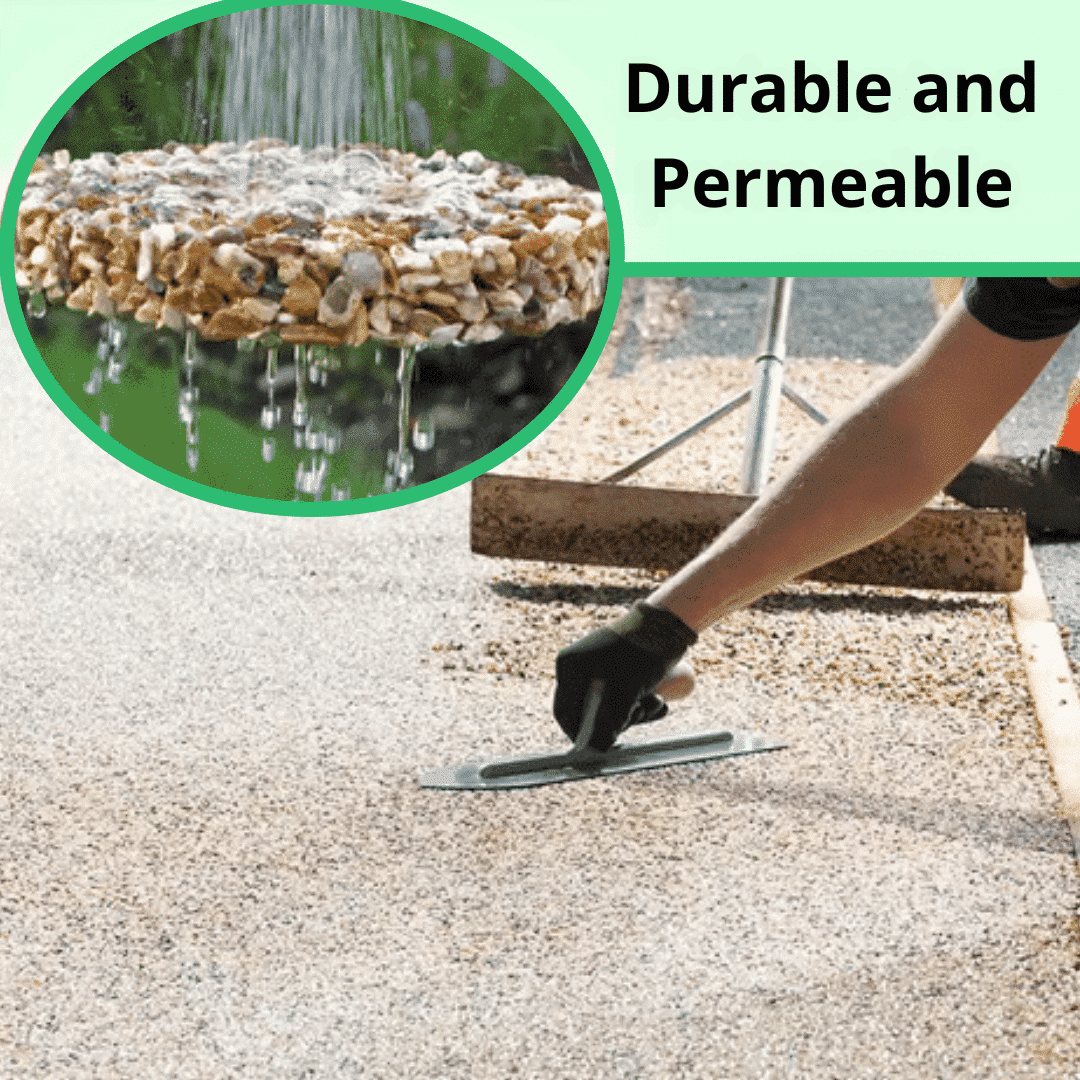
- “Flowstone” – Complete Permeable Floor Kit with Pebbles and Resin: For outdoor steps requiring a decorative, draining pebble-resin surface.
- “Trasparente” – Epoxy Binder for Coloured Pebbles and Grits: To bond coloured pebbles or grits on steps for decorative, UV-stable finishes.
- Protective gloves and mask
- Sandpaper and cleaning materials
- Rollers, brushes or mixing tools as required by your chosen product
- Masking tape and plastic sheeting

Visual Inspiration for Stair Renovation
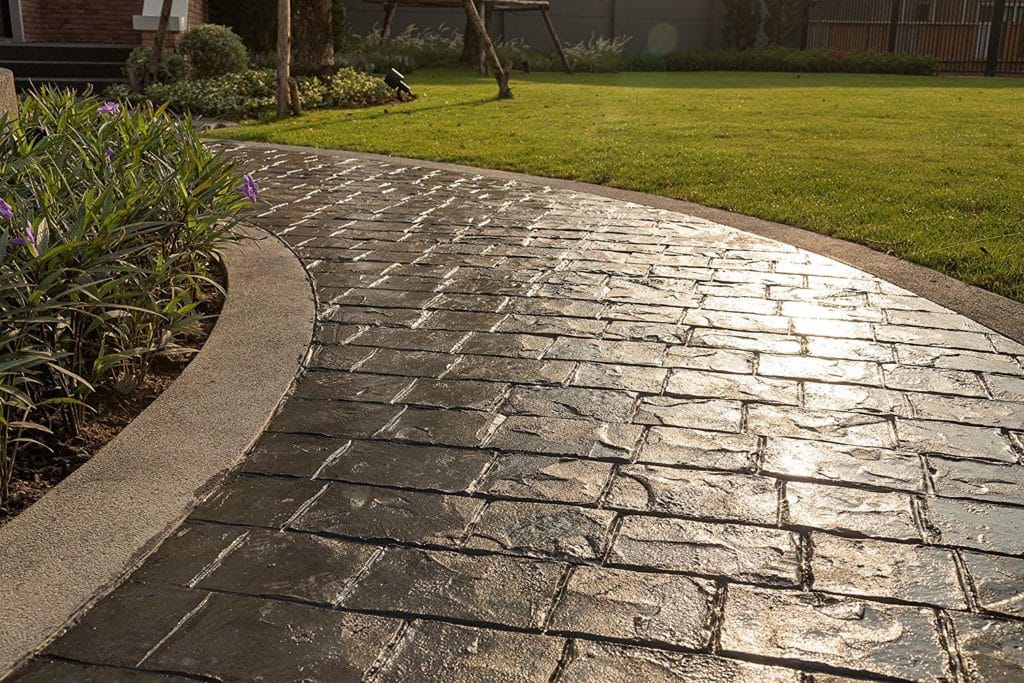
See examples of timber and concrete stairs transformed with resin coatings, as well as unique pebble-finished steps. These finished projects demonstrate the modern, seamless look and the enhanced durability resin brings to both indoor and outdoor staircases.
Step 1: Prepare the Stair Surface
Begin by thoroughly cleaning each stair tread and riser. Remove all dirt, grease, flaking paint, and existing coatings. Sand wood surfaces to create a smooth, absorbent base, and brush or vacuum away dust. For concrete steps, ensure any loose material or residue is completely cleared. Rectify cracks or significant imperfections ahead of resin application, letting repair fillers cure fully. This step is critical for strong adhesion and a uniform finish.
Step 2: Mask and Protect Surrounding Areas
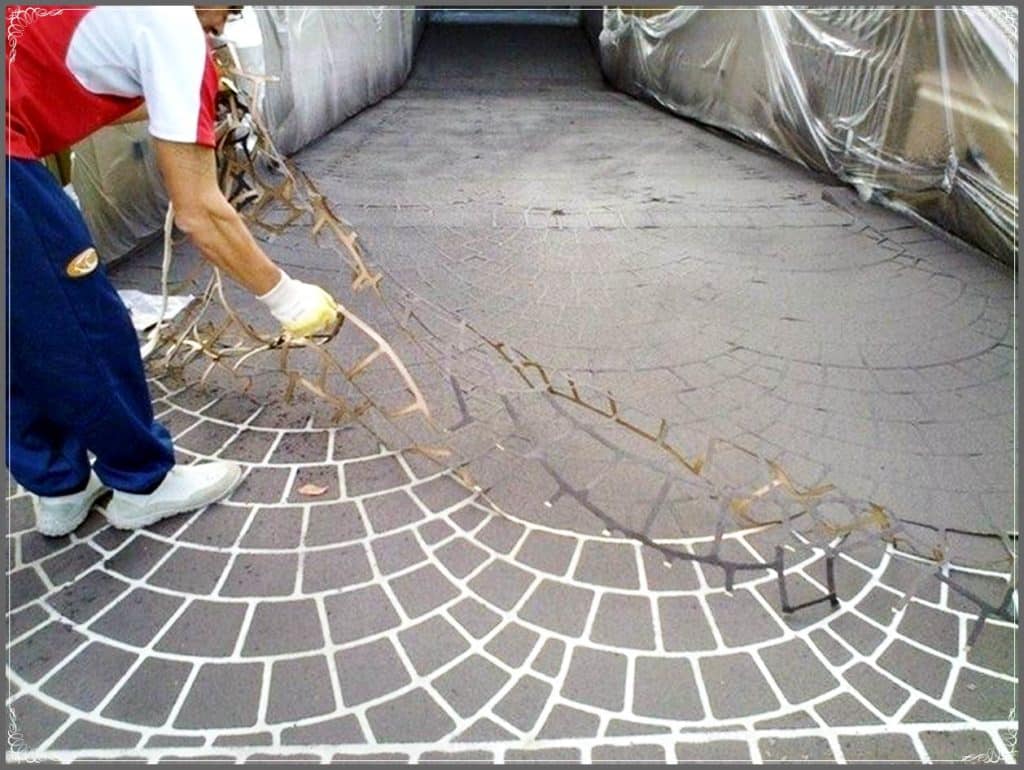
Use masking tape along the sides of each stair and at the edges adjoining walls, balustrades, or floors. Cover adjacent surfaces with plastic sheeting to prevent resin spills and splashes. This not only produces a crisp finish but also saves you time on post-application cleaning.
Step 3: Apply the Resin System
Select the resin suited to your stair material. For tired or water-damaged wooden stairs, a low-viscosity epoxy such as EpoxyWood – Wood Restoration Epoxy Resin deeply penetrates, reinforces, and waterproofs. For bare or porous concrete stairs, Resinstone – One-Component Methacrylic Resin gives effective sealing with rapid curing.
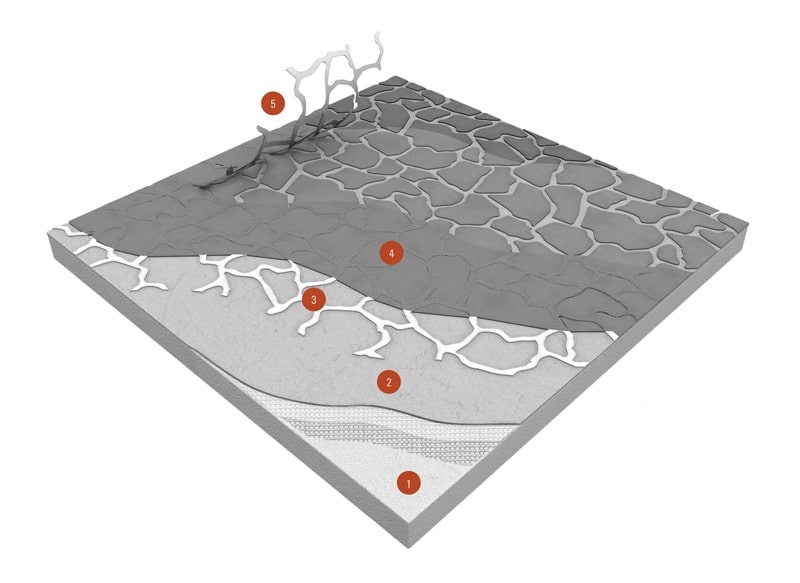
Mix components according to the manufacturer’s guidance. Pour or brush on the first coat, working it well into the surface, especially corners and edges. For pebble or decorative finishes on exterior steps, thoroughly blend chosen pebbles or aggregates with Trasparente – Epoxy Binder (for coloured stones) or use the complete Flowstone kit as instructed. Spread evenly with a trowel, ensuring the layer is compact and uniform.
Always work in well-ventilated conditions, and wear gloves and a mask to protect your skin and lungs.
Step 4: Allow to Cure and Finish
Leave the resin to cure for the period recommended by your chosen product. Most stair surfaces should not be walked on until the resin is dry throughout—this can range from 12 to 24 hours. Full mechanical strength and water resistance may require additional time. When cured, remove masking tape carefully and inspect the result for consistency. If required, an extra coat or localised re-application can refine the finish and ensure protection.
Tips and Common Mistakes
- Always ensure surfaces are clean, dry, and free from loose particles before applying resin.
- Use masking tape to protect adjacent areas and achieve neat, crisp edges.
- Allow each resin layer to cure fully as recommended before subjecting stairs to foot traffic.
- Test resin on a small, inconspicuous section first to confirm adhesion and final appearance.
- Work at the recommended temperature range to avoid curing issues or cloudy results.
- Do not mix more resin than you can use within the pot life; unused mixed resin will set rapidly and create waste.
Practical Application Insights
Notice the importance of careful masking during resin application. Stairs coated with precision exhibit sharper lines and smoother surfaces. Images show close-up details of cured resin surfaces, highlighting the glossy or matte finishes and resistant textures possible with various resin systems.
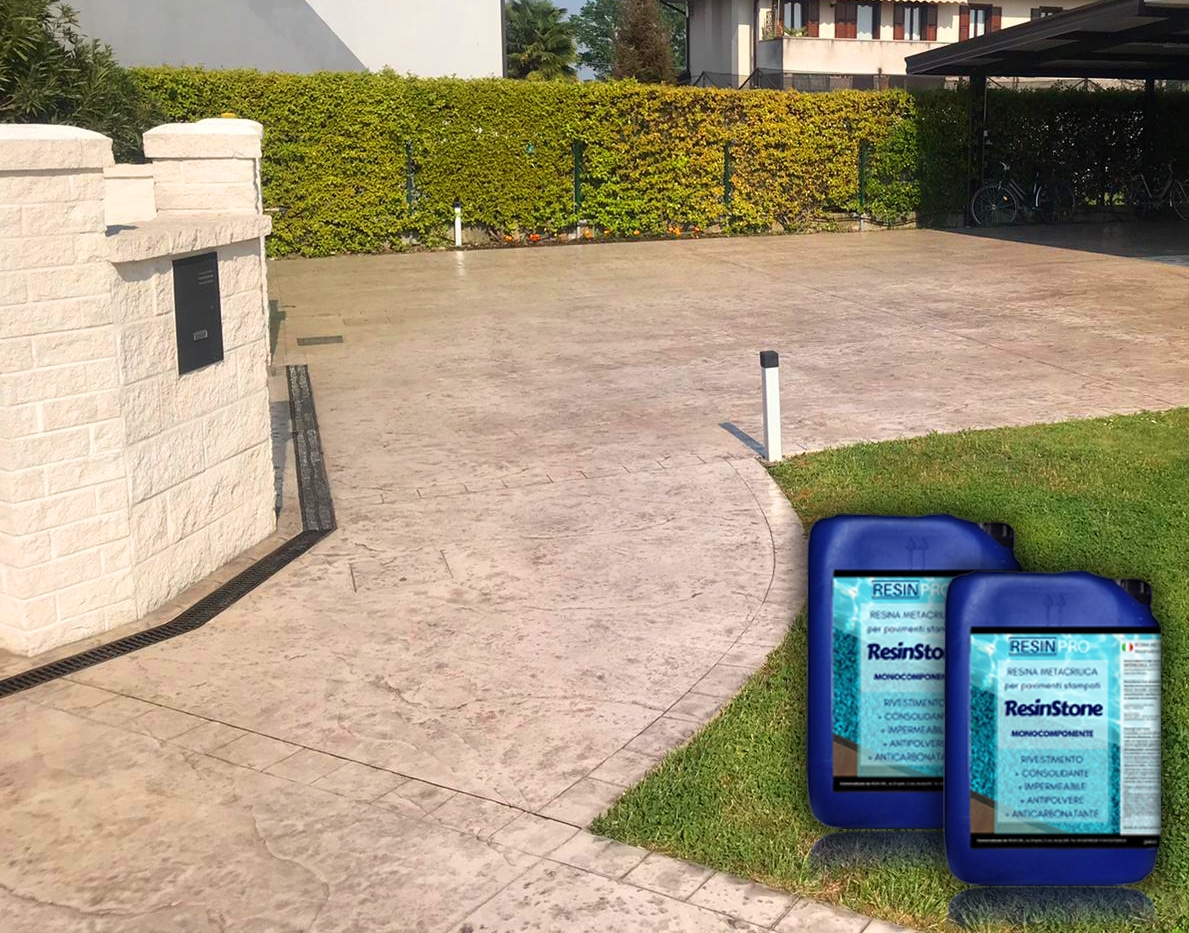
- "Resinstone" – One-Component Methacrylic Resin for Concrete Floors and DrivewaysPrice range: £36.71 through £336.48"Resinstone" is a one-component methacrylic resin designed to seal and protect concrete floors and driveways with durable, waterproofing benefits.
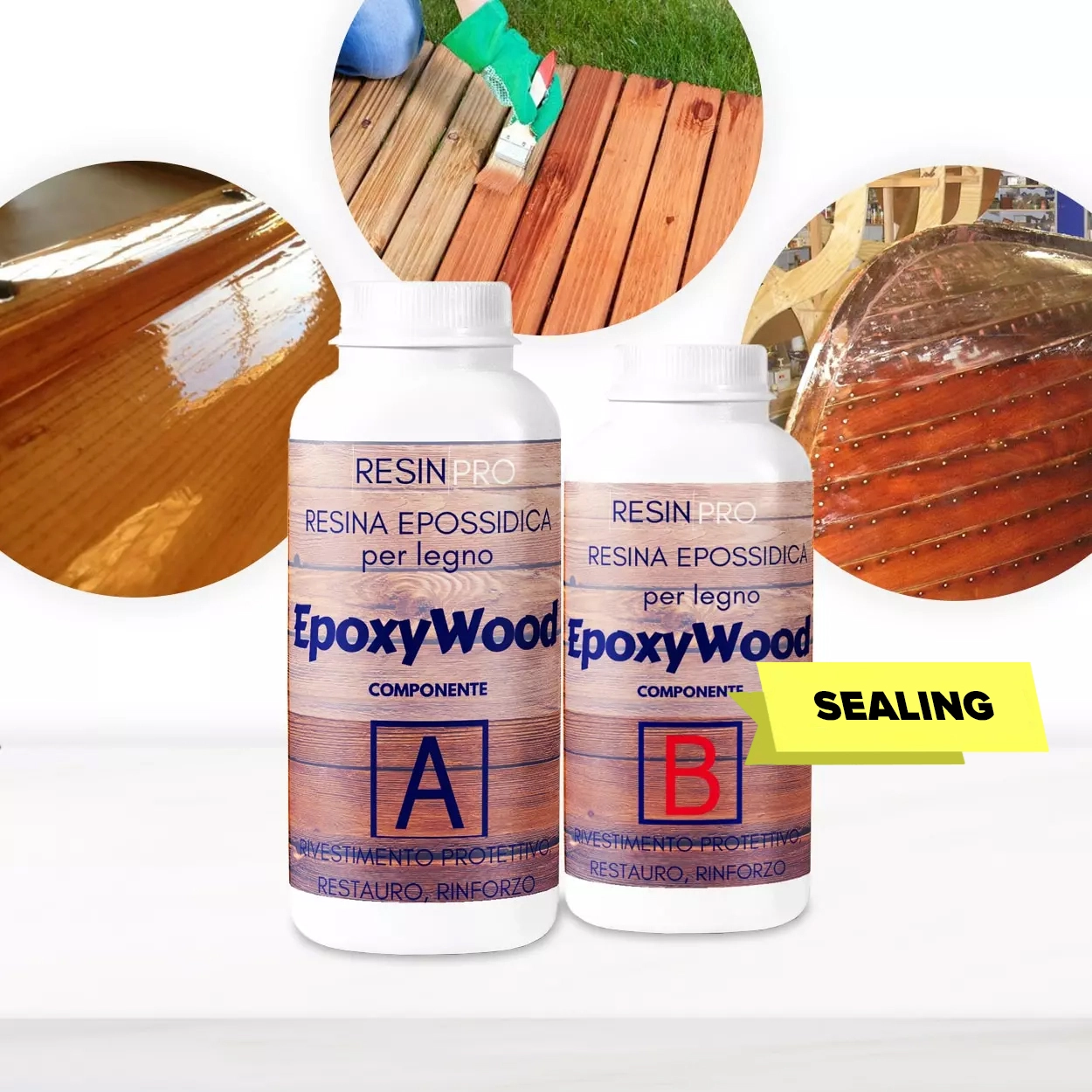 "EpoxyWood" – Wood Restoration Epoxy Resin for Deep Penetration and WaterproofingPrice range: £27.95 through £41.95"EpoxyWood" is designed for repairing and waterproofing wooden surfaces with a warm, straw-yellow finish.
- "Flowstone" – Complete Permeable Floor Kit with Pebbles and ResinPrice range: £49.95 through £3,915.45"Flowstone" is a draining pebble and resin floor kit designed for driveways and patios with easy application and colour options.
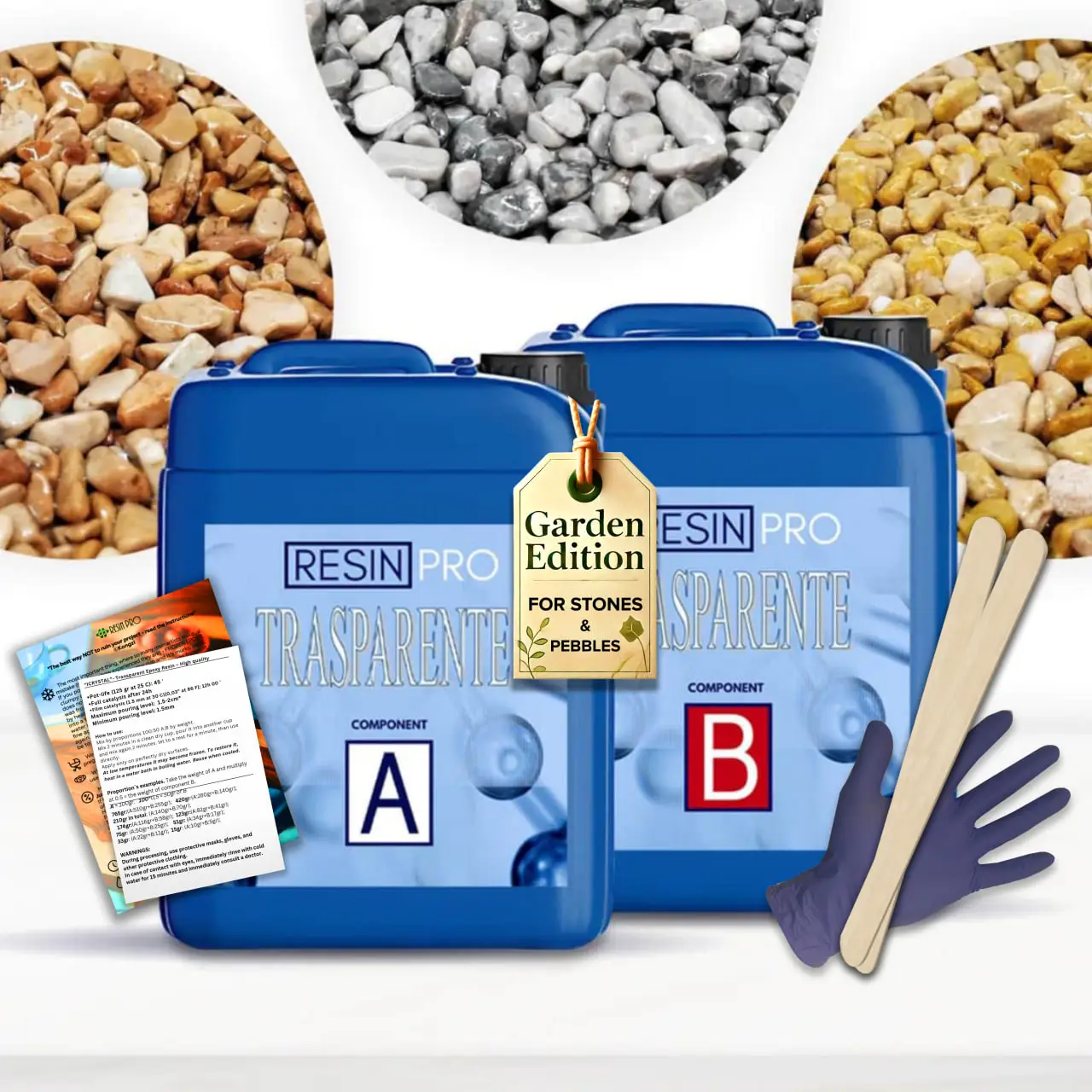 "Trasparente" – Epoxy Binder for Coloured Pebbles and GritsPrice range: £33.45 through £397.95"Trasparente" epoxy binder offers a crystal-clear, UV-resistant finish suitable for coloured pebbles and grits in stair renovation.
Frequently Asked Questions
How do I prepare old stairs for resin renovation?
Clean thoroughly, sand if wood, and fill all cracks. The surface must be dry and dust-free for proper adhesion.
Which resin is suitable for wood vs concrete stairs?
Use an epoxy resin for wooden stairs and a methacrylic or epoxy resin for concrete stairs.
How long before I can walk on renovated stairs?
Wait until the resin has fully cured. This usually takes 12–24 hours, but always check your product instructions.
Can I make exterior resin stairs non-slip?
Yes, add non-slip aggregates or select a resin system designed with anti-slip properties for outdoor steps.
What if resin peels or forms bubbles?
Peeling and bubbles are often due to poor prep or moisture. Sand back affected areas and reapply after correcting the cause.
Do I need to sand between resin layers?
Sand lightly between coats if the surface is glossy or has debris, ensuring good key for the next layer.