 Free shipping on orders over £29,85
  Shipping Tracking!


 Google
 Facebook
How to repair a perforated water softener resin?
Step-by-step guide to seal, reinforce and restore your resin system

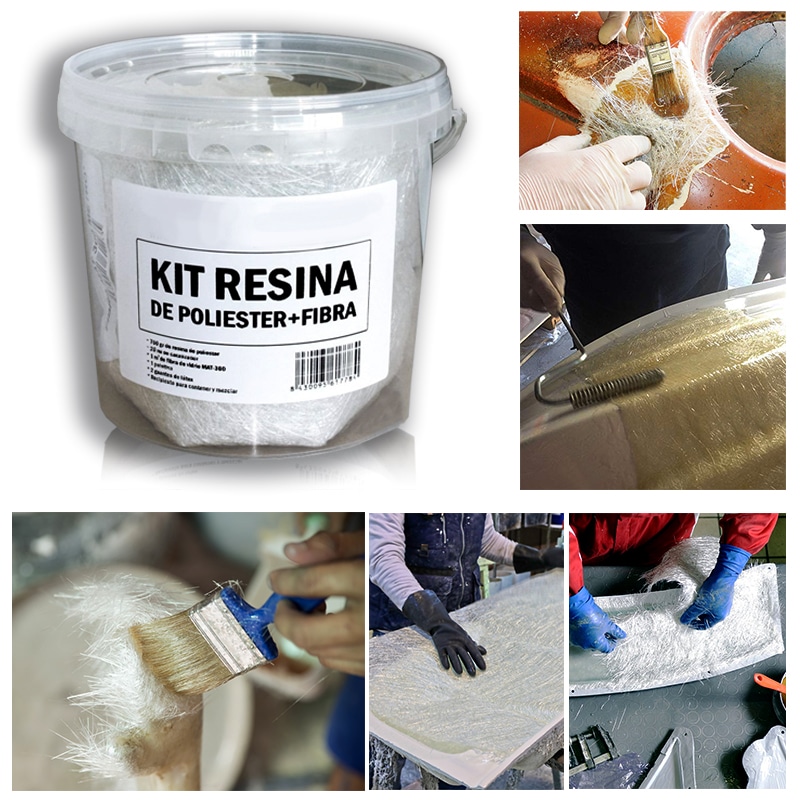
A perforation or crack in a water softener resin can significantly reduce its effectiveness, leading to leaks, water contamination, and poor performance. This guide walks you through the complete process to repair damaged resin materials within your water softener, helping prolong its lifespan and restore proper functionality. Whether you’re troubleshooting a minor leak or a clear breach, you’ll gain the confidence and know-how needed for effective at-home repair, minimising costly replacements.
What You’ll Need
- Resin Fibreglass Repair Kit – Complete Polyester Resin and Hardener Set – for structural, waterproof reinforcement
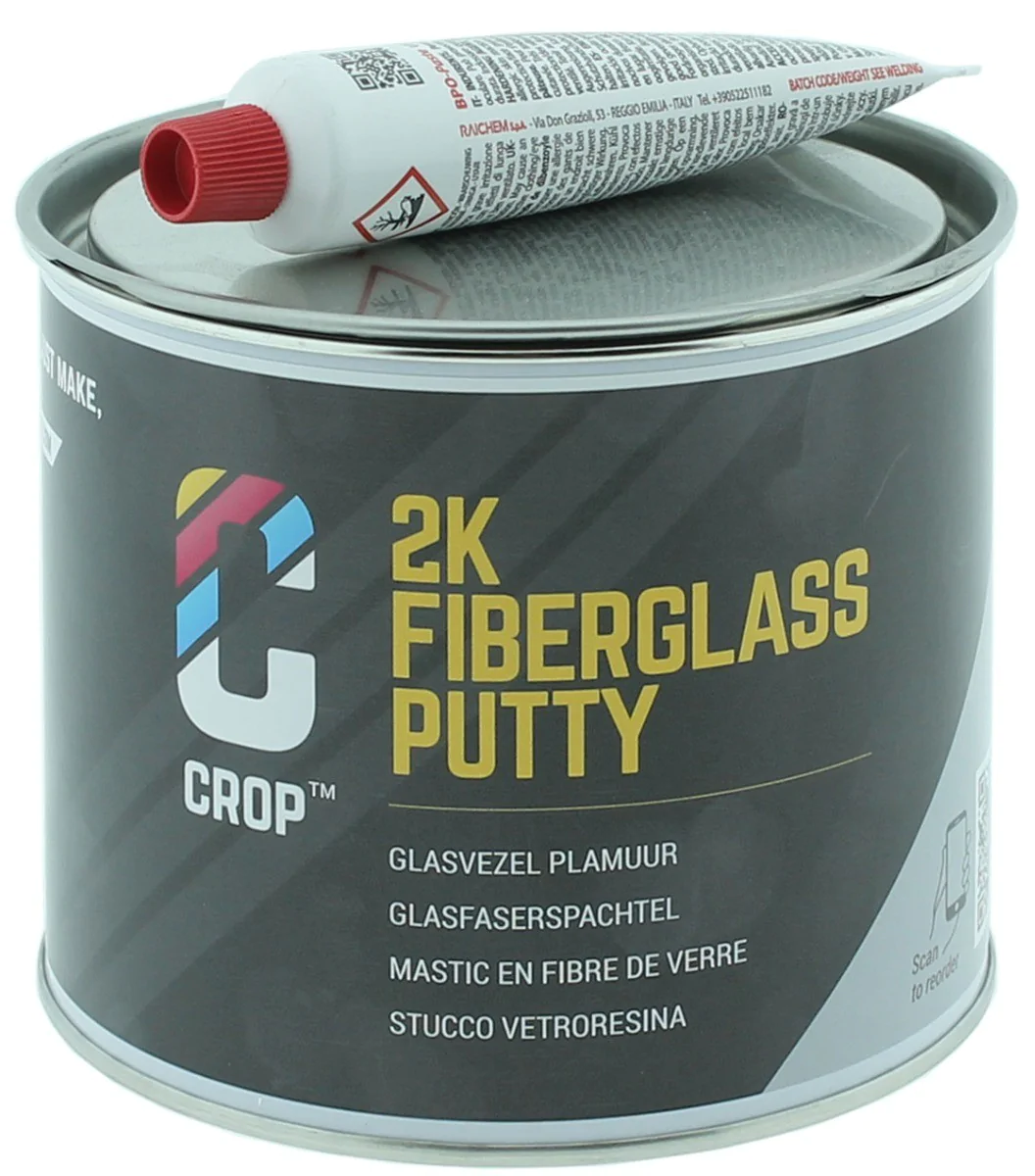
- CROP 2K Fiberglass Putty – 750 ml + Hardener – for easy filling and sealing of holes or cracks
- “FixExpress” – Two-Component Epoxy Glue 500g – for rapid spot-fixing or bonding repairs
- Protective gloves, goggles and mask
- Fine sandpaper or abrasive pad
- Clean lint-free cloths
- Cleaning solution appropriate for the resin or plastic involved
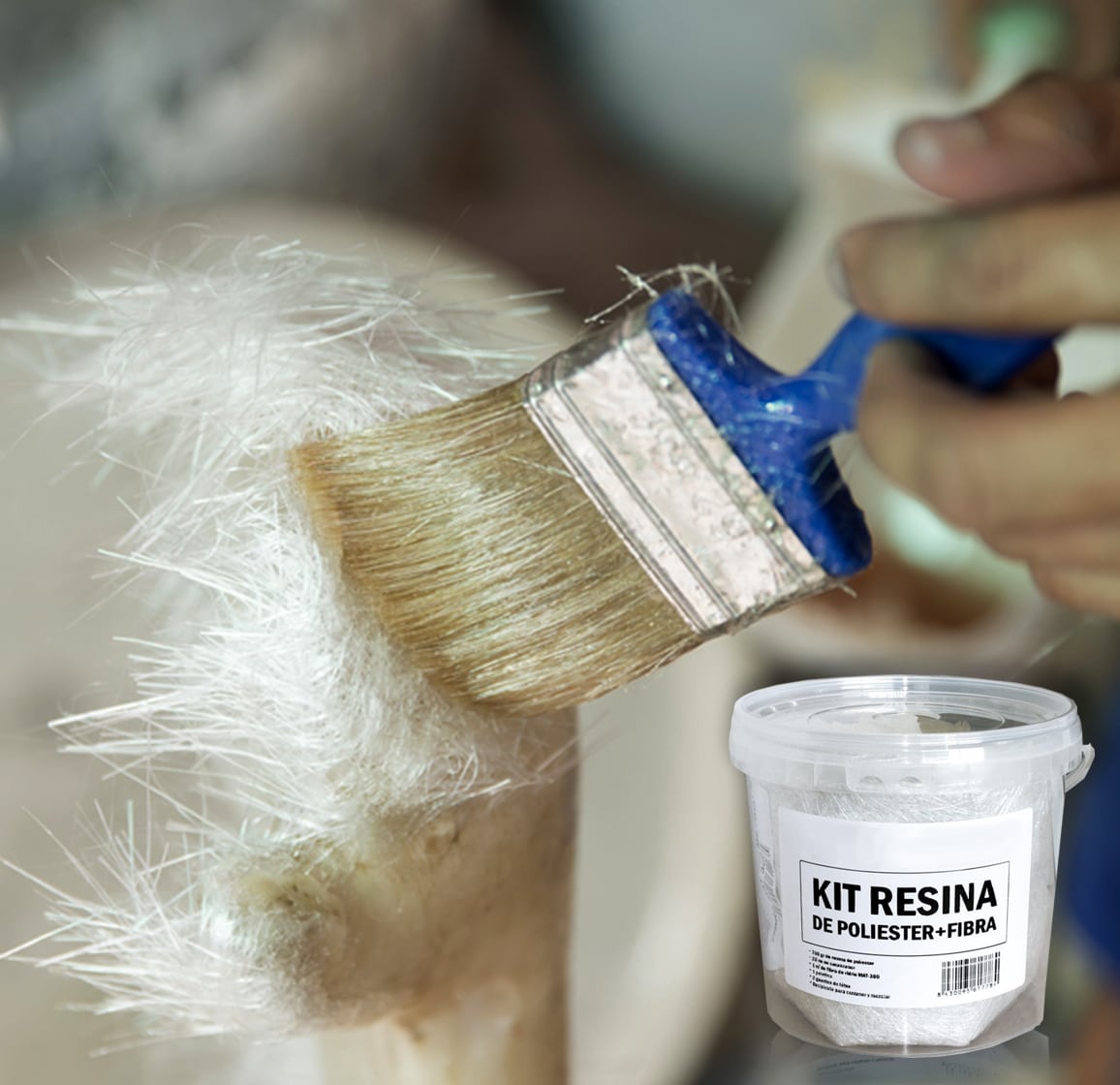
Essential Tools and Workspace Preparation
Ensure you have a clean, well-ventilated workspace before starting your repair. Lay out all required materials, checking each kit for gloves, application tools, and instructions. Wear suitable protection including goggles and mask to avoid direct contact with repair compounds and airborne fibres. A tidy environment reduces mishaps and sets the foundation for a smooth repair process.
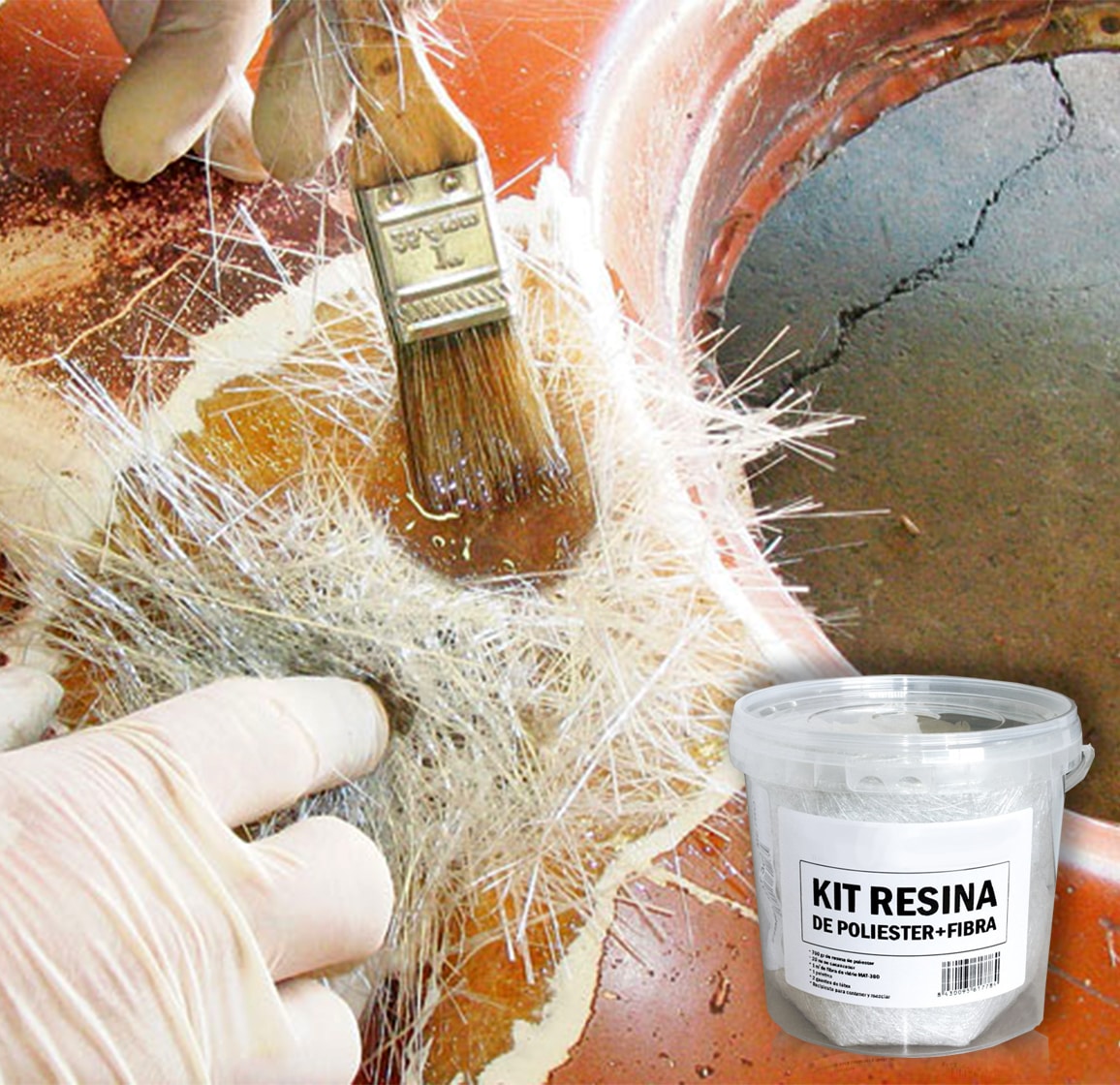
Step 1: Prepare and Isolate the Damaged Area
Start by turning off your water softener system and draining any water present in the compartment or vessel. Disconnect the unit if required to access the perforated section safely. Remove as much residual resin and debris as possible from around the damaged spot. Wear gloves and eye protection during all repair stages to ensure personal safety throughout the process.
Thoroughly clean and degrease the affected area using a suitable cleaner and a lint-free cloth. For best results, lightly sand the area surrounding the perforation to improve adhesion for later repair materials. Avoid any contamination from oils or moisture, as this can compromise the repair’s integrity.
Step 2: Seal and Reinforce the Perforation
For a strong, waterproof repair on rigid resin tanks or housings, choose an appropriate method based on the size and location of the damage. Small holes or hairline cracks may be best handled with an epoxy—such as “FixExpress” – Two-Component Epoxy Glue 500g—which sets quickly to provide rapid sealing and bonding. Apply a small amount directly over the cleaned area, using a spatula or brush to work the epoxy into the defect, and allow it to set as directed.
For larger perforations or areas requiring extra structural strength, use a fibreglass-based method. The Resin Fibreglass Repair Kit – Complete Polyester Resin and Hardener Set provides a robust mat and polyester resin combination. Mix the resin and hardener as instructed, apply the mat over the sanded area, and saturate it thoroughly. This creates a waterproof, impact-resistant patch ideal for pressure-bearing tanks.
Step 3: Fill and Finish the Surface
Once the main repair is in place and the area is structurally sound, use a filler for surface smoothing if needed. CROP 2K Fiberglass Putty – 750 ml + Hardener is excellent if you need a reinforced compound to fill deeper indentations or level the repair zone. Mix the putty and hardener to a consistent blend, then apply in thin layers, building up as required. Allow each coat to cure fully for best results.
After finishing, sand the patched area with fine sandpaper to achieve a flush surface. Wipe away all dust or residue before moving to testing. Allow complete curing before restarting your system—this usually means waiting for the manufacturer’s recommended time for a complete bond.
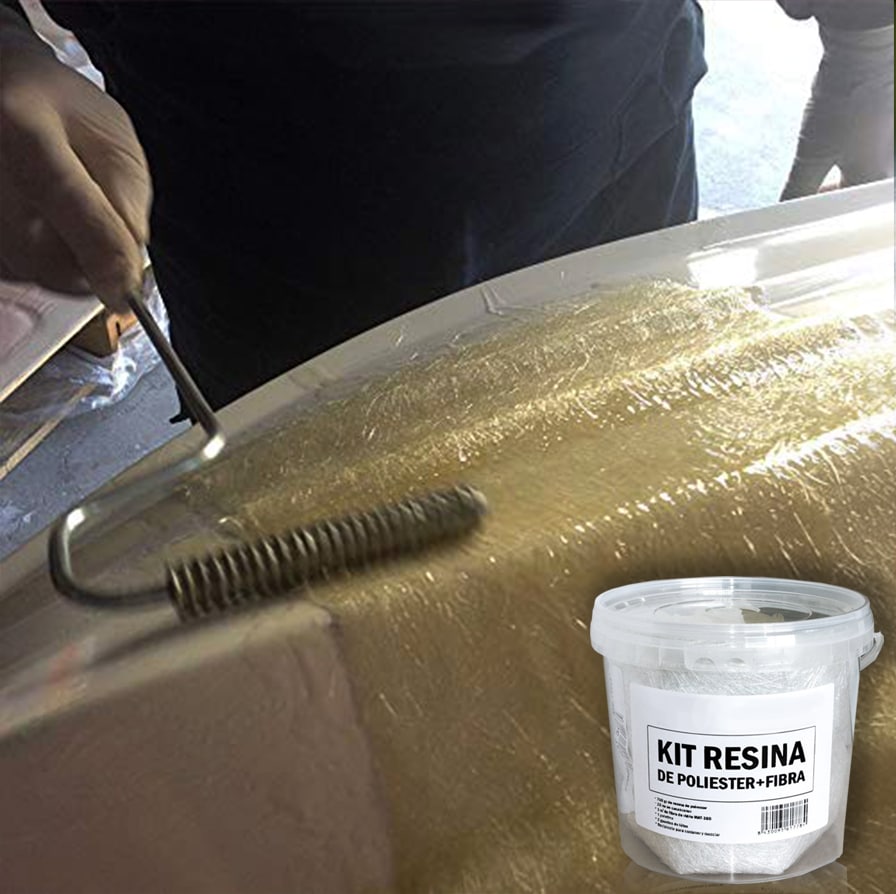
Step 4: Test and Restore Operation
Carefully inspect the repaired area for signs of incomplete sealing. Add water gradually to the system and watch for leaks before filling fully. Inspect for residue or wet spots before returning to service. If the repair is watertight and secure, you can reconnect and restart your water softener, monitoring closely over the next few cycles for evidence of failure or seepage.
If any issues persist, repeat previous steps, ensuring more careful surface cleaning or a thicker repair application. Do not rush the curing process—patience is key for integrity.
Tips, Mistakes to Avoid and Troubleshooting
Always prioritise surface cleanliness before applying repair materials, as oils or dust can prevent proper adhesion. Carefully follow all ratios and mixing instructions for resins, putties and epoxies, since imprecision can result in weak repairs. Avoid excessive sanding pressure, which might re-compromise the resin body. Before using your water softener, verify that all cured materials meet the required standards for water pressure and chemistry exposure in your setting.
Do not rush the curing process—patience is key for integrity. If the repair is still leaking, consider applying an additional layer of resin or switching to a fibreglass-reinforced patch for increased strength.
Visual Checkpoints for Repair Quality
Once fully cured, inspect the patched area for continuity, roughness, and seal integrity. Press gently around the repair to confirm it’s hardened, and look closely for any overlooked cracks or gaps. If unsure, apply a small amount of water locally before recommissioning the unit. Address any bubbling or dampness immediately by allowing extra curing time or adding a reinforcing layer.
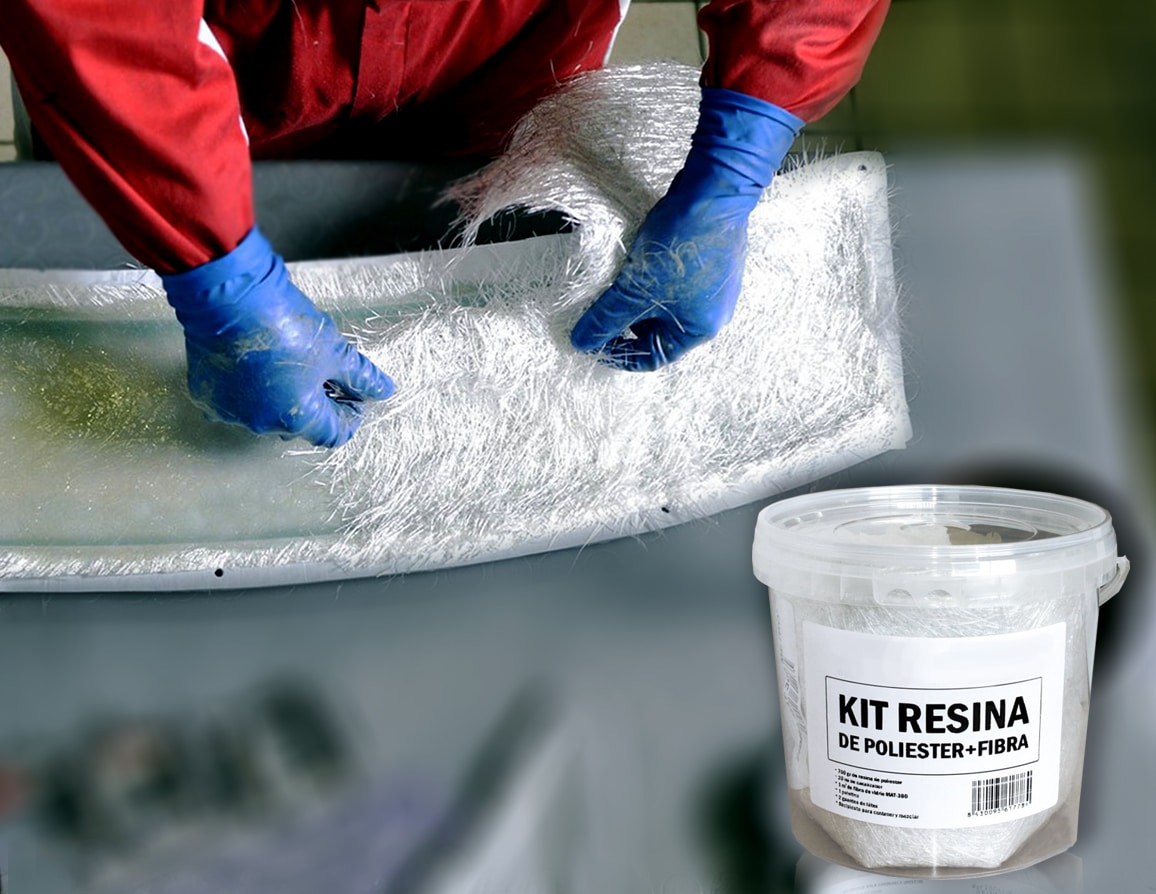
- Resin Fibreglass Repair Kit – Complete Polyester Resin and Hardener SetThe Resin Fibreglass Repair Kit provides structural reinforcement with waterproof polyester resin and fibreglass mat for versatile repairs.
- CROP 2K Fiberglass Putty – 750 ml + Hardener£15.85CROP 2K Fiberglass Putty is a fibreglass reinforced two-component putty suitable for repairs needing strength and resistance to moisture.
 "FixExpress" – Two-Component Epoxy Glue 500g£26.95"FixExpress" offers rapid repairs with a two-component epoxy for various materials, supporting precise and strong bonding.
Frequently Asked Questions
Can you use epoxy glue on a plastic water softener?
Yes, most water softener housings take well to epoxy, especially if sanded and degreased before repair.
How long should I let the repair cure before restarting?
Always allow the full cure time listed in your kit's instructions. This can take several hours to overnight.
Is fibreglass putty safe for water softener repairs?
Yes, once fully cured and hardened, fibreglass putty forms a rigid, waterproof barrier suitable for water system repair.
What if my repair is still leaking after curing?
Clean and dry the area again, then apply another layer of resin or use a reinforced patch for added strength.
Do I need to sand between resin or putty layers?
Light sanding between coats ensures good bonding and an even surface, especially for thick or multi-step repairs.
Can I use my water softener right after repairing with epoxy?
No, you must wait for complete curing and verify a watertight seal before restating your unit for safe use.