 Free shipping on orders over £29,85
  Shipping Tracking!


 Google
 Facebook
How to Repair a Plastic Resin Tank?
Step-by-step repair instructions for safe, long-lasting plastic tank fixes

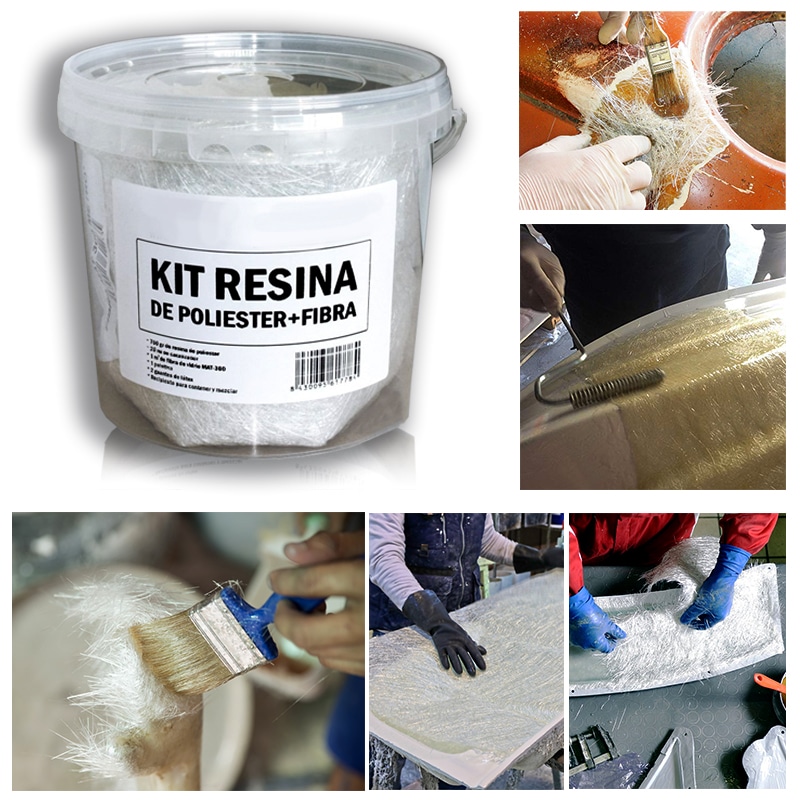
Dealing with cracks or leaks in a plastic resin tank can be stressful, particularly when the tank is essential for storing water, chemicals, or other valuable contents. This guide walks you through practical, proven steps to restore structural integrity and prevent future leakage, ensuring your resin tank remains functional and reliable for years to come.
What You’ll Need
- Resin Fibreglass Repair Kit – Complete Polyester Resin and Hardener Set – for structural repairs and reinforcing cracks
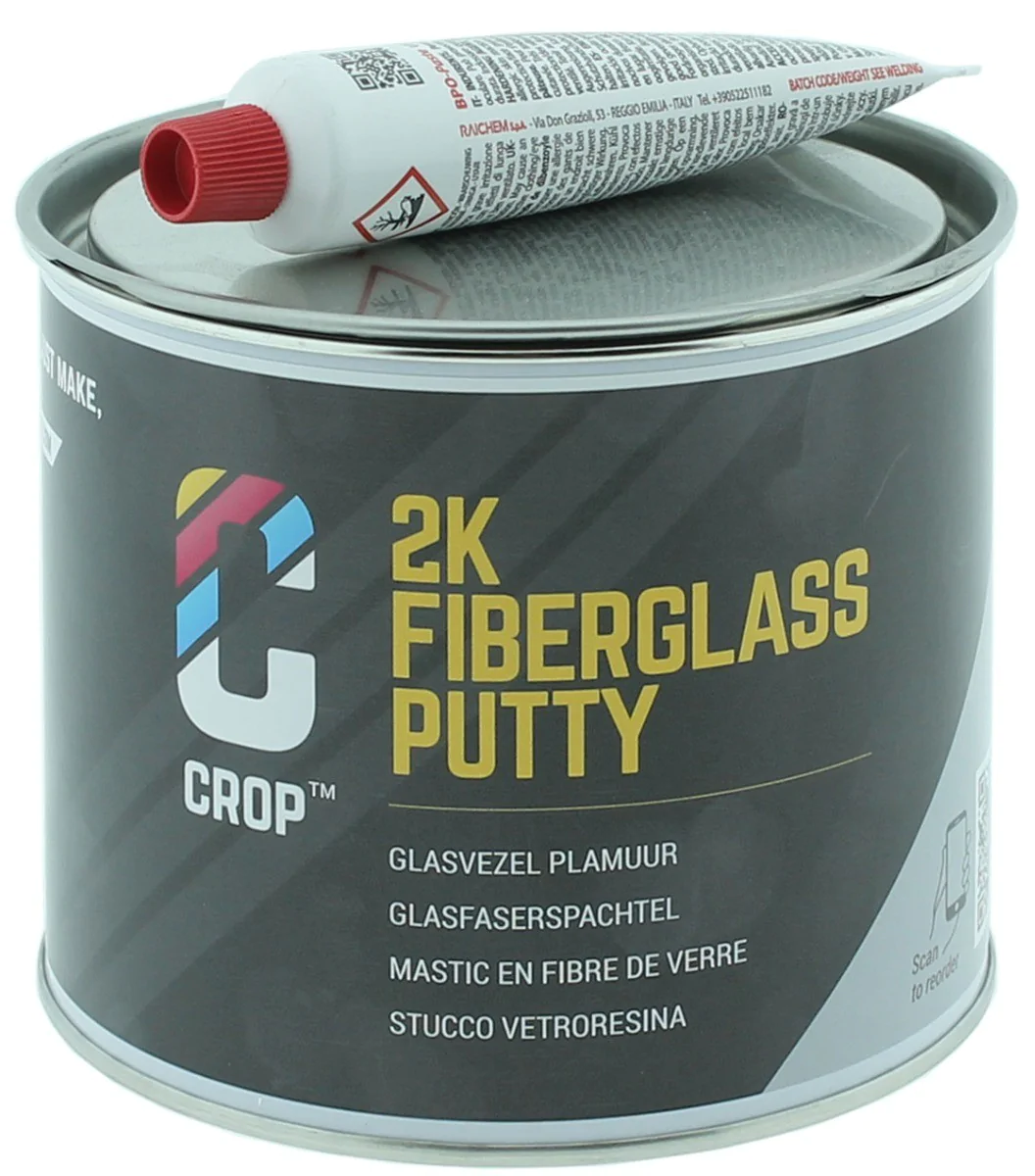
- CROP 2K Fiberglass Putty – 750 ml + Hardener – for easy filling of dents, holes, and surface smoothing
- “Carbon Resin” – Epoxy Resin for Carbon Fiber & Fiberglass Coating – for advanced reinforcement with fibreglass or carbon fabric
- “FixExpress” – Two-Component Epoxy Glue 500g – for rapid, spot repairs or minor cracks
- Protective gloves, safety glasses, dust mask
- Sandpaper (80–120 grit), cleaning cloth, mixing tools
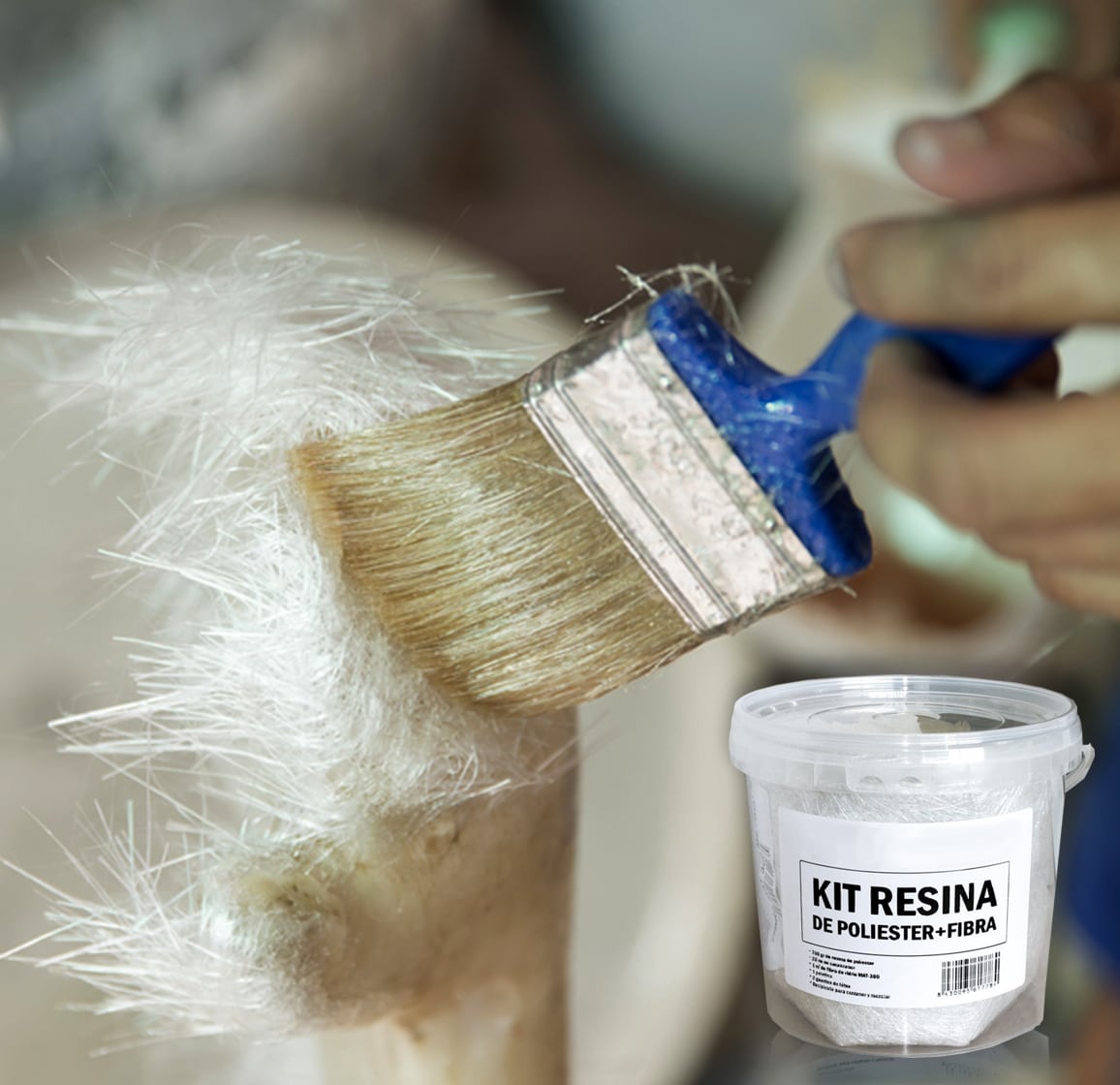
See Key Repair Materials in Action
Visualise the step-by-step application of resins, putties, and fibreglass mats for effective tank repair. Explore images highlighting the difference between crack filling, structural matting, and surface smoothing, so you’ll know what each stage should look like for a professional finish.
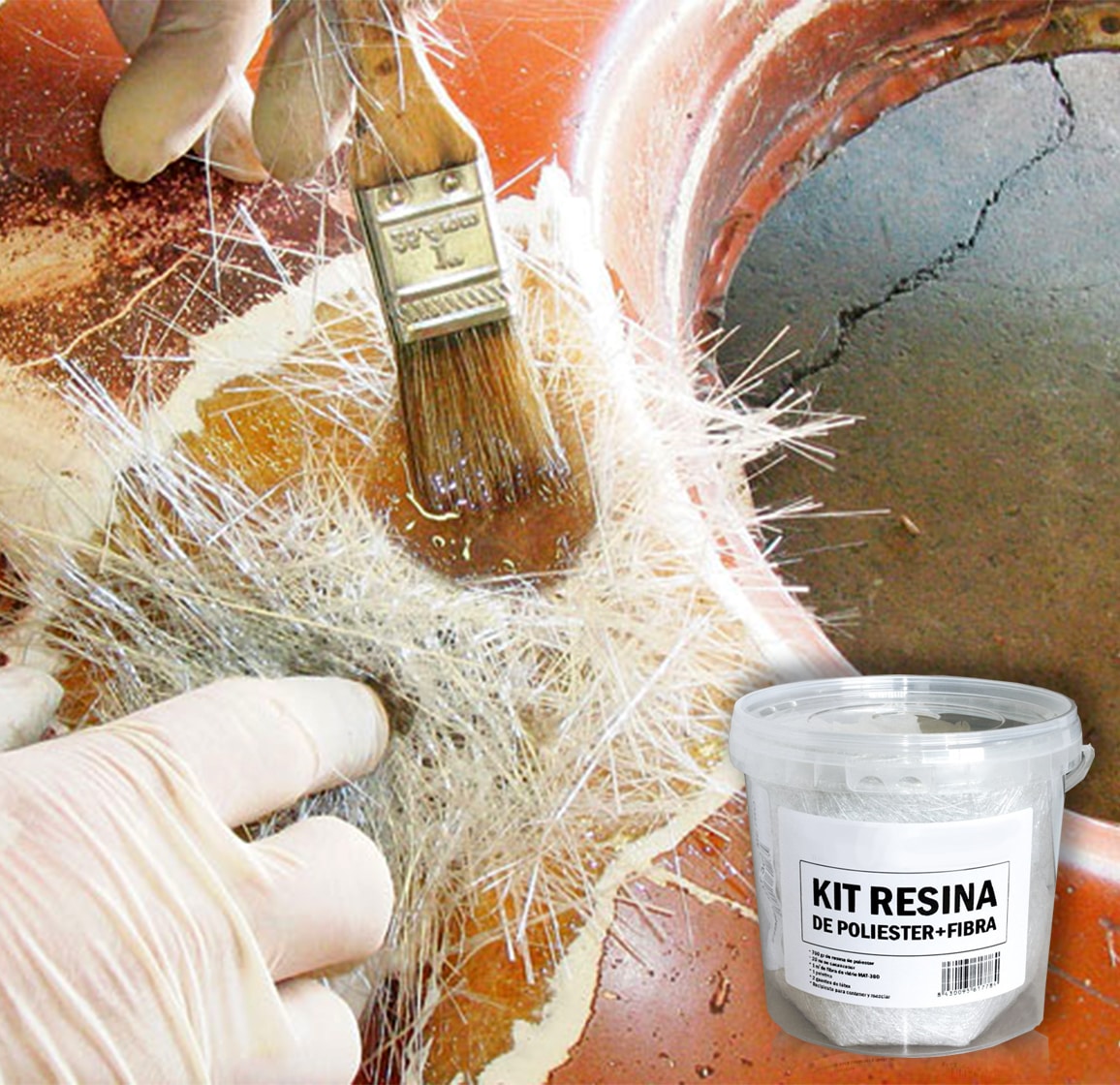
Step 1: Prepare and Clean the Damaged Area
Before you begin any repair, it is vital to thoroughly empty and dry the tank. Make sure the area around the crack or hole is free of residues, dust, grease, and loose fragments – a clean surface ensures maximum adhesion. Sand lightly around the damaged zone with 80–120 grit sandpaper, creating a slightly roughened profile for the repair material to lock onto. Wipe away debris with a damp cloth, then allow the surface to dry completely. Take time to protect yourself with gloves, safety glasses, and a dust mask when sanding or working with chemicals.
Step 2: Assess the Damage and Choose the Repair Method
Evaluate whether you are dealing with a narrow crack, a puncture, or a larger structural break.
For superficial or hairline cracks, spot application with a two-component epoxy glue is effective. If you notice deeper cavities or a section that feels weakened, a fibreglass-reinforced putty or a full resin and fibreglass repair will provide the necessary strength. “FixExpress” – Two-Component Epoxy Glue 500g can be ideal for rapid minor fixes, while larger structural problems benefit from the dedicated Resin Fibreglass Repair Kit – Complete Polyester Resin and Hardener Set or a fibreglass putty fill.
Step 3: Apply the Repair Product
For a fibreglass or putty repair, carefully mix the resin or putty as per the instructions. Using a brush or spatula, apply the mix to the affected area, pressing firmly into the crack, with extra material spreading slightly beyond the edges for stress distribution. When using a repair kit with a fibreglass mat, impregnate the mat with resin and layer it smoothly over the crack or puncture, ensuring full wet-out and tight contact – this method supports outstanding strength and water-resistance.
For surface smoothing or filling, the CROP 2K Fiberglass Putty – 750 ml + Hardener easily fills dents and holes before sanding. For advanced reinforcement or aesthetic finishes, apply “Carbon Resin” – Epoxy Resin for Carbon Fiber & Fiberglass Coating as a final coating, particularly if you use carbon or glass fabric for additional layering.
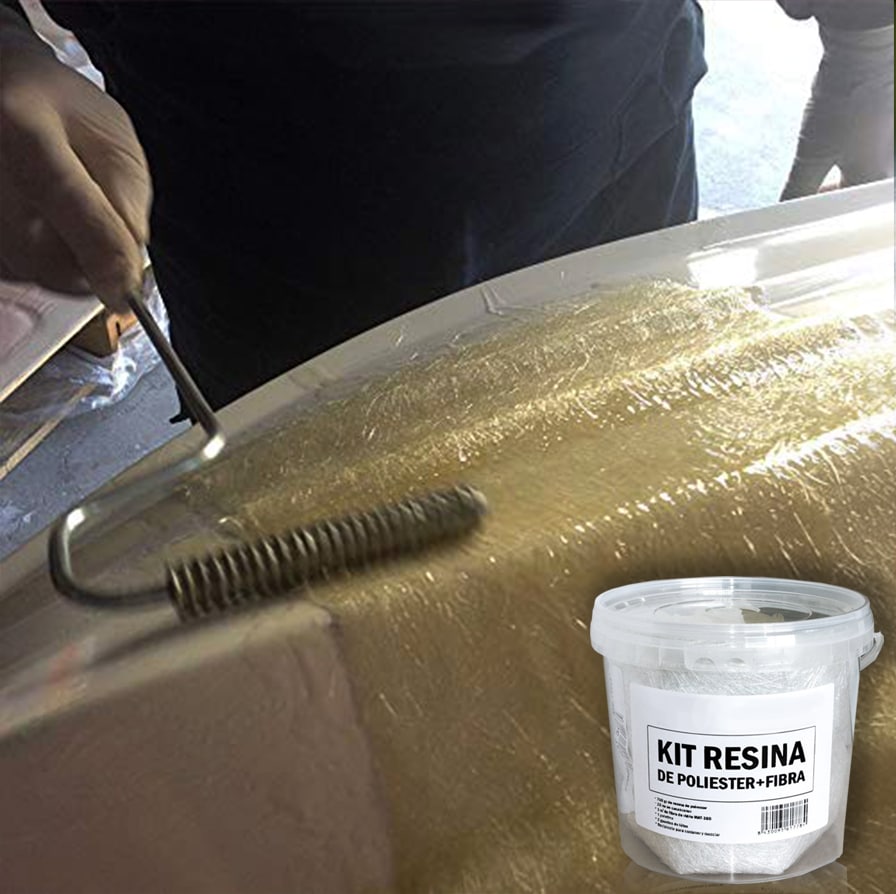
Step 4: Finishing and Final Checks
Allow all repair products to cure as per the instructions – this may vary from five minutes for some epoxies, to several hours for polyester resins. Once fully set, sand the area gently for a seamless finish. If needed, apply paint or primer suitable for plastics to restore appearance and extra protection. Fill the tank with clean water, and check for leaks or drips before returning it to full use. Do not rush this curing process: a complete bond is essential for permanent success.
Tips, Common Mistakes, and Troubleshooting
- Thorough preparation is key: Poor surface prep is the leading cause of repair failure.
- Mix resins and hardeners only in recommended ratios – inaccuracies compromise strength and cure.
- Allow sufficient curing time: Don’t use the tank prematurely or under-test the repair for leaks.
- Avoid overloading the repair with too much filler in one go; build up in layers for best strength.
- Work in well-ventilated areas and follow all health and safety instructions.
- Choose a solution matched to the damage type: Over-engineering a small fix can waste time and money.
Techniques and Results Gallery
Browse before-and-after shots of plastic resin tank repairs using different methods. Notice the transformed surfaces and watertight finishes achieved with the right preparation and the best repair materials for each challenge.
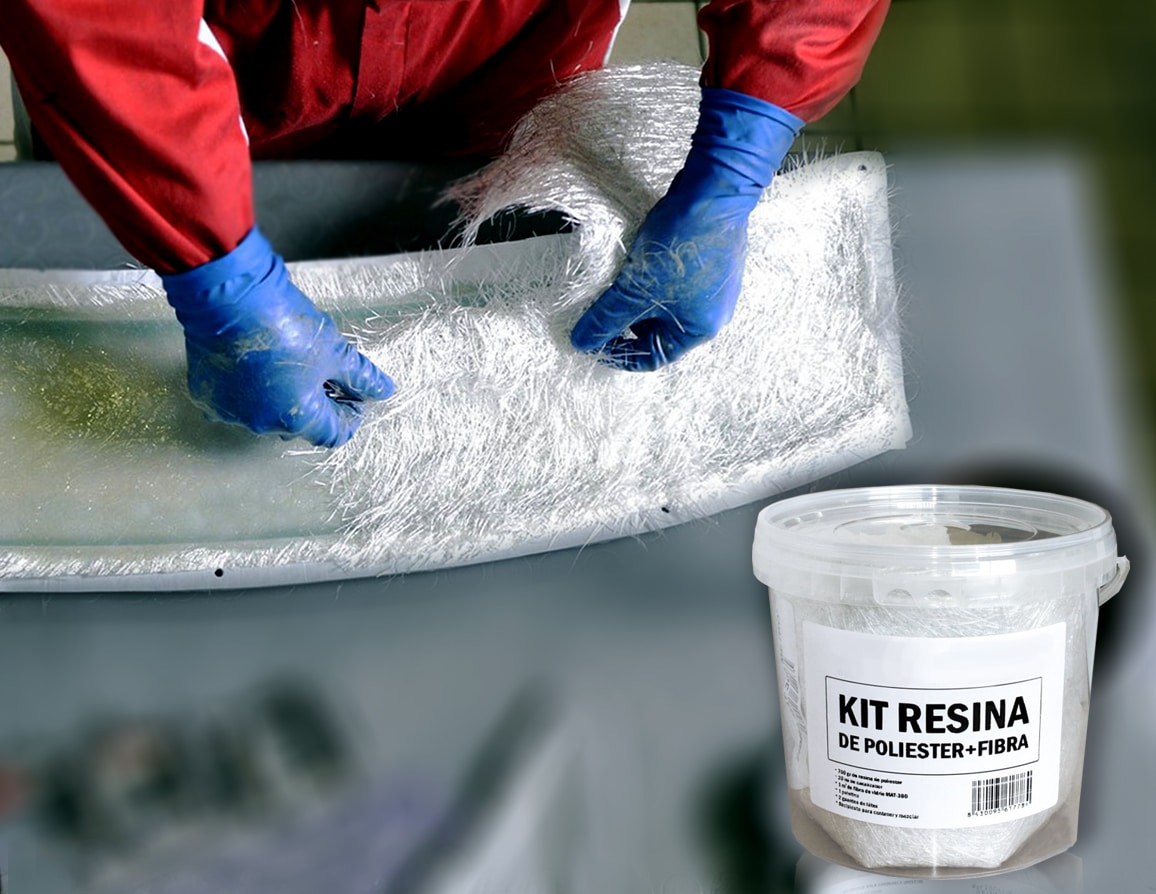
- Resin Fibreglass Repair Kit – Complete Polyester Resin and Hardener SetThe Resin Fibreglass Repair Kit offers a polyester resin and fibreglass mat solution for reliable emergency repairs in line with the theme.
- CROP 2K Fiberglass Putty – 750 ml + Hardener£15.85CROP 2K Fiberglass Putty is designed for durable repairs of cracks, dents, and cavities, suitable for preparing surfaces in the 'How to Repair a…
 "Carbon Resin" – Epoxy Resin for Carbon Fiber & Fiberglass CoatingPrice range: £19.95 through £37.95Epoxy resin for carbon fibre and fibreglass designed for composites and technical fabrics with smooth impregnation and a durable, glossy finish.
 "FixExpress" – Two-Component Epoxy Glue 500g£26.95FIX EXPRESS epoxy glue offers a rapid 5-minute cure and strong adhesion for reliable repairs on various materials.
Frequently Asked Questions
Should I repair or replace a cracked plastic tank?
If the structural integrity is mostly intact, repairs with fibreglass or epoxy are usually effective. For extensive damage or repeated leaks, replacement may be safer.
How long before the tank can be refilled after repair?
Curing time varies by product – some epoxies set in minutes, but it's best to wait at least 24 hours for a full cure before use.
What surfaces are repair kits compatible with?
Most plastic, fibreglass, and metal tank surfaces are suitable. Always check the specific product guidance for compatibility.
Can these repairs withstand water and pressure?
Yes, when applied correctly, resin and fibreglass repairs create watertight, impact-resistant seals ideal for tanks.
Is specialist equipment needed for repairs?
No, standard hand tools and included kit items are usually sufficient. Always follow safety recommendations.
Can I paint over repaired areas?
Yes, use a plastic-compatible primer and paint after sanding for a smooth, protected finish.