 Free shipping on orders over £29,85
  Shipping Tracking!


 Google
 Facebook
How to repair a resin shower tray?
Step-by-step instructions for fixing chips and cracks

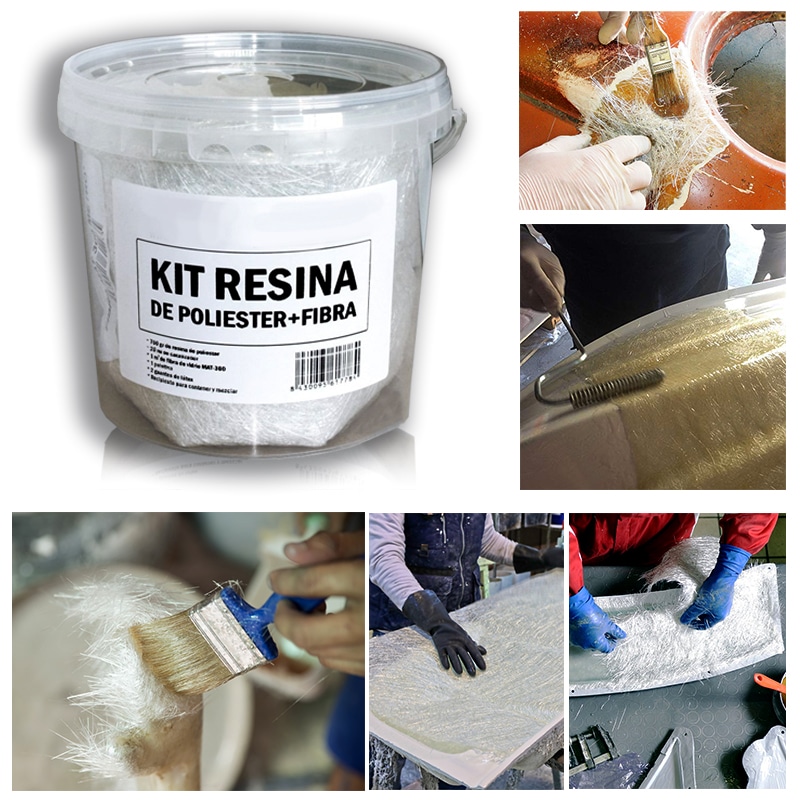
Over time, resin shower trays can develop chips, cracks, or surface imperfections that compromise their waterproof seal and appearance. Repairing a resin shower tray not only restores functionality but also avoids the need for costly replacements. This guide takes you through the safe, effective process to help you achieve a lasting professional finish.
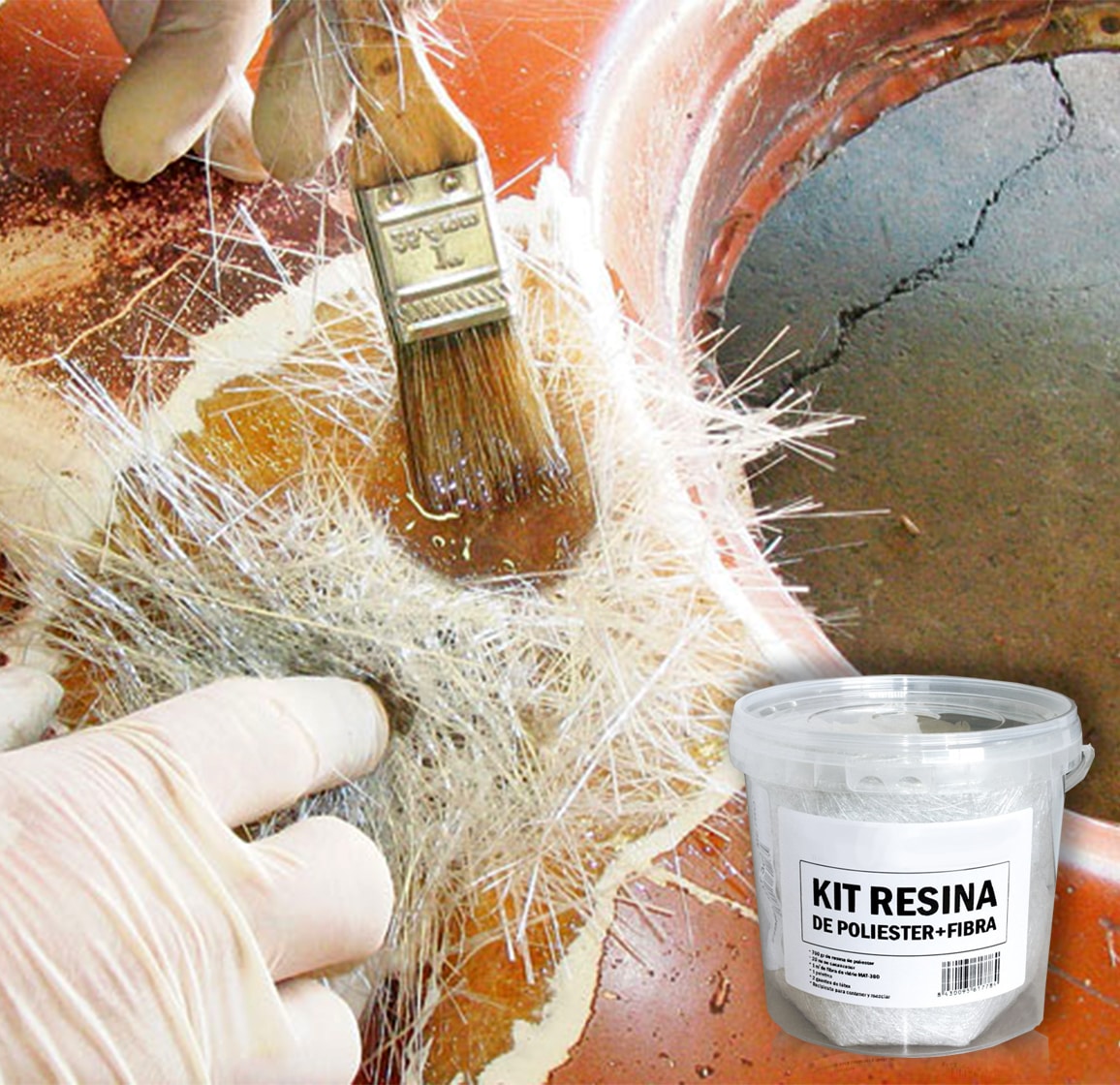
What You’ll Need
- Resin Fibreglass Repair Kit – Complete Polyester Resin and Hardener Set
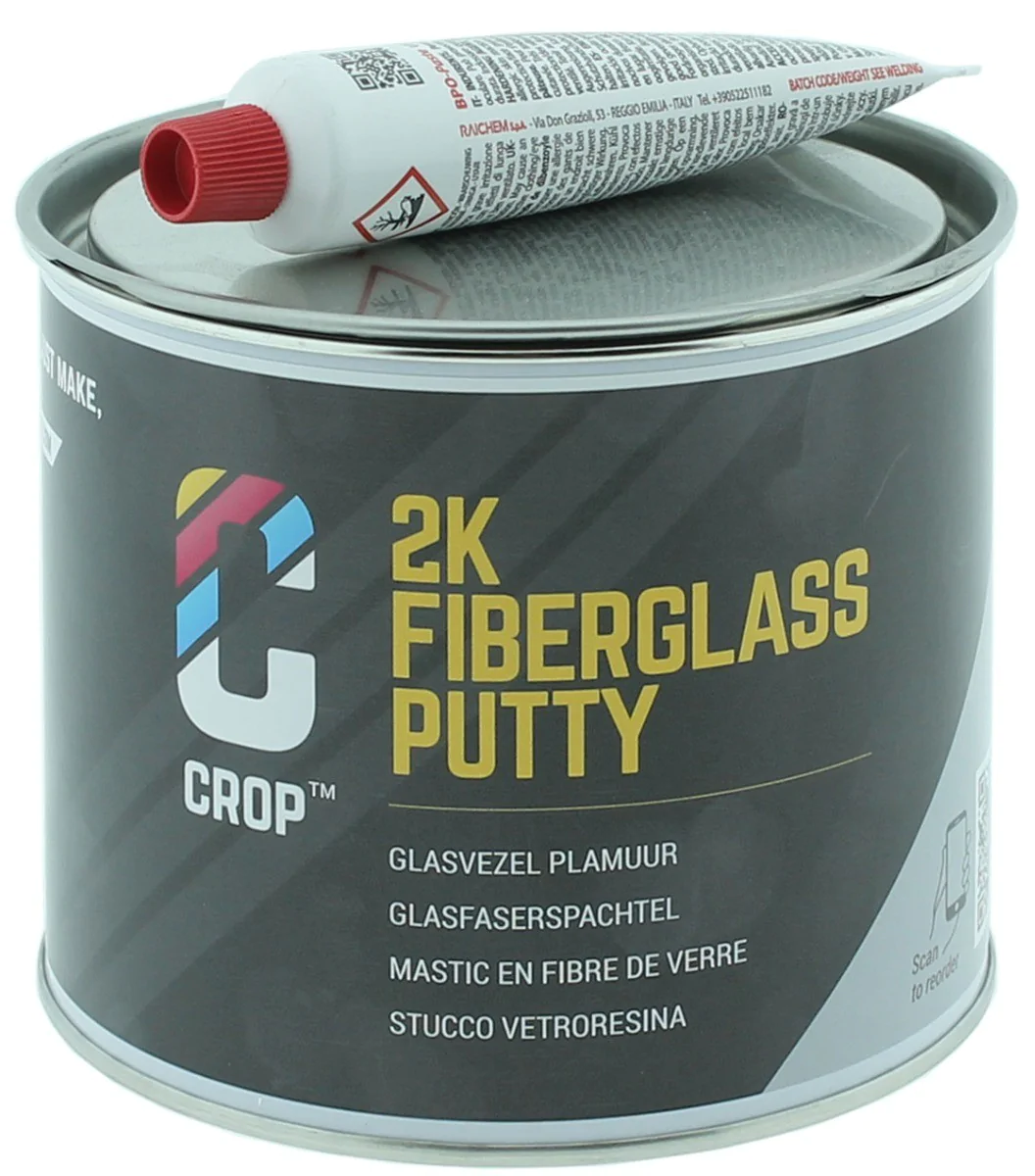
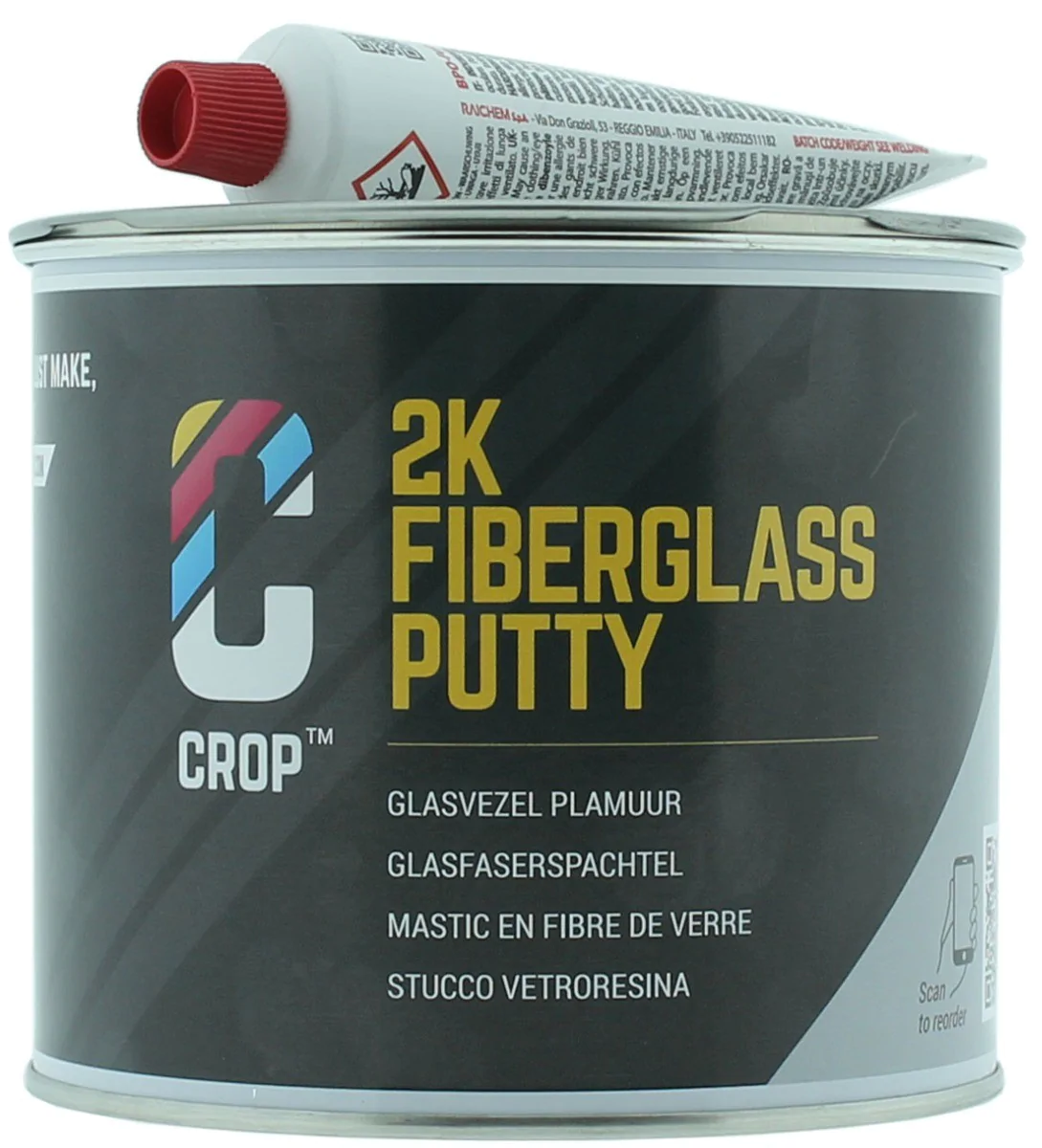
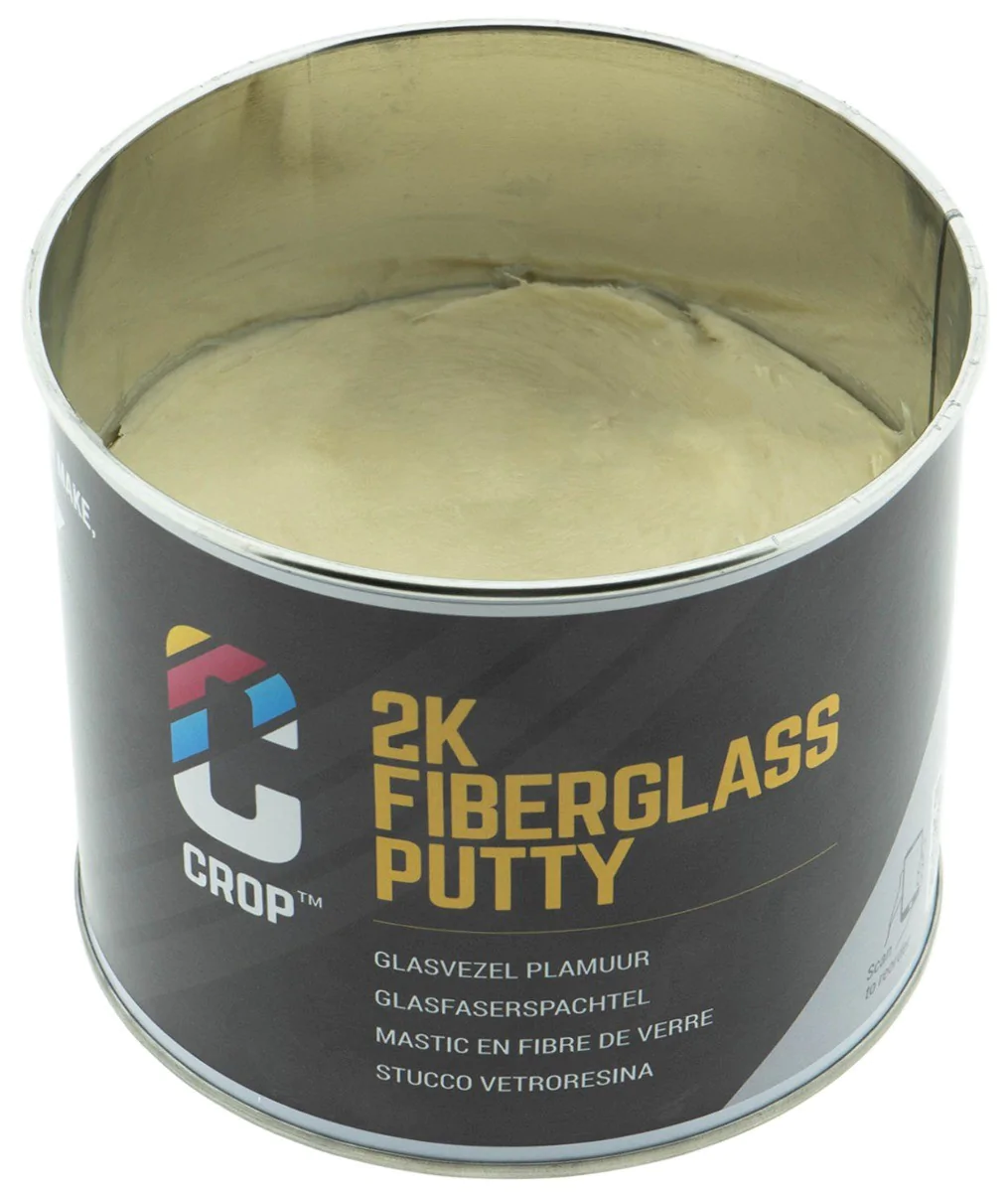
- CROP 2K Fiberglass Putty – 750 ml + Hardener
- “FixExpress” – Two-Component Epoxy Glue 500g
- “Trasparente” – Multipurpose Clear Epoxy Resin for Casting – Up to 2cm
- Fine and medium-grit sandpaper
- Clean lint-free cloths
- Protective gloves
- Mixing containers and sticks (if not included in the kit)
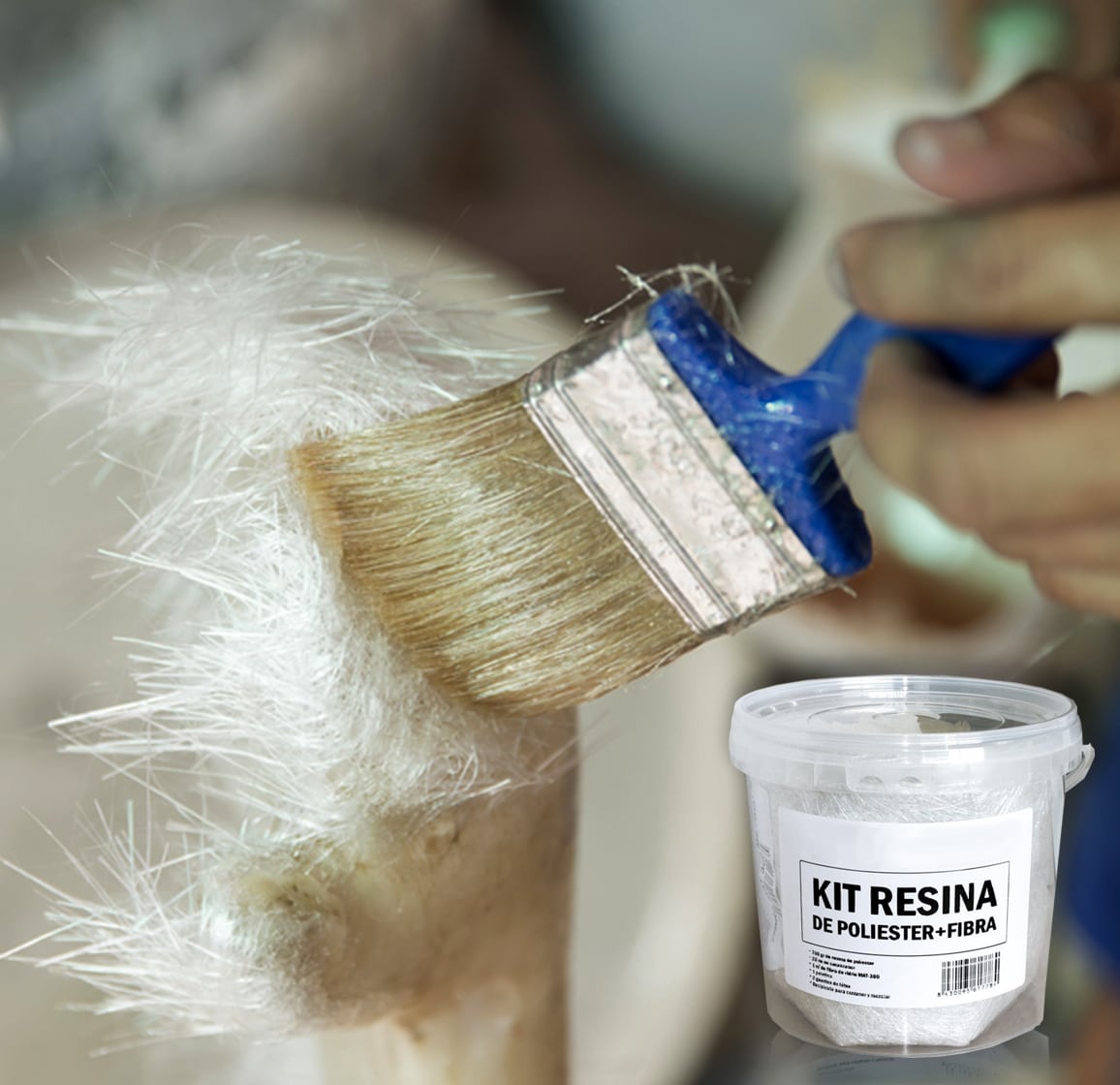
Choosing the right repair material
Fibreglass kits are best for reinforcing deep cracks, while putties and epoxy adhesives handle smaller chips or shallow imperfections. Assess your damage to select the most effective solution before beginning the repair process.
Step 1: Thoroughly clean and dry the area
Start by cleaning the shower tray with a mild detergent to remove soap scum, body oils, and debris from the area to be repaired. Pay extra attention to cracks or chips, as residue may affect adhesion. Rinse thoroughly with water and allow the tray to dry completely. Ensuring a grease-free, dry surface is essential for the repair material to bond effectively.
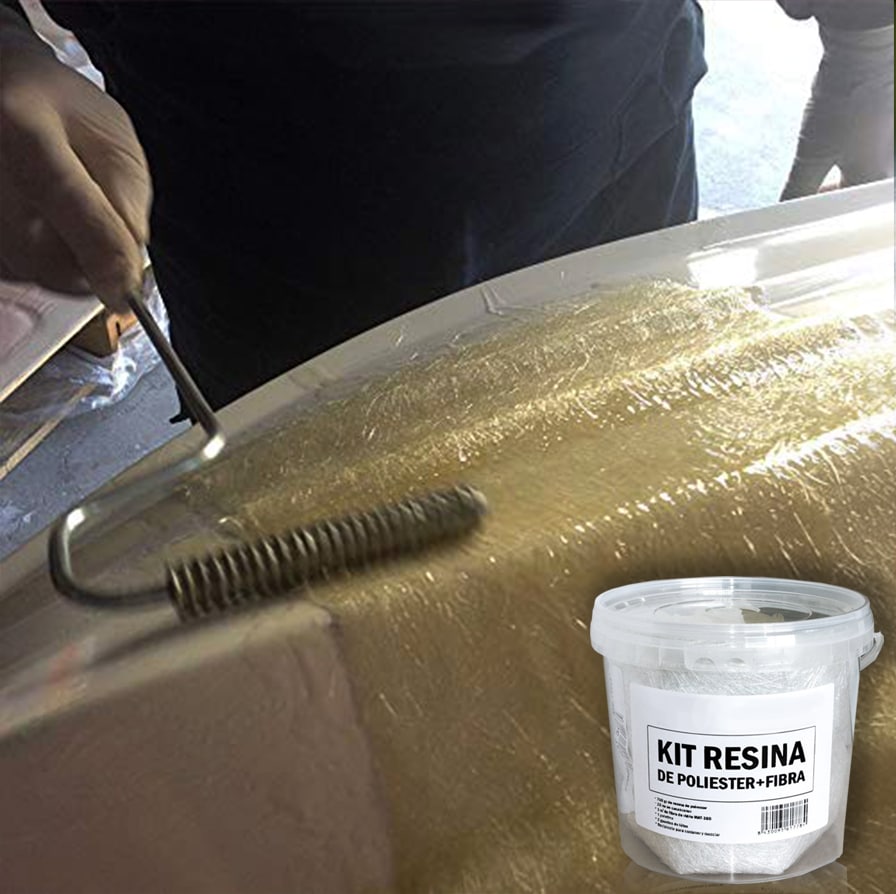
Step 2: Assess the type and extent of damage
Inspect the damaged area clearly in strong light. Identify whether you are dealing with minor surface chips, hairline cracks, or more significant damage. Small surface chips can often be repaired with a suitable multipurpose resin or fast-setting epoxy adhesive, while deeper cracks or holes may require a fibreglass repair kit or reinforced putty for structural support.
Step 3: Prepare the surface by sanding gently
Use medium or fine-grit sandpaper to gently roughen the area around the crack or chip. This step helps the repair material grip firmly. Be careful not to enlarge the damaged area unnecessarily, and always wipe away sanding dust with a clean, damp cloth before proceeding.
Step 4: Mix and apply the chosen repair material
Based on your damage assessment, select the most appropriate repair approach. For cracks and deep chips, a Resin Fibreglass Repair Kit – Complete Polyester Resin and Hardener Set can be used. Mix the resin and hardener according to the instructions, apply to the area, and reinforce with the supplied fibreglass mat if needed. For smaller chips or to achieve a smoother finish, CROP 2K Fiberglass Putty – 750 ml + Hardener may be chosen for filling, or “FixExpress” – Two-Component Epoxy Glue 500g for rapid, targeted repairs. Use a spatula or brush as needed for a smooth application. If the repair needs a clear, glossy coating, consider “Trasparente” – Multipurpose Clear Epoxy Resin for Casting – Up to 2cm to finish the repaired section for a polished look.
Step 5: Allow for proper curing and finish the surface
Adhere to the manufacturer’s recommended curing times, ensuring the area is untouched until fully set. Once cured, sand gently to achieve a flush surface if needed, then wipe down with a clean cloth. If desired, use a suitable polish or finishing agent to blend the repair with the surrounding tray. Avoid exposing the tray to water or heavy use for the specified curing period.


Tips and common mistakes when repairing resin trays
- Avoid rushing the surface preparation—thorough cleaning and proper sanding are key for adhesion.
- Mix repair products exactly as instructed to ensure optimal curing and strength.
- For deep cracks or structural damage, always reinforce with a fibreglass mat where possible before cosmetic filling.
- Watch for air bubbles when applying resins or putties; work slowly for a smooth result.
Safety and aftercare for shower tray repairs
Always wear protective gloves and ensure good ventilation during repair. Allow all products to cure fully prior to heavy use, and check the manufacturer’s instructions for any special aftercare recommendations.
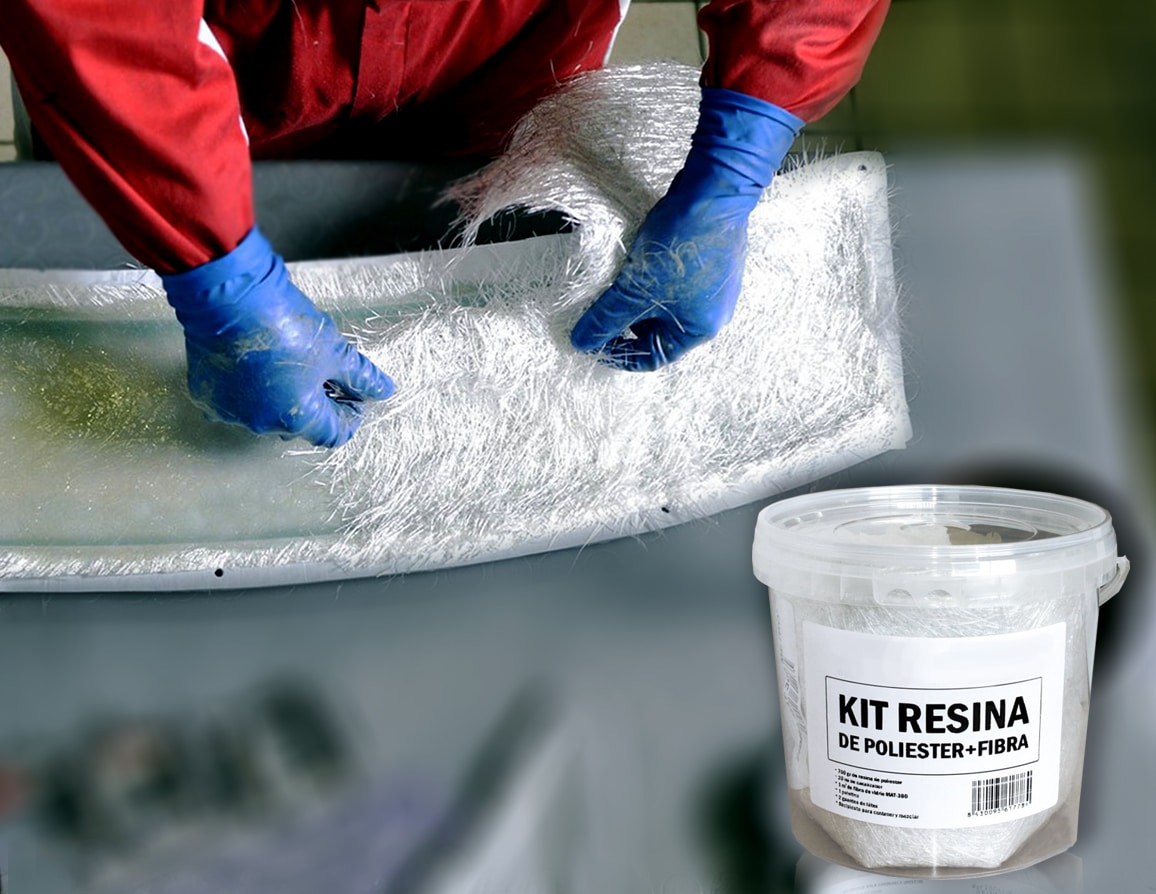
- Resin Fibreglass Repair Kit – Complete Polyester Resin and Hardener SetResin Fibreglass Repair Kit provides structural reinforcement with clear instructions for versatile composite repairs.
- CROP 2K Fiberglass Putty – 750 ml + Hardener£15.85CROP 2K Fiberglass Putty is suitable for repairs requiring strength and durability, commonly used in bodywork and filled surface preparation.
- "FixExpress" – Two-Component Epoxy Glue 500g£26.95"FixExpress" epoxy glue is designed for rapid repairs with strong adhesion across varied materials, fitting well with resin shower tray repairs.
 "Trasparente" – Multipurpose Clear Epoxy Resin for Casting – Up to 2cmPrice range: £8.95 through £397.95"Trasparente" clear epoxy resin delivers a glossy self-levelling finish up to 2cm thick, suitable for various DIY and repair projects.
Frequently Asked Questions
Should I use a repair kit or epoxy for a resin shower tray?
For larger cracks or structural repairs, a fibreglass repair kit is best. For surface chips, epoxy adhesives or putties work well.
How long should I wait before using my shower tray after repair?
Curing times vary by product, but typically 24–48 hours is recommended before exposing the repair to water or foot traffic.
Can I fix hairline cracks and deep cracks the same way?
Hairline cracks may be repaired with epoxy, while deeper or structural cracks require reinforcement using fibreglass kits or putty.
How can I make the repaired area look like the original surface?
Sand and polish the cured repair, and use a clear finishing resin to blend the repair with the surrounding tray.
What is the best way to prepare a resin shower tray surface before repair?
Thoroughly clean, mark the damaged area, and lightly sand for improved adhesion before applying the repair product.
Will moisture in the bathroom affect my shower tray repair?
Properly cured resins and putties are waterproof but ensure the area is dry before starting and avoid water until fully set.