 Free shipping on orders over £29,85
  Shipping Tracking!


 Google
 Facebook
How to Repair a Resin Tub?
Step-by-step guide for durable, leak-free tub repairs

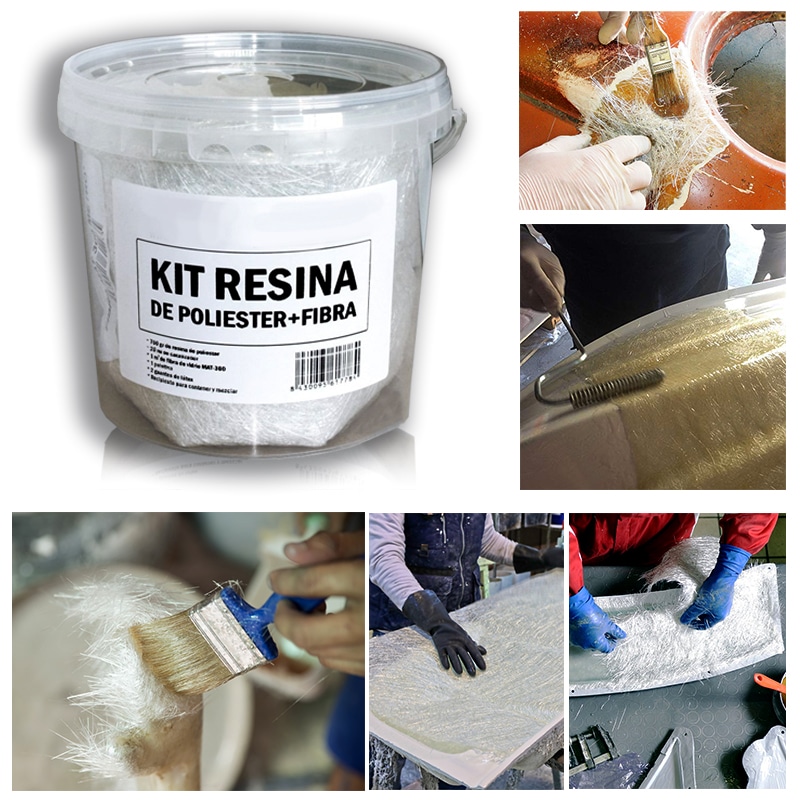
Addressing cracks, chips, or leaks in a resin tub can extend its lifespan and maintain safe, comfortable bathing. This guide covers every key stage of resin tub repair, including preparation, application, and essential aftercare, so you can restore both structure and appearance with confidence.
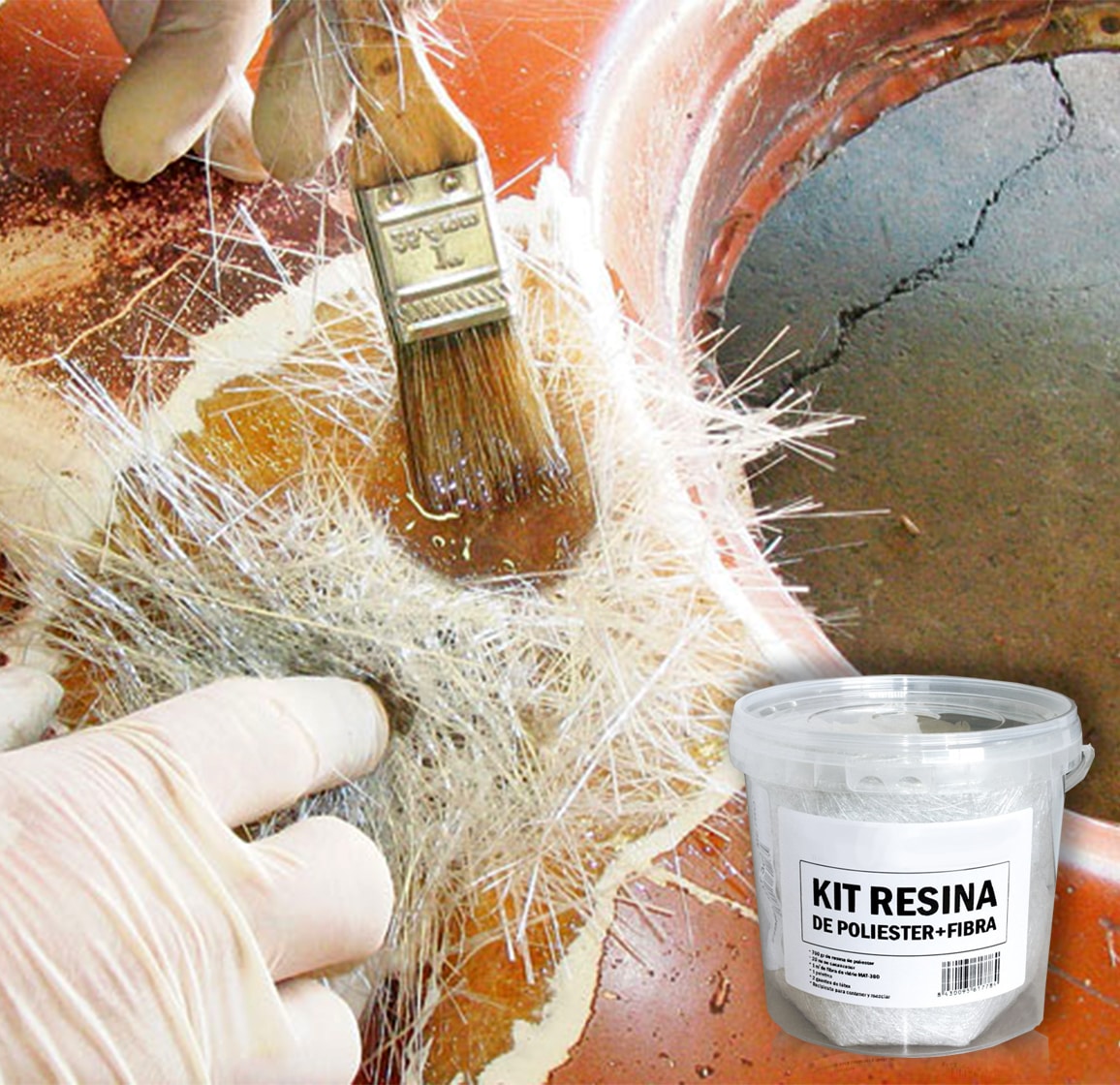
What You’ll Need
- Resin Fibreglass Repair Kit – Complete Polyester Resin and Hardener Set: Complete kit for reinforcing and waterproofing rigid structures using polyester resin and fibreglass mat.
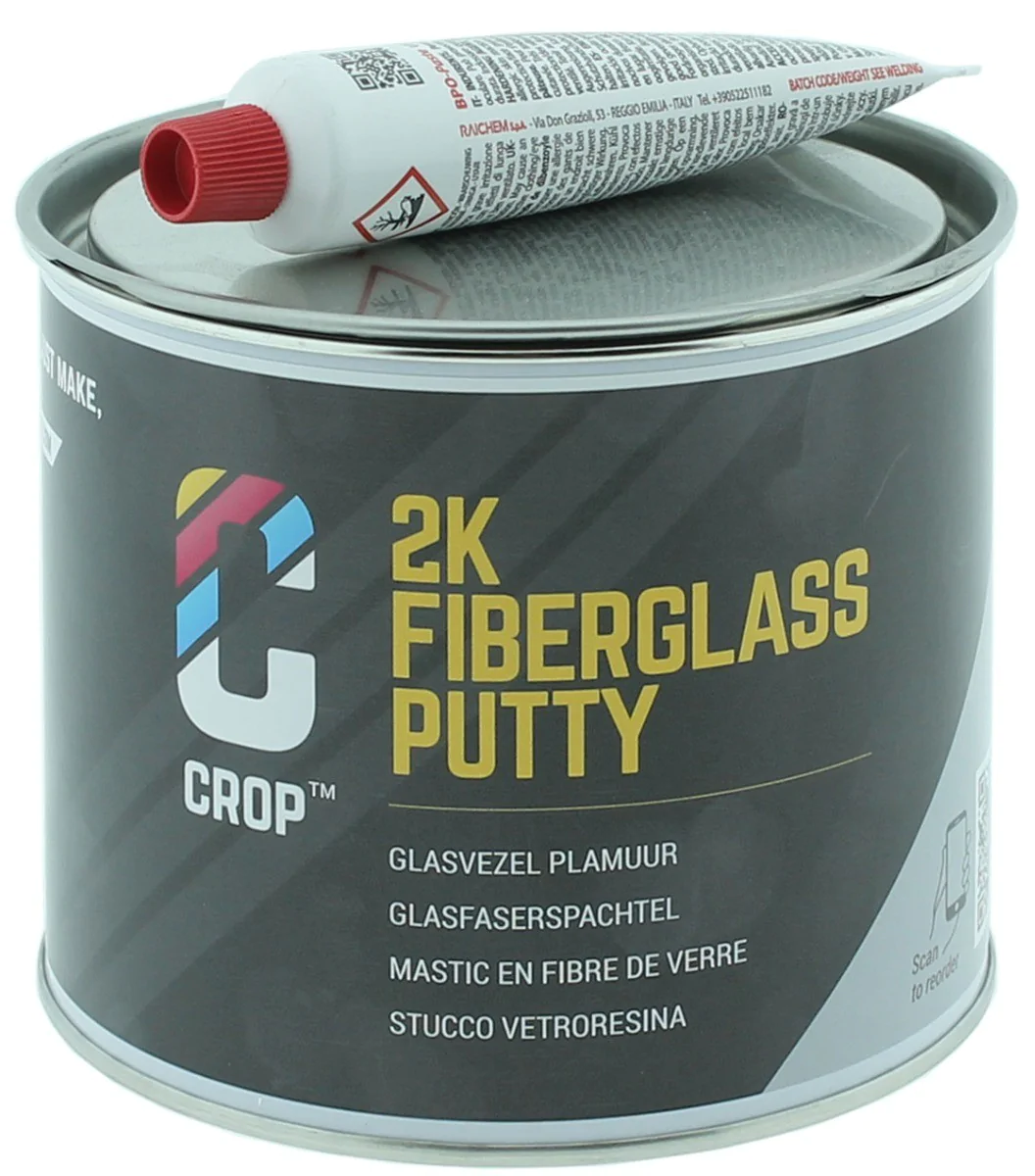
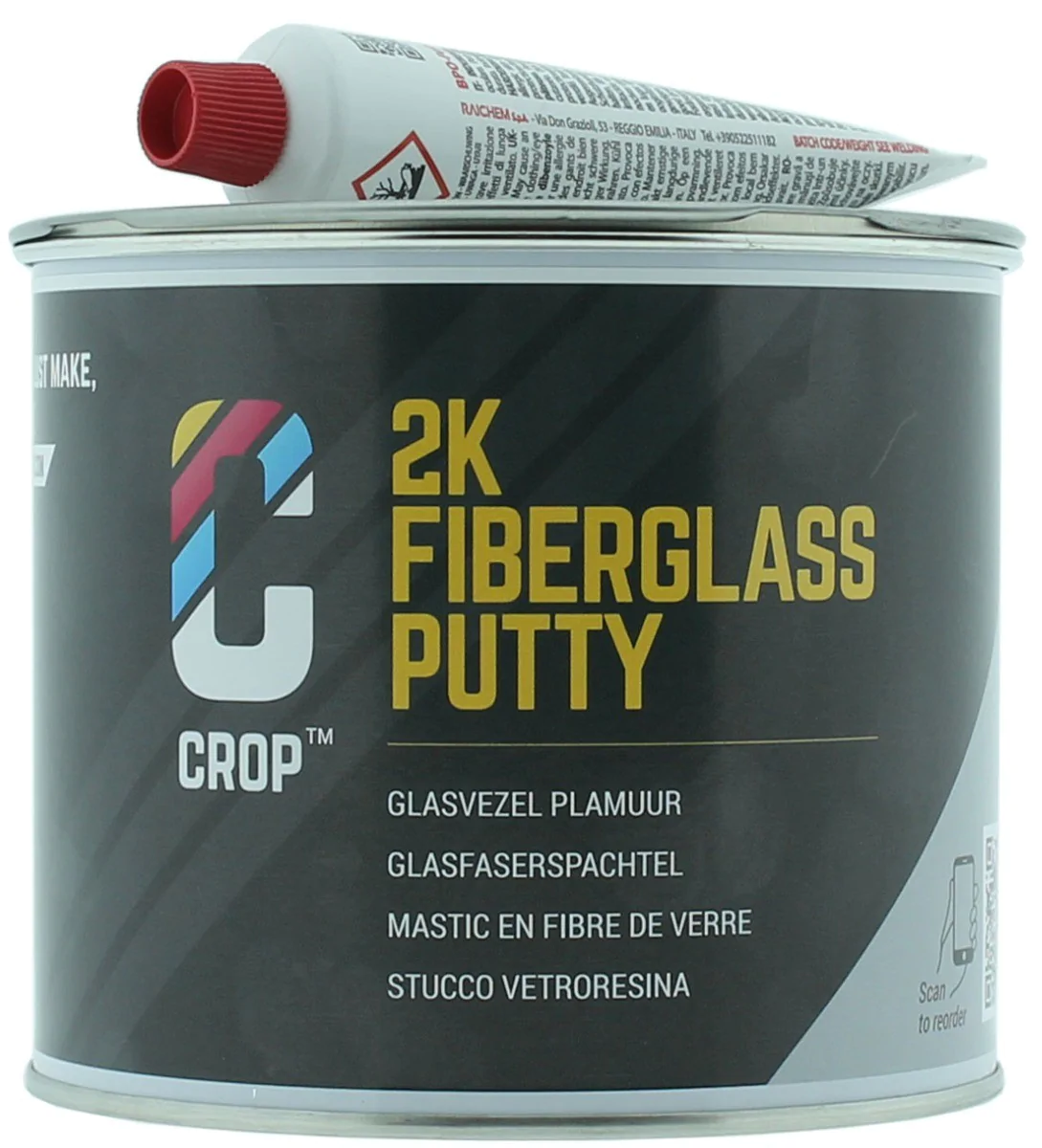
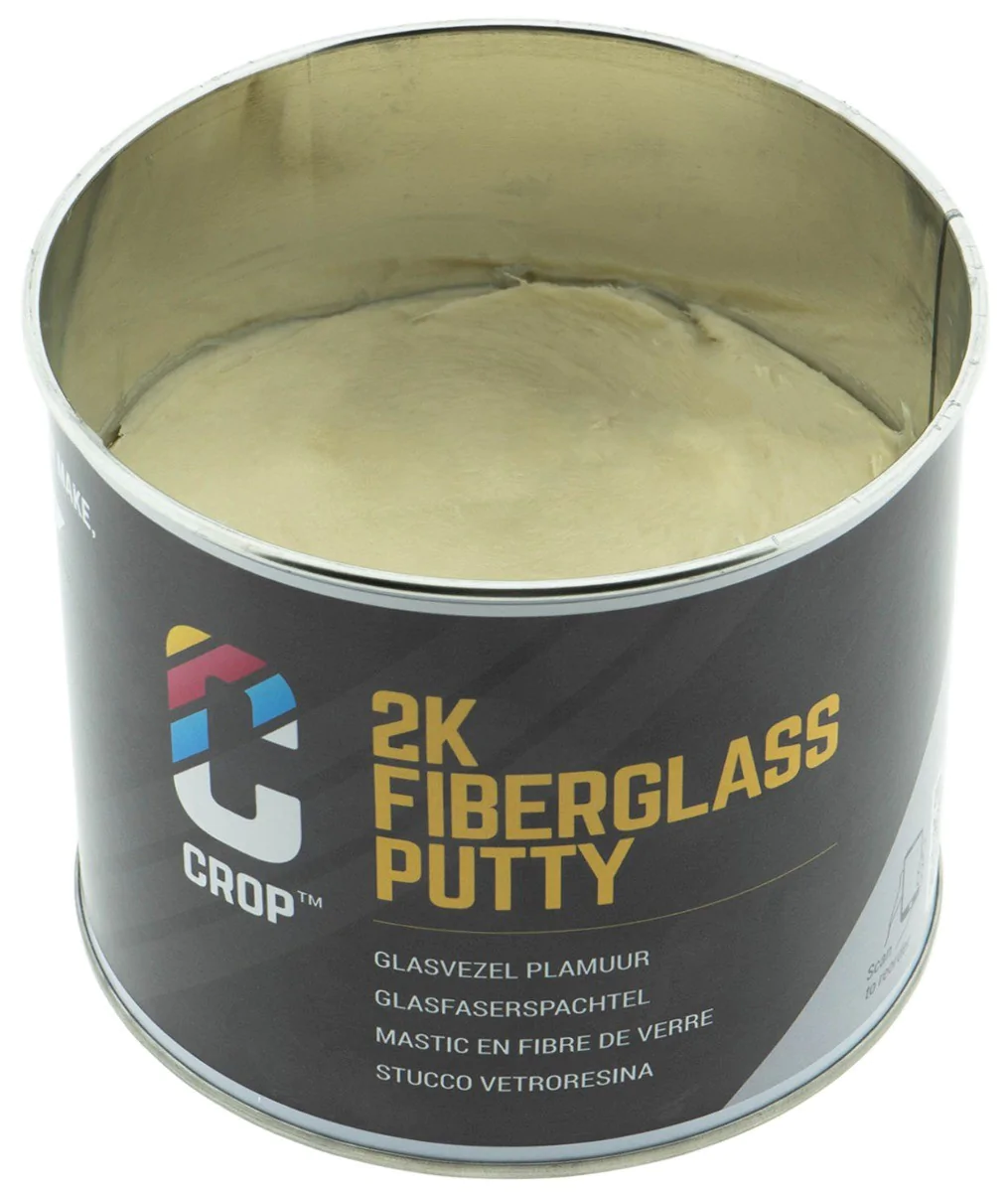
- CROP 2K Fiberglass Putty – 750 ml + Hardener: Two-component polyester putty reinforced with fibreglass for repairs needing strength and resistance to moisture and chemicals.
- “FixExpress” – Two-Component Epoxy Glue 500g: A rapid-setting epoxy glue designed for durable repairs across diverse materials, suited for creative and practical bonding needs.
- “Magelstick” – Epoxy Mastic for Stone, Metal, and Cement Bonding and Grouting: Bi-component epoxy putty for bonding and grouting stone, metal, and cement surfaces for durable repairs.
- Protective gloves, mask, and goggles
- Sanding block or sandpaper (medium and fine grit)
- Cotton cloths and cleaning solution (mild detergent or acetone for surface degreasing)
- Mixing sticks and a suitable application brush or spatula
Safety First and Workspace Preparation
Always prioritise ventilation and personal protective equipment when handling resins, putties, or adhesives. A well-prepared workspace minimises mess and makes each repair stage more efficient. Clear, clutter-free surfaces help you avoid accidents or errors during mixing and application.
Step 1: Ensure Safety and Prepare Your Workspace
Proper safety measures are essential when working with resins and composite repair materials. Make sure the area is well-ventilated, and use gloves, goggles, and a mask to protect your skin, eyes, and lungs from fumes and dust. Remove toiletries or fabrics from the tub area and cover exposed fixtures to prevent contact with repair compounds or dust.
Use protective gear and proper ventilation for a safe and controlled working environment. Lay out protective sheeting to collect spills and debris, and keep all repair materials and tools within easy reach.
Step 2: Clean and Assess the Damaged Area
Begin by thoroughly cleaning the tub to remove soap residues, oils, and any surface dirt. Use a non-abrasive cleaner followed by a wipe with acetone as needed to ensure no contaminants remain. Pat the area dry with a lint-free cloth.
Assess the damage closely. For surface scratches, small chips, or minor cracks, gentle sanding with medium-grit sandpaper will help open up the area and enhance resin adhesion. For deeper cracks or holes, V-groove the edges lightly to allow repair material to enter and bond securely.
Thoroughly clean and dry the damaged area before moving on—the success of a resin repair relies heavily on proper surface preparation.
Step 3: Mix and Apply the Repair Material
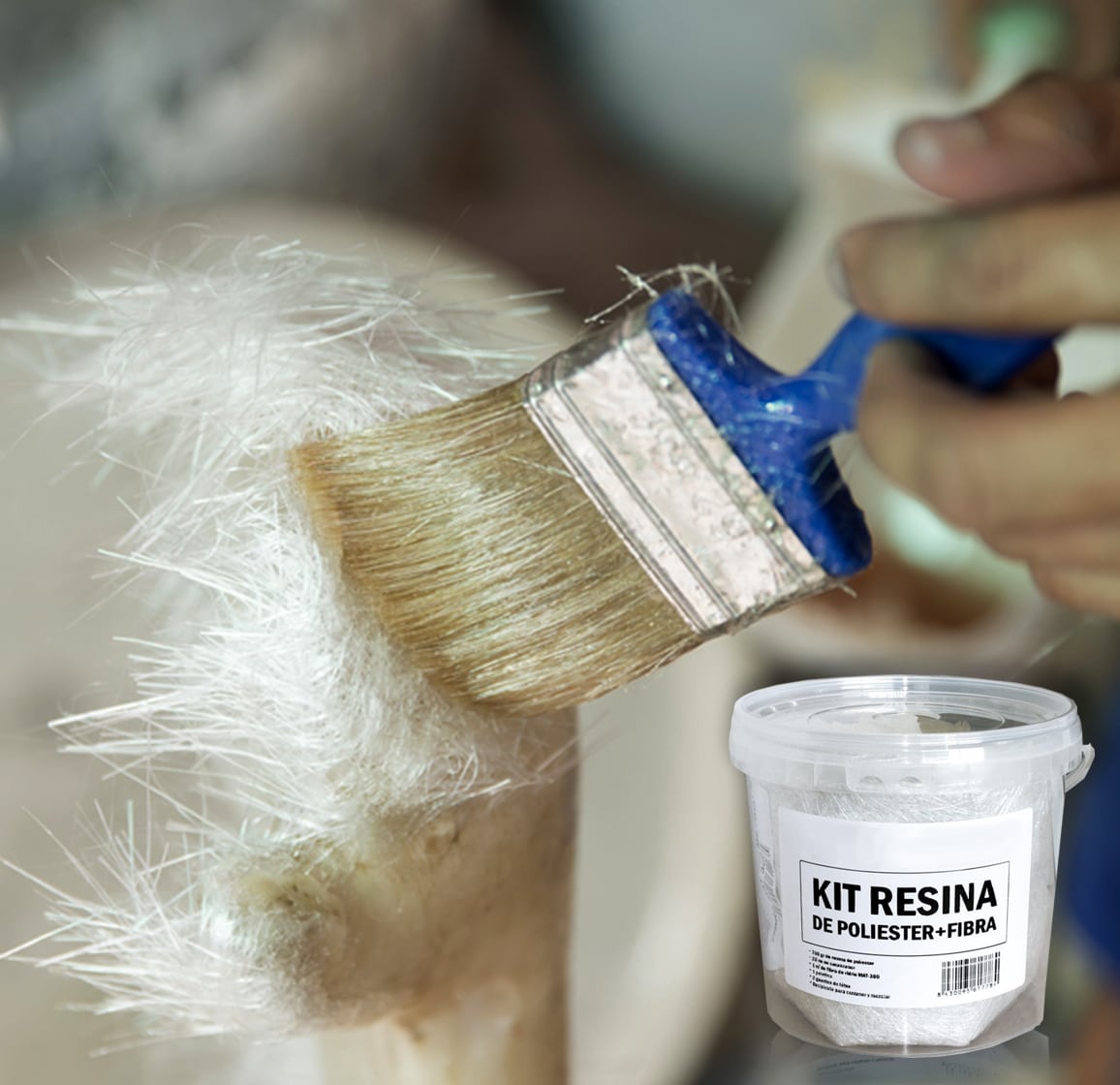
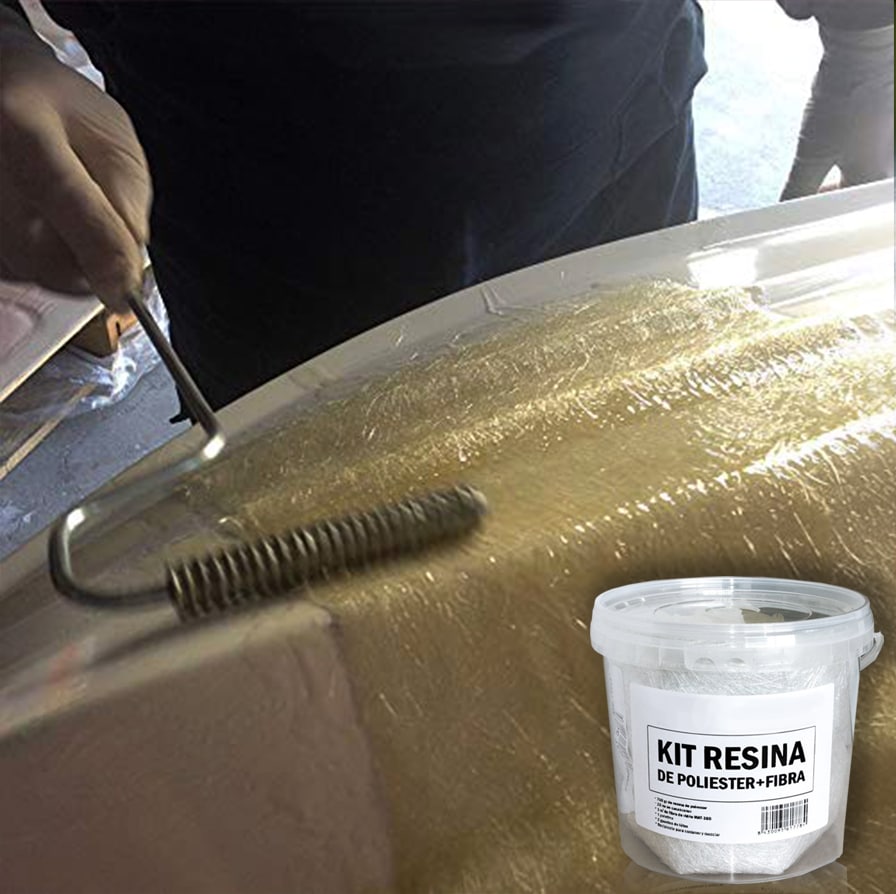
With the damaged section clean and dry, select the most appropriate repair product. For cracks or larger holes requiring reinforcement, the Resin Fibreglass Repair Kit – Complete Polyester Resin and Hardener Set is recommended. Mix the polyester resin and hardener as instructed, and cut the fibreglass mat to fit the repair zone. Apply the mixed resin, lay the mat in place, and saturate it with more resin using a brush, ensuring full integration and elimination of air bubbles. Allow this to cure completely as per kit instructions.
For smaller chips, shallow dents, or filling fine cracks, a putty such as CROP 2K Fiberglass Putty – 750 ml + Hardener may be more suitable. Mix to the recommended ratio, spread firmly into the defect using a spatula, and smooth the surface as much as possible. For quick, localised fixes on non-flexible areas, “FixExpress” – Two-Component Epoxy Glue 500g can provide a swift and robust bond—mix equal parts and apply precisely as needed.
When working in areas combining different substrates, or on sections where vertical hold is critical, “Magelstick” – Epoxy Mastic for Stone, Metal, and Cement Bonding and Grouting may offer additional stability and resistance. Always follow mixing and application instructions for best results.
Prepare and apply the resin or repair compound precisely to the area, ensuring an even coverage and thorough fill. Remove any excess before it cures to reduce finishing work later.
Step 4: Finish, Cure, and Inspect
Allow the repair to cure undisturbed for the full recommended duration (which may range from 5 minutes for quick-setting epoxy to 24 hours for more robust repairs or where fibreglass mats are used). Once the material is fully hardened, sand the area gently starting with medium and progressing to fine grit until smooth and level with the surrounding tub surface.
Clean away any dust and inspect the repaired area for uniformity and completeness. You may prime and repaint the section with a suitable coating if colour-matching is desired, making sure the surface is free of dust and grease beforehand. Do not use or fill the tub until repairs have fully cured and paints, if used, are dry.
Ensure full curing before returning the tub to service to avoid re-opening the repair or compromising water resistance.
Tips and Common Mistakes in Resin Tub Repair
Take your time with surface preparation—rushing this stage can cause poor adhesion and repeated failures. Always maintain recommended mixing ratios, especially with multi-component resins and putties, as incorrect ratios can lead to weak curing or tackiness. Work in small, manageable batches, especially if the compound or glue sets rapidly.
Do not over-sand finished repairs, as excessive abrasion can thin out the newly reinforced section or expose the original damage. Use a soft, clean brush for resin application to avoid introducing new debris into the repair zone, and check for air bubbles during fibreglass mat lay-up. Choose the appropriate product for your particular repair—misapplying compounds can result in disappointing durability.

Best Practices for Long-Lasting Resin Repairs
Avoid water exposure until full cure is achieved. For seamless results, patience during curing and diligence throughout surface prep are key. Periodic checks for adhesion and leaks after returning the tub to service ensure lasting success.
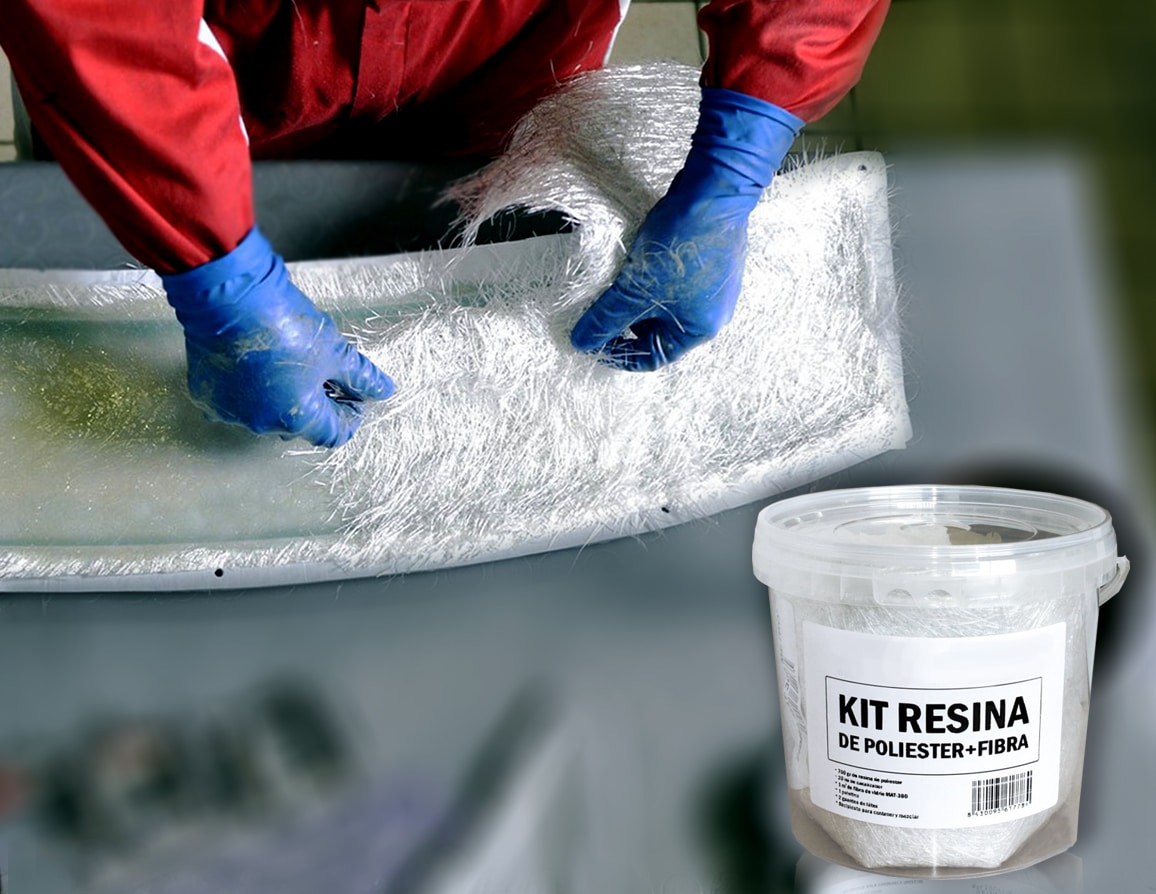
- Resin Fibreglass Repair Kit – Complete Polyester Resin and Hardener SetResin Fibreglass Repair Kit provides waterproof, impact-resistant repairs suitable for various rigid materials under the theme How to Repair a Resin…
- CROP 2K Fiberglass Putty – 750 ml + Hardener£15.85CROP 2K Fiberglass Putty is a two-component polyester putty reinforced with fibreglass, designed for repairs requiring strength and durability.
- "FixExpress" – Two-Component Epoxy Glue 500g£26.95Two-component epoxy glue for fast, strong repairs on a variety of materials, supporting reliable fixes under the theme How to Repair a Resin Tub?
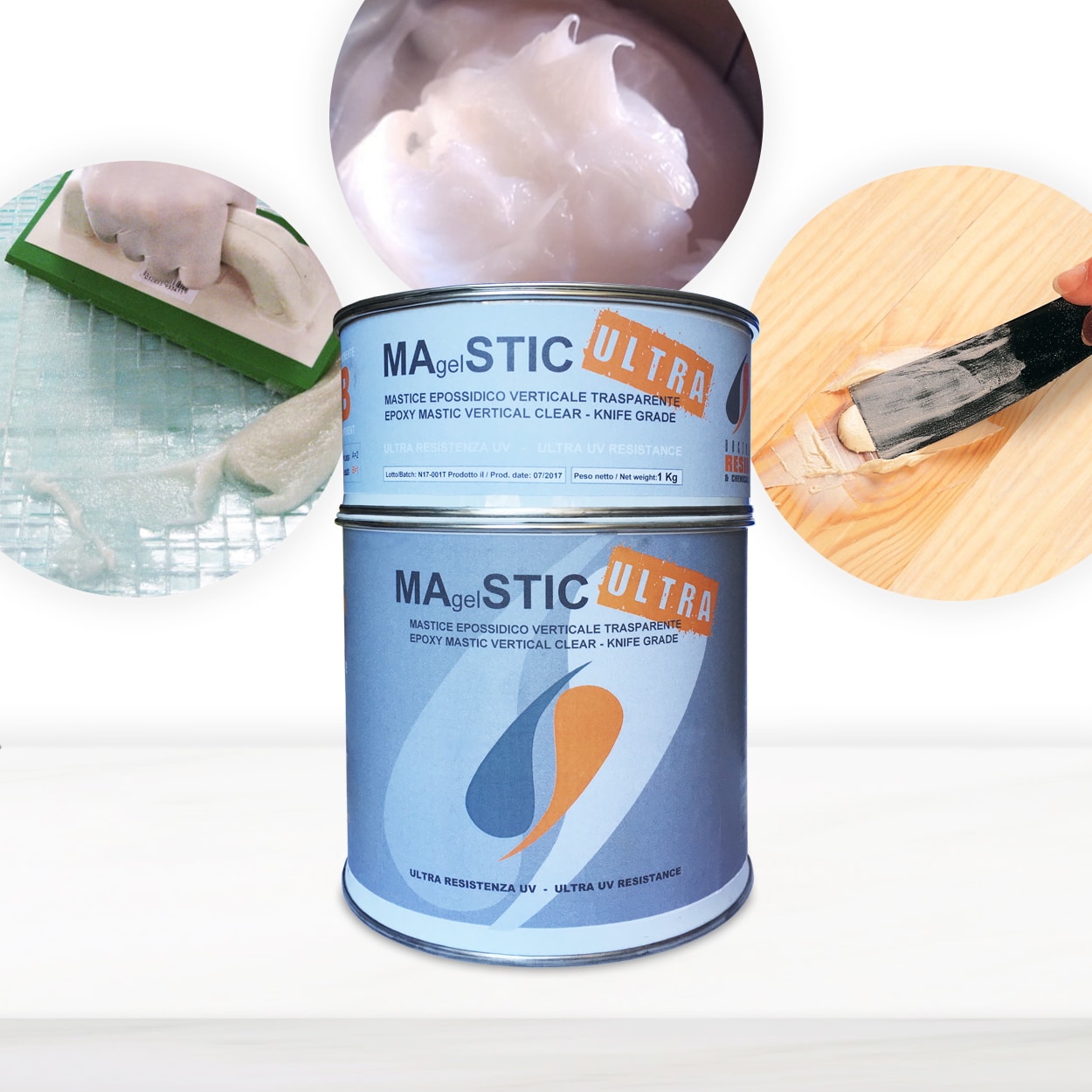 "Magelstick" – Epoxy Mastic for Stone, Metal, and Cement Bonding and Grouting"Magelstick" Epoxy Mastic is designed for repair and bonding of stone, metal, and cement, supporting detailed work within a 'How to Repair a Resin…
Frequently Asked Questions
Can I repair deep cracks in a resin tub?
Yes, deep cracks can be repaired using a fibreglass repair kit or reinforced polyester putty, following proper preparation and curing steps.
How long before I can use my tub again after repair?
Wait until the repair is fully cured. This can vary from 5 minutes to 24 hours, depending on the product and thickness.
Is resin tub repair suitable for beginners?
Most repairs can be carried out by beginners, especially with kits offering clear instructions and manageable mixing ratios.
Will the colour match be perfect after a resin tub repair?
Colour match may vary. For best results, use a repair compound that can be painted or tinted to closely match your tub.
What if my resin repair does not adhere well?
Poor adhesion is often due to inadequate cleaning or insufficient sanding. Make sure the area is clean, dry, and roughened before application.
Can I use my bath immediately after a resin repair?
No. Always wait for the specified curing time before using the tub to avoid damaging the new repair.
Is sanding always required after a resin tub repair?
Sanding is recommended for smoothness and best finish, particularly if layers of putty or fibreglass are used.