 Free shipping on orders over £29,85
  Shipping Tracking!


 Google
 Facebook
How to repair a water pipe with resin pipe repair?
Step-by-step guide for durable, waterproof pipe repairs

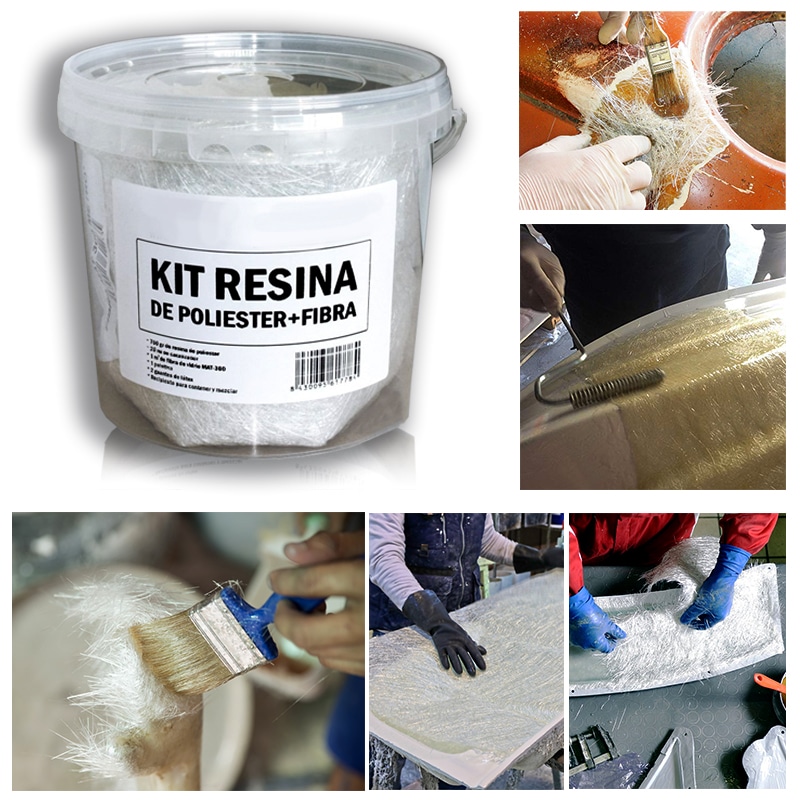
A damaged or leaking water pipe can cause significant water loss and structural issues. Using resin-based repair methods, you can achieve a strong, waterproof seal, restoring integrity to both metal and rigid plastic pipes. This guide covers the full process, ensuring you get a professional finish and reliable results whether you’re a homeowner, tradesperson, or DIY enthusiast.
What You’ll Need
- Resin Fibreglass Repair Kit – Complete Polyester Resin and Hardener Set – for structural reinforcement and sealing of water-exposed pipes
- “Klebfix” – Two-Component Fast Epoxy Glue 2K, 25g Syringe – for small crack or joint repairs requiring rapid curing
- CROP 2K Fiberglass Putty – 750 ml + Hardener – for filling holes or cavities on moist or corroded pipes
- “FixExpress” – Two-Component Epoxy Glue 500g – for fast-setting general repairs where high-strength bonding is needed
- Protective gloves and eye protection
- Sandpaper or abrasive pad
- Mixing container and stirring stick
- Cotton cloths or disposable rags
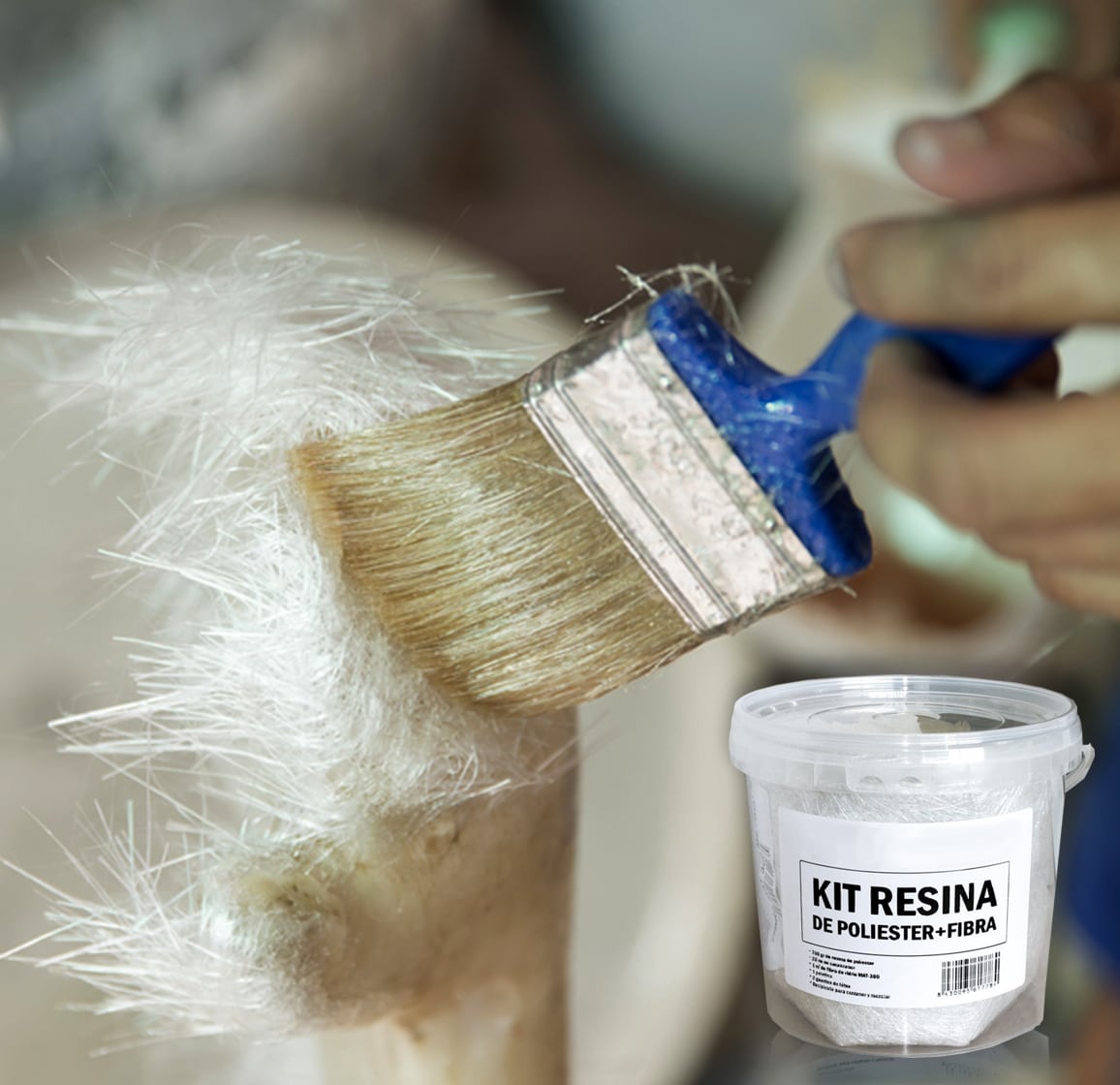
Tools and Materials for Effective Resin Pipe Repairs
Gather the appropriate complete kits, gloves and sanding materials before you begin. Using specialist epoxy resins and putties ensures a lasting, water-resistant repair. Double-check you have all safety equipment and mixing tools to hand.
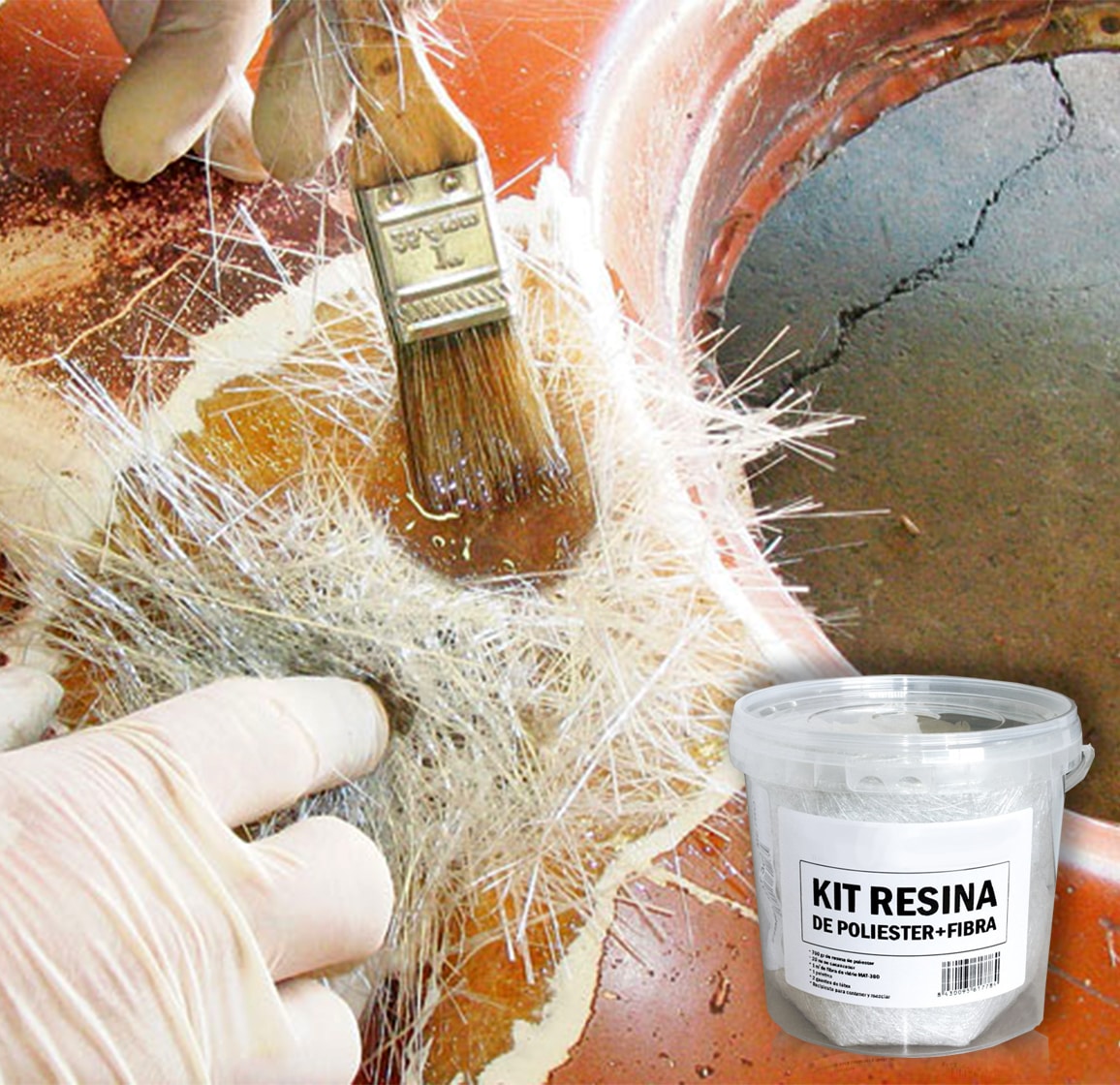
Step 1: Assess and Prepare the Damaged Pipe
Begin by carefully inspecting the pipe to identify the extent, location, and type of damage. Isolate the water supply and drain the affected section to avoid further leaks and ensure optimal adhesion. Always wear suitable PPE such as gloves and eye protection during this stage, especially if dealing with corroded metal or sharp shards.
Make sure the nearby area is clean and clear of obstructions for easy access. Remove any standing water, debris, or scale around the damaged zone to prevent contamination during the repair.
Step 2: Clean and Roughen the Surface
Clean and dry the pipe thoroughly using cotton cloths to wipe away oil, dirt, limescale or residual moisture. Any contamination risks adhesion failure or bubbles beneath the repair material. For the best bond, thoroughly dry the pipe with lint-free cloths.
Roughen the surface for best adhesion by sanding a 5–10 cm area around the damage with medium-grit sandpaper or an abrasive pad. This creates a key for the resin or putty to grip firmly. Remove all sanding dust before proceeding.
Step 3: Apply Resin, Putty, or Epoxy for Sealing
Depending on the extent of the damage, choose the most appropriate repair method. For cracks or localised leaks, a fast epoxy like “Klebfix” – Two-Component Fast Epoxy Glue 2K, 25g Syringe can deliver a rapid, waterproof fix. For holes or wider damage, use CROP 2K Fiberglass Putty – 750 ml + Hardener to fill and seal the cavity, layering and smoothing as needed.
If structural reinforcement is required – for example on a pressure pipe – opt for the Resin Fibreglass Repair Kit – Complete Polyester Resin and Hardener Set. Follow the instructions to mix the resin and hardener, then saturate the fibreglass mat and wrap it firmly around the cleaned repair area, eliminating bubbles or gaps.
For a swift, high-strength bond on rigid materials, “FixExpress” – Two-Component Epoxy Glue 500g is ideal: mix the two components in a 1:1 ratio, then apply directly to the leak or split, holding the affected section in place until set.
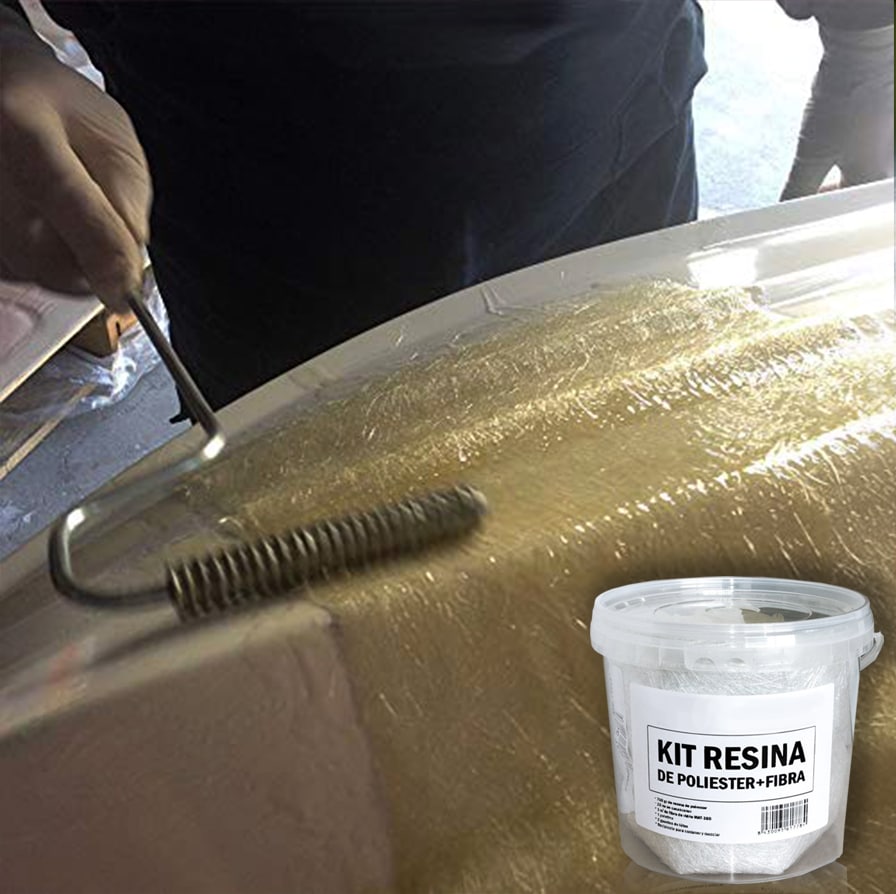
Step 4: Allow Curing and Restore the System
Mix resin and hardener carefully as per the product’s instructions to ensure a durable finish. Wait the full curing period before exposing the pipe to water pressure. Most resin-based products cure within a few hours, but thicker applications or low temperatures may require longer. Check to ensure the repair is fully set before turning the water supply back on.
If sanding is needed for a flush finish, use fine sandpaper once fully cured. Inspect for leaks and repeat the application if any seepage remains.
Allow adequate curing time to maximise the repair’s strength and ensure a watertight result.

Tips, Common Mistakes, and Troubleshooting
Always match the repair method to your specific pipe material and damage type. Rushing surface preparation is a common pitfall – inadequate cleaning or roughening can cause repairs to fail. Use only the quantity of hardener recommended to avoid premature setting or soft patches. If the repair area is damp, products like the Resin Fibreglass Repair Kit provide reliable adhesion even in humid scenarios. Ensure full curing before returning the pipe to use.
Why Resin-Based Pipe Repairs Outperform Traditional Fixes
Resin repairs provide excellent water resistance and mechanical strength, making them preferable in both emergency and routine maintenance. Unlike temporary wraps or tapes, quality resin or fibreglass methods offer structural reinforcement and longevity for peace of mind.
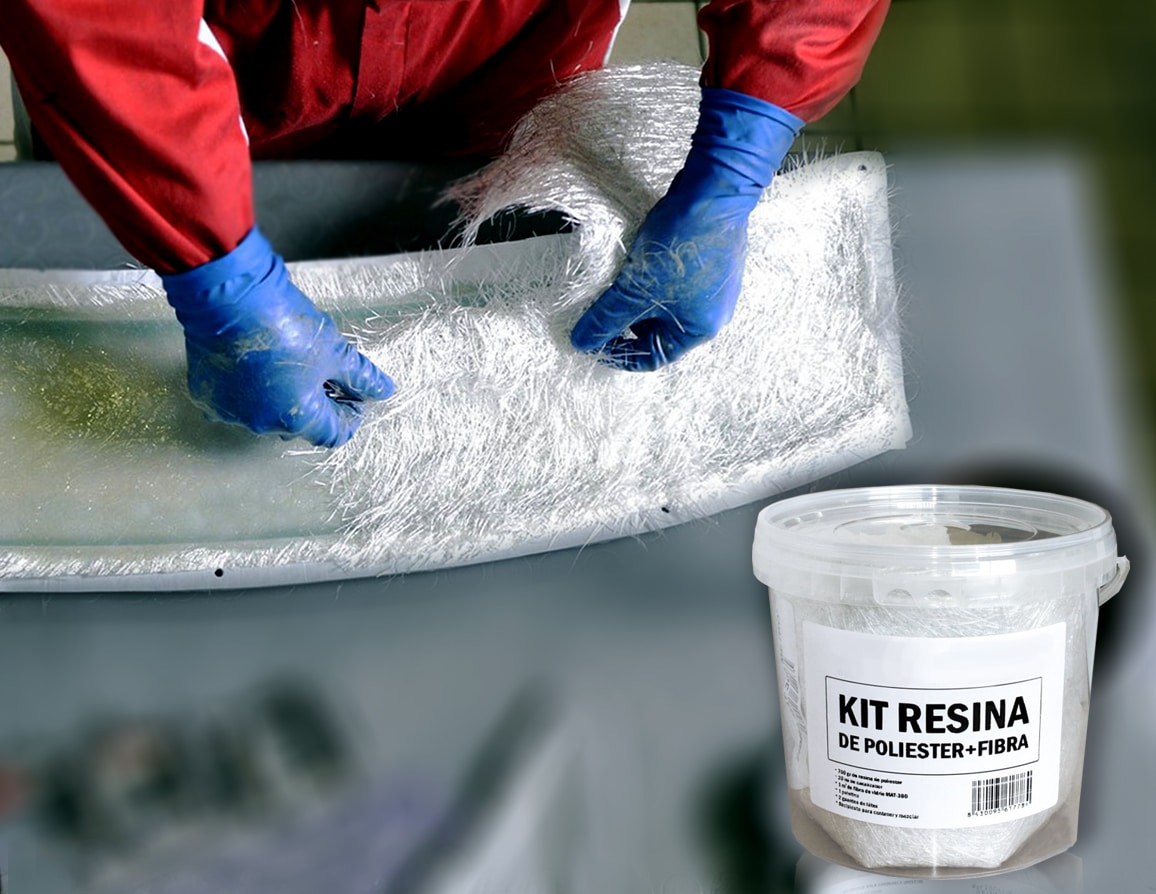
- Resin Fibreglass Repair Kit – Complete Polyester Resin and Hardener SetResin Fibreglass Repair Kit offers a waterproof, impact-resistant solution with clear instructions for repairs on rigid plastics and metals.
- "Klebfix" – Two-Component Fast Epoxy Glue 2K, 25g Syringe£24.00KLEBFIX 2K Fast Epoxy Glue is a two-component adhesive suitable for reliable bonding of plastic, glass, metal, and wood in water pipe repair.
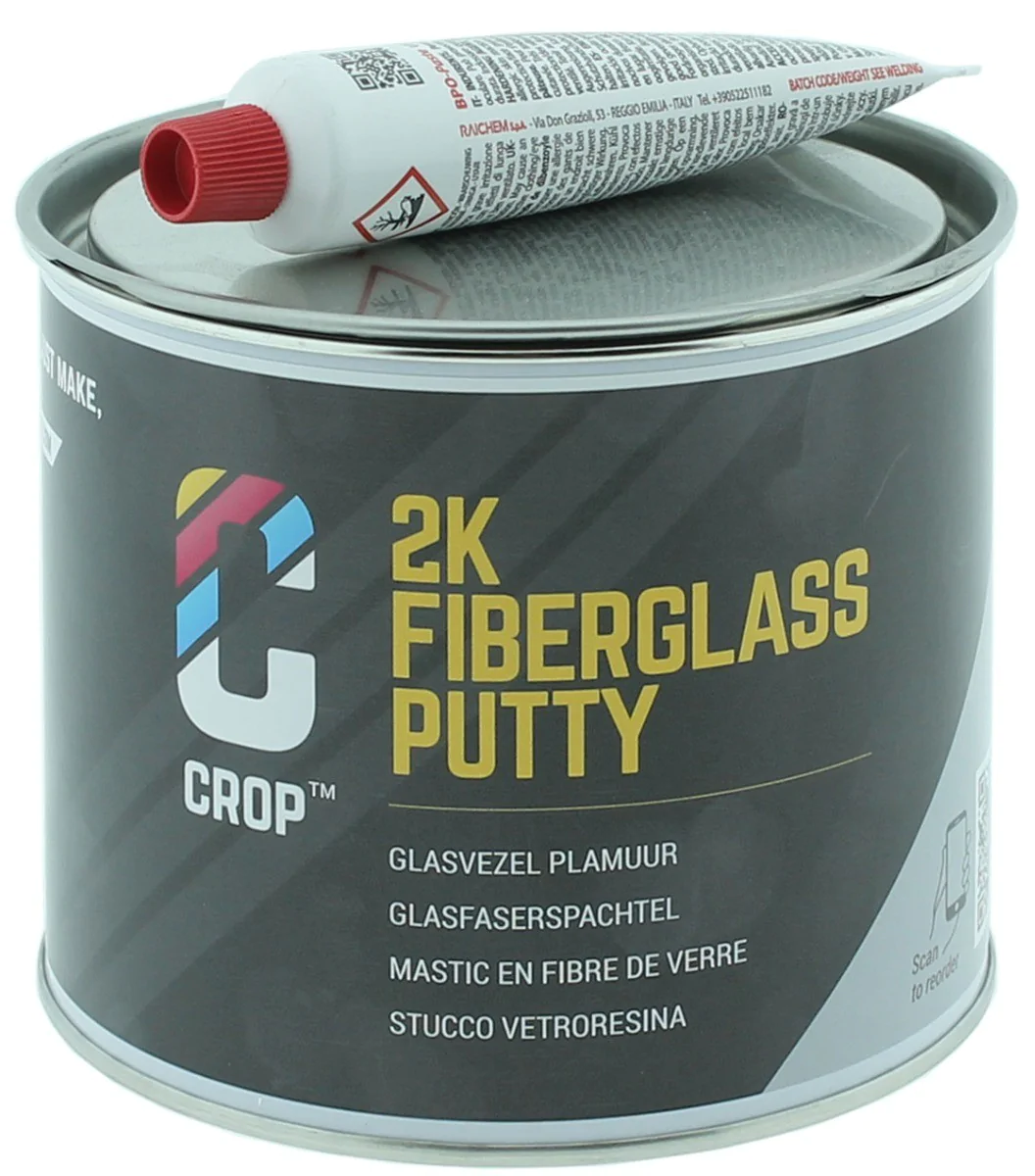 CROP 2K Fiberglass Putty – 750 ml + Hardener£15.85CROP 2K Fiberglass Putty is designed for repairs requiring strength and resistance to moisture, suitable for filling cracks and dents before painting.
 "FixExpress" – Two-Component Epoxy Glue 500g£26.95"FixExpress" two-component epoxy glue provides repairs and strong adhesion in about 5 minutes, suitable for various household and craft uses.
Frequently Asked Questions
Can resin pipe repair be used on metal pipes?
Yes, resin-based repair kits and epoxies bond well with metal, providing a durable, waterproof solution.
How long before pipes can be used after a resin repair?
Always follow the product instructions—most repairs cure in a few hours, but thicker layers or low temperatures may need longer.
Is epoxy glue or a fibreglass kit better for water pipe repair?
Epoxy glues are quick for small leaks; fibreglass kits provide extra reinforcement for larger or pressurised repairs.
What are the most common mistakes in resin pipe repair?
Insufficient cleaning, not roughening the surface, or improper mixing can all reduce the effectiveness of the repair.
Will a resin repair withstand water pressure?
Quality resin pipe repairs are designed to resist typical household and commercial water pressures if applied correctly.
Can resin putty be used on pipes carrying drinking water?
Some products are not certified for potable water. Always check suitability before using on drinking supply pipes.
Does temperature or humidity affect resin pipe repair outcomes?
Low temperatures or humidity may extend curing times. Always follow product guidance for best results.