 Free shipping on orders over £29,85
  Shipping Tracking!


 Google
 Facebook
How to repair cracks in resin flooring?
Restore resin floors smoothly for lasting, professional results
Cracks in resin flooring can compromise both the appearance and durability of your floors. Whether you’re dealing with minor hairline cracks or larger splits, this guide will walk you through each step required to repair resin floor cracks effectively. Restoring your resin flooring will help prevent further damage and ensure a smooth, seamless result that stands up to daily wear and moisture.
What You’ll Need
- “Epoxyprimer” – Universal Water-Based Two-Component Epoxy Floor Primer: A primer for prepping and bonding new resin or filler layers to the existing floor.
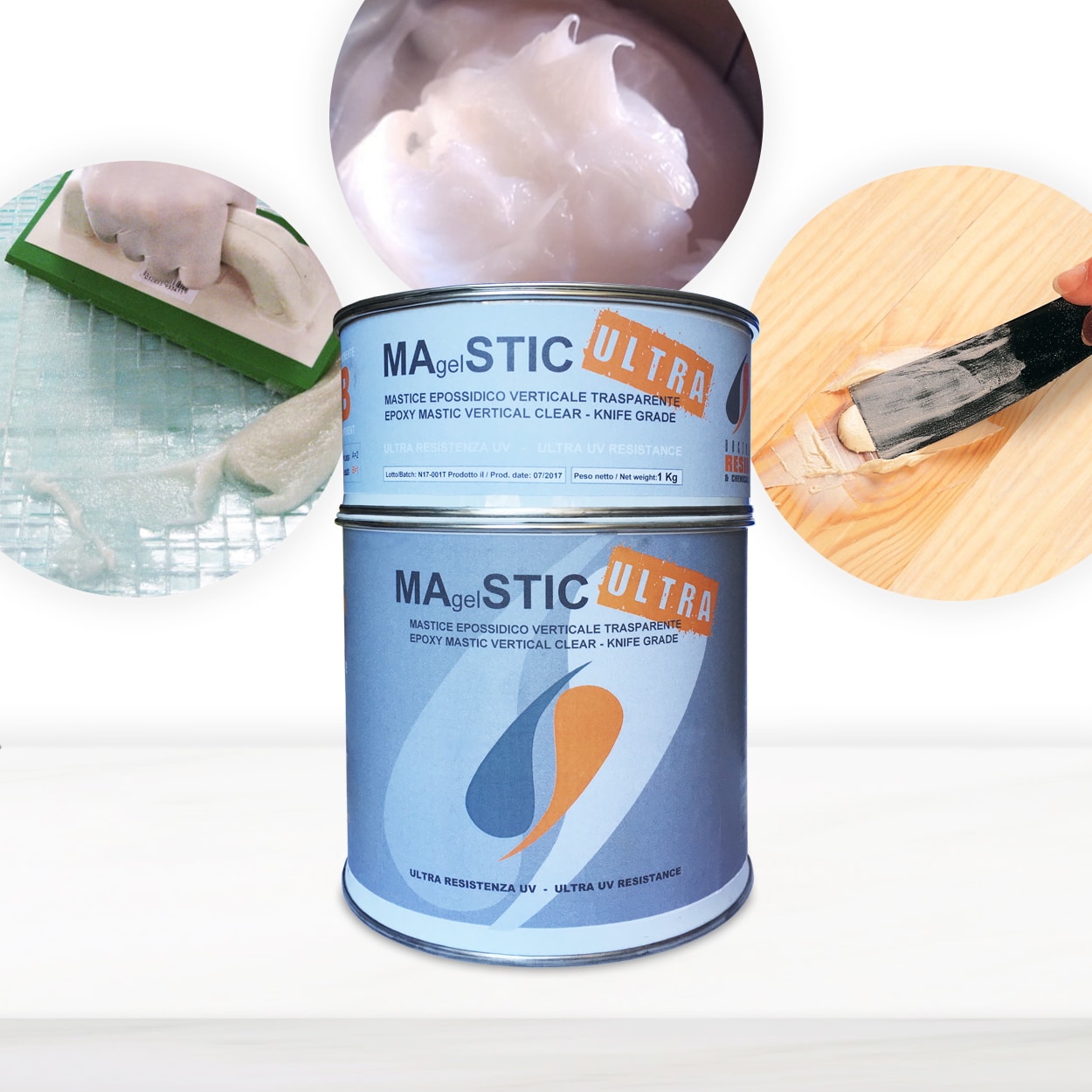
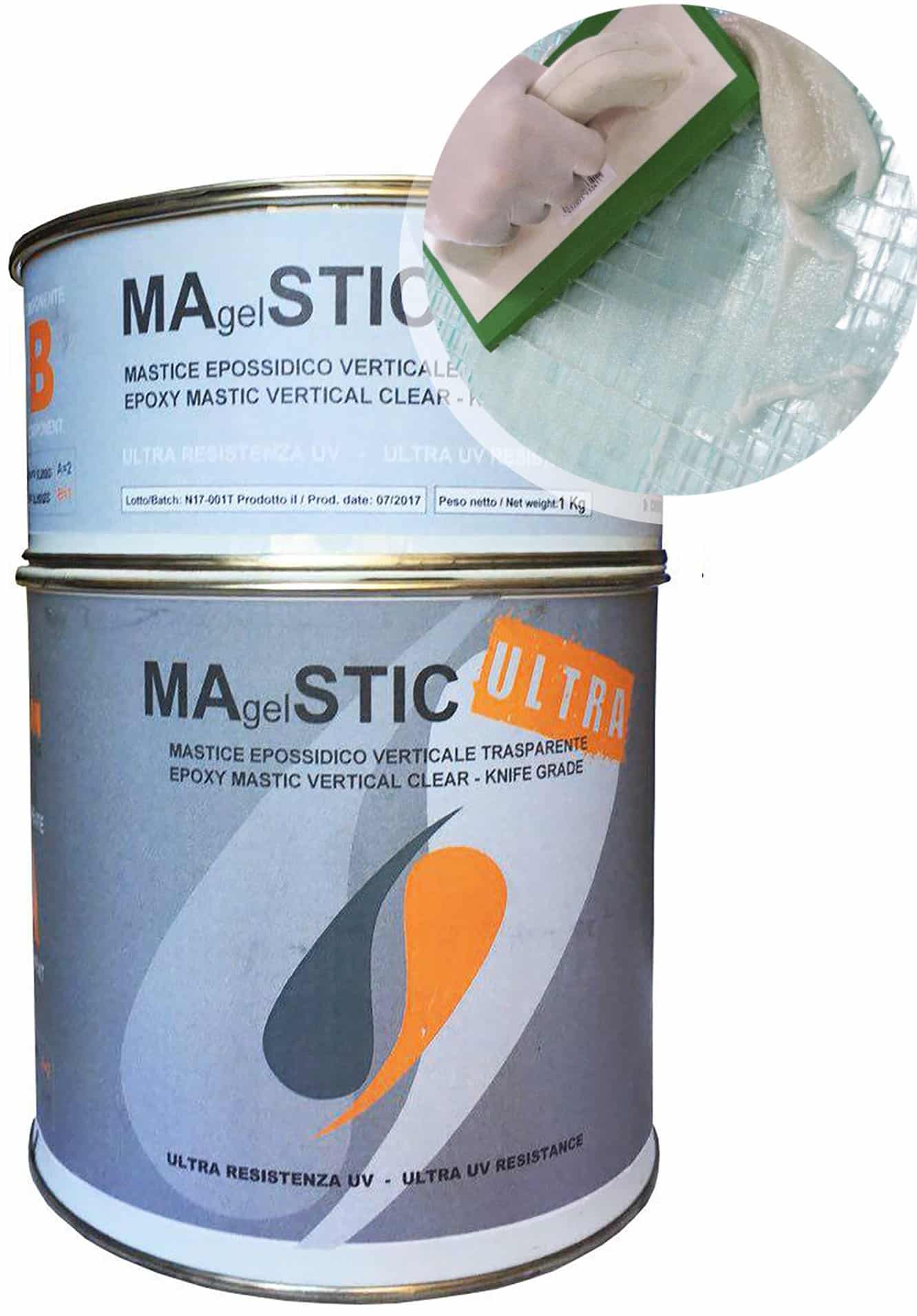
- “Magelstick” – Epoxy Mastic for Stone, Metal, and Cement Bonding and Grouting: To fill cracks and provide a robust repair for stone or cement-based floors.
- CROP 2K Fiberglass Putty – 750 ml + Hardener: For reinforcing, filling, and levelling cracks, especially in high-impact or moisture-prone areas.
- Resin Fibreglass Repair Kit – Complete Polyester Resin and Hardener Set: A kit for combining fibreglass matting with polyester resin, ideal for structural repairs.
- Protective gloves, a putty knife, mixing containers, and sandpaper or a mechanical grinder.

Essential Tools for Resin Floor Crack Repair
Having the right products is crucial for a seamless repair. Mixing containers, spatulas, protective gloves, and a reliable vacuum help you work neatly and safely. Our recommended resin solutions below offer robust adhesion and excellent finish quality for all resin floor types.
Step 1: Clean out and widen the crack
Start by inspecting the area and removing any loose debris, dirt, grease, or previous repair residues. This is best done with a vacuum cleaner and a soft brush. If the crack is deep or wide at places, use a small grinder or chisel to slightly v-shape and widen the crack. This will help new filler materials to anchor firmly. Cleaning thoroughly ensures you’re not trapping contaminants, leading to a longer-lasting repair.
Dry the area completely before continuing. Water or moisture remaining within the crack can impact the adhesion of primers and repair materials.
Step 2: Prepare the repair materials
Read the instructions for your selected repair product. For most resin floor repairs, a high-quality epoxy or polyester-based filler provides the necessary mechanical strength and bond. Mix your chosen repair material (such as “Magelstick” – Epoxy Mastic for Stone, Metal, and Cement Bonding and Grouting or CROP 2K Fiberglass Putty – 750 ml + Hardener) according to the manufacturer’s recommendations. Mix only what you can use within the working time, and use a clean, disposable container for the batch.
Avoid adding too much hardener, as this can cause excessive brittleness or flash curing, making sanding more difficult. Always wear protective gloves and work in a ventilated area.
Step 3: Fill and reinforce the crack
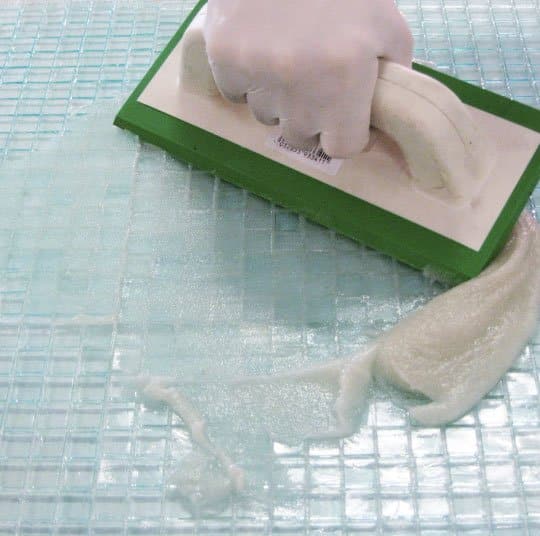
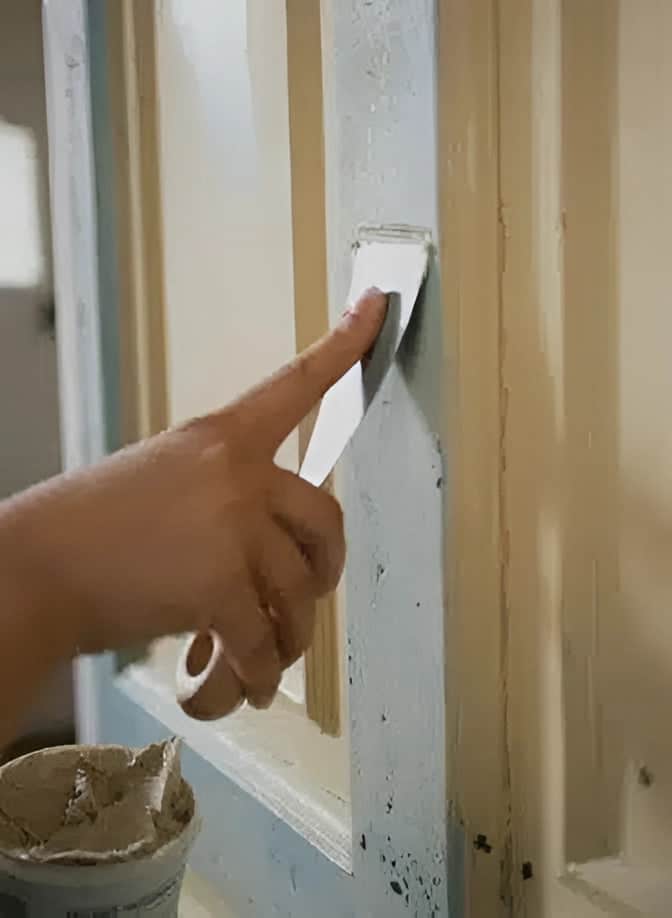
Apply your mixed repair compound using a putty knife or spatula, ensuring the filler is pressed firmly into all parts of the crack or cavity. Feather the edges smoothly to blend with the existing resin flooring. For deep or structural cracks, you may wish to reinforce the repair by embedding fibreglass matting from the Resin Fibreglass Repair Kit – Complete Polyester Resin and Hardener Set. Saturate the mat with resin and layer it as per instructions to create a strong, impact-resistant patch.
Work steadily and avoid overfilling. Remove excess immediately. Allow the repair material to cure fully (refer to product guidance for timings) before proceeding to the next step.
Step 4: Finish and seal the surface
Once the repair has fully cured, begin sanding the patch flush with the surrounding floor. Use progressively finer grit sandpaper or power sanding tools as needed for a seamless transition. Vacuum and wipe away sanding dust before sealing.
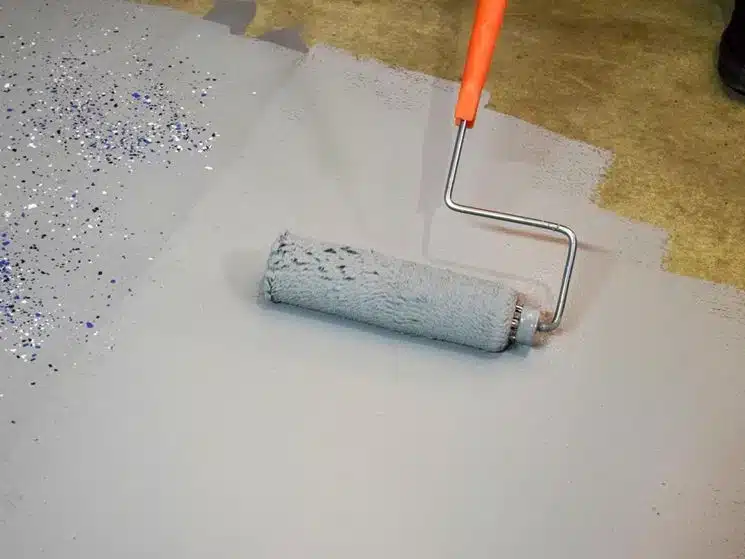
Apply a bonding primer such as “Epoxyprimer” – Universal Water-Based Two-Component Epoxy Floor Primer to ensure optimal adhesion of any additional paint, topcoat or resin overlayers. This step locks your repair in place, enhances durability, and prevents moisture ingress. Allow the primer to cure completely before allowing traffic on the area or applying further finishes.
Tips and common mistakes
To achieve professional results, always clean and dry cracks thoroughly, mix resins and hardeners precisely, and never rush the curing stages. Skipping any of these can lead to poor bonding or visible ridges. Avoid using non-compatible products, and always match the repair compound with your floor type for best results. Lightly sand between layers if applying multiple coats or fillings, and follow ventilation and safety guidelines closely.
Repair Like a Professional
Take your time with each stage. Applying resin materials in thin, controlled layers and allowing each one to fully cure is the key to an invisible, long-lasting repair. Don’t rush—give the repair the attention it deserves for perfect results.

- "Epoxyprimer" – Universal Water-Based Two-Component Epoxy Floor PrimerPrice range: £156.45 through £286.45Epoxyprimer is a water-based two-component epoxy floor primer suitable for various surfaces with a focus on durable adhesion.
- "Magelstick" – Epoxy Mastic for Stone, Metal, and Cement Bonding and Grouting"Magelstick" Epoxy Mastic is designed for professional gluing and grouting of stone, metal, and cement surfaces with a formula suited for vertical…
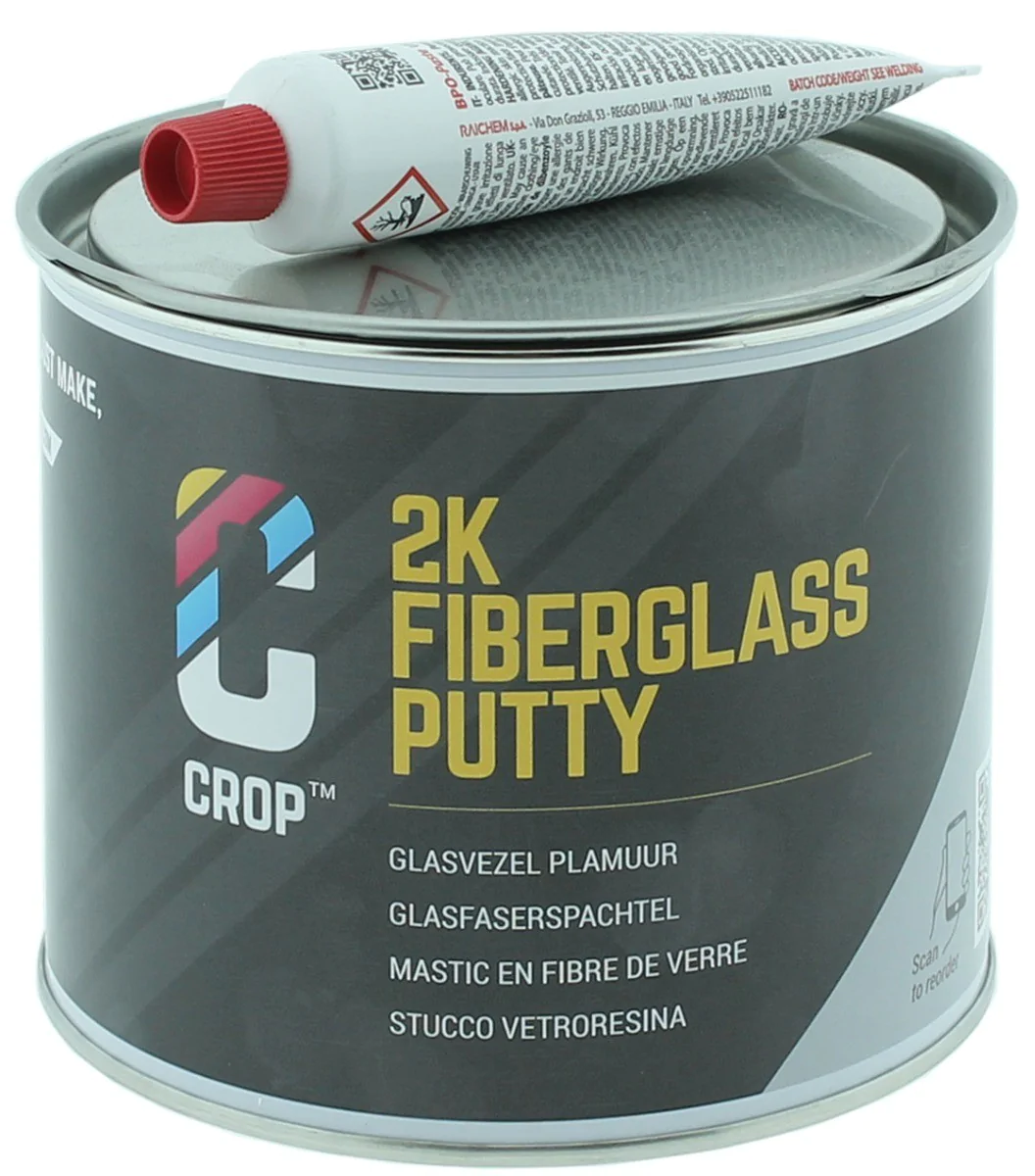 CROP 2K Fiberglass Putty – 750 ml + Hardener£15.85CROP 2K Fiberglass Putty is suitable for repairing cracks and dents with durability and ease of finishing in resin flooring repairs.
 Resin Fibreglass Repair Kit – Complete Polyester Resin and Hardener SetThe Resin Fibreglass Repair Kit supplies a complete set designed for emergency and structural repairs with polyester resin and fibreglass mat.
Frequently Asked Questions
Can you repair cracks in resin flooring?
Yes, cracks in resin flooring can be repaired using suitable fillers, primers, and reinforcement techniques for a smooth and durable result.
How long should you allow repairs to cure before using the floor?
Cure times vary by product, but most repairs require at least 24–48 hours before the area can be used normally.
What type of filler should I use for resin floor cracks?
Choose an epoxy mastic, polyester putty, or a resin-plus-fibreglass kit, depending on the floor’s base material and crack size.
Is a primer necessary before making repairs to resin flooring?
A primer is highly recommended to improve bonding and ensure the repair layer adheres securely to the existing surface.
Is it possible for DIYers to repair resin floor cracks?
Yes, following detailed instructions and allowing adequate curing, DIYers can achieve excellent repair results.
Will cracks return after resin floor repair?
When properly filled, reinforced, and sealed, cracks should not reappear. Structural movement or poor preparation can risk recurrence.