 Free shipping on orders over £29,85
  Shipping Tracking!


 Google
 Facebook
How to restore a resin floor?
Bring new life to resin floors with repairs and refinishing steps

Restoring a resin floor can dramatically improve the appearance, functionality, and lifespan of your space. Whether your floor has dulled over time, accumulated scratches, or is showing patches of wear, a careful restoration process will revive its glossy, seamless finish. In this guide, you’ll find a detailed process for restoring resin floors—ideal for home workshops, garages, or industrial areas—helping you avoid common pitfalls and achieve professional, lasting results.
What You’ll Need
- Strong Technical Degreaser for Resin Projects – 100% Natural Formula: For surface cleaning and grease removal
- “Epoxyprimer” – Universal Water-Based Two-Component Epoxy Floor Primer: Ensures primer adhesion to a variety of surfaces
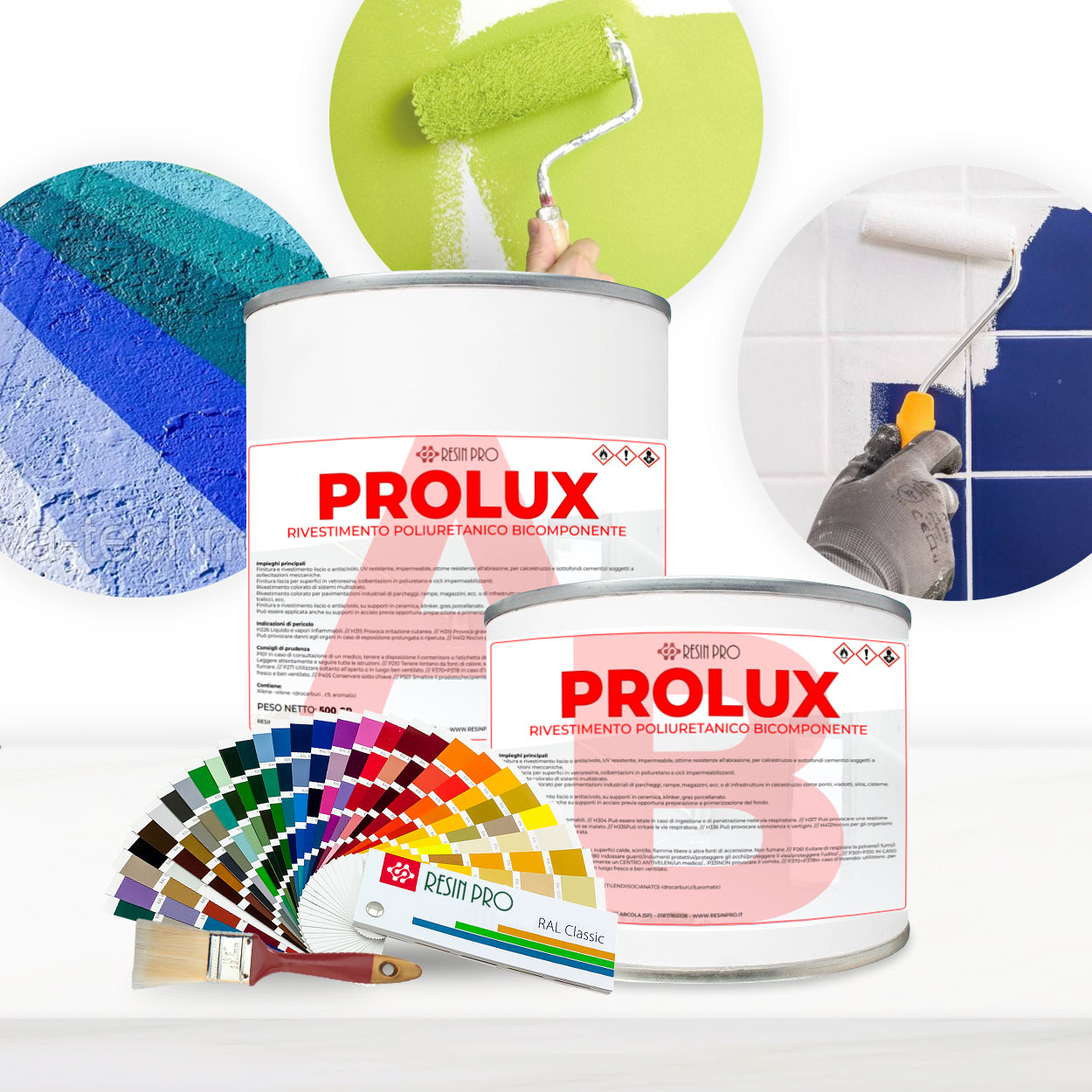
- “Prolux” – PU coating for tiles, concrete, plastic and metal – suitable for driveable surfaces: For a durable and attractive finish
- “Epoxy Polish” – Epoxy Resin Polishing System: Restores gloss and removes light abrasions
- Protective gloves, goggles, and masks
- Pads, microfibre cloths, rollers, spatulas, and sandpaper

Visual Overview: Resin Floor Restoration Stages
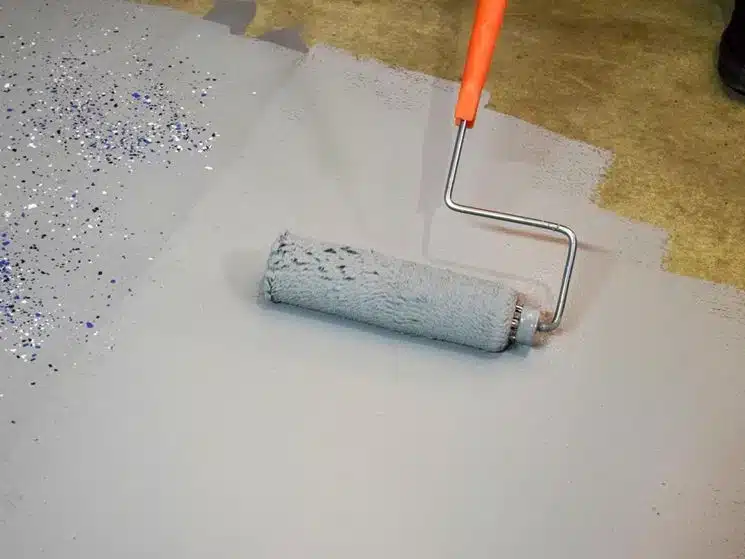
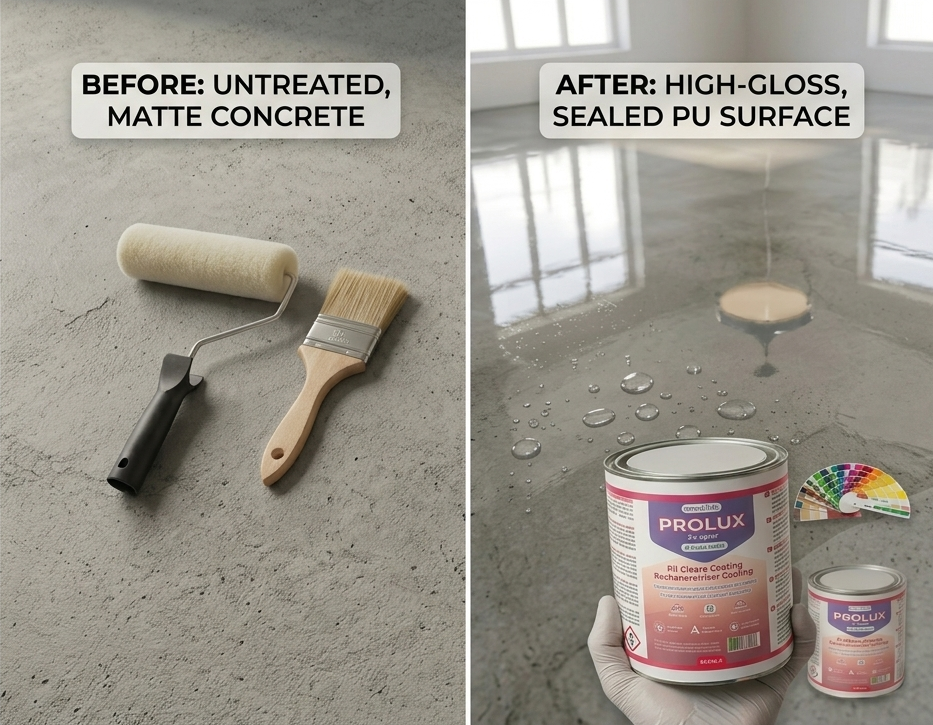
Get a visual feel for the entire process—from initial cleaning to final shine, every stage helps bring your resin floor back to life. Notice the dramatic change as surface prep, priming, coating and polishing transform a tired floor into a gleaming, durable finish. Careful step-by-step attention yields professional results.
Step 1: Clean and Prepare the Floor
Thorough surface cleaning is essential before beginning any restoration work. Remove all furniture, mats, and debris from the area. Sweep or vacuum the floor to eliminate loose dust. Next, use a high-quality degreaser to cut through lingering stains, grease, or adhesive residues. Pay close attention to corners and high-traffic spots, ensuring no contaminants remain that could interfere with subsequent layers.
Depending on the level of soiling or previous coatings, you may need to repeat the cleaning process or use a gentle abrasive pad for stubborn marks. Allow the floor to dry completely before progressing.
For optimal prepping, the Strong Technical Degreaser for Resin Projects – 100% Natural Formula is effective and safe for frequent use, making it ideal for resin-based surfaces.
Step 2: Repair Damaged Areas
Inspect the floor for cracks, chips, or uneven patches. Use a suitable filler or repair resin (compatible with your specific floor type) to mend imperfections. For deeper damage, sanding may be required to create a flush, even surface. Let all repairs cure fully according to product directions, and then sand gently for smooth integration into the surrounding area.
Clear away sanding dust as any remaining particles can compromise adhesion later in the process.
Step 3: Prime for Maximum Adhesion
Priming ensures strong adhesion between your existing floor and new coating layers. Apply an epoxy-based primer suitable for your substrate, such as concrete, screed, timber, or tiles. Use a roller, brush, or spatula to work the primer evenly, taking care to overlap and avoid pooling. Allow the primer to cure undisturbed as specified by the manufacturer—usually 24 to 48 hours for best results.
If you require a robust and versatile primer, “Epoxyprimer” – Universal Water-Based Two-Component Epoxy Floor Primer is designed specifically for resin floor applications.
Step 4: Apply the Protective and Decorative Coating
Once the primer has cured, you can move on to the final, most visible stage: recoating the floor with a durable resin or polyurethane system. Mix the coating components according to instructions, ensuring accurate ratios for optimal performance. Begin applying with rollers or squeegees, working methodically in sections to guarantee uniform coverage and thickness.
Apply coatings with even, controlled strokes to avoid streaks, air bubbles, or inconsistencies in gloss. In high-traffic or industrial areas, opt for a product with enhanced resistance to abrasion and UV—for instance, “Prolux” – PU coating for tiles, concrete, plastic and metal – suitable for driveable surfaces. Let the coating cure as required before allowing heavy use.
Step 5: Polish and Maintain the Restored Surface
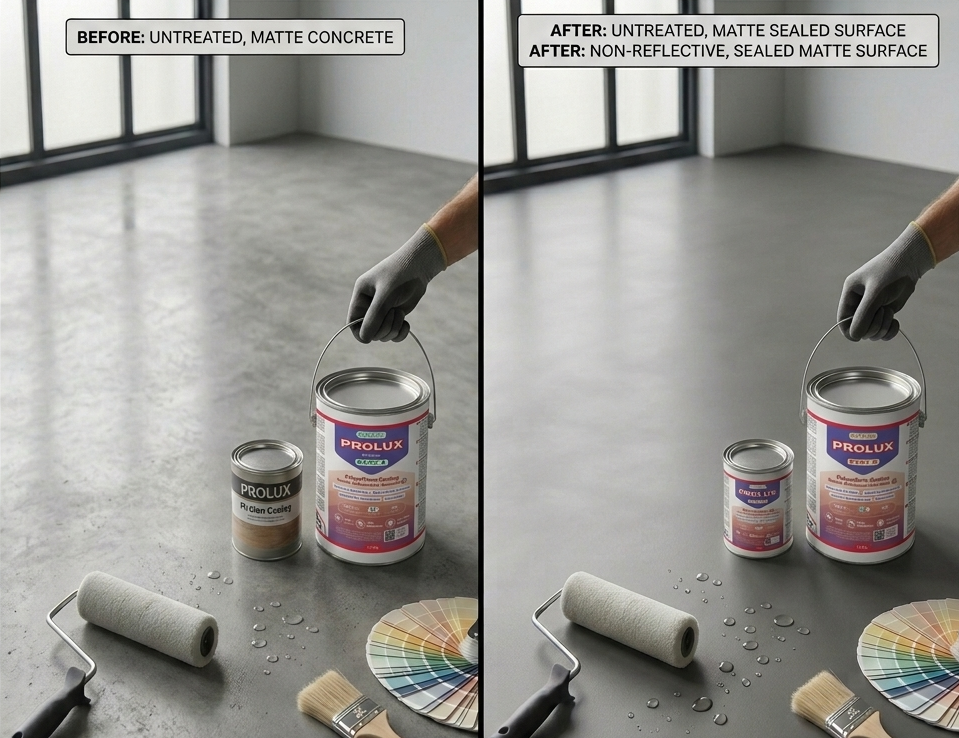
After the final resin or polyurethane layer has fully cured, evaluate the finish. For additional shine and to remove fine scratches or minor dullness, polish the surface using microfibre cloths or a rotary polisher. Work in small sections and check regularly for swirl marks. Only use polishing systems created for epoxy or polyurethane-coated floors.
Polish only when fully cured to avoid any damage to the new surface. A product like “Epoxy Polish” – Epoxy Resin Polishing System is designed for effortless, swirl-free gloss enhancement. Routine maintenance consists of gentle cleaning and periodic touch-ups if wear appears.
Tips, Common Mistakes, and Troubleshooting
Always follow cure times between steps to prevent delamination or uneven gloss. Avoid applying resin or PU coatings in humid or dusty environments as this can trap contaminants. Make sure surfaces are meticulously clean and dry, especially before priming or recoating. For persistent stains or older damage, do not rush the repair and sanding stages—thoroughness now ensures long-term satisfaction.
Expert Tips for Professional-Looking Resin Floors
Test products on a small area first to check compatibility and finish. Choose your primer and finishing system based on traffic, substrate, and required durability. Allow each coat to fully cure before the next, and use gentle maintenance for a lasting result.

- "Epoxyprimer" – Universal Water-Based Two-Component Epoxy Floor PrimerPrice range: £156.45 through £286.45Epoxyprimer is a universal water-based two-component epoxy primer offering reliable adhesion for stable, durable resin floors.
- "Prolux" – PU coating for tiles, concrete, plastic and metal – suitable for driveable surfacesPrice range: £44.85 through £494.85"Prolux" is a polyurethane coating designed for durable, high-traffic surfaces offering versatile finish options in a floor restoration context.
- "Epoxy Polish" – Epoxy Resin Polishing SystemPrice range: £18.95 through £47.45"Epoxy Polish" provides a professional finish for resin surfaces, suitable for restoring gloss and removing scratches with ease.
 Strong Technical Degreaser for Resin Projects – 100% Natural FormulaOriginal price was: £10.95.£9.45Current price is: £9.45.A gentle, natural degreaser suitable for cleaning surfaces involved in resin projects, designed for safe and effective multi-surface use.
Frequently Asked Questions
Can resin floors be restored at home?
Yes, with correct materials and surface preparation, DIY restoration is possible for many resin floors.
Which primer is needed for resin floor restoration?
Select a primer formulated for your substrate type, such as a water-based epoxy primer for concrete, tile, or timber.
Should I sand between resin floor coats?
Sanding is recommended between coats to improve adhesion and achieve a smooth, flawless finish.
How long should I wait between restoration steps?
Allow each layer, especially primers and finishes, to cure fully—usually 24–48 hours—before proceeding.
What if my resin floor has deep cracks?
Deep cracks should be filled with a compatible resin repair material prior to priming and recoating.
How can I remove stains from a resin floor?
Use a suitable degreaser or mild abrasive pad. Avoid harsh chemicals that could damage the resin.
How can I achieve a glossy finish on my restored floor?
After your coating has fully cured, use a resin polishing system as directed for a high-gloss finish.