 Free shipping on orders over £29,85
  Shipping Tracking!


 Google
 Facebook
How to restore purifying resins?
Guide to cleaning, rejuvenating and extending resin performance


Learning how to restore purifying resins is essential for anyone who values the clarity, functionality, and longevity of their resin projects. Whether you’re an artist, craftsman, or a DIY enthusiast, restoring resins to their best condition not only preserves their aesthetic appeal but also ensures they continue to perform effectively over time. This guide will walk you through practical steps, safety considerations and tips for rejuvenating tired or contaminated resin surfaces.
What You’ll Need
- Strong Technical Degreaser for Resin Projects – 100% Natural Formula: Removes grease and silicone residues efficiently from surfaces used in resin work.
- Pure Isopropyl Alcohol 99.9% – 1000ml Bottle for Epoxy Resin Projects & DIY: Ideal for bubble removal and surface cleaning.
- Microfibre or lint-free cloths
- Protective gloves
- Clean, dry workspace
Visual Guide to Cleaning Methods
See demonstrations of degreasing, bubble removal, and surface preparation techniques before you begin. Visual cues help ensure each stage is performed correctly, from applying natural degreaser to spotting floating bubbles in your resin surface. Strong Technical Degreaser for Resin Projects – 100% Natural Formula and Pure Isopropyl Alcohol 99.9% feature prominently in best-practices clips.
Step 1: Assess the Resin Surface
Begin by thoroughly examining your purifying resin piece or installation. Look for visible contaminants such as dust, grease, stains, or the presence of trapped air bubbles. It is vital to determine the type of contamination in order to choose the most appropriate restoration method. For large debris or visible particles, a gentle dusting with a dry, clean cloth will help prevent scratches in later steps. Avoid using any abrasive pads or harsh tools at this stage.
Ensuring the resin is at room temperature will help avoid condensation or further contamination during the restoration process.
Step 2: Remove Surface Contamination and Residues
To tackle fingerprints, oil, silicone, or light stains, moisten a lint-free cloth with the Strong Technical Degreaser for Resin Projects – 100% Natural Formula. Gently wipe the resin surface, focusing on contaminated areas. This cleaner is solvent-free and plant-based, making it suitable for most resin projects where a delicate touch is required. Avoid over-saturating the surface to prevent streaks or drips.
Allow the degreaser to sit briefly on stubborn areas before wiping clean. Ensure any residues are fully lifted and use a dry cloth to remove excess cleaner.
Step 3: Eliminate Bubbles and Polish the Finish
If the resin’s clarity is compromised by trapped air bubbles or if the surface looks slightly dull, lightly spray or dab Pure Isopropyl Alcohol 99.9% – 1000ml Bottle for Epoxy Resin Projects & DIY onto the affected areas. The high purity of this alcohol ensures no residues remain, and it quickly helps break the surface tension causing bubbles to form.
Let the alcohol evaporate naturally. Avoid wiping while wet, as this may leave streaks. If necessary, repeat with a light second application to achieve a transparent, flawless finish. Always check that your resin is suitable for use with isopropyl alcohol by spot-testing a hidden area first.
Step 4: Maintain and Protect Your Purified Resin
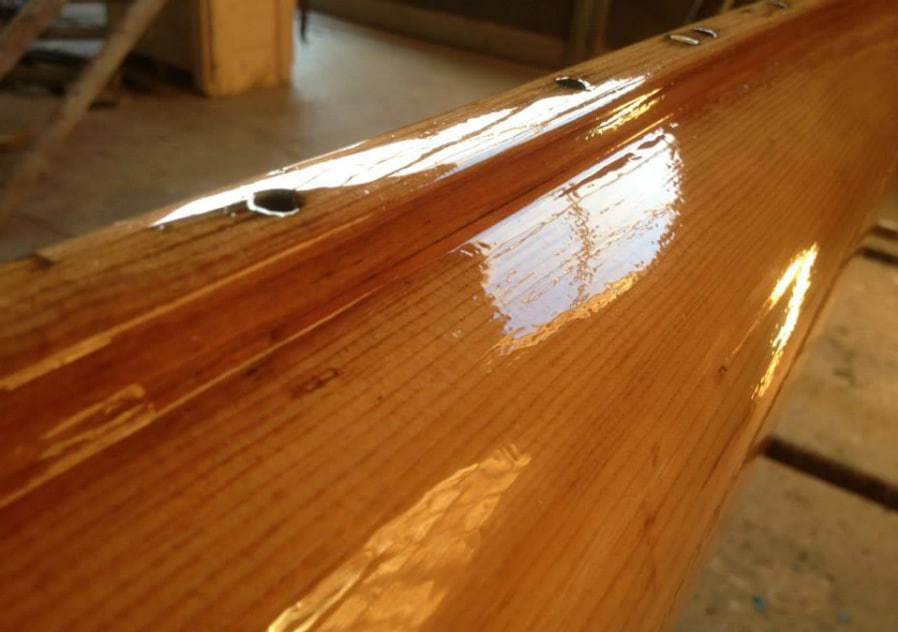
Once clean and bubble-free, maintain your resin surface by keeping it dry and regularly dusting with a soft, dry cloth. Minimise direct exposure to UV light and extreme heat, which can discolour or degrade resin over time. If minor damage or loss of waterproofing is detected—particularly on wood or composite items—it may be appropriate to apply a specialist resin product to reinforce protection and restore the original waterproof barrier.
For ongoing maintenance or when working with wood elements, you might consider a thorough application of a wood-penetrating epoxy or a fresh resin coat if structural or aesthetic flaws continue to appear.
Tips, Common Mistakes and Troubleshooting
- Always work in a well-ventilated area. Safety is paramount when handling cleaners or alcohol.
- Avoid abrasive materials, which may scratch or cloud the resin’s surface.
- Patience is key—allow cleaners to do the work. Excessive rubbing is rarely necessary.
- If streaks persist, switch to a fresh, dry cloth or use distilled water for a final wipe-down.
- Check compatibility before applying cleaners. Spot-test on a small, inconspicuous area first.
Troubleshooting and Best Results Examples
Explore real-world before-and-after scenarios, highlighting the difference proper restoration makes to purifying resins. Spot common errors, such as over-rubbing or using untested cleaners, and see how the correct methods and products produce brilliantly clear, long-lasting resin finishes. Regular maintenance helps maintain your project’s appearance and durability.
- Strong Technical Degreaser for Resin Projects – 100% Natural FormulaOriginal price was: £10.95.£9.45Current price is: £9.45.A natural formula degreaser suitable for cleaning surfaces and materials often associated with epoxy resin projects.
- Pure Isopropyl Alcohol 99.9% – 1000ml Bottle for Epoxy Resin Projects & DIYPrice range: £10.45 through £20.95Pure Isopropyl Alcohol 99.9% is suitable for epoxy resin projects, helping remove bubbles and create effects in resin art.
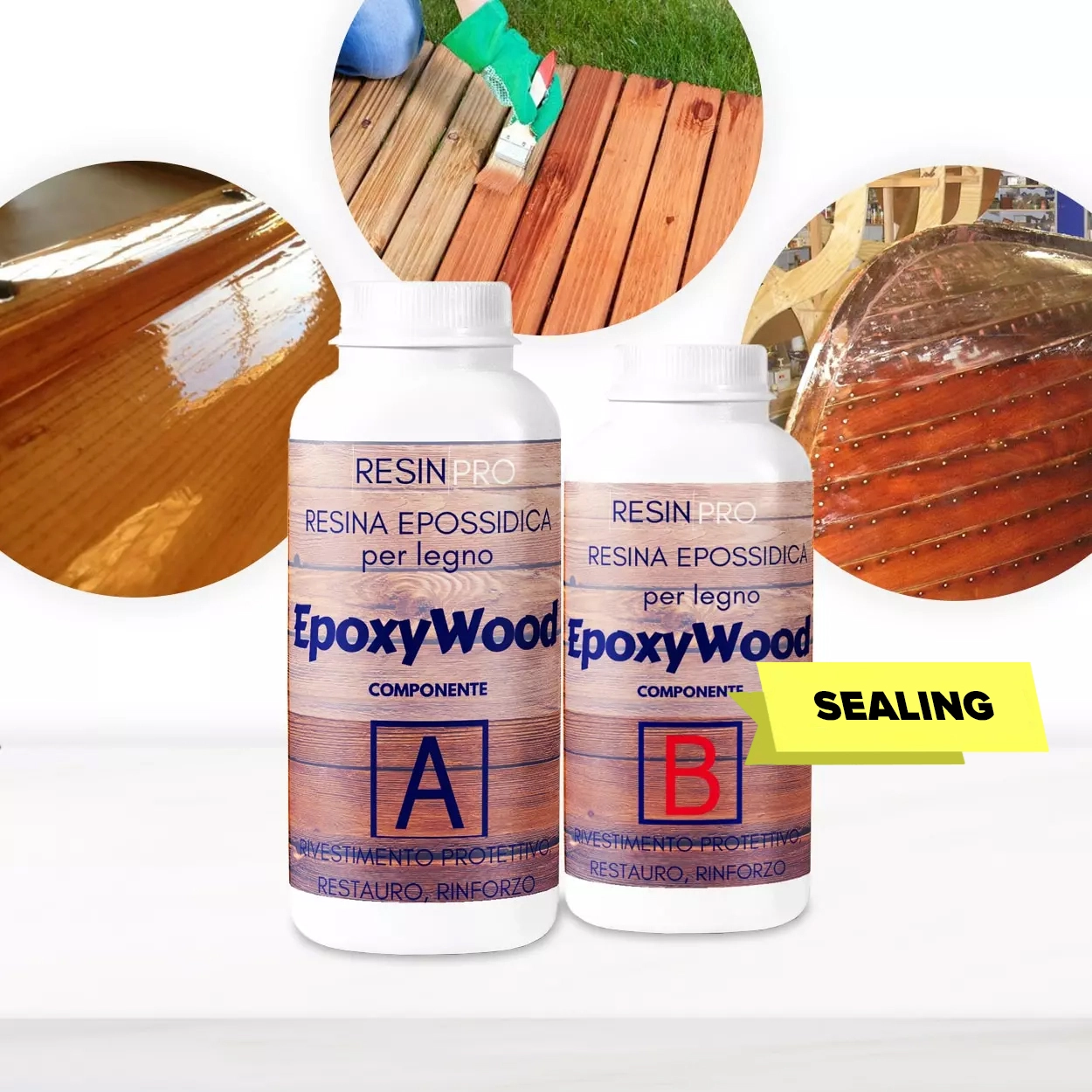
- "EpoxyWood" – Wood Restoration Epoxy Resin for Deep Penetration and WaterproofingPrice range: £27.95 through £41.95EpoxyWood is designed for restoring and waterproofing wooden surfaces with deep penetration and a natural straw-yellow finish.
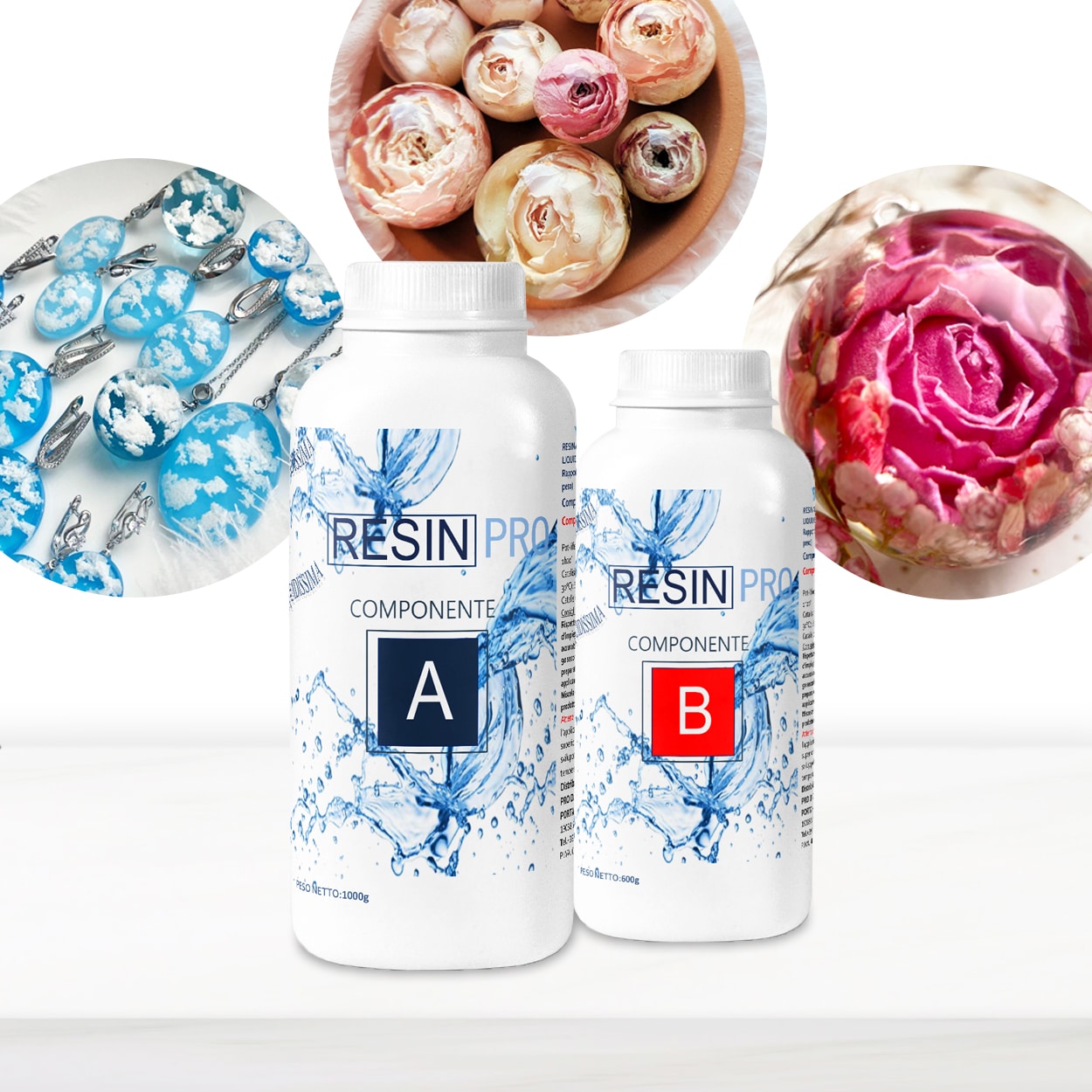
- "Liquidissima" – Epoxy Resin For Creations & JewelleryPrice range: £12.85 through £31.85"Liquidissima" epoxy resin offers transparency and flow suited for detailed creations within the theme of purifying resins restoration.
Frequently Asked Questions
What are the best methods for cleaning purifying resins?
Use a gentle, natural degreaser for oily residues and pure isopropyl alcohol to remove bubbles or streaks, always avoiding abrasive pads.
Is isopropyl alcohol safe for all types of resin?
Most modern epoxies tolerate isopropyl alcohol, but spot-test on a hidden area first to ensure compatibility.
How do I prevent surface scratches during restoration?
Always use lint-free, non-abrasive cloths and apply only gentle pressure to avoid scuffing or hazing the resin surface.
How can I remove air bubbles from cured resin?
Use a light mist of isopropyl alcohol and allow it to evaporate, or carefully sand and re-polish the affected area if needed.
How do I restore the waterproof barrier in resin?
Reapply a specialist epoxy coating on cleaned and sanded surfaces for renewed moisture protection and structural strength.
How often should resin surfaces be cleaned or restored?
Routine dusting and periodic cleaning as needed will maintain their clarity and durability. Restore as soon as flaws appear.