 Free shipping on orders over £29,85
  Shipping Tracking!


 Google
 Facebook
← Back to How do you apply epoxy putty?
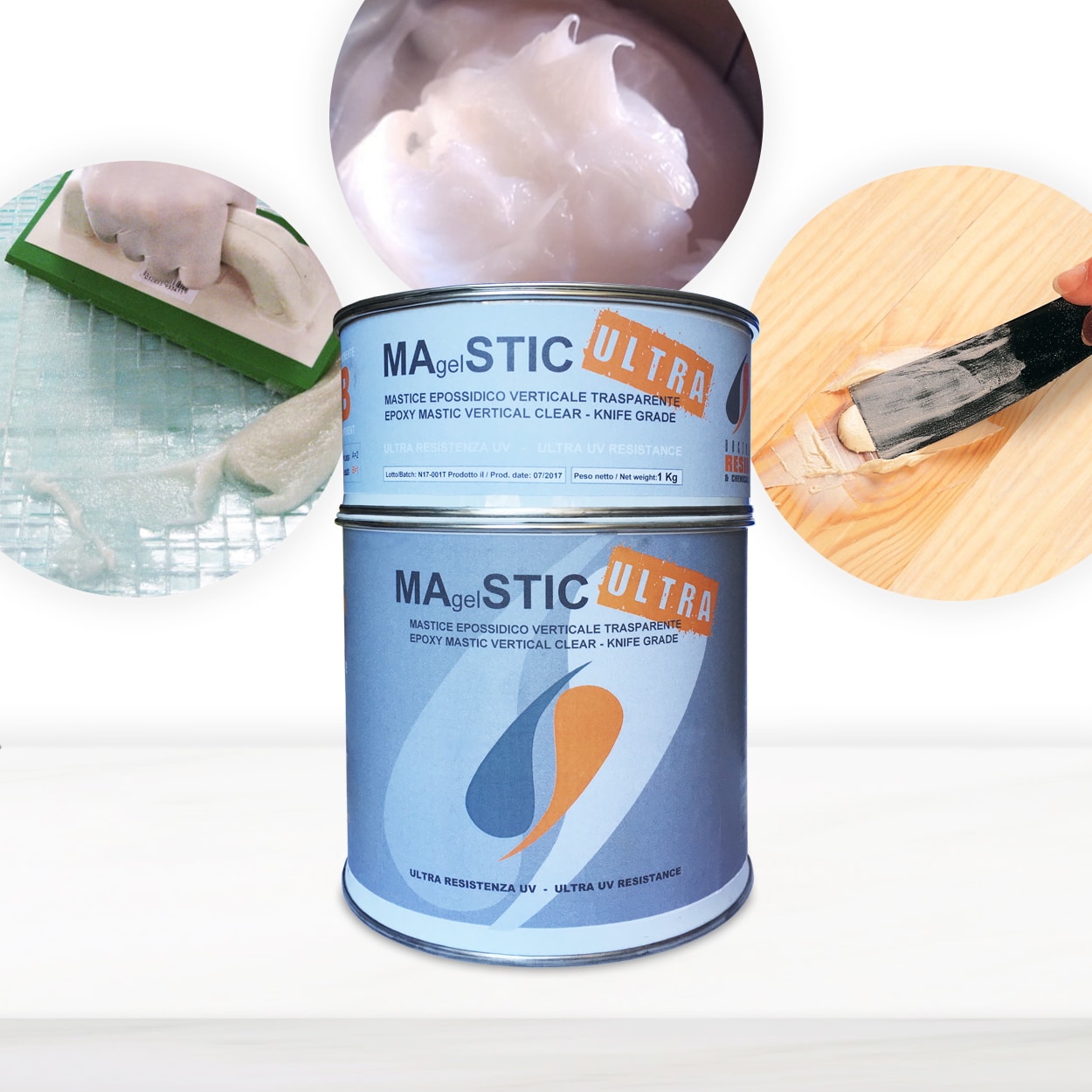
Getting a truly smooth, flawless finish on epoxy putty takes attention to detail from the mixing stage right through application and final finishing. With the correct tools and a bit of method, you can achieve professional-looking surfaces on repairs or new projects.
Preparing and Shaping While Wet
The key to a smooth result starts before the putty cures. After thoroughly mixing the epoxy putty to a consistent colour, apply and work it into place using a spatula or a gloved finger. Aim to create an even surface while the material is still mouldable—this reduces the time spent sanding later. For larger or intricate surfaces, using a notched spatula like the Tooth Shaped Spatula for Epoxy Resin Application can help you spread and smooth the putty evenly, minimising ridges and defects.
Sanding and Finishing After Cure
Allow the epoxy putty to cure fully before any further finishing. Once hardened, use fine-grit sandpaper to blend and smooth the surface. Begin with a coarser grade for any high spots and progress to a finer grit for a polished feel. Tack cloths can help remove sanding dust and ensure a clean surface for painting or sealing.
- Work gently to avoid undercutting the putty join.
- If you need a glass-smooth finish, repeat sanding with progressively finer grits.
When a Smooth Epoxy Putty Finish Matters
A seamless finish isn’t just cosmetic—it’s essential for both indoor and outdoor repairs where moisture or dirt ingress could occur. This is particularly important for visible stonework, decorative repairs, or where the join will be painted or exposed to weather.
Related products
Related guides
Mastering the finish on epoxy putty not only improves your project’s appearance but also enhances durability. For demanding bonding or grouting jobs on stone, metal, or cement, Magelstick Epoxy Mastic is formulated to help you achieve a superior result—learn more in our main guide on how to apply epoxy putty.