 Free shipping on orders over £29,85
  Shipping Tracking!


 Google
 Facebook
← Back to How do you apply resin to a surface with holes?
Resin can easily seep through holes or gaps in a surface during application, leading to wastage and an uneven finish. However, with a few simple steps, you can achieve a tidy and effective fill, no matter the material.
How to Seal Holes Before Pouring Resin
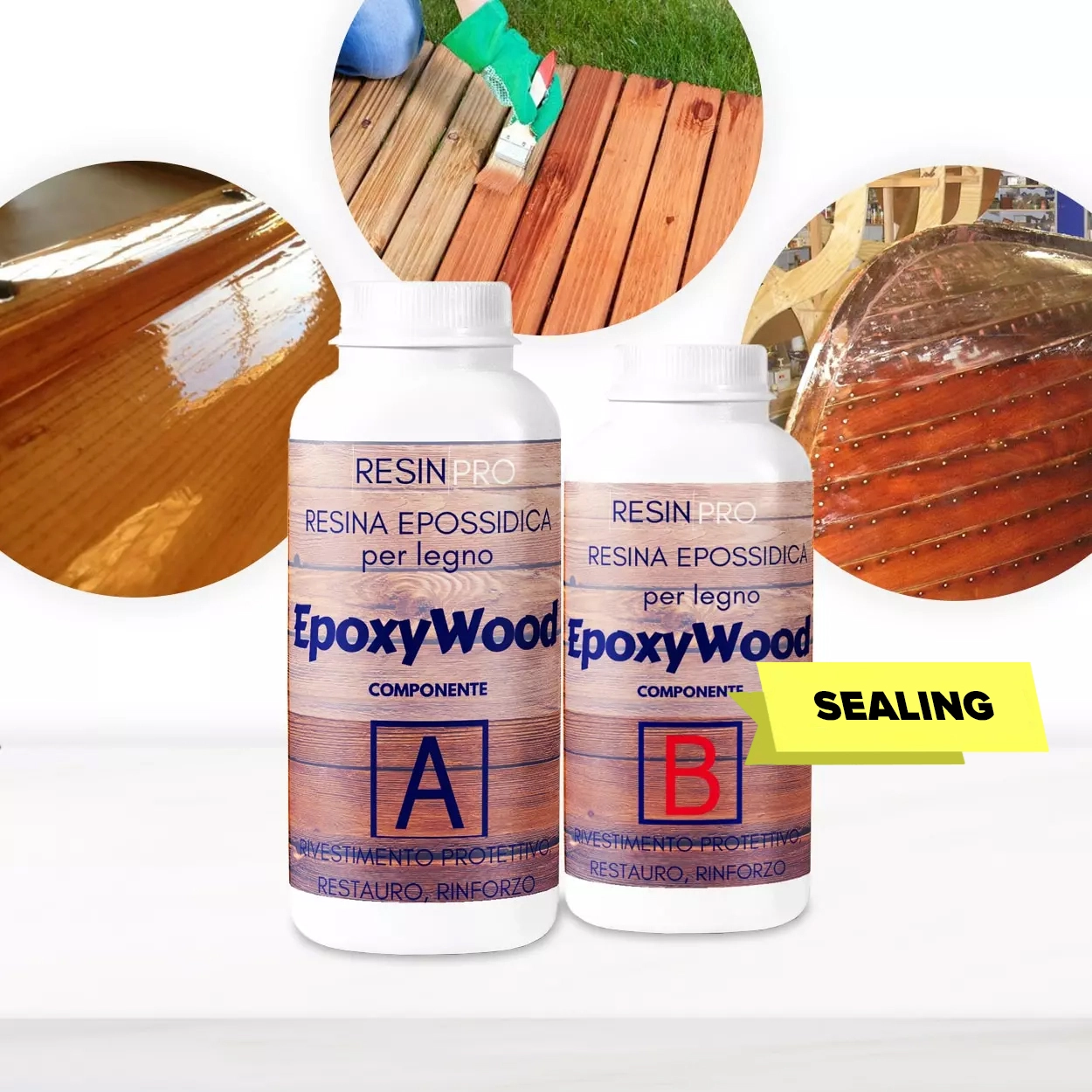
Begin by placing masking tape, adhesive film, or a non-stick backing beneath each hole. This acts as a temporary barrier, supporting the resin until it fully cures. Always ensure that the surface is clean and dry first, as this helps the tape adhere and prevents leaks. For best results on wooden projects, consider using a purpose-designed resin such as EpoxyWood, which is formulated for deep penetration and reliable sealing.
Choosing the Right Products for Different Surfaces
The type of resin and the underlying material can affect the outcome. For wood surfaces or restoration work, an epoxy like “EpoxyWood” penetrates and reinforces even porous areas. On concrete or stone, sealants such as “Resinstone” ensure capillary penetration and durable protection. When holes are part of a rigid surface needing repair or reinforcement, a fibreglass resin repair kit can reinforce the area from underneath and bond securely.
- Use low-viscosity epoxy for wood and fibreglass for reliable waterproofing.
- Opt for a methacrylic resin or concrete-specific solution for floors or driveways.
- Always allow the resin to cure fully before removing any backing material.
When This Matters Most
Preventing resin leakage is crucial when filling visible holes, repairing structural damage, or aiming for a professional finish. Whether restoring furniture, patching a driveway, or repairing a boat, proper sealing avoids unsightly drips and maximises material efficiency.
Related products
Related guides
Effectively stopping resin from leaking through holes ensures a smooth, lasting repair or finish. For more guidance on working with surfaces featuring holes, see our main guide on how to apply resin to surfaces with holes.