 Free shipping on orders over £29,85
  Shipping Tracking!


 Google
 Facebook
How to store epoxy resins A and B?
Proper storage of epoxy resins A and B is crucial for both safety and achieving consistently high-quality results with your resin projects. This guide provides essential advice on keeping your resins fresh, free from contamination, and ready for use at any time—whether you are a hobbyist, professional maker, or artist working with epoxy systems.
Preserve unused resin safely and ensure top shelf life

What You’ll Need
- “Epoxytable 10-Ten” – Deep Pour Epoxy Resin for Tables, Up to 10cm Casting
- “EpoxyTable 5-Five” – Deep Pour Epoxy Resin for Tables and Large Projects – Up to 5cm
- “Art Pro” – Clear Epoxy Resin for Artists and Surface Coating
- “Trasparente” – Multipurpose Clear Epoxy Resin for Casting – Up to 2cm
- Original airtight containers with undamaged seals
- Permanent marker for labelling
- Shelf or storage cabinet away from direct sunlight
- Clean disposable gloves

Safe Storage in Action
Correct storage is the foundation of reliable resin work: keeping your products properly sealed and in a controlled environment guards against waste, safety hazards, and disappointing project outcomes. Tidy, well-organised storage also helps you track inventory and makes it easy to choose the right resin for your next artwork, repair or casting project.

Step 1: Store in a Cool, Dry Environment
Store in a cool, dry environment to maintain the stability and performance of epoxy resins. Avoid areas exposed to direct sunlight, heaters, or open windows. Sudden temperature changes or excessive humidity can lead to condensation inside containers, which may compromise resin quality. Aim for a consistent temperature—generally between 15°C and 25°C—and avoid freezing conditions as these can cause crystallisation, especially in component A (the resin).
Step 2: Seal Containers Immediately After Use
When dispensing epoxy resins A and B, always reseal the containers tightly right after use. Seal containers immediately after use to prevent moisture, dust, or airborne contaminants from entering, which can lead to curing failures or cloudy results in future mixes. Inspect the container rims for spills or residue before closing; wiping these clean ensures an airtight seal and maximises shelf life for products like “Art Pro” – Clear Epoxy Resin for Artists and Surface Coating.
Step 3: Avoid Temperature Fluctuations and Sunlight
Avoid temperature fluctuations and sunlight by storing epoxy resins on an interior shelf or in a cabinet away from radiators and exterior walls. Direct sunlight or regular thermal swings can speed up yellowing and degrade both the hardener (component B) and the resin. Products such as “Trasparente” – Multipurpose Clear Epoxy Resin for Casting – Up to 2cm include UV protection, but safe storage further preserves clarity and performance.

Step 4: Keep Components Separate
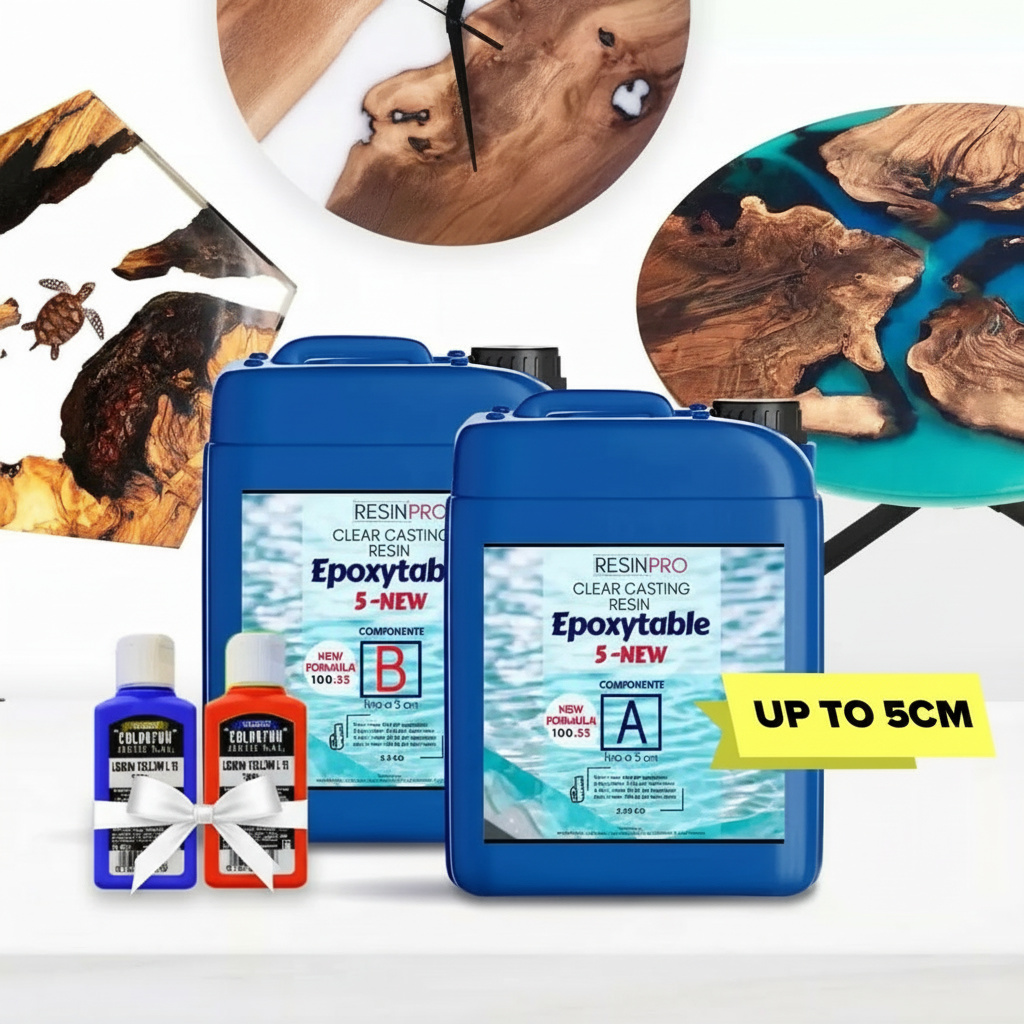
Epoxy resin systems use two parts (A and B) that must never mix until you are ready to work. Keep components separate by ensuring dedicated measuring and mixing tools for each part, and store them upright, in their original, clearly labelled containers. If using multiple types or brands, group them so the correct parts are never confused. This helps you maintain best performance in specialist products like “EpoxyTable 5-Five” – Deep Pour Epoxy Resin for Tables and Large Projects – Up to 5cm.
Step 5: Monitor Shelf Life and Expiry
Monitor shelf life and expiry by noting each batch’s date of opening or purchase with a permanent marker on the container. Check manufacturer recommendations for the typical shelf life—usually on the label. While most epoxies, such as “Epoxytable 10-Ten” – Deep Pour Epoxy Resin for Tables, Up to 10cm Casting, can last many months when stored well, always inspect each component for cloudiness, crystallisation or separation before use. Dispose of outdated or compromised material responsibly and never mix old and new batches.
Tips and Common Mistakes for Storing Epoxy Resins
Keep out of reach of children and animals, and never transfer resins to unlabelled or food storage containers. Never try to thin an epoxy by adding solvents to extend shelf life—that may cause failure on your next project. Always wear gloves when handling containers to prevent skin contact and residue build-up on lids. If formed, crystals in part A can sometimes be redissolved by gently warming the container in a water bath—never use direct heat. Prevent cross-contamination by using only dry, clean scoops for dispensing, and avoid returning unused resin or hardener to the original container.
Long-Term Value from Smart Storage
Good storage extends the lifespan of every epoxy resin on your shelf. By following professional storage habits—like labelling dates and keeping products out of sunlight—you ensure that premium resins maintain their clarity, curing ability and strength for every creative or practical job in the future.

- “Epoxytable 10-Ten” – Deep Pour Epoxy Resin for Tables, Up to 10cm CastingPrice range: £33.85 through £334.85“Epoxytable 10-Ten” is suited for deep pours up to 10cm, designed for table and artistic projects under the theme 'How to store epoxy resins A and…
- "EpoxyTable 5-Five" – Deep Pour Epoxy Resin for Tables and Large Projects – Up to 5cmPrice range: £16.85 through £1,099.85"EpoxyTable 5-Five" is suitable for deep pour applications up to 5cm, offering UV resistance and a bubble-free finish.
 "Art Pro" – Clear Epoxy Resin for Artists and Surface CoatingPrice range: £31.15 through £388.85Art Pro is a clear epoxy resin designed for artists and surface coating, offering exceptional clarity and durability with UV protection.
 "Trasparente" – Multipurpose Clear Epoxy Resin for Casting – Up to 2cmPrice range: £8.45 through £948.85"Trasparente" clear epoxy resin provides a self-levelling, glossy finish suitable for castings up to 2cm for various creative and woodworking…
Frequently Asked Questions
Do epoxy resins A and B expire after opening?
Yes, epoxy resins and hardeners have a limited shelf life, especially once opened. Store tightly sealed and monitor for changes before use.
Should epoxy be kept in the fridge or a cool cupboard?
A cool, dry cupboard is best. Avoid fridges because condensation may form. Temperatures between 15°C and 25°C are ideal.
How can I tell if epoxy is too old?
Old epoxy can show cloudiness, crystallisation, separation, or strong odours. Do a small test mix before using in a project if in doubt.
Is exposure to air harmful for epoxy resin?
Yes, air exposure can introduce moisture, dust or contaminants that harm resin performance. Always reseal containers tightly after use.
Can I store mixed epoxy for later use?
No, once A and B are mixed, curing begins and the material must be used immediately. Unmixed resins can be stored if properly sealed.
Why should epoxy be stored upright?
Upright storage prevents leaks and reduces air contact, helping keep the seal intact and resin components safe from contamination.
Can I thin epoxy for longer storage life?
No, adding solvents or thinning agents can damage the resin's chemical properties and lead to curing failures during future use.
How to restore crystallised epoxy resin?
Place the container in warm (not hot) water and stir gently until crystals dissolve. Ensure the lid is secure to avoid water intrusion.