 Free shipping on orders over £29,85
  Shipping Tracking!


 Google
 Facebook
← Back to At what temperature below zero does resin crystallise?

Cold temperatures in winter can pose challenges for storing resin products. Proper storage is essential to prevent crystallisation and ensure your resin’s quality and performance remain intact.
Choose the Right Storage Conditions
Resins, including polyurethane and epoxy types, are sensitive to low temperatures. Always store your resin in a dry, heated environment. Ideally, the temperature should remain above 8–10°C, as using or keeping resin below this range can negatively affect curing or even cause the resin to crystallise. Basements, garages, or sheds are best avoided unless they’re properly insulated and heated during the colder months.
Practical Tips to Prevent Damage
- Maintain consistent warmth: Use portable heaters or heating mats to keep your workspace and storage area warm—especially overnight.
- Keep away from moisture: Ensure the area is dry, as dampness can also compromise resin quality.
- Seal containers tightly: Make sure lids are secure to reduce air and moisture exposure.
If your resin does become too cold and thickens, let it return to room temperature naturally before use. Warming the containers gently (for example, in a water bath at room temperature) can also help restore the proper consistency.
When This Matters Most
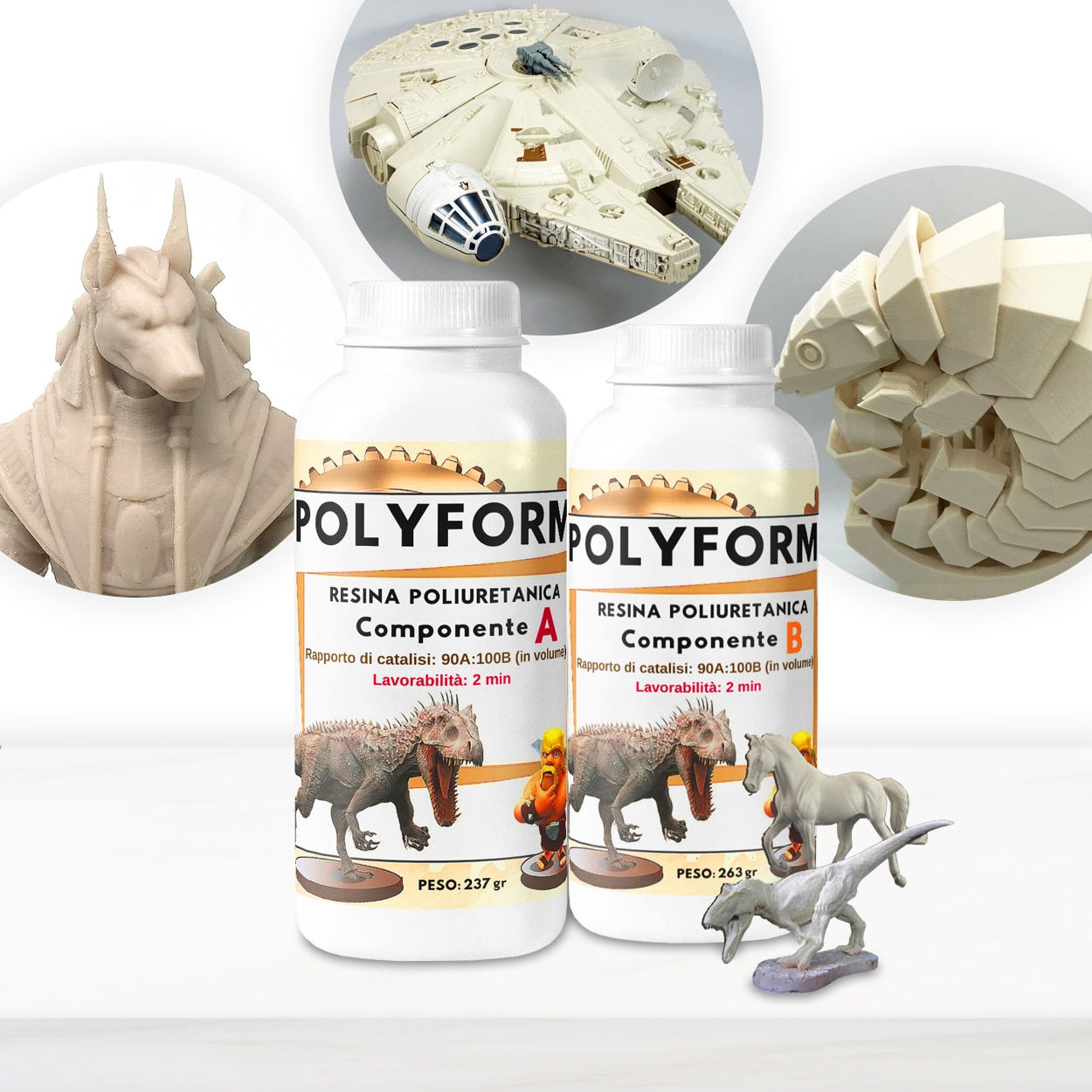
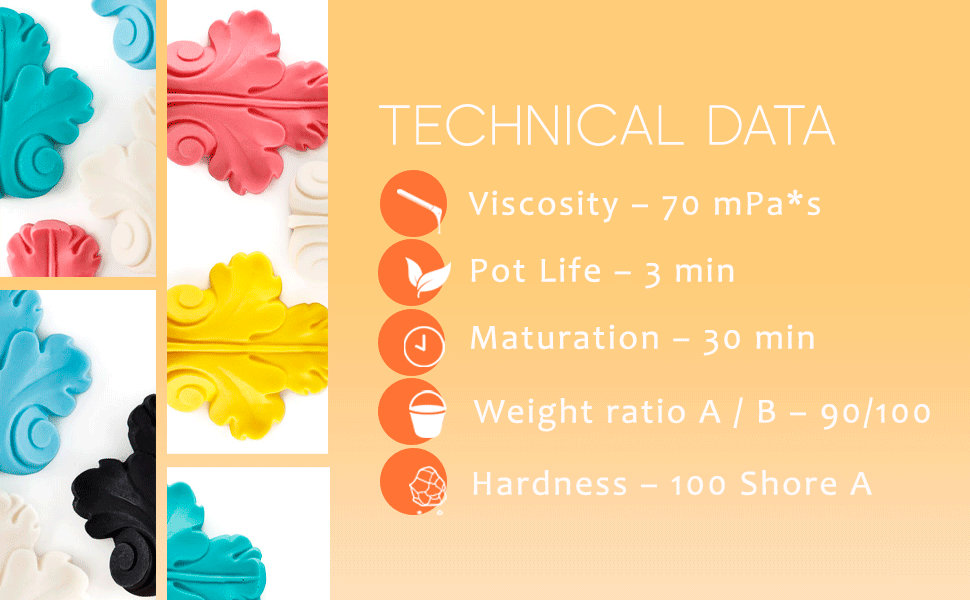
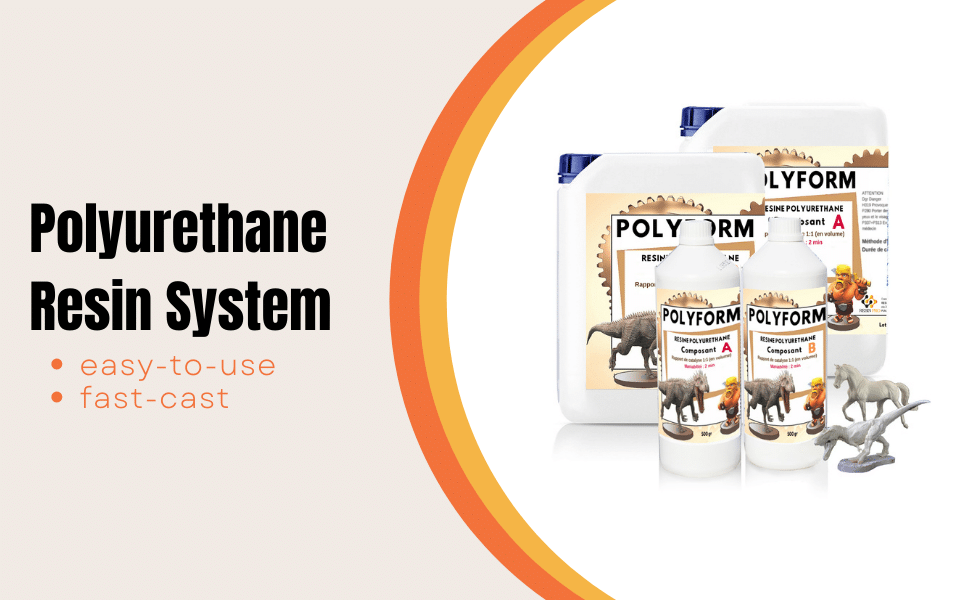
These precautions are vital if you plan on using resins like Polyform polyurethane casting resin during winter. Inadequate storage can result in poor or failed curing, leading to wasted material and time.

Related products
Related guides
By following these simple storage tips, you can safeguard your resin projects throughout winter. For more information on resin behaviour at low temperatures, see our full guide on resin crystallisation and temperature.