 Free shipping on orders over £29,85
  Shipping Tracking!


 Google
 Facebook
How to thicken epoxy resin?
Thickening epoxy resin can dramatically improve your control during intricate resin art projects. Whether you’re seeking to create crisp lines, prevent colour bleed, or add raised decorative details, controlling viscosity is essential for the best results. This guide covers practical techniques for thickening epoxy resin, when and why to adopt them, and key tips to ensure trouble-free, creative outcomes every time.
Master techniques to achieve thicker, more workable resin mixtures

What You’ll Need
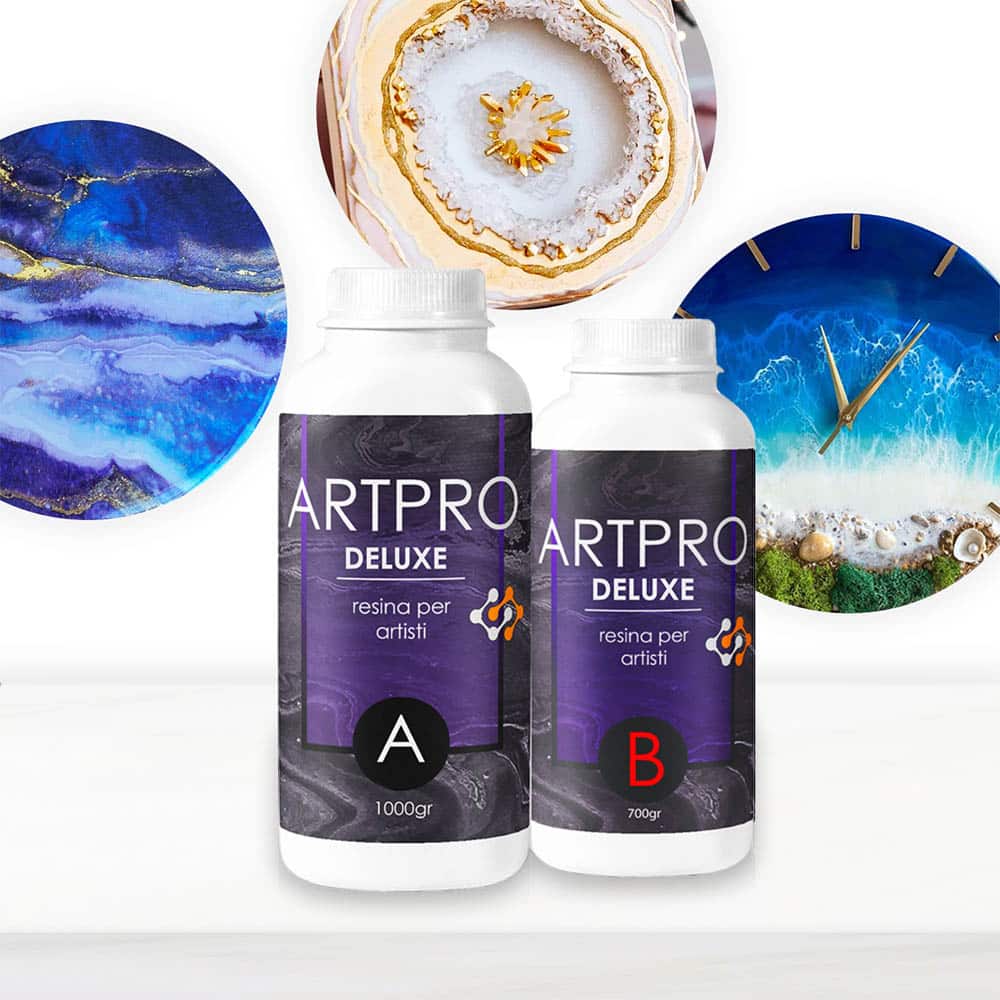
To achieve thicker epoxy resin effects in your art, you’ll need a suitable epoxy system designed for higher viscosity work. A recommended choice is the “Art Pro Deluxe” – Ultra-High Viscosity Epoxy Resin for Artists, offering naturally thick flow and precise application. For artists preferring a medium viscosity that still allows for some manipulation, “Art Pro” – Clear Epoxy Resin for Artists and Surface Coating is another reliable option. Always select resins intended for surface art or coating rather than deep pours.

Viscosity in Epoxy Art: Why Thickness Matters
Thicker epoxy resins allow for sharper lines and detailed effects that are difficult to achieve with standard, runnier resins. This is why many artists choose high or ultra-high viscosity products to enhance their creative control. Selecting the appropriate thickness for your project eliminates colour bleeding and enables innovative, textured finishes.
Step 1: Select the Right Epoxy Resin
The base viscosity of your resin largely determines the final thickness and how much control you’ll have. Many resins designed for casting are quite fluid and not suitable for controlled art techniques. Opt for an epoxy formulated for high or ultra-high viscosity when your goal is to create defined lines, waves, or effects that require little spreading.
Ultra-high viscosity enhances line control—making it far easier to achieve layered, precise artwork like geodes, beach scenes, and textured coasters. Products such as Art Pro Deluxe are engineered for this purpose and are the fastest, most reliable solution if you want thick resin without extra additives or complex preparation.

"Art Pro Deluxe" – Ultra-High Viscosity Epoxy Resin for Artists
An ultra-high viscosity epoxy resin designed for artists seeking controlled resin art with sharp lines and crystal-clear finishes.
Step 2: Prepare Your Workspace and Surfaces
Before mixing your resin, ensure your workspace is level, well-protected from dust, and at the appropriate temperature (typically 20–25°C is ideal). All tools and mixing cups must be clean and dry. Excess moisture can cause cloudiness and bubbles in thickened resins, especially when aiming for glass-clear finishes in art or coatings.
Lay out your materials and test a small batch if you’re working with a new resin or additive to confirm the flow matches your needs.
Step 3: Mix Your Resin Carefully
Follow the manufacturer’s mixing instructions. With products like Art Pro Deluxe, which are already ultra-thick, simply mix according to the recommended weight or volume ratios. For standard or medium viscosity resins, such as Art Pro, mix slowly and thoroughly to maintain clarity and avoid introducing excess air.
Mix slowly to avoid introducing air, especially as thicker resins resist bubbles but can trap air if rushed. Prepare your colourants (such as the Colourfun Set for vibrant colour) in advance and only mix in as required—never add water-based dyes, as these can unpredictably relax the resin viscosity.
"Art Pro Deluxe" – Ultra-High Viscosity Epoxy Resin for Artists
An ultra-high viscosity epoxy resin designed for artists seeking controlled resin art with sharp lines and crystal-clear finishes.

Step 4: Apply with Controlled Techniques
Pour or spread your thickened resin using spatulas, palette knives, or even by piping. Thicker epoxy allows for vertical application offers unique creative effects—such as coating the sides of furniture or creating dimensional artwork. Work in layers if you need dramatic 3D results, allowing each layer to reach its initial cure before adding the next.
Avoid overworking the resin once applied; thick gels stay in place, so corrections and detail work should happen promptly after pouring. For vertically applied coats or dripping effects, an ultra-high viscosity formula like Art Pro Deluxe is preferred to prevent sagging or running.
Tips and Common Mistakes
Choose the right resin for your needs to save time and reduce risk of sticky or uneven cures. If additional thickening is desired, avoid water-based additives and never add powders that aren’t rated for use with epoxy resins—they may compromise clarity and cure.
If you encounter trapped bubbles, a quick pass with a heat gun or blowtorch (used with caution and in short bursts) can help surface them. Take care not to overheat the resin, as this can accelerate curing and limit your working time.
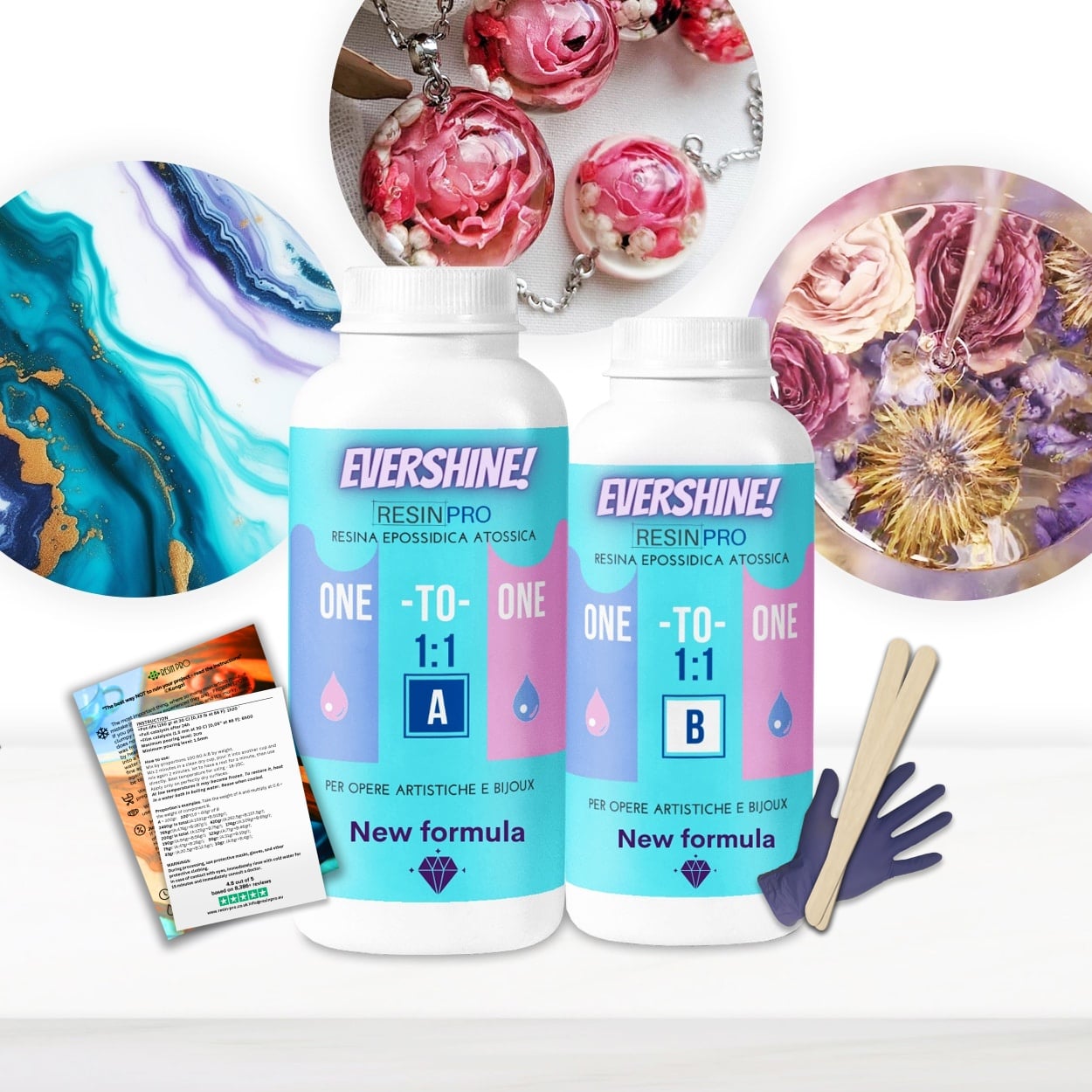
"One-2-One" – Epoxy Resin for Handcraft, 1:1 Mixing Ratio
A medium viscosity, non-toxic epoxy resin mixed 1:1 by volume, suited for handcrafts including jewellery and decorative coatings.
Creative Possibilities with Thickened Epoxy Resin
Experimenting with resin viscosity can open new artistic options. Try layering different thicknesses, using raised applications, or combining vibrant colourants for dramatic impact. Using the correct resin type is essential to produce coveted effects like defined waves, geode bands, or bold accents.

- "Art Pro Deluxe" – Ultra-High Viscosity Epoxy Resin for ArtistsPrice range: £33.85 through £287.85Art Pro Deluxe is an ultra-high viscosity epoxy resin suited for artists requiring precise control and clear, glossy finish layers.
- "One-2-One" – Epoxy Resin for Handcraft, 1:1 Mixing RatioPrice range: £14.85 through £56.85"One-2-One" epoxy resin has a medium viscosity and easy 1:1 mixing ratio, suitable for craft projects like jewellery and coatings.
 "Art Pro" – Clear Epoxy Resin for Artists and Surface CoatingPrice range: £31.15 through £388.85Art Pro epoxy resin offers clarity and durability suitable for artists and crafters needing glass-like, high-gloss finishes in the theme about…
 "Colourfun Set" – Liquid Epoxy Resin Colourant Set for Solid Colour EffectsPrice range: £13.45 through £48.15The Colourfun Set provides intense, translucent pastes designed to blend easily with epoxy resin for a range of colour effects.
Frequently Asked Questions
Can I use powders or non-resin thickeners to bulk up epoxy?
It is not recommended to use ordinary powders or non-resin additives, as they can cause cloudiness, poor cure, or unwanted texture. Opt for an epoxy specifically formulated for ultra-high viscosity rather than modifying standard systems.
What’s the difference between high and ultra-high viscosity resin?
High viscosity resins maintain some flow and self-levelling, ideal for medium-thick layers and most surface art. Ultra-high viscosity formulations, like Art Pro Deluxe, remain nearly stationary after application for sharp lines and vertical work.
Will thick resin trap more bubbles than thin types?
Thicker resins can trap bubbles if not mixed properly. Mixing thoroughly and slowly, and finishing with a quick heat treatment, minimises bubbles in the final piece.
Can I make a clear thick coating over wood or furniture?
Yes, thicker epoxy resins are suitable for clear coatings, especially over uneven or vertical surfaces. Always check compatibility with your substrate and apply multiple thin layers for best results.
Does temperature affect how thick my resin is?
Yes, lower temperatures make resin even thicker and harder to work with, while warmth lowers viscosity. Work at recommended temperatures (20–25°C) to maintain predictable results.
Should I add pigments before or after thickening?
Always add pigments or colourants while mixing your main resin batch. Using paste-based colourants like the Colourfun Set maintains resin thickness, whereas liquid dyes could unexpectedly thin the mixture.