 Free shipping on orders over £29,85
  Shipping Tracking!


 Google
 Facebook
How to treat a parquet floor with resin?
A step-by-step guide for beautiful, durable wooden floors
Giving your parquet floor a resin finish improves its durability, waterproofs the wood, and enhances the natural beauty of your flooring. This guide explains everything you need to know to safely and confidently treat your parquet floor, from surface preparation to the final coat, so you end up with a stunning, long-lasting result.
What You’ll Need
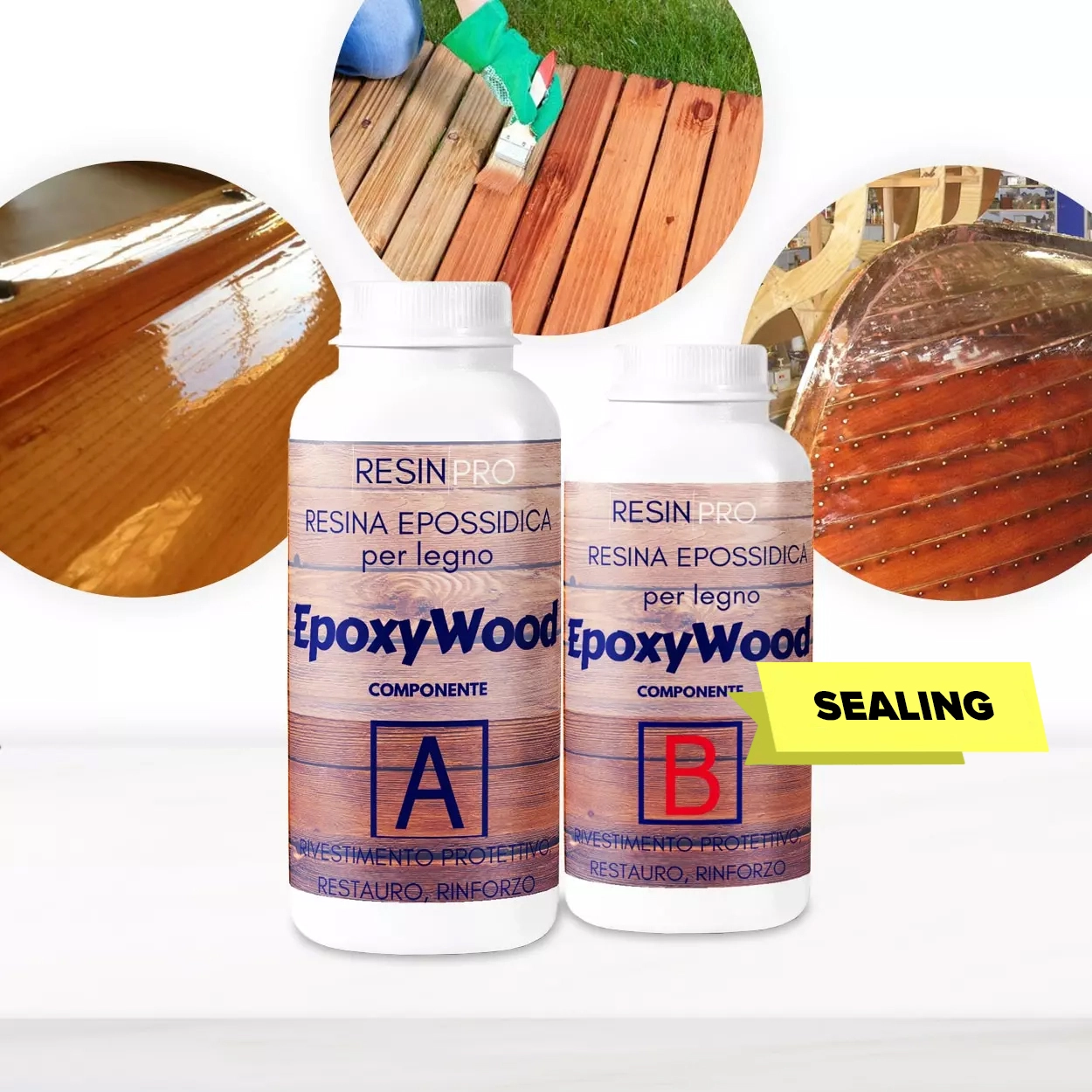
- “EpoxyWood” – Wood Restoration Epoxy Resin for Deep Penetration and Waterproofing: For strengthening and waterproofing damaged or porous timber.
- “Epoxyprimer” – Universal Water-Based Two-Component Epoxy Floor Primer: For optimal adhesion between the parquet and finishing layer.
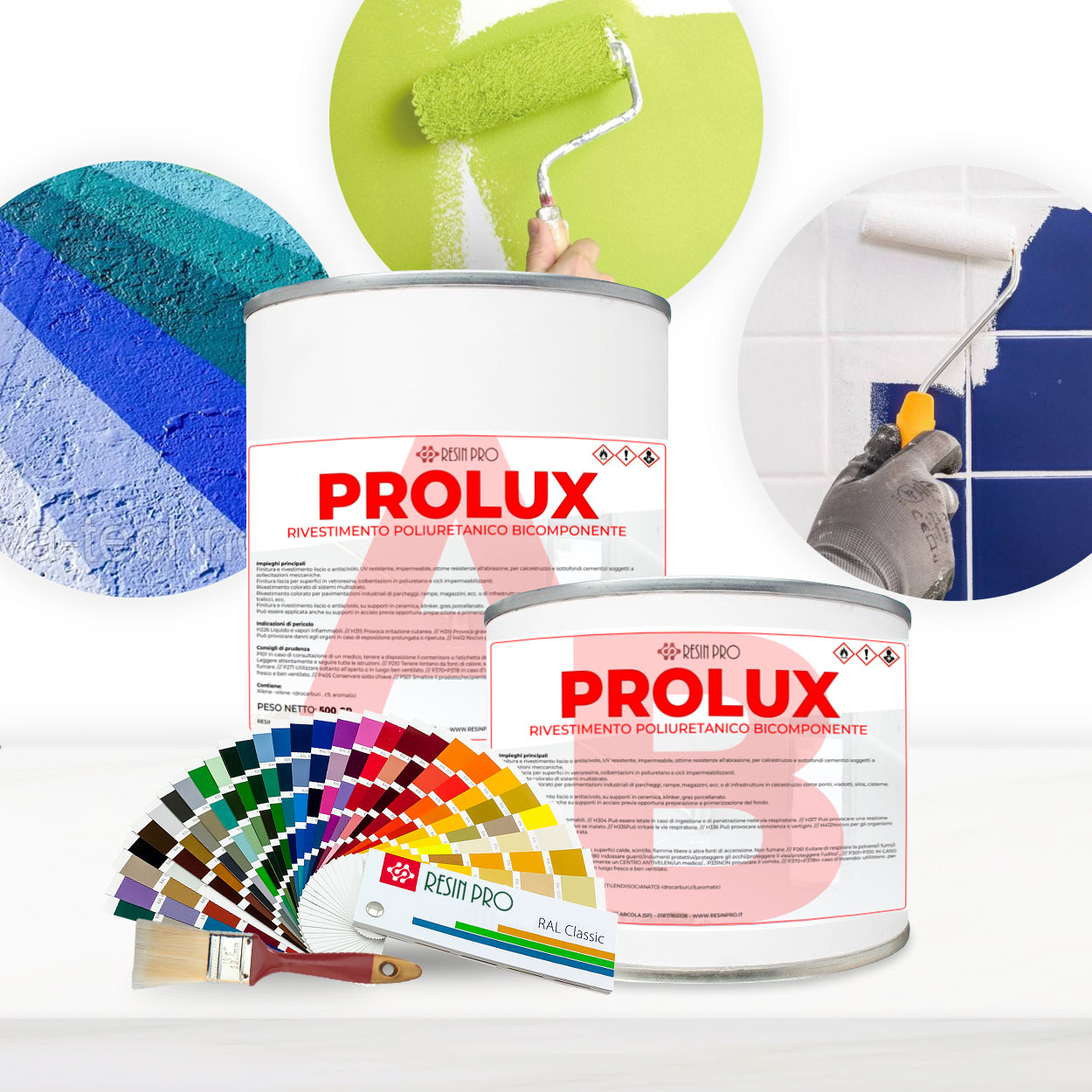
- “Prolux” – PU coating for tiles, concrete, plastic and metal – suitable for driveable surfaces: For a protective, durable topcoat, particularly if high-traffic or moisture is expected.
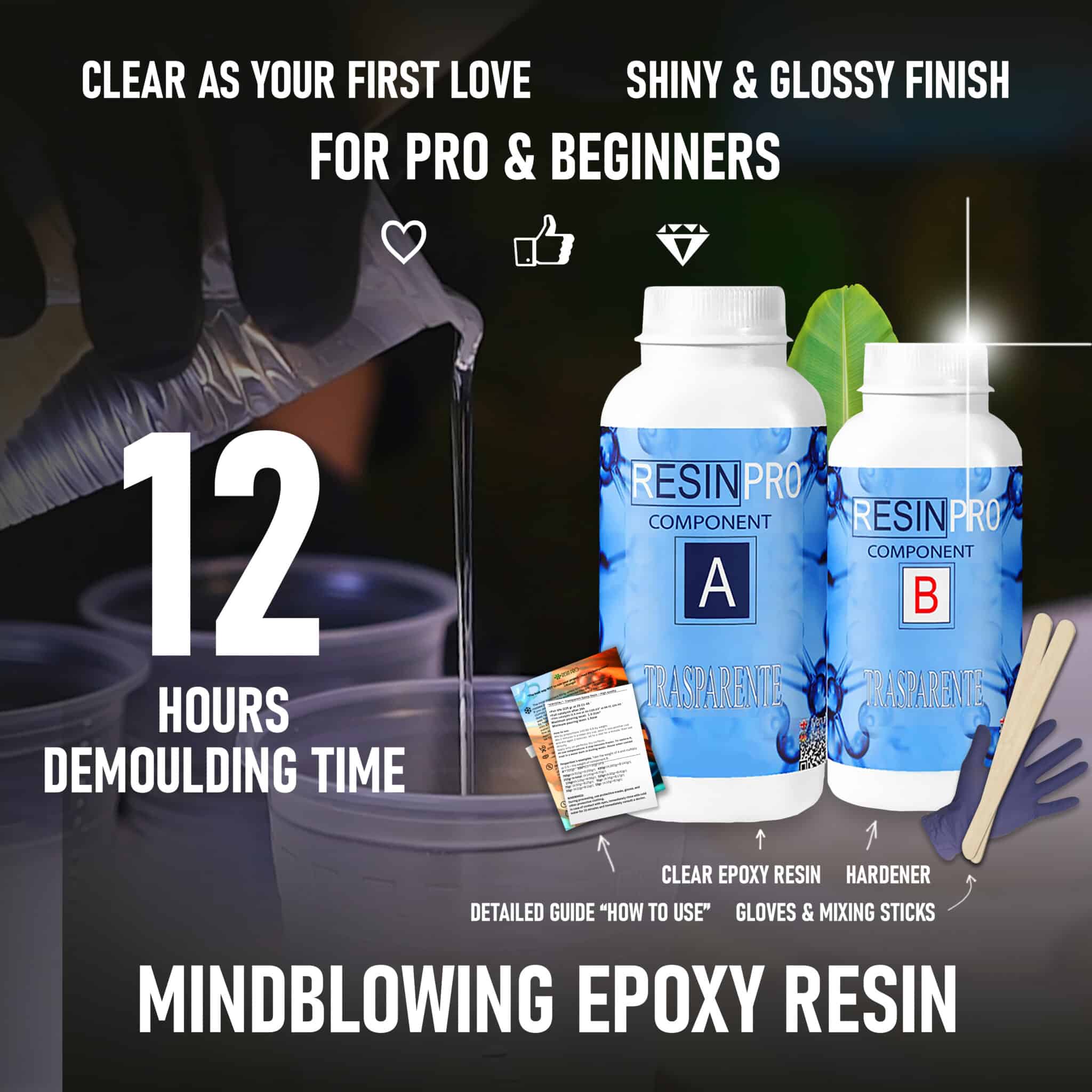
- “Trasparente” – Multipurpose Clear Epoxy Resin for Casting – Up to 2cm: For a crystal-clear, glossy finish with robust scratch resistance.
- Sandpaper (various grits), mop or vacuum, clean rags, protective gloves, and a mask.
- Quality rollers, brushes, and mixing tools as recommended for your chosen products.
Essential Tools for Resin Floor Treatment
Prepare all equipment in advance, including appropriate sandpaper grits, mixing tools, and rollers or brushes to ensure smooth progress from preparation through to finish. Clear your workspace of dust and debris before opening any resin products for the best possible adhesion and surface quality.

Step 1: Assess and Prepare the Floor Surface
Begin by closely inspecting the entire parquet floor. If there are any damaged, loose, or uneven boards, repair or replace them as needed. Sand the surface using progressively finer sandpaper to create a smooth, even base for resin application. Vacuum, mop, or wipe away all dust and debris, making sure the wood is clean and thoroughly dry before proceeding. Pay close attention to gaps or cracks—these must be filled with wood filler and sanded flush if present. Failure to properly prepare the substrate can lead to poor adhesion or an uneven finish.
Step 2: Strengthen and Seal the Wood (Optional)
If your parquet floor is old, porous, or has been previously damaged, consider strengthening it before priming. This can significantly extend the life of the floor and improve moisture resistance. At this stage, you may use “EpoxyWood” – Wood Restoration Epoxy Resin for Deep Penetration and Waterproofing, applying it sparingly with a brush and allowing it to penetrate the wood for enhanced reinforcement and waterproofing. Let it cure fully and sand lightly for a perfect base. Skip this step if your floor is in robust condition.
Step 3: Prime the Parquet
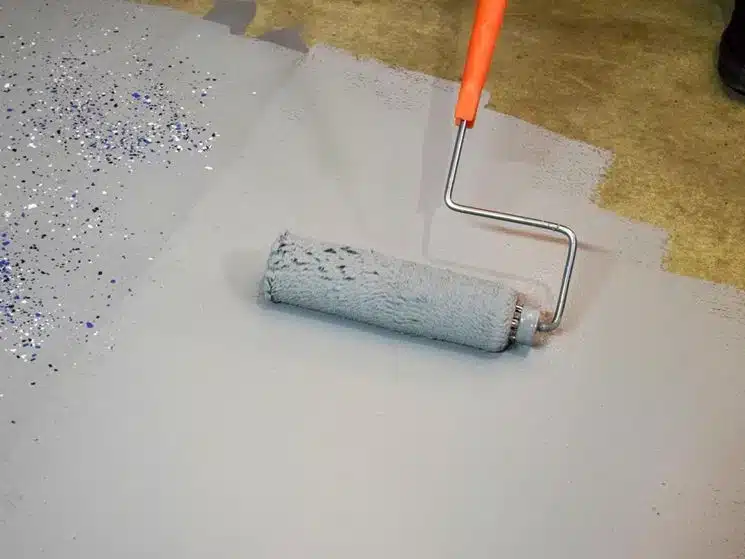
Priming ensures maximum adhesion between the timber and your final resin layer. Select a compatible, water-based epoxy primer. Use a roller or brush to apply an even coat, following the manufacturer’s instructions regarding mixing ratios and coverage rate. Avoid pooling or leaving any areas untreated. Allow the primer to cure for the time recommended—typically 24 to 48 hours. Using “Epoxyprimer” – Universal Water-Based Two-Component Epoxy Floor Primer at this stage ensures compatibility with both wood and finishing resin, supporting a stable, long-lasting result.

Step 4: Apply the Resin Finish
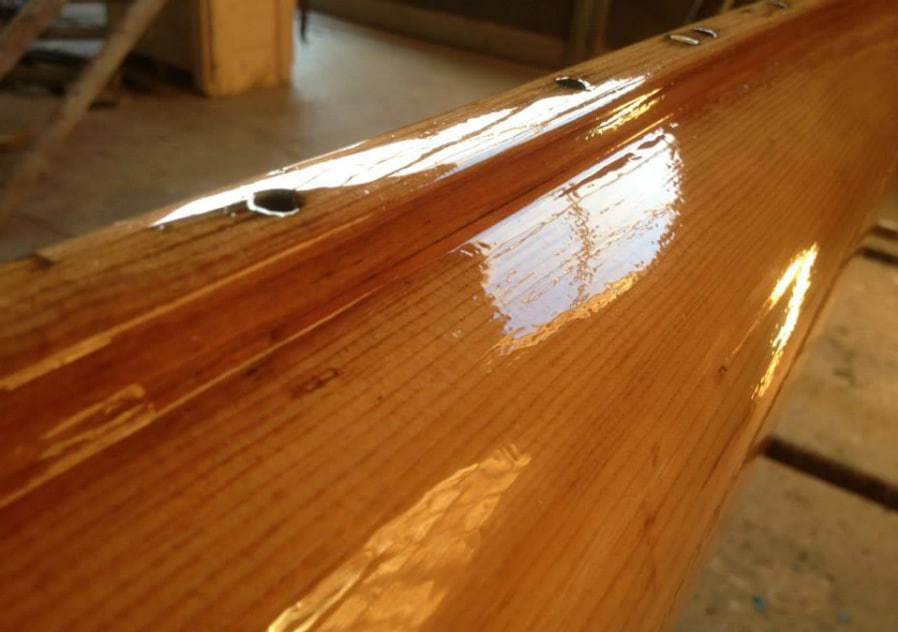
After the primer has cured, apply your chosen resin to achieve the desired appearance and level of protection. For a crystal-clear, glossy finish showcasing the wood grain, opt for “Trasparente” – Multipurpose Clear Epoxy Resin for Casting – Up to 2cm. Prepare the two components as directed, pour or spread the resin evenly across the surface, and work it into corners with a brush if needed. Aim for a thin, consistent coat, avoiding excessive build-up. If a tougher, more abrasion-resistant layer is needed, especially in busy or damp environments, apply “Prolux” – PU coating for tiles, concrete, plastic and metal – suitable for driveable surfaces according to instructions for a durable, protective top layer.
Allow the resin coating to cure undisturbed for the recommended period—this is vital for strength, clarity, and adhesion.
Tips for Best Results and Troubleshooting
- Use suitable personal protective equipment such as gloves and a mask to avoid contact with resins and dust.
- Maintain a stable, dust-free environment while applying and curing resin to avoid imperfections.
- Test the chosen resin on a small, inconspicuous area first to check compatibility and finish.
- Avoid applying thick coatings in a single layer—multiple thin layers reduce the risk of bubbles and imperfect curing.
- If problems develop—such as uneven curing, tackiness, or bubbles—consult the product’s guidelines and technical support.
Finishing Touches and Aftercare
After full curing, gently clean your treated floor with a soft, damp mop and mild detergent. Avoid harsh chemicals and abrasive pads to protect the resin finish for years to come.
- "EpoxyWood" – Wood Restoration Epoxy Resin for Deep Penetration and WaterproofingPrice range: £27.95 through £41.95EpoxyWood is a wood restoration epoxy resin designed for deep penetration and waterproofing of wooden surfaces.
- "Epoxyprimer" – Universal Water-Based Two-Component Epoxy Floor PrimerPrice range: £156.45 through £286.45"Epoxyprimer" is a water-based two-component epoxy floor primer designed for reliable adhesion on various substrates.
- "Prolux" – PU coating for tiles, concrete, plastic and metal – suitable for driveable surfacesPrice range: £44.85 through £494.85"Prolux" provides a durable polyurethane finish suitable for various surfaces including floors and tiles.
 "Trasparente" – Multipurpose Clear Epoxy Resin for Casting – Up to 2cmPrice range: £8.95 through £397.95"Trasparente" is a clear epoxy resin suitable for gloss finishes up to 2cm thick, designed for detailed casting and woodworking projects.
Frequently Asked Questions
Does parquet need to be sanded before the resin is applied?
Yes, proper sanding is crucial to maximise adhesion and ensure a smooth final finish.
Which resin is the best for reinforcing old or weak parquet floors?
A penetrating resin like EpoxyWood strengthens and waterproofs compromised timber effectively.
Is it necessary to prime the parquet floor before applying resin?
Priming is highly recommended, as it ensures better resin adhesion and prolongs performance.
How many resin coats should be applied on a parquet floor?
One to two thin resin layers is usually sufficient, but always follow the product’s instructions.
Can I apply resin on parquet floors with underfloor heating?
Yes, but ensure all products used are heat-compatible and fully cured before switching on heating.
How long must the floor cure before it can be walked on?
Curing usually takes 24-72 hours, depending on product and conditions; check manufacturer guidelines.
What is the best approach for a high-gloss, clear finish on parquet?
Use a clear casting resin like Trasparente and apply in thin, even coats for a mirror-like gloss.
What is the best way to clean and care for a resin-treated parquet floor?
Use mild detergents and a damp mop, avoiding abrasive cleaners to protect the resin surface.