 Free shipping on orders over £29,85
  Shipping Tracking!


 Google
 Facebook
How to use epoxy resin on wood?
Step-by-step instructions for flawless wood epoxy projects.
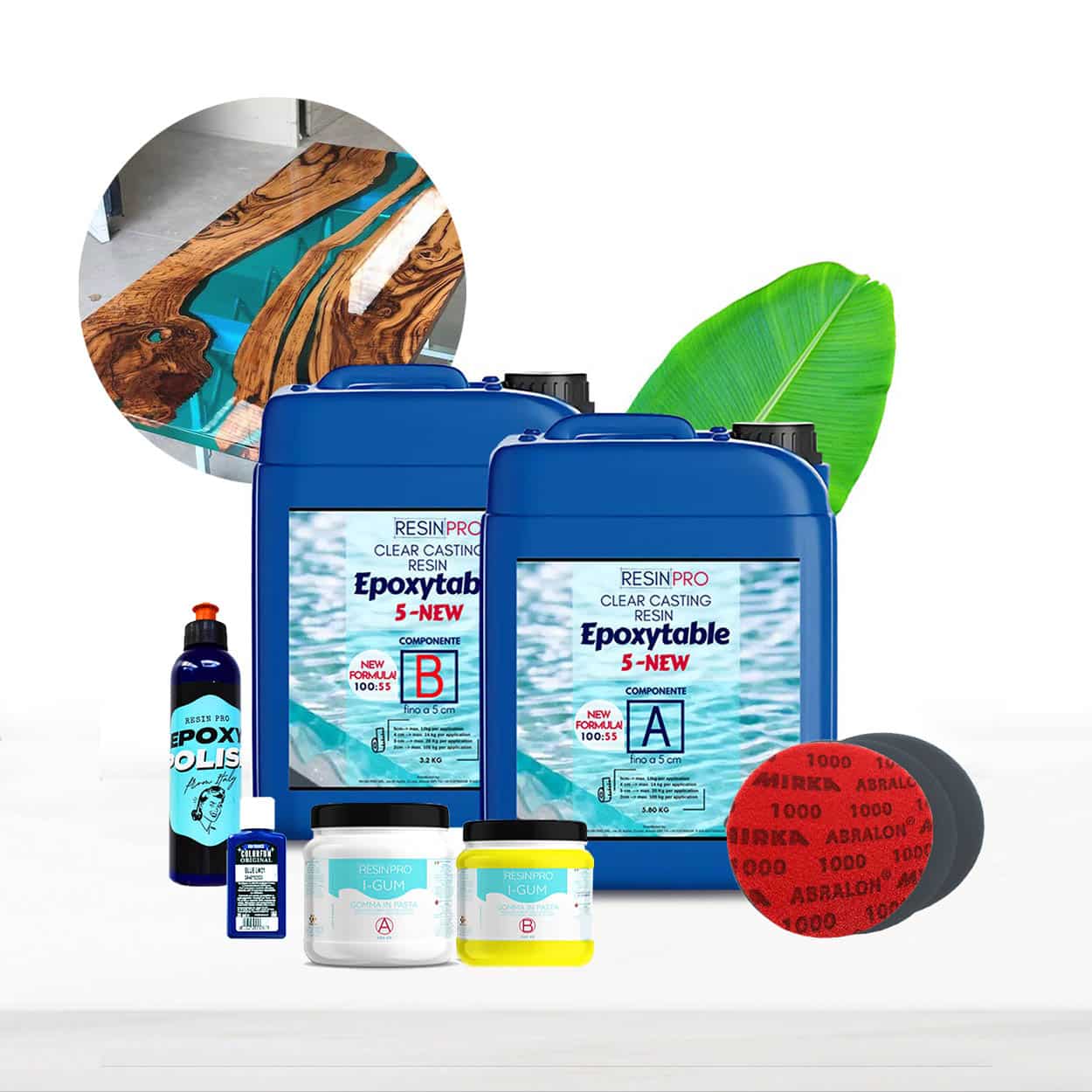
Whether you’re aiming to restore wooden furniture, create stunning resin-infused tabletops, or simply want to protect your wood surfaces, mastering the use of epoxy resin on wood opens up endless possibilities for DIY enthusiasts and professionals alike. This guide will walk you through the essential techniques for preparing, applying, and finishing epoxy resin on wood safely and effectively.

What You’ll Need
- “EpoxyWood” – Wood Restoration Epoxy Resin for Deep Penetration and Waterproofing – Ideal for reinforcing or waterproofing timber and repairing wooden surfaces.
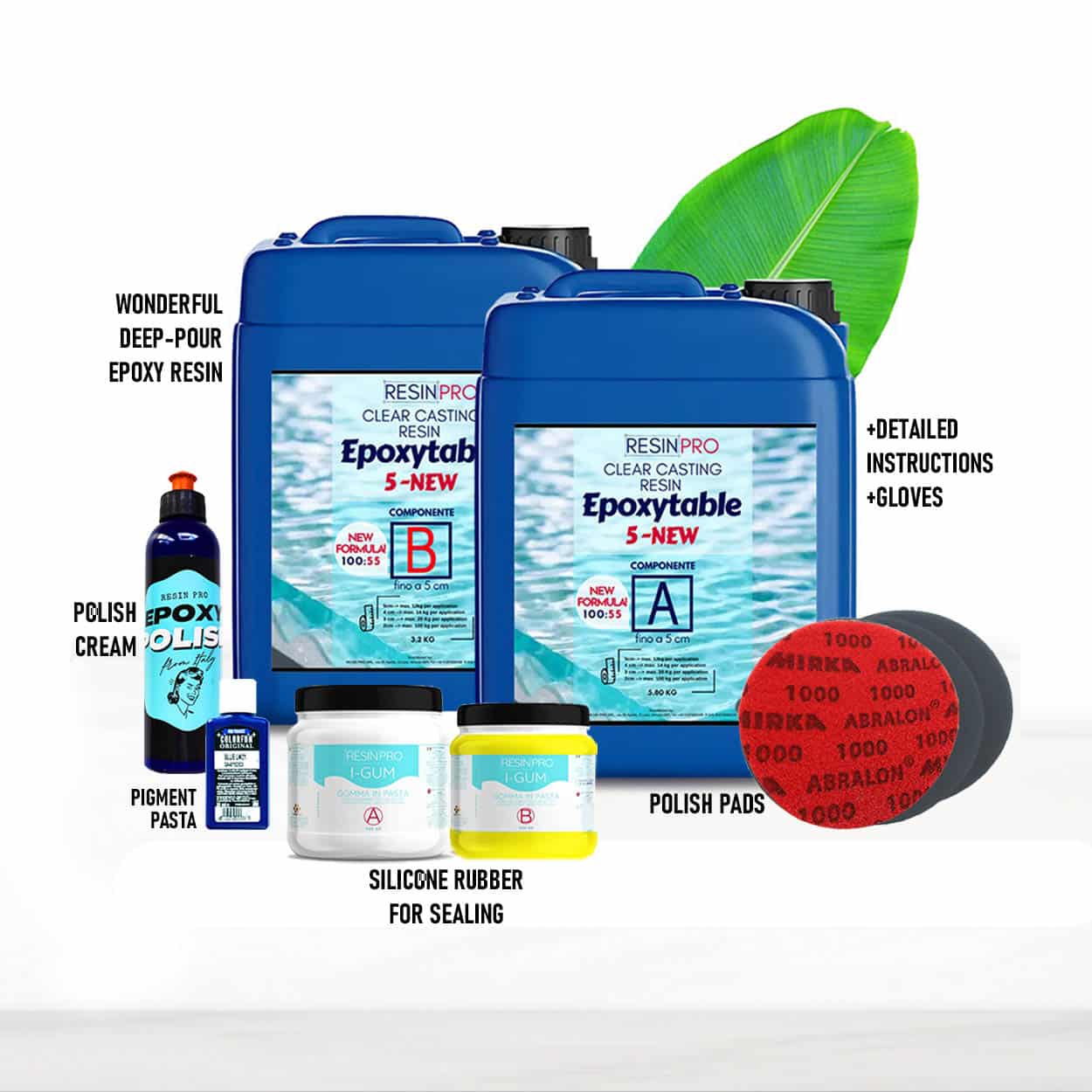
- “River-Table” – Complete Kit for Creating Your First Epoxy Resin Table – Contains all basic materials required for a resin and wood table project.
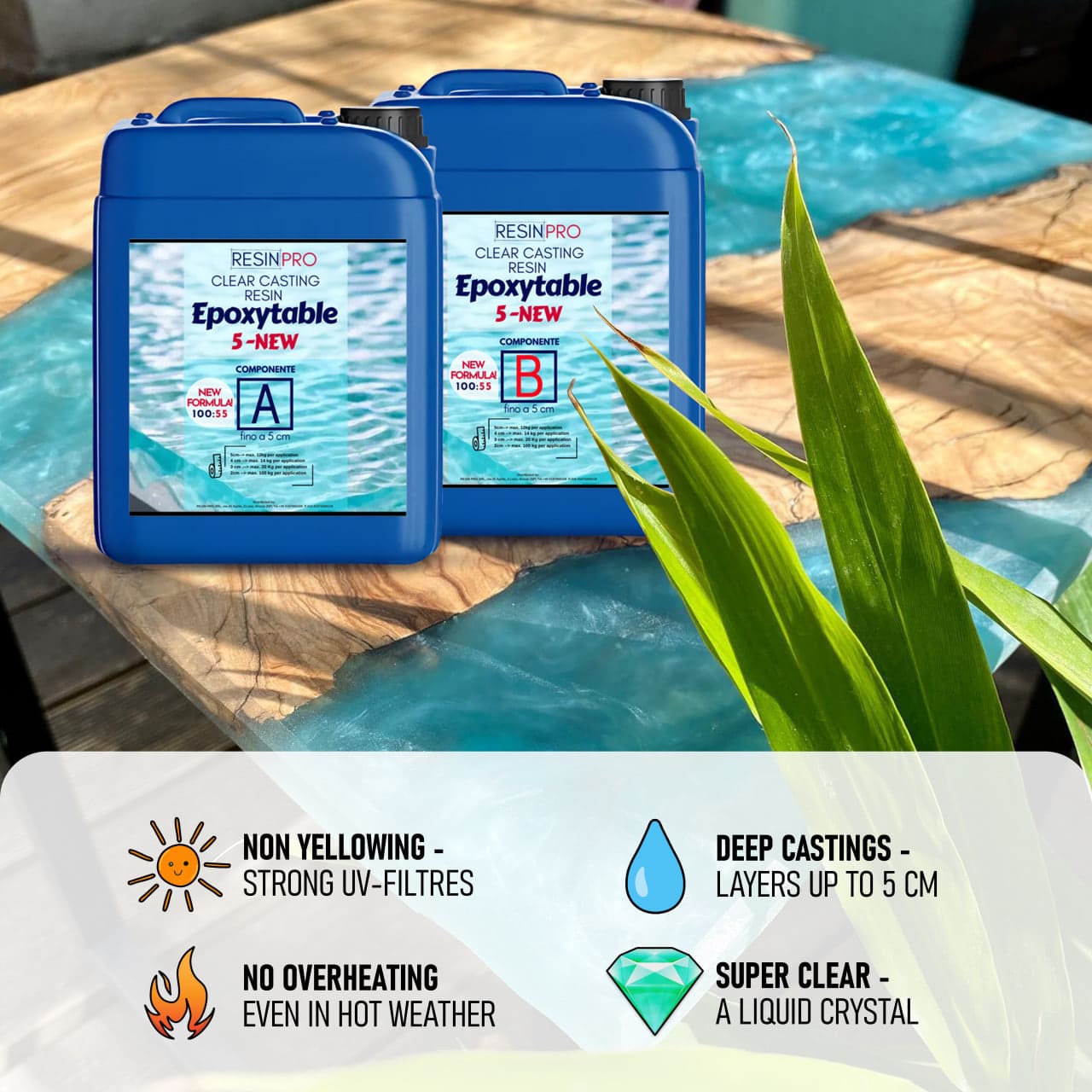
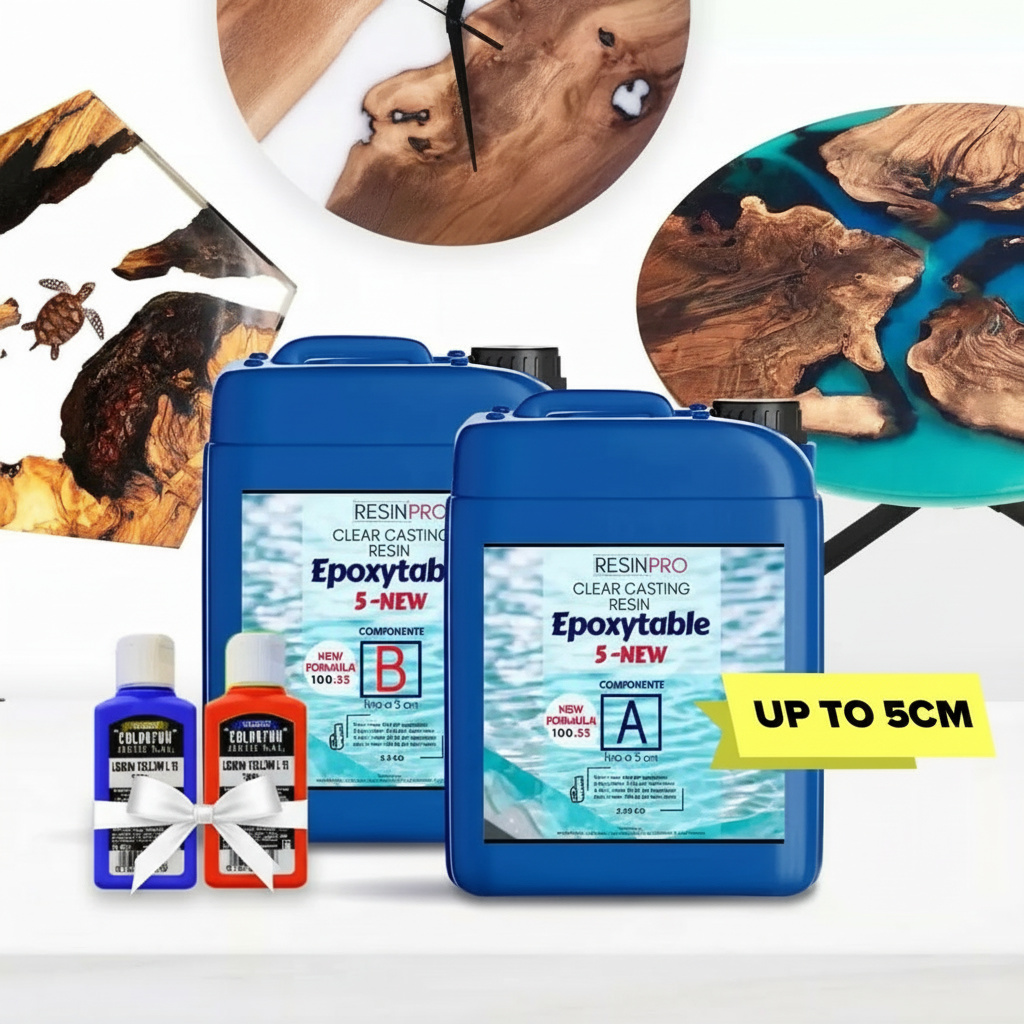
- “EpoxyTable 5-Five” – Deep Pour Epoxy Resin for Tables and Large Projects – Up to 5cm – Suitable for thick pour projects like tabletops and countertops.
- “EpoxyFood” – Certified Clear Food Contact Epoxy Resin for Coating – Best for wooden items intended for food contact, such as cutting boards and serving trays.
- Sanding paper (various grits, e.g., 120, 220, 600)
- Lint-free cloths
- Mixing containers and stirring sticks
- Disposable gloves and protective goggles
- Painter’s tape and plastic sheeting to protect your workspace
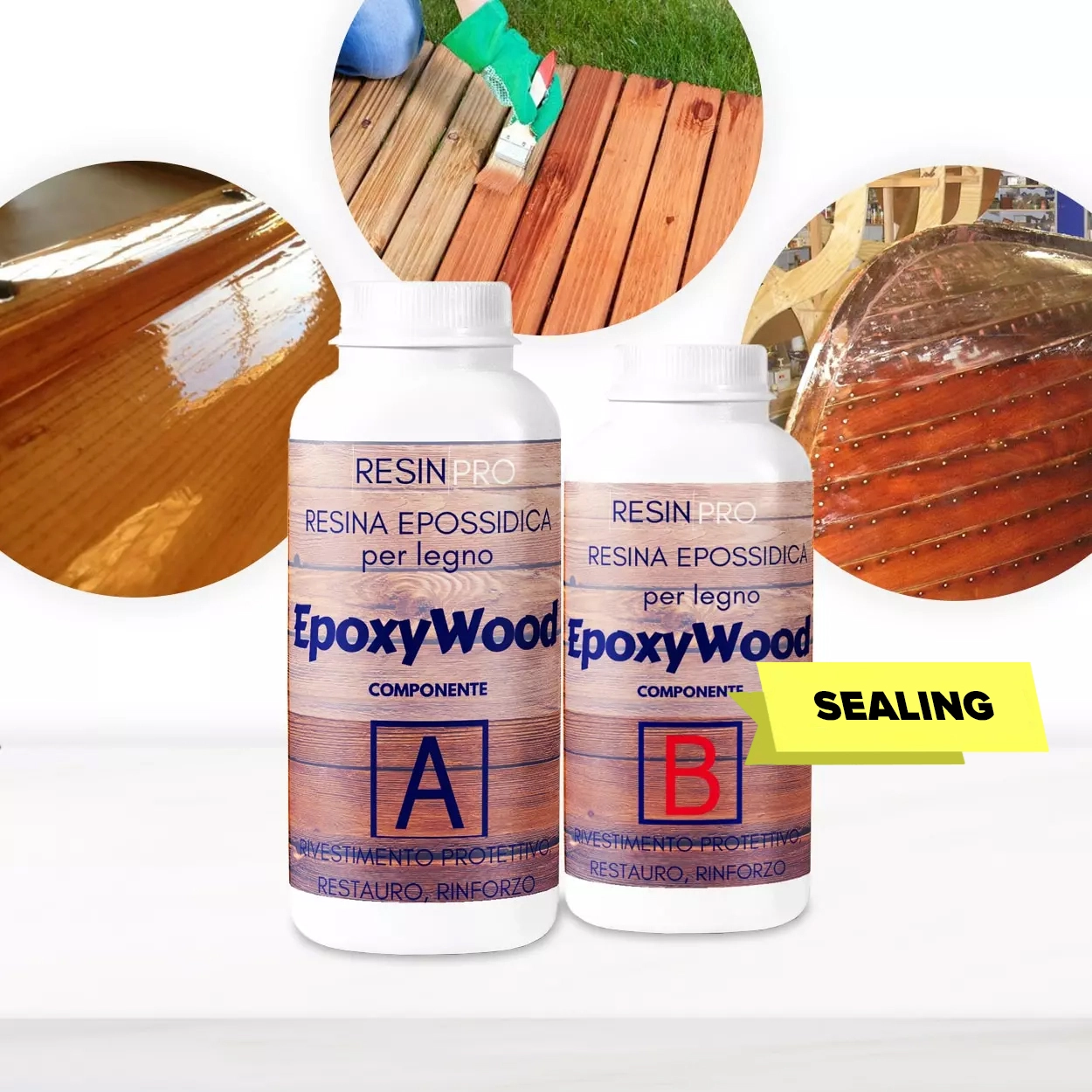
Visual Guide: Epoxy Resin Materials and Preparation
See the essential products and tools used for epoxy resin applications on wood. Featured: surface preparation, mixing, and early stages of resin application.
Step 1: Prepare the Wood Surface
Begin by ensuring your wood is completely dry and free from dust, grease, or old coatings. Sand the surface starting with a coarse grit, then move to a finer grade for a smooth finish. Remove sanding dust thoroughly with a lint-free cloth. For best results, fill any cracks or imperfections before resin application.
Carefully mask off areas you do not wish to cover with resin. If you’re working on a casting or filling project, make sure to use formwork or barriers where necessary.

Step 2: Mix and Apply the Epoxy Resin
Follow the manufacturer’s mixing ratio precisely—incorrect ratios can compromise curing and finish. Pour the appropriate amount of resin and hardener into a clean container and stir slowly to avoid introducing air bubbles.
For general waterproofing or deep penetration, “EpoxyWood” – Wood Restoration Epoxy Resin for Deep Penetration and Waterproofing offers ultra-low viscosity to soak deep into the wood grain. Pour or brush on a thin coat, ensuring even coverage, and allow the resin to penetrate for structural reinforcement.
For creative or thicker casting projects such as river tables, use a dedicated deep pour resin like “EpoxyTable 5-Five” – Deep Pour Epoxy Resin for Tables and Large Projects – Up to 5cm. Pour into your prepared form and use a heat gun to remove surface bubbles if needed.
Step 3: Allow to Cure and Sand Between Layers
Allow sufficient curing time as specified by your resin product—this varies with resin type, temperature, and pour depth. Do not handle or move the wood during this period, as even slight disturbances may cause defects.
If your project requires additional resin layers (such as flow coats for tabletops), sand lightly with a fine grit once the previous layer is hard but not fully cured. This helps the next layer bond properly. Clean off all fine dust before applying another coat.

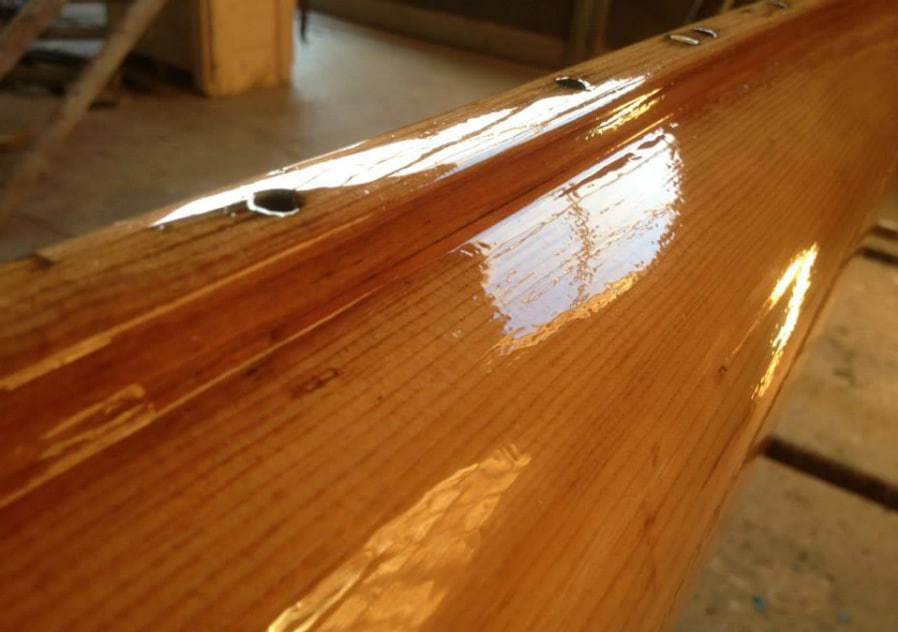
Step 4: Finishing and Safety Considerations
After full curing, sand the surface gradually to a high polish or matte finish, depending on your preference. Start with medium-grit paper and move to very fine grit for the best clarity.
If your finished wood piece is intended for food contact, always choose a certified food-safe resin such as “EpoxyFood” – Certified Clear Food Contact Epoxy Resin for Coating. Adhere strictly to all safety advice and allow full curing before use.
Work in a well-ventilated area and avoid prolonged skin contact with uncured resin. Always wear gloves and protective gear to minimise risk.
Tips and Common Mistakes
Sand between layers for best adhesion and always clean dust off thoroughly before progressing. Temperature and humidity can affect curing times, so work in stable conditions where possible. Avoid pouring thick layers beyond the resin’s specification to prevent exothermic overheating or incomplete curing.
Take your time during preparation and mixing—rushing increases the chance of trapped bubbles or uneven finishes. Store unused resin in tightly sealed containers, away from sunlight and heat, to maintain quality.

Project Showcase: Epoxy Resin Results on Wood
Explore examples of finished wooden pieces and tables created using epoxy resin. Notice the clarity, depth, and lustrous effects achievable with correct techniques and products.
- "EpoxyWood" – Wood Restoration Epoxy Resin for Deep Penetration and WaterproofingPrice range: £27.95 through £41.95"EpoxyWood" is designed for repairing and protecting wood with deep penetration and a natural finish under the theme 'How to use epoxy resin on…
- "River-Table" – Complete Kit for Creating Your First Epoxy Resin TablePrice range: £198.45 through £467.45"River-Table" kit includes resin, sealant, polishing kit and pigments with instructions, suitable for making resin tables on wood.
- "EpoxyTable 5-Five" – Deep Pour Epoxy Resin for Tables and Large Projects – Up to 5cmPrice range: £17.95 through £1,154.95"EpoxyTable 5-Five" resin is designed for deep pouring on wood, suitable for tables and large projects up to 5cm thick.
 "EpoxyFood" – Certified Clear Food Contact Epoxy Resin for CoatingPrice range: £20.95 through £146.95EpoxyFood is a clear, food-safe resin designed for safe, transparent coatings on kitchen items suited to cold snacks.
Frequently Asked Questions
Which resin is best for deep pour wooden tables?
EpoxyTable 5-Five is ideal for deep pours up to 5cm, commonly used for resin river tables and thick wood projects.
Is there a food-safe epoxy resin for cutting boards?
EpoxyFood is certified food safe for coating wooden boards and trays intended for cold snacks.
How long should I let epoxy cure on wood?
Curing time varies by product and thickness, but most epoxies require at least 24–72 hours for full strength.
What is the best way to prepare wood for epoxy resin?
Ensure the wood is dry, sanded smooth, and dust-free. Filling cracks and masking off areas will help achieve a clean result.
Can I apply more than one layer of epoxy resin on wood?
Yes, sand lightly between cured layers for good adhesion and clean away all sanding dust before recoating.
How do I avoid bubbles when using epoxy resin on wood?
Mix slowly, pour in thin layers, and use a heat gun gently over the surface to pop bubbles.