 Free shipping on orders over £29,85
  Shipping Tracking!


 Google
 Facebook
How to use resin to create a table?
Step-by-step guide for impressive resin and wood table projects
Creating a unique resin table combines creativity with technical know-how, delivering a striking centrepiece that showcases both wood and crystal-clear epoxy. Whether you’re refreshing an old surface or making a river table from scratch, this guide will walk you through the essentials to ensure a successful project.
What You’ll Need
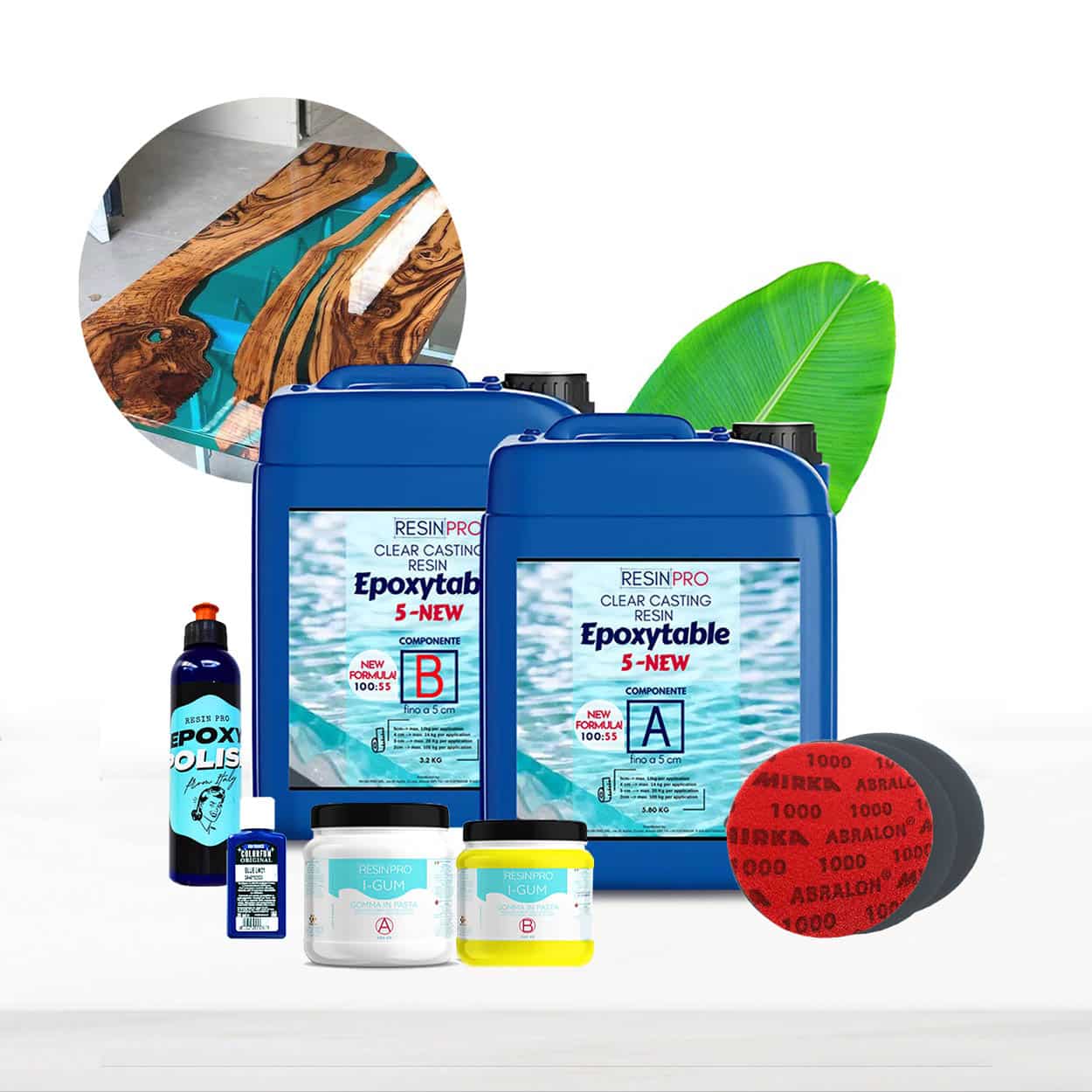
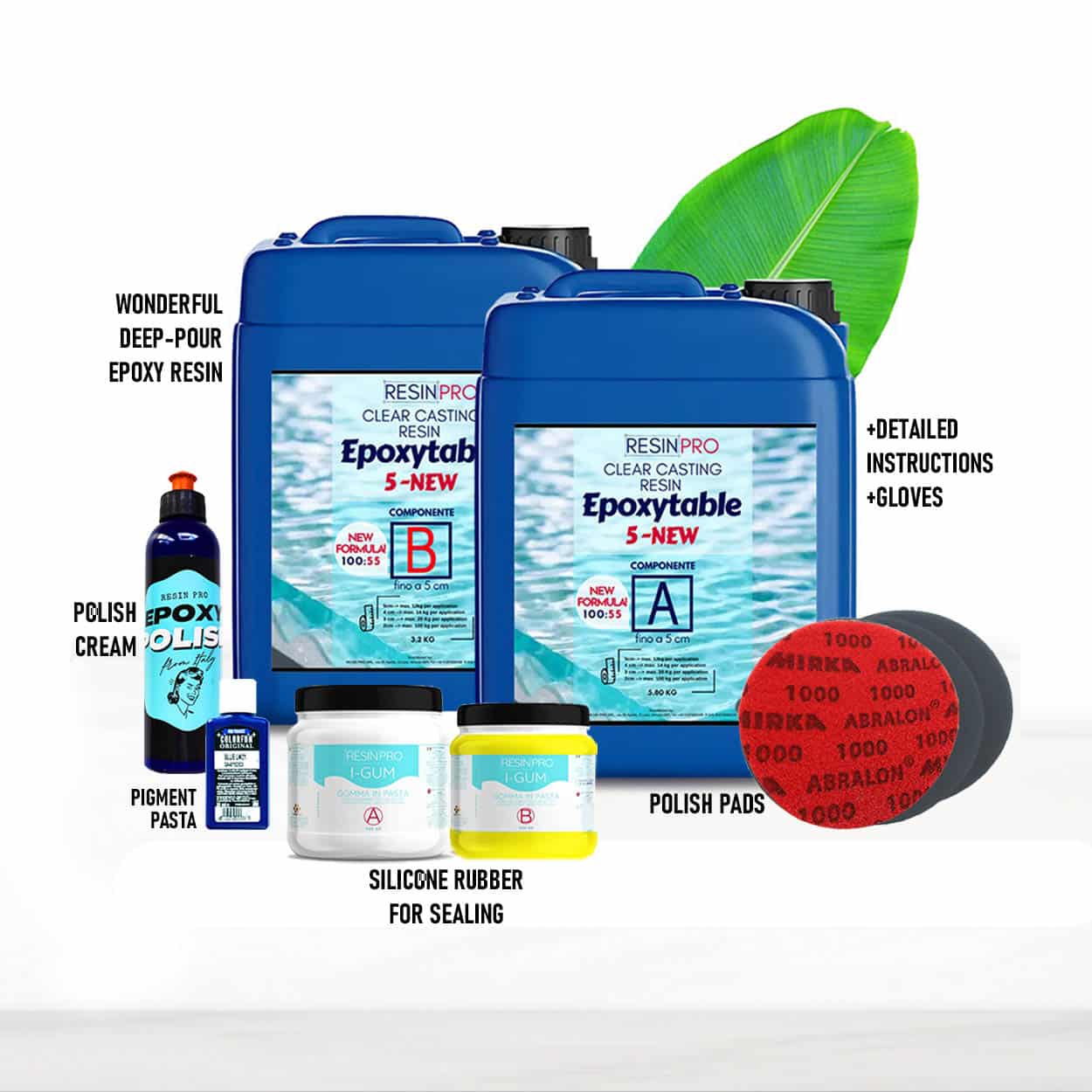
- “River-Table” – Complete Kit for Creating Your First Epoxy Resin Table – An all-in-one kit ideal for beginners, includes epoxy resin, pigments, silicone, and polishing components.
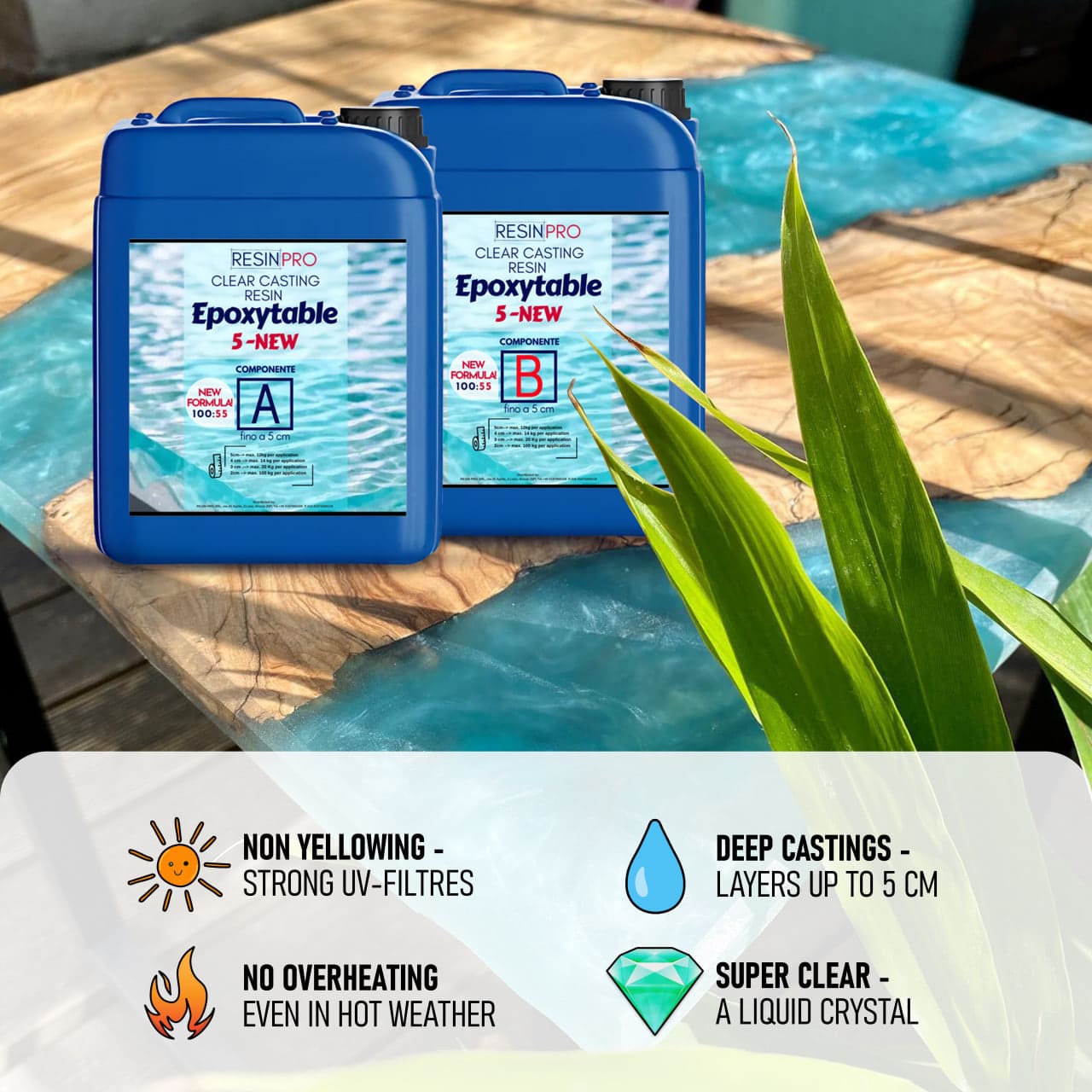
- “EpoxyTable 5-Five” – Deep Pour Epoxy Resin for Tables and Large Projects – Up to 5cm – Suitable for casting thicker layers in medium to large tables.
- “Epoxytable 10-Ten” – Deep Pour Epoxy Resin for Tables, Up to 10cm Casting – Excellent choice for deep river tables or projects needing layers up to 10cm.
- “Stone Effect Collection” – Marble Epoxy Resin Countertop Kit – For those aiming for a marble or stone finish on tables or kitchen worktops.
- Gloves, mixing containers, stirring sticks, formwork materials (melamine, silicone, or plastic), release agent, and appropriate pigments if not included in your kit.

Essential Setup Tools and Techniques
Choose a workspace that is flat and free from dust. Essential setup involves using quality formwork materials and a reliable sealant to achieve a watertight mould. Measuring and mixing tools must be clean to avoid contaminating your resin. When working with coloured resins or marble effects, arrange your pigments and mixing implements in advance for a smooth workflow.
Step 1: Prepare Your Surface and Formwork
Start by selecting your tabletop wood or base surface. Ensure the material is dry, clean, and level. Set up your formwork using materials like melamine or plastic sheeting. Carefully seal all joints with high-quality silicone to prevent leaks. Wear safety gloves and goggles when handling resin to protect your skin and eyes. Work in a well-ventilated area to ensure effective curing and minimise odours.
For a convenient all-in-one start, the “River-Table” – Complete Kit for Creating Your First Epoxy Resin Table supplies silicone and release film, making setup easier for first-timers.
Step 2: Mix and Add Colour to Your Resin
Carefully measure your resin and hardener according to the instructions. Measure resin and hardener accurately according to your chosen product’s instructions – incorrect ratios can affect curing and clarity. Mix thoroughly, scraping the sides and bottom, until the blend is uniform and free of streaks.
If you want a coloured or special effect, now is the time to add pigment. The “River-Table” kit and “Stone Effect Collection” provide professional grade pigments and dyes for swirling, marble, or stone finishes. Mix until the colour appears consistent throughout.
Step 3: Pour the Resin in Layers
With the surface and form prepared, slowly pour the mixed resin into your mould. Seal your form to prevent leaks before pouring. For deep pour projects, consider using “EpoxyTable 5-Five” or “Epoxytable 10-Ten” depending on your pour thickness.
Pour resin slowly to avoid introducing bubbles. For multiple layers, allow each layer to cure fully before pouring the next. Follow the curing times specified in your resin kit to ensure a stable bond between layers.

Step 4: Curing and Demoulding
Let the resin cure undisturbed in its mould. Avoid moving or bumping the project during this period. Once the resin has fully hardened (often 24 to 72 hours, depending on the product and thickness), carefully remove your table from the formwork. Sand any sharp edges with fine grit paper if necessary.
Be patient and avoid demoulding too early, which can affect clarity and strength.

Step 5: Sanding and Polishing
Begin sanding with coarse grit and gradually work towards finer grits. Thorough, progressive sanding removes imperfections and prepares the surface for finishing. Once fully smooth, polish the resin surface after full curing for a professional finish. The “River-Table” kit includes a polishing set specifically designed for epoxy, ensuring a glassy, scratch-resistant surface.
Tips and Common Mistakes
- Avoid pouring thicker than the product’s maximum recommended layer—this prevents excessive heat and bubbles.
- Always check your curing environment is dust-free and maintains a stable temperature.
- Test your colour ratios and effects on a small piece before tackling the main tabletop.
- If bubbles appear, gently use a heat gun at a safe distance to pop them soon after pouring.
- Consult product instructions carefully, as each resin system may have specific requirements for mixing and curing.
Visual Inspiration: Resin Tables and Surface Finishes
From classic river tables to vibrant marble-inspired worktops, resin allows for endless creativity. Explore reference photos and community examples for layout ideas, and experiment with tinted resins, embedded objects, or layer effects to personalise your table project. Choosing a high-quality kit enhances both process and end result.

- "River-Table" – Complete Kit for Creating Your First Epoxy Resin TablePrice range: £198.45 through £467.45Complete kit providing epoxy resin, sealing silicone, pigments, and polishing materials designed for creating wood and resin tables.
- "EpoxyTable 5-Five" – Deep Pour Epoxy Resin for Tables and Large Projects – Up to 5cmPrice range: £17.95 through £1,154.95"EpoxyTable 5-Five" is a deep pour epoxy resin suitable for tables and large projects, designed for layers up to 5cm with UV resistance.
 “Epoxytable 10-Ten” – Deep Pour Epoxy Resin for Tables, Up to 10cm CastingPrice range: £35.95 through £351.95“Epoxytable 10-Ten” is designed for deep casting projects such as tables up to 10cm thick, with a clear, low-viscosity formula.
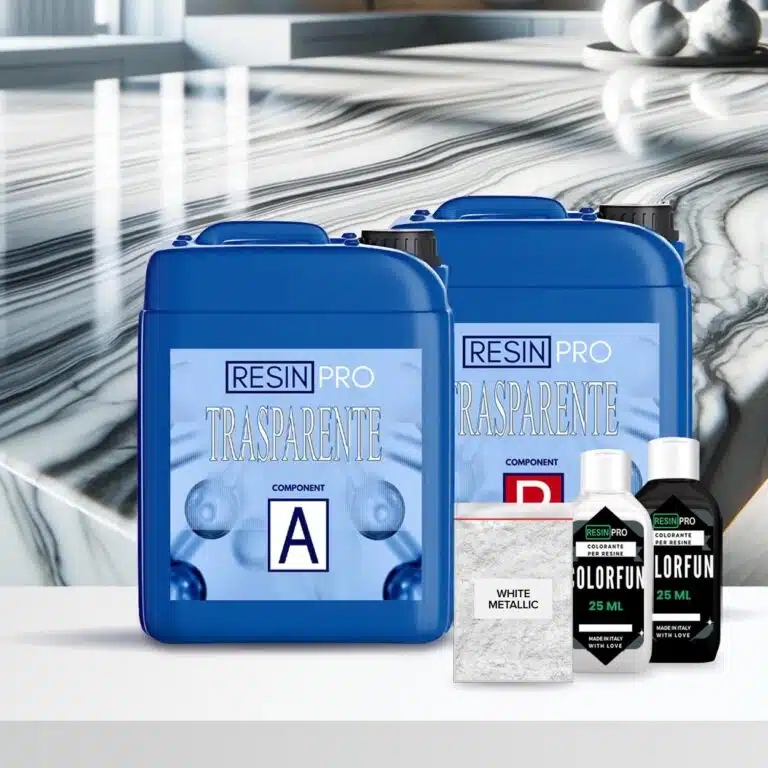 "Stone Effect Collection" – Marble Epoxy Resin Countertop KitPrice range: £57.95 through £272.95"Stone Effect Collection" offers an all-in-one epoxy resin kit for durable marble and stone effects on countertops and surfaces.
Frequently Asked Questions
How thick can I pour resin for a table?
The thickness depends on your chosen resin. Products like EpoxyTable 5-Five allow up to 5cm per pour, while Epoxytable 10-Ten supports up to 10cm in a single layer.
What resin should I use for river tables?
Deep pour resins such as EpoxyTable 5-Five and Epoxytable 10-Ten are specifically developed for river table projects and deliver bubble-free clarity.
How do I prevent bubbles in my resin pour?
Mix slowly to limit air introduction and pour in thin layers. Use a heat gun gently after pouring to encourage bubbles to rise and pop.
Can I add pigments or objects to my resin table?
Yes, you can incorporate pigments, dyes, or embed objects between resin layers. Pour a thin layer first, let it cure, then add objects before finishing the pour.
How long does resin curing take for tables?
Full curing times vary by product, ranging from 24 to 72 hours, depending on epoxy type, pour depth, and conditions.
Can I use resin to create a marble effect on existing tables?
Yes, marble effect kits like the Stone Effect Collection are ideal for transforming existing countertops or tables for a fresh, modern finish.