 Free shipping on orders over £29,85
  Shipping Tracking!


 Google
 Facebook
← Back to how to make resin tables
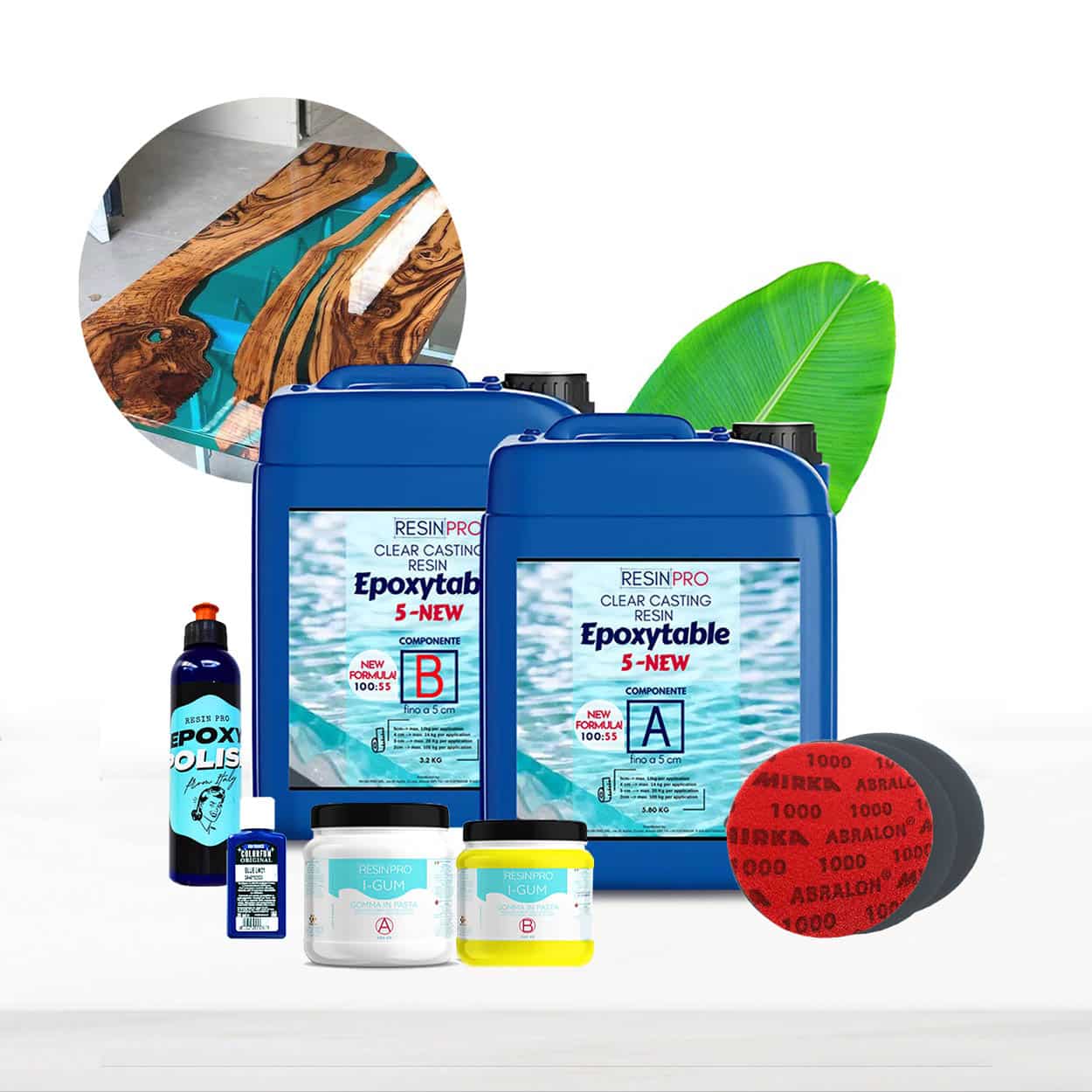
Ensuring your formwork edges are properly sealed before pouring resin is a vital step in making beautiful, hassle-free resin tables. Preventing leaks at this stage saves you time, materials, and frustration.
Why Leaks Happen and How to Avoid Them
Leaks most often occur where there are small gaps or seams in your mould or formwork. Even tiny imperfections can allow resin to escape, leading to wasted material and unsightly edges. To minimise this risk, inspect and prepare all contact points and joints carefully.
- Use a recommended sealant, such as a special silicone paste, to fill and smooth every join.
- Ensure the base and side panels are tight-fitting and secure before sealing.
- Allow sealant to fully cure before pouring epoxy, as this strengthens the bond and barrier.
Step-by-Step Sealing for Best Results
Follow these proven steps for a leak-free pour:
- After assembling your formwork, run a continuous bead of silicone sealant along all inner edges and corners.
- Smooth the bead with a gloved finger or tool for complete coverage and a neat finish.
- For large or deeper pours, consider applying a release film over the base to aid both sealing and demoulding, as included in the “River-Table” – Complete Kit.
Careful preparation at this stage helps you achieve professional-looking results and reduces the need for last-minute repairs.
When This Matters Most
Thorough sealing is especially important for deep pours and large moulds, as more resin under pressure will quickly exploit any weak spot. Using suitable products designed for resin projects can make sealing easier and more reliable.
Related products
Related guides
Careful attention to sealing makes all the difference when learning how to make resin tables. For step-by-step guidance and essential materials, the complete kits featured on our main How to Make Resin Tables page will help set you up for success.