 Free shipping on orders over £29,85
  Shipping Tracking!


 Google
 Facebook
How to use resins in sculpture?
A guide to choosing resins for sculpting detail and durability

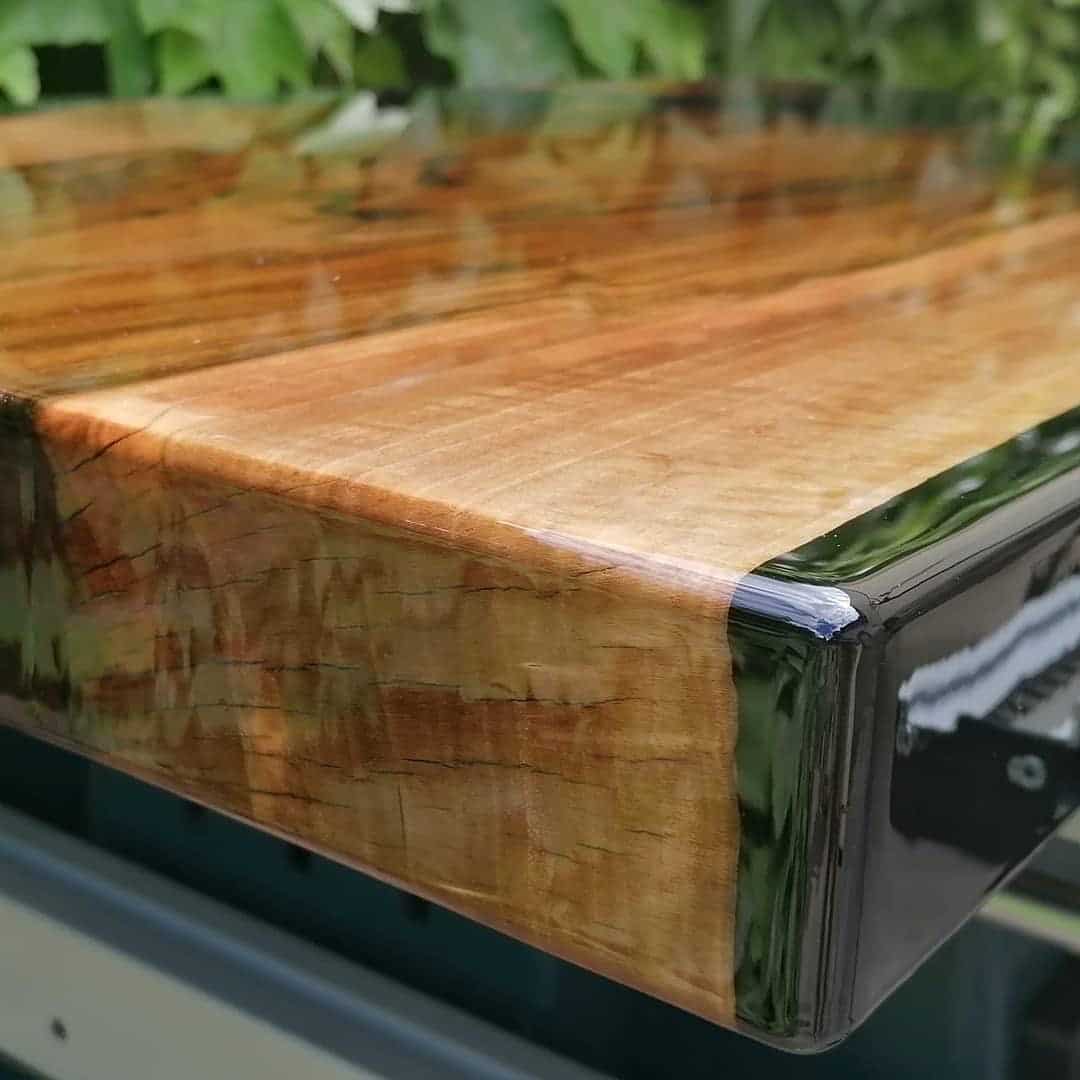
If you are a sculptor, artist, or creative maker looking to choose the ideal resin for your next sculptural project, this guide is tailored for you. Whether you are creating large statement pieces, capturing fine details, or seeking a fast prototype, understanding the resin options available makes a dramatic difference in the outcome and longevity of your art. On this page, we compare the best resin types for sculpture, breaking down their differences so you can confidently select the right material for your needs.
Choosing the Right Resin for Sculpture: Epoxy vs Polyurethane
Not all resins are created equal. For sculpture and artistic casting, your choice depends on the thickness of the piece, desired clarity, set time, and surface detail. Epoxy resins are popular for projects requiring crystal-clear results, depth, and a glossy finish—perfect for casting or embedding objects. They are offered in formulas suitable for thin, medium, or deep pours. Polyurethane resins, by contrast, set rapidly, are generally opaque, and excel for detailed prototypes or when quick turnaround is vital. The proper resin ensures durability, beauty, and stability in your finished sculpture.

Resin Casting in Sculpture: Visual Inspirations
From translucent river tables to micro-detailed prototypes, sculptural resin art showcases both creative vision and technical mastery. Explore how a deep pour epoxy transforms wood and resin into one-of-a-kind art, or how a fast-setting polyurethane resin enables rapid prototyping and complex model parts. Each resin offers distinct visual and tactile qualities, empowering your artistic process.
“Epoxytable 10-Ten” – Deep Pour Epoxy Resin for Tables, Up to 10cm Casting
For large, deep sculptural works such as resin river tables or dramatic art installations, “Epoxytable 10-Ten” – Deep Pour Epoxy Resin for Tables, Up to 10cm Casting is unmatched. This epoxy is specially formulated for up to 10cm thick castings without the risk of overheating or yellowing. Its super low viscosity ensures a bubble-free, ultra-clear result, which is vital for clarity in large resin sculptures and artistic pieces. It offers a long working time—letting you perfect your composition without rushing—and resists heat up to 70°C, making it suitable for both functional and decorative art pieces. If depth, optical quality, and stability are critical to your design, this resin is the recommended choice.
“EpoxyTable 5-Five” – Deep Pour Epoxy Resin for Tables and Large Projects – Up to 5cm
For moderately deep sculptures and large objects up to 5cm thick, “EpoxyTable 5-Five” – Deep Pour Epoxy Resin for Tables and Large Projects – Up to 5cm provides a cost-effective and reliable alternative. This resin also features non-yellowing UV filters for lasting clarity and a highly scratchproof surface—a must for exposed pieces. The long working time and low bubble formation make it beginner-friendly, encouraging creative exploration in castings, decorative elements, or crafts. When you want durability for mid-sized sculptures without sacrificing clarity, consider EpoxyTable 5-Five.
“Trasparente” – Multipurpose Clear Epoxy Resin for Casting – Up to 2cm
When working on intricate, small-scale sculpture or detail casting, “Trasparente” – Multipurpose Clear Epoxy Resin for Casting – Up to 2cm stands out. This certified non-toxic, ultra-clear formula delivers a flawless glossy finish up to 2cm thick and remains self-levelling, aiding in the creation of intricate, highly detailed art. Integrated UV protection and impressive scratch resistance preserve your work’s elegance for years to come. Ideal for embedding, jewellery making, or restoration projects where clarity and safety are paramount.
“Polyform” – Polyurethane Casting Resin, Beige, Fast-Setting for Prototyping
If your sculpting workflow values speed and intricate detail over optical clarity, “Polyform” – Polyurethane Casting Resin, Beige, Fast-Setting for Prototyping is the material to choose. It cures in around five minutes and can be demoulded within 30, making it ideal for rapid prototyping, model-making, or short production runs. Its high fluidity fills complex silicone moulds, reproducing fine detail in durable, robust castings. Once cured, the resin is safe to handle and wear-resistant, lending itself to both functional prototypes and intricate figures. Note that Polyform is not suitable for pigmenting due to its beige finish, but excels where speed and precision are the priority.
Sculpting with Resin: Tips for Perfect Results
No matter which resin you select, preparation and technique are crucial. Always measure and mix by weight for accuracy, ensure your workspace is clean and temperature-controlled, and pour slowly to minimise air bubbles. Allow ample curing time between layers when working with deep pour resins, and avoid painting or colouring polyurethane variants like Polyform, as they are not designed for pigment. For artwork exposed to sunlight or handled frequently, opt for resins with proven UV protection and surface hardness. By understanding the unique features of each resin type, you can bring your artistic vision to reality confidently and consistently.
Practical Guidance for Perfect Resin Sculpture Results
Accurate mixing, careful pouring, and respecting the recommended layer thickness are essential for successful sculpture casting. Use resins such as “Trasparente” for clarity and detail, or “EpoxyTable 5-Five” for scratch-resistant, deeper pours. Prioritise patience in layering and ensure UV-protected formulations for pieces intended to last.

- “Epoxytable 10-Ten” – Deep Pour Epoxy Resin for Tables, Up to 10cm CastingPrice range: £35.95 through £351.95“Epoxytable 10-Ten” is an epoxy resin suitable for deep casting applications up to 10cm, supporting sculpture and table projects.
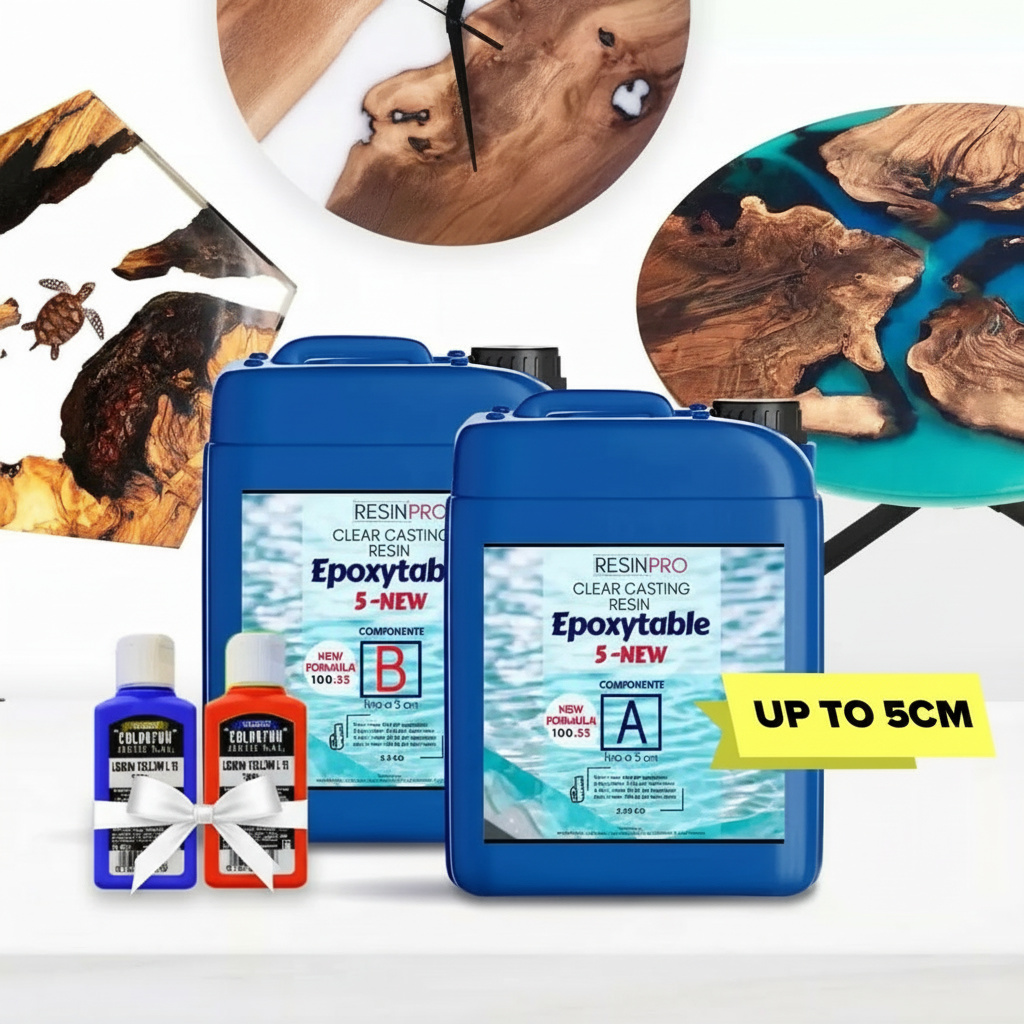 "EpoxyTable 5-Five" – Deep Pour Epoxy Resin for Tables and Large Projects – Up to 5cmPrice range: £17.95 through £1,154.95"EpoxyTable 5-Five" is a deep pour epoxy resin designed for tables and large projects with up to 5cm thickness.
 "Trasparente" – Multipurpose Clear Epoxy Resin for Casting – Up to 2cmPrice range: £8.95 through £397.95"Trasparente" is a clear epoxy resin suitable for detailed casting and table creation, offering an ultra-clear, glossy finish for sculpture use.
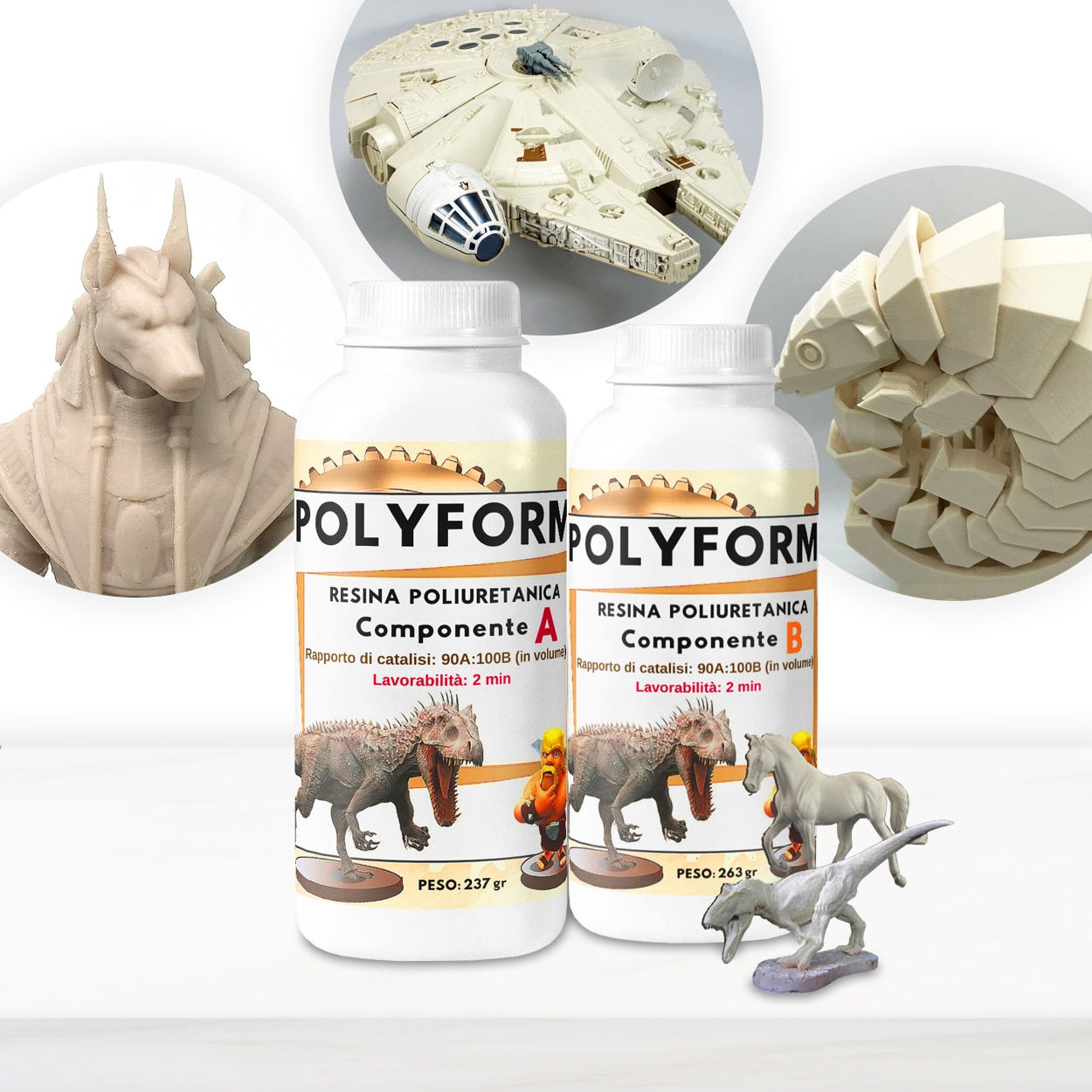 “Polyform” – Polyurethane Casting Resin, Beige, Fast-Setting for PrototypingPrice range: £15.95 through £141.95Polyform is a beige polyurethane casting resin designed for rapid prototyping and detailed model making with fast setting and high fluidity.
Frequently Asked Questions
Which resin thickness is best for sculpture?
Choose thickness based on your design. Use deep pour resins like Epoxytable 10-Ten for large volumes; thinner resins for smaller, detailed work.
How important is UV resistance in sculpture?
UV resistance prevents yellowing and degradation when exposed to light. For art displayed in sunlight, always choose resins with integrated UV filters.
Can I colour Polyform polyurethane resin?
Polyform is beige and not recommended for use with dyes or pigments. For coloured castings, opt for epoxy resins designed for tinting.
How do I mix resin correctly?
Measure resin and hardener precisely by weight, not volume. Incorrect ratios affect curing and finished quality.
How can I avoid bubbles in my sculpture?
Use low-viscosity resins, mix slowly, and pour in thin streams. Warm the resin slightly if necessary, and allow bubbles to rise before curing.
What is the fastest resin for rapid prototypes?
Polyform sets in about 5 minutes and is ready to demould in 30, making it ideal for speedy prototyping or small batch model production.
How durable are resin sculptures?
Epoxy resins like EpoxyTable 5-Five are highly scratch-resistant, while Polyform is robust after curing. Durability increases with proper mixing and full curing.
Can I build thick pieces in layers?
Yes, let each layer partially cure before pouring the next. Follow resin-specific guidelines for best adhesion and clarity.