 Free shipping on orders over £29,85
  Shipping Tracking!


 Google
 Facebook
← Back to How to use resins in sculpture?
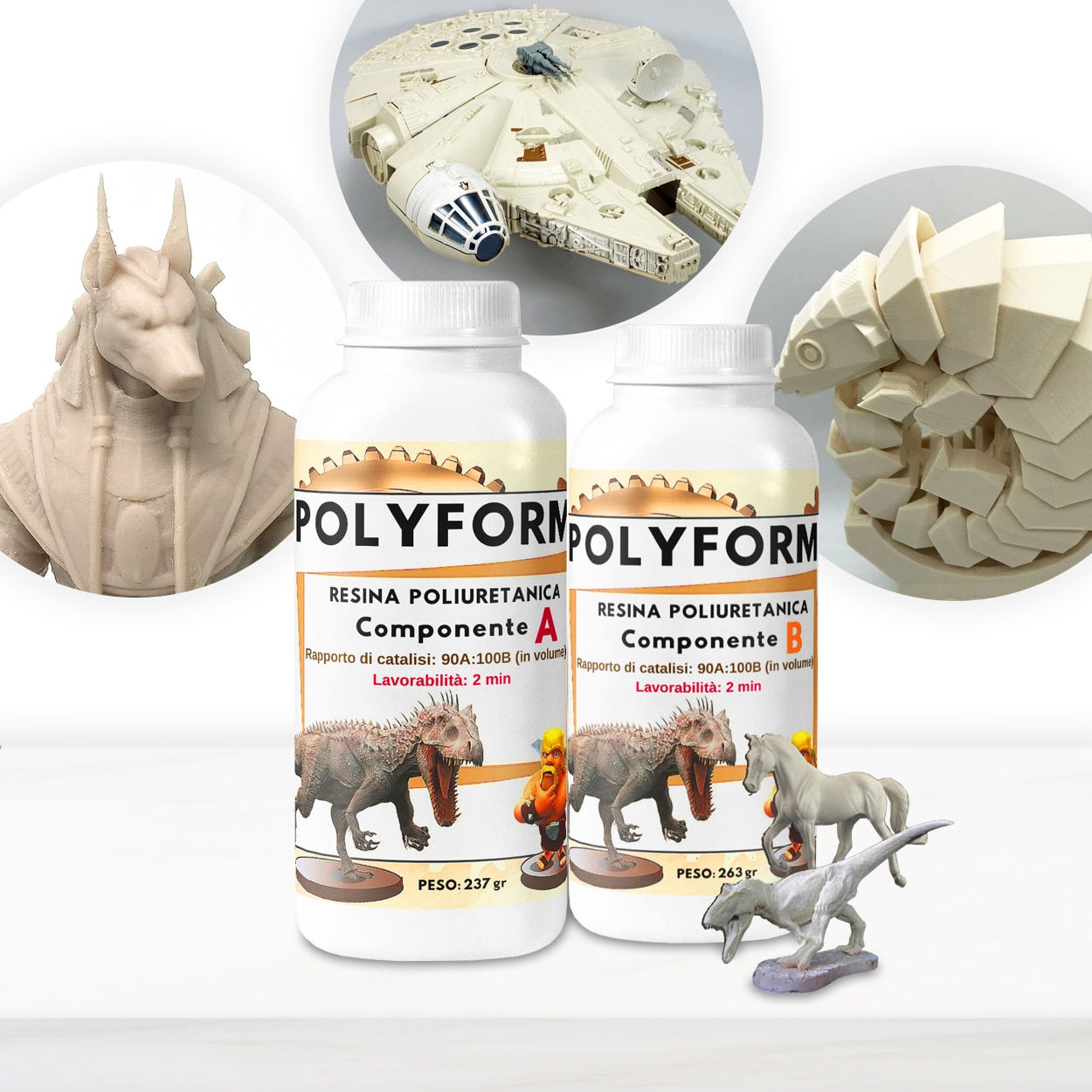

Polyurethane resins offer sculptors and model makers a rapid and precise casting option, especially when speed and detail are critical. This guide explores how polyurethane casting resins fit into the workflow for art and prototyping.
Why Use Polyurethane Resin?
Polyurethane casting resins are best known for their quick setting properties and ability to capture fine detail from moulds. Unlike some other resin types, polyurethane can set in just five minutes and may be demoulded in as little as half an hour, making it ideal for projects requiring fast turnaround. This characteristic is particularly valued in rapid prototyping, model making, and when multiple reproductions are needed within a short timeframe.

Practical Guidance: Mixing and Application
Proper mixing is essential for quality results. With products like Polyform Polyurethane Casting Resin, you should combine parts A and B at a ratio of 90 to 100 by weight. Stir thoroughly and pour immediately, as working time is brief. Polyform is beige as standard and not intended for use with colourants. For best results, use silicone or suitably prepared moulds, and always work in ambient temperatures above 8–10°C.
When This Matters
Polyurethane resins are most beneficial when you need fast results, such as for design mock-ups, intricate model pieces, or small batch production. Because these resins harden quickly and retain fine surface detail, they minimise waiting time between casting cycles.

Related products
Related guides
For sculptors looking to streamline production or achieve fine model detail with speed, polyurethane casting resins like Polyform are an excellent resource. Explore further options and advice on selecting the best resin for your creative practice in our sculptural resin guide.