 Free shipping on orders over £29,85
  Shipping Tracking!


 Google
 Facebook
← Back to How much catalyst to add to resin in winter?

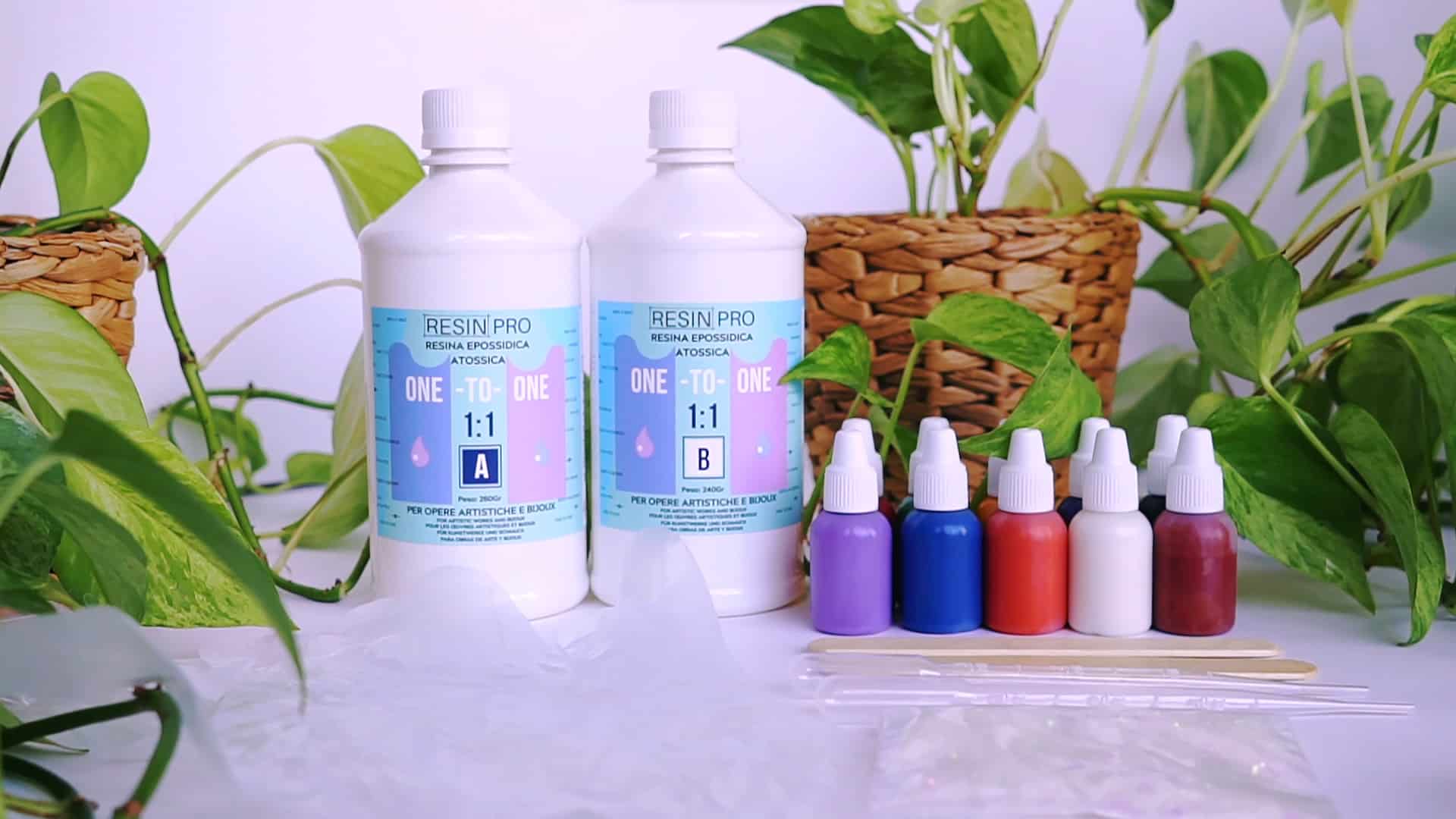
Cold weather can make resin and hardener thicker, which may lead to bubbles and tricky mixing. Gently warming your resin kit before use can help ensure smooth results in winter.
Why Warm Your Resin Kit in Winter?
When resin or hardener becomes too cold, its viscosity increases, making it difficult to combine thoroughly. This can create stubborn bubbles and disrupt curing. Pre-warming the sealed bottles ensures both parts blend easily, promoting an even cure and a flawless finish—especially crucial for projects like jewellery or table coatings.
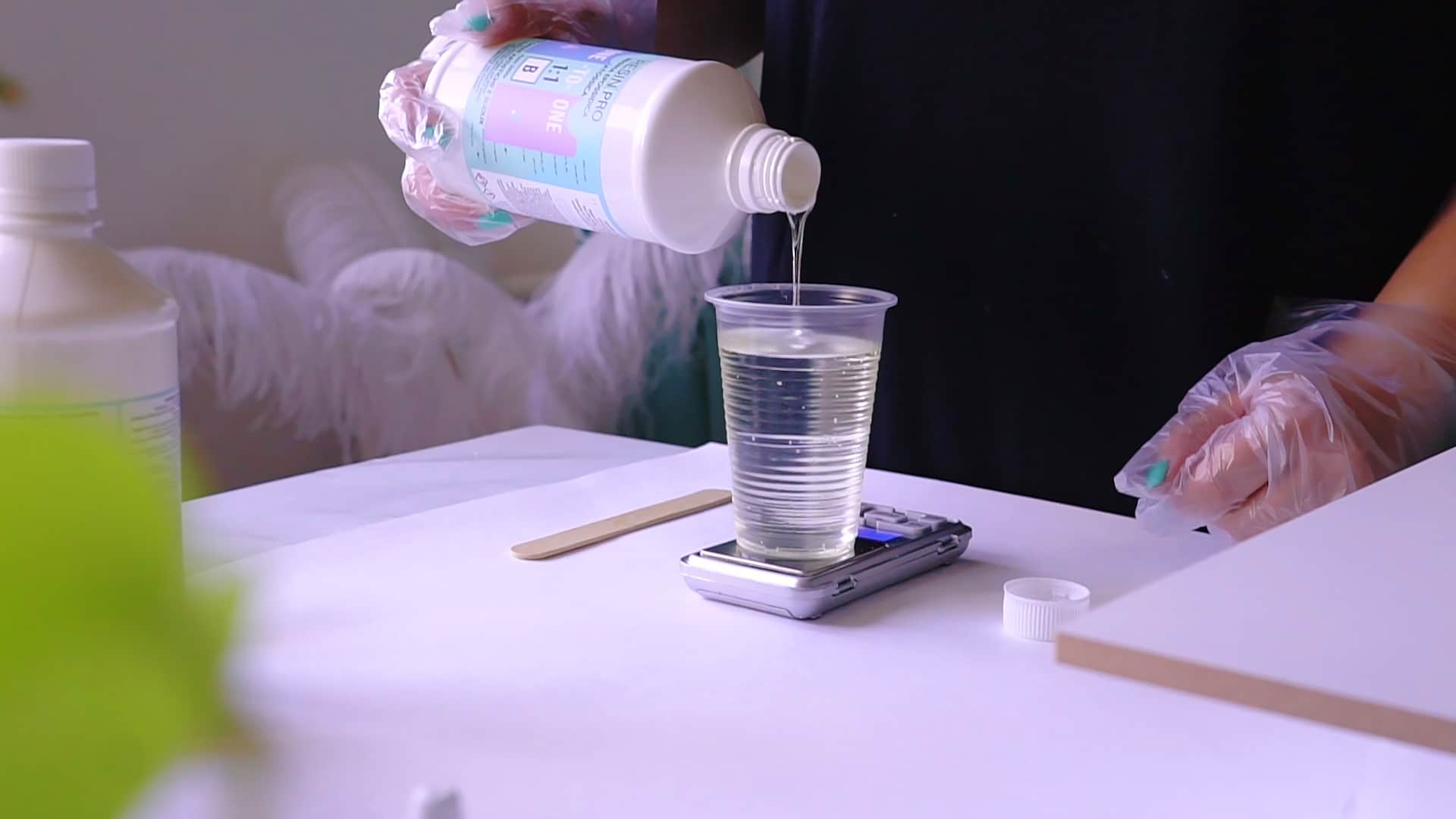

Safe Methods for Warming Resin and Hardener
- Warm water bath: Place tightly sealed bottles of resin and hardener in a basin of warm (not hot) water for 10–20 minutes. This step gently reduces viscosity.
- Avoid direct heat: Never use boiling water, microwaves, or ovens, as high temperatures could damage the formula.
- Check temperature: Aim for your bottles to reach a room temperature feel—comparable to lukewarm bath water at most—before mixing.
For example, if using a formulation like the “One-2-One” Epoxy Resin, this process makes measuring and stirring far easier, especially when following the equal parts mixing ratio.
Practical Tips for Better Winter Pouring
- Mix immediately after warming to maintain fluidity.
- Warm only the amount you intend to use rather than the whole kit.
- Work in a draft-free area to minimise cooling during the project.
When Does Pre-Warming Matter Most?
Pre-warming resin is most helpful during the coldest months, or in garages and workshops that drop below 18°C. It’s particularly important for detailed projects or deeper pours where mixing quality makes a big difference to clarity and strength.
Related products
Related guides
Warming your resin kit in winter is a simple step for smooth, bubble-free results. For more guidance on handling resin in cold conditions, see our advice on winter resin mixing and safe catalyst addition.