 Free shipping on orders over £29,85
  Shipping Tracking!


 Google
 Facebook
← Back to how to harden epoxy resin
Achieving a reliable cure for epoxy resin projects isn’t just about mixing the right ratios — your workspace environment plays a major role. Fluctuating humidity and temperature can prevent proper hardening, causing tacky or weak finishes.
How Humidity and Temperature Impact Curing
Epoxy resin is sensitive to changes in air moisture and temperature during its curing process. If humidity is too high, the resin can take longer to cure and may develop a cloudy or sticky surface. Low temperatures can slow curing dramatically, while high temperatures may cause the resin to harden too quickly, increasing the risk of bubbles or cracks.
- Humidity: Moisture in the air can interfere with the chemical reaction needed for optimal hardening.
- Temperature: Ideal curing usually occurs at steady room temperature (around 20–24°C). Fluctuations above or below this range can cause incomplete curing or undesirable surface effects.
Best Practices for Consistent Results
To promote proper hardening, use epoxy resins in a controlled indoor environment. Avoid starting projects during significant weather changes or in spaces without reliable temperature control. Always check the manufacturer’s guidance for recommended curing conditions.
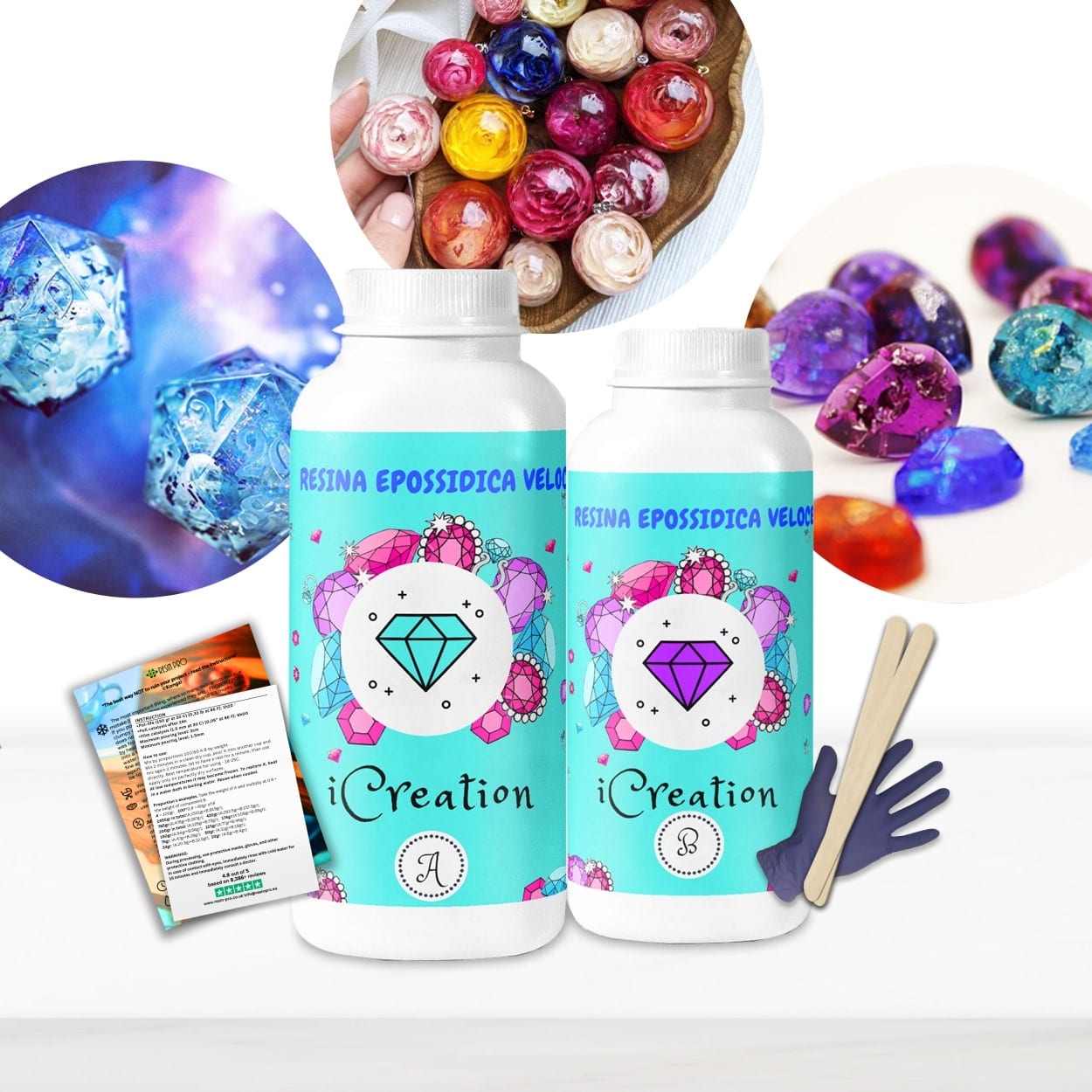
If you need quick, dependable curing under stable conditions, opt for formulations designed to minimise environmental impact. For example, the “ICreation” Fast Epoxy Resin offers a 6-hour demoulding time and maintains a clear finish when cured according to instructions.
When This Matters Most
Projects demanding strength, transparency, or food safety are particularly sensitive to the curing environment. Unstable humidity or temperature affects not just appearance but also durability, especially for items like jewellery, decorative coatings, or repair glues.
Related products
Related guides
Planning ahead and managing your workspace environment ensures successful results with epoxy resin. To learn more about reliable curing techniques, visit our full guide on how to harden epoxy resin.