 Free shipping on orders over £29,85
  Shipping Tracking!


 Google
 Facebook
← Back to When should resin protection be applied to motorcycle tanks?
Applying resin protection to your motorcycle tank at the right time is crucial for achieving a lasting, professional finish. Proper preparation can make all the difference in durability and appearance.
Preparing the Tank for Resin Application
The optimal time to apply resin protection is just after thoroughly cleaning and degreasing your tank. Make sure all traces of dust, oils and residues are removed to promote proper bonding. Consider using a specialist cleaner like the Strong Technical Degreaser for a safe, residue-free result. Allow the tank to dry completely and ensure it reaches room temperature for best adhesion and curing.

Timing: Before Signs of Wear Appear
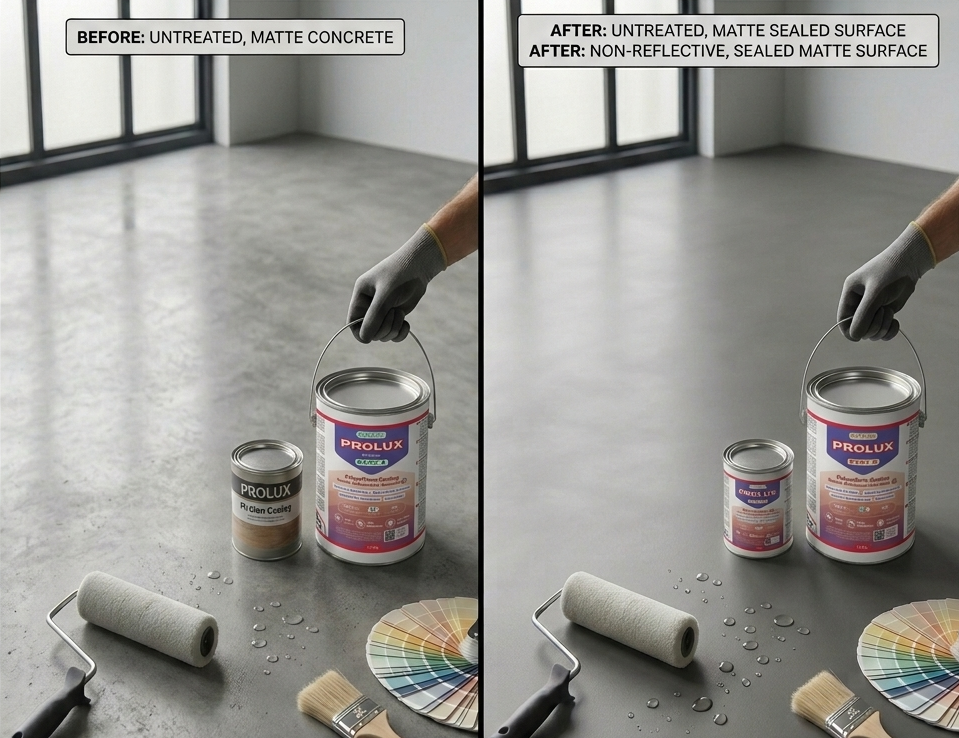
For the best long-term protection, it is advisable to apply resin before your tank shows any scratches, fading or weathering. Early application helps preserve the original paintwork and prevents further surface deterioration. Applying the resin protection to a well-prepared, undamaged tank surface ensures a smoother, longer-lasting finish.
Choosing the Right Resin Protection
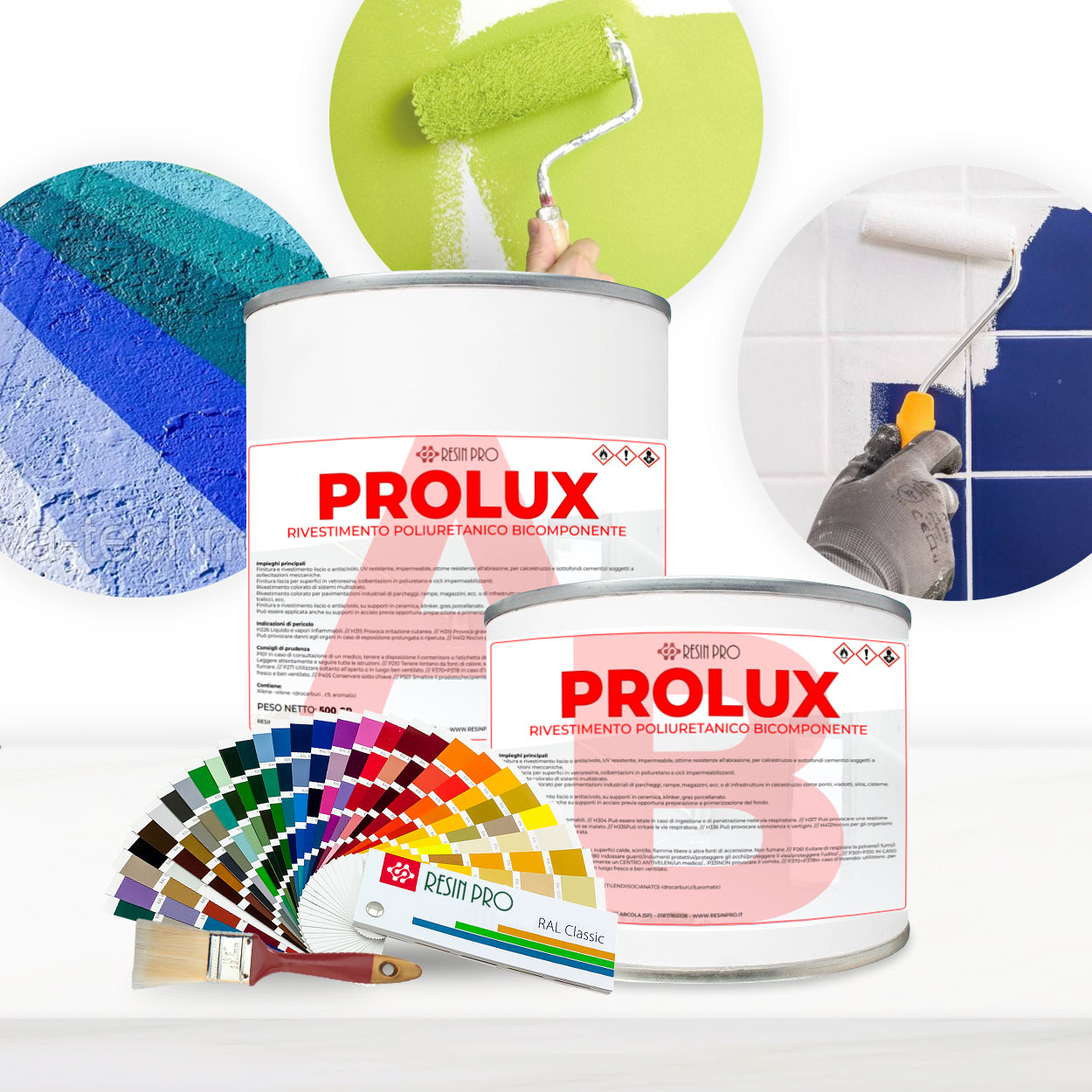
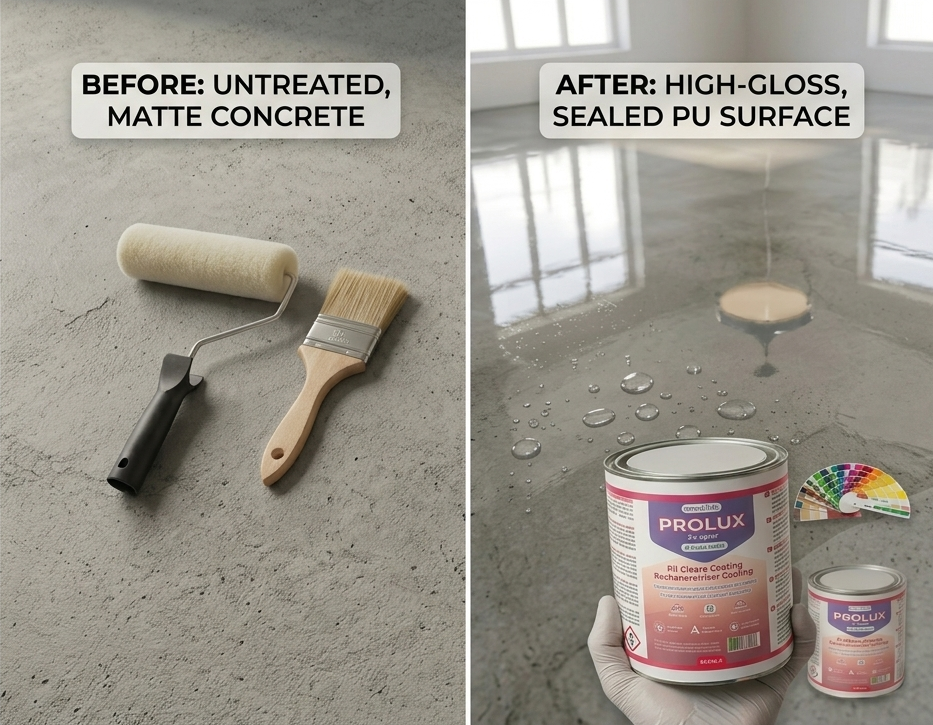
Select a resin designed for metal and painted surfaces, offering both UV and abrasion resistance. Products such as “Prolux” PU coating or a glossy, flexible finish like Heat Pro can further enhance protection from environmental exposure. Always follow the manufacturer’s instructions for mixing and curing.

When Preparation and Timing Matter Most
If you frequently ride in harsh conditions or your motorcycle is exposed to sunlight, salt or road debris, timely application of resin protection is especially important. Proper preparation before the tank incurs damage will help preserve both appearance and functionality.
Related products
Related guides
Applying resin protection at the right stage will keep your motorcycle tank looking great and shielded from everyday wear. For more advice and maintenance tips, see our main guide on when resin protection should be applied to motorcycle tanks.